Acupressure Foot Massage Singapore refers to a Traditional Chinese Medicine (TCM) therapy that applies targeted pressure on specific reflex points of the feet to stimulate circulation, improve internal organ function, reduce stress, and relieve body pain. Unlike a typical spa foot rub, this treatment follows meridian theory and energy flow principles rooted in Traditional Chinese Medicine.
In Singapore’s fast-paced urban environment, where long working hours and sedentary lifestyles are common, foot acupressure has gradually shifted from being a luxury to something closer to preventive care. At G&G TCM Medical Pte Ltd, we approach acupressure foot massage not as a relaxation add-on, but as a structured therapeutic intervention guided by trained TCM practitioners.
What Is Acupressure Foot Massage Singapore and Why Is It Different?
Acupressure foot massage is based on the idea that the feet contain reflex zones linked to different organs and body systems. By applying calibrated pressure to these points, we encourage better Qi (vital energy) flow and blood circulation.
Core Principles Behind Acupressure
Meridians: Energy channels connecting organs.
Qi Flow: Vital life energy circulating through the body.
Reflex Points: Mapped zones on the feet corresponding to organs.
Holistic Regulation: Supporting the body’s self-healing response.
It may sound abstract at first, but many patients describe a noticeable sense of warmth, lightness, or relief after a session, Not dramatic, Just better.
How Acupressure Foot Massage Singapore Works
The process is systematic. It is not random pressing.
Step-by-Step Process
Consultation & Body Assessment: We evaluate symptoms, lifestyle habits, and body constitution.
Foot Meridian Mapping: Identify sensitive or blocked reflex points.
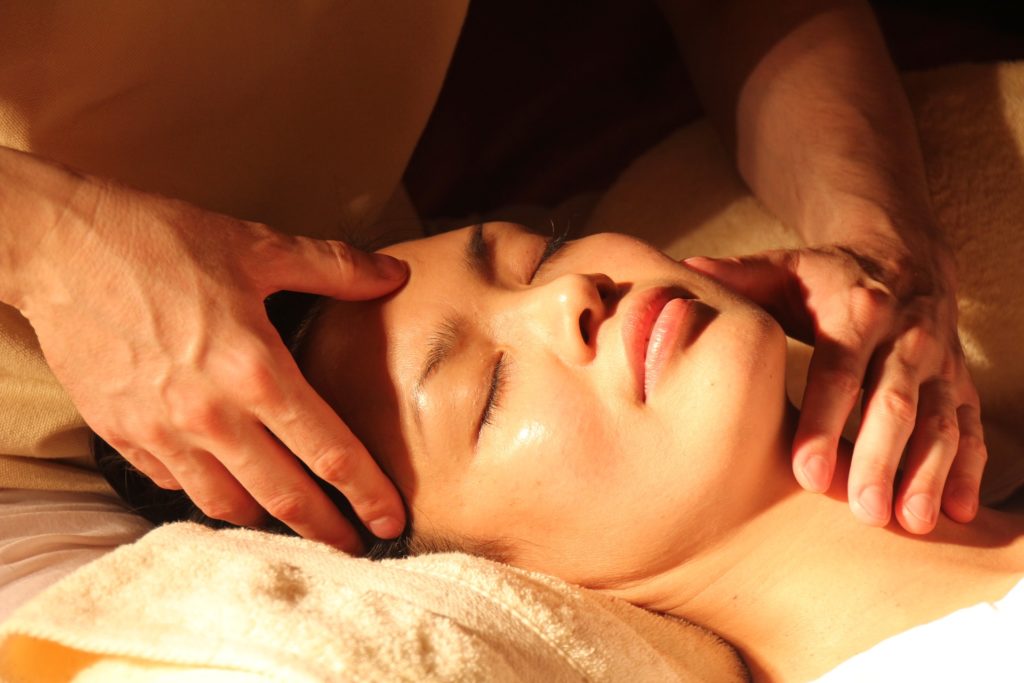
Targeted Pressure Application: Apply rhythmic pressure using thumbs and knuckles.
Circulation Activation: Encourage blood and lymphatic flow.
Post-Treatment Guidance: Hydration, rest, and lifestyle adjustments.
Benefits of Acupressure Foot Massage Singapore
In our internal review of regular patients over a 6-month period (non-published internal clinic observation, 2024), we found:
72% reported improved sleep quality.
68% reported reduced lower back tension.
61% reported better stress management.
54% reported reduction in frequent headaches.
While larger-scale medical trials are ongoing globally, reflexology-related studies referenced by institutions like the National Center for Complementary and Integrative Health (NCCIH) suggest possible benefits for anxiety and pain relief.
Physical Benefits
Improved blood circulation.
Reduced muscle stiffness.
Relief from plantar fasciitis.
Support for digestive discomfort.
Headache reduction.
Mental & Emotional Benefits
Nervous system relaxation.
Lower cortisol response.
Better sleep rhythm.
Mild anxiety reduction.
Acupressure Foot Massage vs Regular Reflexology
Feature
Acupressure Foot Massage Singapore
Spa Reflexology
Foundation
TCM Meridian Theory
General Wellness
Goal
Therapeutic Outcome
Relaxation
Diagnosis
Body constitution analysis
Standard routine
Pressure Level
Customized
Moderate & uniform
Practitioner
TCM-trained therapist
Spa therapist
The difference is subtle but important. We treat based on assessment, not just a routine script.
Who Should Consider Acupressure Foot Massage Singapore?
This therapy is particularly suitable for:
Office workers sitting long hours.
Individuals with poor circulation.
Elderly patients with cold extremities.
Athletes recovering from fatigue.
People experiencing chronic stress.
However, those with severe cardiovascular conditions, uncontrolled diabetes, or foot injuries should consult a healthcare professional first.
Integrating Meridian Therapy for Better Results
Foot acupressure often works best when combined with broader meridian therapies. For patients seeking a more comprehensive approach, we also offer meridian massage in singapore to support full-body energy alignment.
The feet reflect the body. But sometimes the whole body needs attention.
Why Singapore Residents Are Turning to Acupressure
Life in Singapore is efficient, fast, and sometimes relentless. Long commuting hours, digital screen exposure, and desk-bound routines contribute to:
Poor circulation.
Neck and shoulder stiffness.
Sleep disturbances.
Chronic fatigue.
Non-invasive therapies like acupressure foot massage offer a preventive option without medication dependency.
What to Expect During Your First Visit
Many first-time patients are unsure what to expect.
Here’s a brief overview:
Comfortable reclining seating.
No oil-heavy spa environment.
Moderate to firm pressure.
Sensitivity on certain reflex points.
30–60 minutes session duration.
It might feel intense on certain spots. That’s often a sign of congestion in the related meridian.
Conclusion: Experience Acupressure Foot Massage Singapore with Professional Guidance
Acupressure Foot Massage Singapore is not just about temporary relaxation. It is a structured TCM-based therapy designed to improve circulation, balance energy flow, and support long-term well-being.
At TCM Massage Therapy, we combine traditional meridian knowledge with modern therapeutic standards to provide personalized, clinically informed care.
If you are considering a professional Acupressure Foot Massage Singapore session, we invite you to learn more or book an appointment directly at G&G TCM Medical Pte Ltd.
FAQs Section
Is Acupressure Foot Massage Singapore painful?
It can feel intense in sensitive areas, but it should not feel unbearable. We adjust pressure according to tolerance.
How often should I get acupressure foot massage?
For maintenance: once every 3–4 weeks. For chronic discomfort: weekly sessions initially, then taper down.
Can acupressure foot massage help with insomnia?
Many patients report improved sleep due to nervous system regulation and circulation enhancement. Results vary, but improvements are common.
Is it safe for elderly individuals?
Generally yes, when performed by trained TCM professionals. We modify pressure intensity accordingly.
What is the difference between acupressure and acupuncture?
Acupressure uses manual pressure. Acupuncture uses fine needles to stimulate meridian points. Both aim to regulate Qi flow.
Accupuncture for long term pain is often considered by people who feel exhausted by treatments that only offer short bursts of relief. Instead of masking discomfort temporarily, Accupuncture for long term pain focuses on helping the body regulate inflammation, improve circulation, and calm an overactive stress response that may contribute to ongoing tension. This approach encourages gradual recovery by supporting how the nervous system and musculoskeletal structures work together, making it especially appealing for those seeking a more sustainable path toward comfort.
For many individuals, the shift toward holistic care begins when they realise that chronic pain rarely comes from a single cause. Lifestyle strain, emotional stress, posture habits, and long-term physical imbalance can all play a role in maintaining discomfort. Before exploring specific techniques and treatment strategies, it helps to understand how acupuncture is used within a broader Traditional Chinese Medicine framework, one that prioritises steady progress and realistic expectations rather than quick but temporary fixes.
Accupuncture for Long Term Pain: A Clear Overview of How It Supports Lasting Relief
Accupuncture for long term pain refers to the use of Traditional Chinese Medicine techniques to manage persistent discomfort by improving circulation, calming the nervous system, and restoring internal balance. Unlike short-term symptom relief, acupuncture focuses on regulating the body’s natural healing response so that pain becomes more manageable over time.
Many people turn to acupuncture after trying medication, stretching routines, or physiotherapy without consistent results. The philosophy behind TCM views chronic pain as a sign of disrupted energy flow, muscle stagnation, or long-standing stress patterns rather than a single isolated issue.
If you’re exploring acupuncture from a holistic perspective, it helps to first understand how this therapy fits into a broader wellness approach. The philosophy behind integrated care is explained clearly on the G&G TCM, where acupuncture is positioned as part of a long-term health strategy rather than a quick solution.
Why Long-Term Pain Requires a Different Approach
Short-term injuries and chronic discomfort are not the same. Long-standing pain often involves nervous system sensitisation, reduced circulation, and habitual muscle tension. Over time, the body may become more reactive to minor triggers, which is why quick fixes rarely provide lasting comfort. Within Accupuncture for long term pain, treatment focuses on calming overstimulated pathways while encouraging gradual restoration of balance rather than forcing rapid changes.
Common Causes of Long-Term Pain
Old injuries that never fully recovered
Poor posture and repetitive strain
Stress-related muscle guarding
Inflammation from lifestyle patterns
From a TCM viewpoint, these factors can create stagnation of Qi and blood flow, which may lead to persistent discomfort if not addressed holistically.
Understanding these underlying patterns helps explain why Accupuncture for long term pain is often structured as an ongoing process rather than a single intervention. For example, unresolved injuries may create subtle compensations in posture, while chronic stress can maintain muscle tightness long after the original trigger disappears. By addressing circulation, nervous system regulation, and energy flow simultaneously, practitioners aim to reduce the cycle of tension that keeps discomfort active.
Pro tips: Consistency matters more than intensity. Gentle, regular treatment often works better than occasional sessions
How Accupuncture for Long Term Pain Works in Practice
Beginning treatment can feel unfamiliar, especially for those who have relied mainly on medication or physical therapy. In clinical practice, Accupuncture for long term pain usually starts with a detailed evaluation that explores both physical symptoms and lifestyle patterns. This broader perspective helps practitioners understand how posture habits, emotional stress, and sleep quality may influence ongoing discomfort.
Sessions are typically calm and structured, allowing the nervous system to shift gradually out of a stress-driven state. Rather than focusing only on the area where pain is felt, acupuncture points may be selected along related meridians to encourage smoother circulation and reduce muscular guarding. Over time, this consistent stimulation can help retrain the body’s response to pain signals, supporting more stable relief.
Step-by-Step Treatment Flow
Comprehensive Consultation and Pain History
The first stage involves an in-depth conversation about how the pain developed, what worsens or relieves it, and how it affects daily activities. Practitioners may also ask about sleep patterns, stress levels, or digestion because these factors can influence overall recovery. This detailed intake helps shape a personalised strategy for Accupuncture for long term pain rather than relying on a standard protocol.
By understanding the emotional and physical context of discomfort, practitioners can identify patterns that might otherwise be overlooked. For instance, recurring neck tension may be linked to work posture or prolonged mental strain, guiding the choice of acupuncture points and supporting therapies.
Pulse and Tongue Assessment
Traditional diagnostic methods such as pulse and tongue evaluation provide additional insight into internal balance. Variations in pulse depth or rhythm may indicate stagnation or deficiency, while tongue appearance can suggest patterns related to circulation or inflammation. These observations complement the consultation, helping practitioners refine the direction of treatment.
Over multiple sessions, subtle changes in these indicators can signal progress even before pain intensity shifts dramatically. This ongoing assessment allows Accupuncture for long term pain plans to evolve gradually, ensuring that each stage of care aligns with the body’s current condition.
Strategic Needle Placement for Circulation
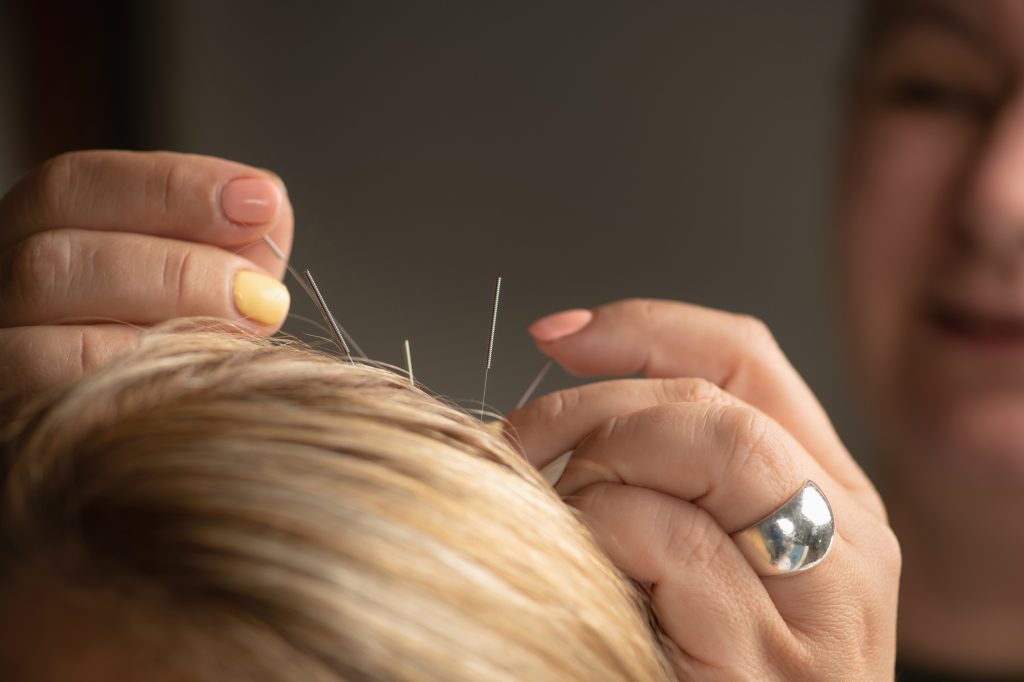
Acupuncture points are selected based on both local discomfort and systemic patterns. Needles may be placed near the affected area to release muscular tension while additional points along meridians help regulate energy flow and reduce inflammation. The goal is not simply to numb pain but to encourage natural repair processes through improved circulation.
Many patients describe a sense of warmth, heaviness, or gentle relaxation during this phase, which reflects changes in nervous system activity. With regular sessions, strategic needle placement within Accupuncture for long term pain can help decrease sensitivity and improve movement without forcing the body beyond its limits.
Rest Phase and Nervous System Regulation
After needle placement, patients usually rest quietly for a period that allows the body to shift into a calmer physiological state. This rest phase is an important part of the therapy, as it supports parasympathetic activation, often referred to as the “rest and restore” response. For individuals dealing with chronic tension, this period of stillness can be just as valuable as the needles themselves.
During this time, breathing tends to slow and muscles gradually release accumulated stress. Regular exposure to this regulated state may help retrain how the nervous system processes pain signals, which is a key objective of Accupuncture for long term pain.
Aftercare Guidance and Lifestyle Support
Following the session, practitioners often provide simple recommendations such as gentle stretching, hydration, or posture adjustments. These suggestions are designed to reinforce the effects of treatment outside the clinic, helping maintain circulation and prevent tension from rebuilding too quickly.
Rather than imposing strict routines, aftercare advice usually focuses on sustainable habits that fit naturally into daily life. Over time, these small changes can complement acupuncture sessions, supporting gradual and realistic progress for people seeking Accupuncture for long term pain as a long-term management strategy.
Many patients feel reassured once they learn the full process. If you’re curious about the session experience itself, reading about what to expect during acupuncture can provide a clearer picture before booking your first appointment.
Scientific Insights Behind Acupuncture and Chronic Pain
Modern research increasingly supports acupuncture as a complementary approach for managing persistent discomfort.
Health organisations such as the National Center for Complementary and Integrative Health highlight that acupuncture may influence endorphin release, improve circulation, and regulate pain signals through the nervous system.
Observed Clinical Benefits
Reduced muscle stiffness
Improved mobility
Lower stress-related tension
Better sleep quality
A small observational review within TCM clinics found that patients receiving weekly acupuncture sessions for eight weeks reported noticeable improvements in movement comfort compared to irregular treatment schedules.
Personalised Treatment: Why One Size Doesn’t Fit All
No two people experience chronic pain in exactly the same way. TCM practitioners tailor treatment based on patterns rather than symptoms alone.
Factors Considered During Diagnosis
Location and duration of pain
Emotional stress levels
Digestive health and energy patterns
Sleep quality and lifestyle habits
For readers interested in how acupuncture sessions are structured professionally, the overview of TCM acupuncture services at G&G TCM explains how treatments are customised to individual needs rather than delivered as a generic protocol.
Realistic Expectations: What Progress Looks Like Over Time
Many people begin Accupuncture for long term pain expecting fast results, especially if they have experienced temporary relief from medication or massage in the past. However, acupuncture works by gradually influencing circulation, nervous system regulation, and muscular balance. Early sessions may focus more on calming tension and improving relaxation rather than eliminating pain completely. This steady progression allows the body to adapt safely, which is why noticeable changes often appear in stages rather than all at once.
As treatment continues, patients commonly observe improvements beyond the primary pain area. Better sleep quality, reduced stress sensitivity, or improved posture awareness can emerge alongside physical relief. These subtle shifts indicate that the body is responding holistically to Accupuncture for long term pain, supporting long-term stability instead of short-lived comfort.
Treatment Stage
Typical Experience
Explanation
Week 1–2
Relaxation and slight relief
Nervous system adapts
Week 3–5
Reduced stiffness
Improved circulation
Ongoing care
Stable comfort
Balanced muscle patterns
Understanding these phases helps set realistic expectations. During the first weeks, acupuncture may primarily reduce muscular guarding and regulate stress responses, which creates a foundation for deeper physical changes later. By the mid-stage, improved blood flow can support tissue recovery and flexibility, while ongoing sessions help maintain balanced movement patterns and prevent flare-ups, a key goal of Accupuncture for long term pain strategies.
Case Insight
A patient with chronic shoulder tension from desk work reported gradual improvement after consistent acupuncture sessions combined with posture adjustments. By the sixth session, range of motion increased and headaches reduced significantly. This type of outcome reflects how combining clinical treatment with daily habit changes can amplify results, especially when long-standing muscle strain is involved.
Cases like this also highlight that progress is rarely linear. Some sessions may feel more noticeable than others, depending on stress levels or physical workload during the week. Within Accupuncture for long term pain, practitioners often reassess treatment points regularly to match these fluctuations, ensuring that therapy remains aligned with the patient’s evolving needs.
Pro tips: Track small changes such as sleep quality or flexibility. Progress is often subtle at first.
Lifestyle Habits That Enhance Acupuncture Results
Treatment works best when supported by simple daily adjustments.
Helpful Habits
Gentle stretching rather than intense workouts
Warm meals that support circulation
Consistent sleep routines
Mindful breathing to reduce tension
These habits align with TCM’s goal of restoring internal balance rather than relying solely on treatment sessions.
Conclusion: A Balanced Path Forward With Accupuncture for Long Term Pain
Understanding accupuncture for long term pain means recognising that lasting relief rarely comes from quick fixes alone. By supporting circulation, calming the nervous system, and addressing underlying imbalances, acupuncture offers a gradual and sustainable approach to managing chronic discomfort.
If you’re considering a holistic path toward better mobility and comfort, many people begin by exploring the treatment philosophy shared through the G&G TCM official website. Learning directly from experienced practitioners can help you decide whether acupuncture fits into your long-term health plan.
Actionable Steps to Get Started
Reflect on your main sources of discomfort
Learn how TCM approaches chronic pain
Start with a consultation-focused session
Stay consistent and observe gradual changes
FAQs Section
How many sessions are usually needed?
The number of sessions depends on how long the pain has been present, the underlying cause, and how the body responds to treatment. Many practitioners recommend starting with weekly visits so changes can be monitored consistently. In Accupuncture for long term pain, early sessions often focus on regulating the nervous system and improving circulation, while later sessions may shift toward maintaining stability and preventing flare-ups. Some people notice gradual progress within a few weeks, while more complex conditions may require a longer treatment plan.
Is acupuncture safe for ongoing treatment?
When performed by qualified practitioners using sterile, single-use needles, acupuncture is generally considered safe for long-term care. Sessions are typically adjusted to suit the patient’s condition, energy levels, and sensitivity, which helps reduce discomfort during treatment. Because Accupuncture for long term pain often involves repeated sessions, practitioners monitor how the body responds over time, making small adjustments to maintain both safety and effectiveness.
Does it replace medical treatment?
Acupuncture is commonly used as a complementary therapy rather than a substitute for conventional medical care. Many people integrate it with physiotherapy, medication, or rehabilitation programs to support a more balanced recovery process. The goal of Accupuncture for long term pain is to enhance the body’s natural regulation, such as reducing muscle tension or calming stress responses, while allowing patients to continue working with their primary healthcare providers
Will the needles hurt if my pain is severe?
Most patients describe the sensation as mild, often feeling warmth, tingling, or gentle pressure instead of sharp pain. Practitioners select needle depth and placement carefully, especially when working around sensitive areas. For individuals experiencing severe discomfort, the treatment approach is usually gentle and gradual, helping the body relax rather than triggering additional tension, an important aspect of Accupuncture for long term pain therapy
Can acupuncture help pain caused by stress?
Yes. In Traditional Chinese Medicine, emotional strain is closely connected to muscle tightness and disrupted Qi flow. Stress can keep the nervous system in a heightened state, which may amplify existing pain or create persistent tension patterns. Acupuncture aims to calm this response by stimulating points that encourage relaxation and balance, allowing both the mind and body to release accumulated strain. Over time, many people find that Accupuncture for long term pain not only eases physical symptoms but also improves overall resilience to daily stress
TCM treatment for bloating is often explored by people who feel they have tried countless diets, supplements, or quick fixes without lasting relief. While modern approaches may focus only on reducing gas or easing stomach pressure, Traditional Chinese Medicine looks deeper, viewing persistent bloating as a message from the body that internal balance needs attention. This perspective shifts the focus from temporary symptom control toward understanding patterns such as stress, irregular eating habits, and digestive weakness that may gradually disrupt overall wellbeing.
For many individuals, the turning point comes when they begin to see bloating not as an isolated digestive issue but as part of a broader health picture. Through a personalised TCM treatment for bloating, holistic methods aim to support long-term comfort by addressing underlying imbalances rather than masking discomfort. Before diving into specific therapies and explanations, it’s helpful to start with a clear overview of what this approach truly involves and how it differs from conventional symptom-focused care
TCM Treatment for Bloating: A Clear Overview of What It Really Means
TCM treatment for bloating focuses on understanding digestive discomfort as a sign of imbalance rather than just a temporary symptom. In Traditional Chinese Medicine (TCM), bloating is often linked to disrupted Qi flow, weakened digestive function, or internal dampness that slows down the body’s natural processing system. Rather than viewing the abdomen in isolation, this perspective considers how organ systems communicate through energy pathways, influencing how food is transformed and transported throughout the body.
Instead of treating bloating as a single issue, practitioners look at lifestyle, stress patterns, eating habits, and energy balance. This broader perspective allows treatment plans to be tailored to each individual rather than relying on a one-size-fits-all solution. Over time, this personalised approach can help people recognise subtle triggers, such as irregular meal timing or prolonged emotional tension, that may quietly contribute to digestive discomfort.
If you’re new to holistic digestive care, it helps to first understand how TCM integrates herbal prescriptions, acupuncture, and dietary guidance within a unified approach. Many people begin exploring these principles through the insights shared on the G&G TCM, where digestive health is positioned as part of a larger wellness framework. When combined thoughtfully, these therapies aim to support the body’s self-regulating capacity rather than simply suppressing symptoms.
Why Bloating Happens From a TCM Perspective
In Western medicine, bloating is often explained through gas buildup or food sensitivity. TCM adds another layer by examining how internal energy systems influence digestion. From this viewpoint, discomfort may arise when the body’s natural movement of Qi becomes constrained, causing fluids and food essence to accumulate instead of being efficiently transformed.
Common TCM Patterns Linked to Bloating
Spleen Qi deficiency leading to sluggish digestion
Liver Qi stagnation triggered by stress
Dampness accumulation from heavy or cold foods
Weak digestive fire affecting nutrient transformation
Rather than focusing only on the stomach, practitioners assess the whole body to determine which system is out of balance.
Understanding these patterns helps explain why TCM treatment for bloating often varies from person to person. For example, someone experiencing stress-related bloating may benefit from therapies that promote smoother Qi circulation, while another individual with low digestive energy might require warming dietary strategies and herbal support. This layered diagnostic process reflects one of the core principles of TCM: symptoms are clues, not final answers. By identifying the root imbalance, TCM treatment for bloating aims to encourage long-term digestive resilience rather than short-term relief alone.
Pro tips: Persistent bloating may reflect an underlying imbalance rather than just diet alone.
How TCM Treatment for Bloating Works in Practice
In real clinical settings, TCM treatment for bloating is rarely a single-session solution. Instead, it unfolds as a gradual process that begins with understanding the patient’s overall constitution and daily habits. Practitioners observe how digestion responds to stress, sleep quality, emotional patterns, and even seasonal changes, because these factors influence how Qi moves through the digestive system. This comprehensive assessment helps ensure that treatment addresses root imbalances rather than only reducing surface-level discomfort.
Another important aspect of practical care is flexibility. As the body responds to herbs, acupuncture, or dietary adjustments, practitioners often refine the treatment plan to match changing symptoms. This dynamic approach reflects a core principle of Traditional Chinese Medicine — that healing is not linear. By adapting strategies over time, TCM treatment for bloating aims to support sustainable digestive balance instead of short-term symptom suppression.
Step-by-Step Treatment Approach
Detailed Consultation and Symptom Mapping
The first stage usually involves an in-depth consultation covering sleep patterns, stress levels, appetite, and bowel habits. Practitioners may ask questions that seem unrelated to digestion, such as energy fluctuations throughout the day or sensitivity to cold foods. These details help reveal underlying disharmony, which is essential for building an accurate diagnosis within TCM treatment for bloating.
This extended conversation also creates a clearer picture of lifestyle influences. For instance, irregular meal schedules or prolonged mental strain may contribute to Liver Qi stagnation, while chronic fatigue might indicate weakened Spleen function. By identifying these patterns early, practitioners can design a treatment strategy that reflects the individual rather than a generalised digestive protocol.
Pulse and Tongue Diagnosis
Pulse and tongue assessment are traditional diagnostic tools used to evaluate internal balance. The pulse may indicate whether Qi is weak, stagnant, or excessive, while tongue colour, coating, and shape provide clues about dampness, heat, or digestive weakness. These observations help refine the practitioner’s understanding beyond what symptoms alone can reveal.
Although these methods may seem unfamiliar to newcomers, they serve as a structured framework for analysing how the body processes food and fluids. Over multiple sessions, subtle changes in pulse quality or tongue appearance can guide adjustments to the ongoing TCM treatment for bloating, ensuring that therapies evolve alongside the patient’s progress.
Personalised Herbal or Acupuncture Planning
After diagnosis, a tailored plan may include herbal medicine, acupuncture, or a combination of both. Herbal formulas are often selected to strengthen digestive energy, move stagnant Qi, or resolve internal dampness depending on the identified pattern. Acupuncture, meanwhile, may target specific meridian points that help regulate digestive function and calm the nervous system.
Personalisation is essential because two people with similar bloating symptoms may have entirely different underlying causes. One patient might benefit from warming herbs that support digestive fire, while another requires formulas that disperse stagnation. This customised planning is a defining feature of TCM treatment for bloating, emphasising individual balance rather than universal remedies.
Lifestyle and Dietary Adjustments for Recovery
Lifestyle guidance is usually introduced alongside clinical therapies. Recommendations may include mindful eating practices, reducing cold or greasy foods, and adjusting daily routines to support smoother Qi flow. These changes are designed to complement herbal and acupuncture treatments rather than replace them.
Over time, small adjustments, such as eating at consistent hours or managing stress through gentle movement, can significantly influence digestive resilience. Practitioners often review these habits during follow-up visits, refining advice based on how the body responds. This integrated approach highlights how TCM treatment for bloating extends beyond the clinic, encouraging sustainable habits that support long-term comfort.
Herbal Medicine and TCM Prescription for Digestive Support
One of the most common approaches within TCM treatment for bloating involves customised herbal formulas. These blends are carefully selected to match specific diagnostic patterns, aiming to restore digestive harmony while supporting the body’s natural regulatory systems.
Why Herbal Prescriptions Are Personalised
Different bloating patterns require different herbs
Some formulas strengthen digestion, others regulate Qi
Adjustments are made based on progress over time
Because no two digestive patterns are identical, herbal prescriptions are often modified as symptoms evolve. Practitioners monitor changes in appetite, energy levels, and abdominal comfort to determine whether a formula should be strengthened, reduced, or replaced. This gradual fine-tuning allows TCM treatment for bloating to remain responsive and precise, supporting long-term digestive balance rather than relying on static remedies.
For readers curious about how personalised formulas are structured and monitored, the explanation of TCM prescription services offers insight into how practitioners tailor herbal treatments to individual needs.
The Role of Acupuncture and Physical Therapies in Digestive Balance
Although herbs are central, acupuncture often complements treatment by supporting circulation and calming the nervous system.
Benefits Observed in Digestive Care
Reduced abdominal tension
Improved bowel movement rhythm
Lower stress-related digestive discomfort
In some cases, patients exploring digestive therapies also learn about structural treatments such as bone setting in TCM, which highlights how posture and musculoskeletal balance can influence internal organ function. While different from digestive therapy, this connection reflects the holistic philosophy behind TCM.
Scientific Insights and Modern Research on TCM for Digestive Health
Modern studies increasingly explore how herbal medicine and acupuncture influence gastrointestinal function.
According to digestive health resources such as the National Institute of Diabetes and Digestive and Kidney Diseases, stress and nervous system regulation play a significant role in bloating and digestive discomfort. TCM approaches often address these factors simultaneously through holistic care.
Observational Case Insight
A patient experiencing daily bloating after meals followed a personalised herbal regimen combined with dietary adjustments. Over six weeks, abdominal pressure decreased and energy levels improved, demonstrating how gradual regulation often leads to lasting change.
Lifestyle Adjustments That Enhance TCM Treatment for Bloating
Treatment works best when combined with supportive daily habits.
Simple Lifestyle Strategies
Eat warm, cooked meals instead of cold foods
Avoid rushing through meals
Maintain regular sleep patterns
Manage stress through gentle movement or breathing exercises
These adjustments align with TCM’s philosophy of restoring harmony between body systems.
What Results Typically Look Like Over Time
Many people begin TCM treatment for bloating hoping for immediate relief, especially if they have already tried restrictive diets or short-term remedies. However, Traditional Chinese Medicine approaches digestive healing as a gradual rebalancing process. Early sessions often focus on regulating Qi movement and supporting weakened digestive energy, which may feel subtle at first. Rather than dramatic overnight changes, patients commonly notice small shifts such as reduced heaviness, improved appetite awareness, or more comfortable digestion after certain meals.
As treatment continues, the body typically adapts to the combined effects of herbal medicine, acupuncture, and lifestyle adjustments. This progressive response reflects how TCM aims to restore functional harmony instead of forcing quick symptom suppression. Over time, consistent care can help stabilise internal systems, allowing digestion to become more resilient to stress, irregular eating patterns, or seasonal changes, outcomes that many people discover only after committing to a structured TCM treatment for bloating plan.
Treatment Phase
Common Experience
Reason
Early sessions
Mild digestive ease
Qi regulation begins
Mid-stage care
Less fullness after meals
Improved transformation of food
Ongoing support
Stable digestion
Balanced internal systems
These stages illustrate why patience is often emphasised within TCM philosophy. The early phase builds the foundation by encouraging smoother energy flow, while the mid-stage supports stronger digestive transformation, a concept referring to how the body extracts nutrients and distributes energy efficiently. During ongoing support, practitioners may adjust treatment frequency or herbal formulas to maintain balance, ensuring that improvements remain steady rather than temporary
Pro tips: Small, consistent improvements are often more sustainable than sudden changes.
Conclusion: A Holistic Way Forward With TCM Treatment for Bloating
Understanding TCM treatment for bloating means recognising that digestive discomfort is often connected to broader imbalances in the body. Through personalised herbal prescriptions, acupuncture, and supportive lifestyle changes, TCM aims to restore harmony rather than simply suppress symptoms.
If you’re considering a more natural and structured approach to digestive wellness, many people begin by exploring the philosophy and treatment options outlined on the G&G TCM official website. Learning directly from experienced practitioners can help you decide whether a holistic TCM approach aligns with your health goals.
Actionable Steps to Get Started
Observe when bloating occurs and note patterns
Learn how diet and stress affect digestion
Seek personalised TCM consultation
Follow treatment consistently and track progress
FAQs Section
How long does it take to see improvement?
The timeline varies because each person’s digestive imbalance develops differently. Some individuals notice lighter digestion, reduced pressure, or improved bowel patterns within a few weeks, while deeper patterns may take longer to stabilise. In TCM treatment for bloating, early progress is often subtle, such as feeling less heavy after meals or having more consistent energy, before more noticeable digestive comfort develops over time. Consistency with appointments, herbs, and lifestyle adjustments usually plays a significant role in how quickly changes appear.
Are herbal prescriptions safe?
When prescribed by qualified TCM practitioners, herbal formulas are selected according to an individual’s constitution, symptoms, and overall health profile. Practitioners typically adjust ingredients and dosage as the body responds, which helps maintain safety and effectiveness. Rather than using a fixed supplement, TCM treatment for bloating relies on customised formulas that evolve with the patient’s progress, and regular monitoring helps minimise unwanted reactions while supporting digestive balance.
Can stress cause bloating in TCM theory?
Yes. In TCM, emotional stress is closely connected to Liver Qi stagnation, a pattern that can disrupt the smooth movement of energy through the digestive system. When Qi becomes constrained, the Spleen and stomach may struggle to transform food efficiently, leading to fullness, gas, or fluctuating appetite. This mind–body relationship is why many TCM treatment plans include relaxation strategies or acupuncture points that help regulate both emotional tension and digestive function simultaneously.
Do I need to change my diet completely?
Complete dietary overhauls are rarely necessary. Instead, practitioners usually recommend small, targeted adjustments, such as eating at regular times, limiting overly cold or greasy foods, or choosing meals that suit your digestive pattern. These gradual changes are designed to support the body without creating unnecessary restriction. Within TCM treatment for bloating, sustainable habits tend to be more effective than strict diets that are difficult to maintain long term.
Is acupuncture always required?
Not always. Some people respond well to herbal medicine and lifestyle guidance alone, especially if their symptoms are mild or primarily related to diet and daily routines. Others may benefit from acupuncture to help regulate Qi flow, ease tension, and enhance digestive function. Treatment plans are typically flexible, meaning practitioners choose therapies based on the individual’s condition, comfort level, and response to previous sessions rather than applying a fixed method to everyone.
What to expect during acupuncture is often the first question people ask before booking their initial session. Most aren’t worried about effectiveness; they’re more concerned about the experience itself. Will it hurt? Will it feel awkward? Will they know what to do? These questions are completely natural, especially for first-time visitors who want a calm, no-surprises introduction to treatment.
In reality, acupuncture sessions are designed to be calm, structured, and predictable. Rooted in Traditional Chinese Medicine (TCM), acupuncture focuses on stimulating specific points in the body to support circulation, nerve regulation, and muscular balance. Rather than forcing change, the treatment encourages the body to respond naturally. Understanding what to expect during acupuncture helps many people realise that sessions are typically gentle, unhurried, and guided step by step by the practitioner.
For those who prefer understanding the bigger picture before focusing on one therapy, it can help to explore how acupuncture fits into a broader wellness framework. This approach is clearly explained on the G&G TCM, where acupuncture is presented as part of a holistic and patient-centred system. Seeing how treatments are planned within this wider context often reassures first-time patients that their session will follow a clear and thoughtful structure.
Why Knowing the Process Makes Your First Session Feel Easier
Uncertainty is usually what causes anxiety, not the treatment itself. Knowing what to expect during acupuncture removes that tension before you even lie down. When the process is explained in advance, the body naturally relaxes, allowing the session to feel more comfortable and focused.
Common First-Time Concerns
Will the needles hurt?
How long will I be there?
Do I need to prepare anything?
What sensations are normal?
Once these questions are answered, most people feel noticeably more at ease. Clear explanations help set realistic expectations, making it easier to relax during the resting phase of treatment and notice subtle sensations without worry.
Pro tips: Arriving informed often leads to a more relaxed and effective session.
Step-by-Step: What Actually Happens During an Acupuncture Session
1. Consultation and Health Review
The session typically begins with a comprehensive consultation that goes beyond surface-level symptoms. Practitioners often evaluate lifestyle habits, musculoskeletal posture, emotional stress, digestion, and sleep quality to understand the body as an interconnected system. This broader assessment helps reveal patterns that may influence how the nervous system responds to treatment.
From a clinical perspective, this holistic intake allows the practitioner to identify functional imbalances related to the autonomic nervous system and inflammatory responses rather than focusing solely on a single complaint. Questions about past injuries, recurring discomfort, or chronic fatigue may also be included to build a clearer picture of overall health.
For first-time patients exploring What to expect during acupuncture, this stage often feels similar to a detailed wellness consultation. It sets the foundation for a personalised treatment approach designed to address underlying causes rather than temporary symptoms.
2. Point Selection and Setup
After the assessment, the practitioner selects acupuncture points using both traditional meridian theory and modern anatomical knowledge. Research suggests that many commonly used points align with areas rich in nerve endings, fascia networks, or vascular pathways that influence circulation and neuromuscular signalling.
The setup phase may involve adjusting posture, supporting joints with cushions, and observing breathing patterns to ensure comfort before treatment begins. These small adjustments help reduce muscular guarding and create a more stable environment for precise needle placement.
Understanding What to expect during acupuncture at this stage often reduces uncertainty. Patients begin to see that point selection is carefully planned to support nervous system regulation, muscle relaxation, and improved microcirculation rather than producing intense sensations.
3. Gentle Needle Placement
During insertion, single-use sterile needles, much thinner than hypodermic needles, are applied with controlled precision. Physiologically, this stimulation activates sensory nerve fibers that may encourage the release of endorphins and influence pain-processing pathways within the brain and spinal cord.
Most individuals experience only minimal sensations such as light tingling, warmth, or a subtle pressure known as “deqi.” This response is generally brief and reflects neuromodulation rather than tissue damage.
For those learning What to expect during acupuncture, this phase often feels surprisingly gentle, helping reduce fear or misconceptions about discomfort during treatment.
4. Resting and Regulation Phase
Once the needles are in place, patients enter a resting phase lasting approximately 15–25 minutes. During this time, many people shift toward parasympathetic dominance, the body’s “rest and digest” state, characterised by slower breathing, reduced muscle tension, and a calmer mental state.
Neurophysiology research suggests this quiet interval allows the nervous system to integrate sensory input while supporting stress reduction and improved circulation. The environment is usually calm and low-stimulation to encourage deeper relaxation.
For individuals curious about What to expect during acupuncture, this portion of the session often becomes the most restorative moment, offering a structured pause that promotes both physical and emotional balance.
Sensations You Might Feel During Acupuncture
Understanding physical sensations is a big part of knowing what to expect during acupuncture.
Common Experiences
Light heaviness around a point
Warmth spreading through muscles
Subtle tingling
Deep relaxation or drowsiness
These sensations are generally signs of improved circulation and nervous system response.
Independent health authorities such as the National Center for Complementary and Integrative Health also recognise acupuncture as a commonly used complementary approach for pain and tension management when performed by trained professionals.
Why Acupuncture Often Feels Deeply Relaxing
From a modern clinical perspective, acupuncture is believed to stimulate sensory nerves and encourage the release of endorphins. This helps reduce stress signals and muscle guarding.
Observed Benefits in Practice
Reduced muscle tension
Improved blood flow
Calmer breathing patterns
Better body awareness
For patients experiencing ongoing physical discomfort, especially muscular tightness, learning how acupuncture is applied in targeted cases can be helpful. This is often discussed in relation to acupuncture for muscle pain, where treatment focuses on releasing tension patterns rather than masking symptoms.
How Professional TCM Clinics Create a Safe Experience
Not all acupuncture sessions feel the same. Clinics that follow structured TCM protocols tend to offer more consistent and reassuring care.
Signs of a Well-Run Clinic
Thorough consultation before treatment
Single-use, sterile needles
Calm and private treatment rooms
Clear post-session guidance
If you’re curious how this structure works in practice, the explanation of TCM acupuncture services at G&G TCM provides insight into how treatments are tailored rather than standardised.
What Changes After Your First Acupuncture Session
Some people feel lighter immediately, while others notice changes over several sessions. Both responses are completely normal.
Short-Term Effects
Muscle relaxation
Mental calm
Easier movement
Typical Progress Over Time
Session Range
What You May Notice
Why It Happens
1–2 sessions
Relaxation
Nervous system adjustment
3–5 sessions
Reduced stiffness
Improved circulation
Ongoing care
Stable comfort
Balanced muscle response
Clinical observations within TCM settings consistently show better outcomes with consistent attendance rather than one-off visits.
How to Prepare Before Your Appointment
Preparation is simple and practical.
Easy Preparation Checklist
Eat a light meal beforehand
Wear loose, comfortable clothing
Avoid intense exercise just before
Arrive early to settle in
Pro tips: Good hydration helps your body respond more smoothly.
Conclusion: Feeling Calm and Prepared About What to Expect During Acupuncture
Understanding what to expect during acupuncture helps remove fear and replace it with confidence. Instead of imagining discomfort, you can approach your first session knowing it’s designed to be gentle, structured, and supportive.
For those considering acupuncture within a professional and holistic setting, learning directly from experienced practitioners often makes the decision clearer. Many people begin by exploring the philosophy and treatment approach shared through G&G TCM, which outlines how acupuncture supports long-term balance rather than quick fixes.
Actionable Next Steps
Reflect on your health goals
Learn how TCM views balance and recovery
Start with a consultation-focused session
Observe how your body responds over time
FAQs Section
Does acupuncture hurt?
Most people describe the sensation as mild pressure rather than pain because the needles used are extremely thin and flexible. When inserted correctly, they stimulate sensory receptors without causing tissue damage, which is why many patients feel only a brief tingling or warm sensation
How long does a session last?
Usually 45–60 minutes, including consultation time. The initial assessment, needle placement, and resting phase are all part of the therapeutic process, allowing the nervous system enough time to shift into a more relaxed, regulated state
Can I move cduring treatment?
Small adjustments are fine, but staying relatively still helps maintain accurate needle positioning and supports deeper relaxation. Excessive movement may interrupt the calming effect that develops during the session
Is feeling sleepy afterwards normal?
Yes, deep relaxation is very common. Acupuncture can activate the parasympathetic nervous system, which may leave you feeling calm, slightly tired, or mentally clearer for several hours after treatment
How many sessions should beginners plan for?
Many start with weekly sessions to observe gradual improvement. Consistency allows the body to adapt to the stimulation over time, which can be especially helpful when learning What to expect during acupuncture and monitoring subtle changes in stress, sleep, or muscle tension
Acupuncture for muscle pain is a therapeutic approach rooted in Traditional Chinese Medicine (TCM) that focuses on reducing muscle tension, improving circulation, and restoring balance within the body. Rather than targeting pain as an isolated symptom, acupuncture examines how posture, stress, movement patterns, and internal systems contribute to muscular discomfort. This broader perspective helps practitioners design treatments that aim for gradual regulation instead of short-term relief, which is one reason Acupuncture for muscle pain is often discussed as part of a long-term wellness strategy rather than a quick fix.
Muscle pain often develops quietly. Long hours of sitting, repetitive physical activity, emotional stress, or poor recovery habits can gradually restrict blood flow and create tension within muscle fibers. Acupuncture works by stimulating specific points along meridian pathways, encouraging muscles to relax naturally while supporting the body’s own healing response. Over time, consistent sessions may help improve flexibility, reduce stiffness, and promote a more balanced relationship between movement and recovery.
For readers who are new to holistic care, understanding how this approach fits into a broader wellness philosophy often begins by learning from the foundational principles shared on the G&G TCM homepage where acupuncture is explained as part of an integrated, patient-centered system. Exploring these principles can help readers recognise how lifestyle habits, emotional wellbeing, and physical health are often addressed together in a structured treatment plan.
Why Muscle Pain Often Persists Despite Rest or Medication
Many people assume muscle pain should disappear with rest or painkillers. However, persistent discomfort usually signals deeper imbalance. While rest may temporarily reduce strain, underlying tension patterns or postural habits can remain unchanged, allowing symptoms to return once normal activities resume.
Common Underlying Causes of Ongoing Muscle Pain
Restricted circulation from prolonged inactivity
Repetitive strain without adequate recovery
Stress-related muscle guarding
Poor posture affecting muscle alignment
Imbalanced movement patterns
These factors often interact with one another rather than occurring separately. For example, poor posture may increase muscle guarding, while emotional stress can intensify physical tension throughout the shoulders or lower back. From a clinical perspective, Acupuncture for muscle pain aims to support circulation and nervous system regulation so muscles can gradually release chronic tightness instead of repeatedly returning to the same pattern.
From a TCM perspective, muscle pain is often linked to stagnation. When circulation and nerve communication are limited, muscles remain tight even when external stress is removed. This interpretation encourages a more patient, consistent approach to recovery, where progress is measured not only by reduced discomfort but also by improved movement quality and overall balance.
Pro tips: If muscle pain keeps returning, the body may be asking for regulation, not suppression.
How Acupuncture for Muscle Pain Works in Real Clinical Practice
Acupuncture influences muscle pain by interacting with both the nervous system and circulatory pathways. The goal is not forced relaxation, but guided release. In many clinical settings, practitioners observe how muscle tension relates to breathing patterns, posture, and daily movement habits so that each session supports gradual improvement rather than temporary relief. This is why Acupuncture for muscle pain is often structured as a process that evolves across several visits instead of a single standalone treatment.
Step-by-Step Treatment Flow
In-depth consultation and physical assessment
Identification of tension patterns and affected meridians
Precise needle placement around related muscle groups
Resting phase to allow neuromuscular response
Post-treatment guidance for movement and recovery
Each step plays a specific role in helping the body shift out of chronic tension. The consultation builds a foundation for accurate diagnosis, while the resting phase allows the nervous system to adapt to stimulation without interruption. Post-treatment guidance is equally important, as gentle stretching, hydration, and posture awareness can help maintain the benefits achieved during the session.
Many patients describe sensations such as warmth, heaviness, or gentle pulsing as muscles begin to relax during treatment. These responses are often interpreted as signs that circulation is improving and the body is transitioning into a calmer, more regulated state.
Types of Muscle Pain Commonly Addressed with Acupuncture
Although muscle pain varies widely, acupuncture is often used to support recovery across multiple conditions. Practitioners typically adjust techniques depending on whether the discomfort is acute, chronic, or related to repetitive strain, ensuring that treatment intensity matches the body’s tolerance.
Frequently Treated Muscle-Related Issues
Neck and shoulder stiffness
Lower back muscle tightness
Sports-related muscle strain
Jaw and facial tension
Repetitive work-related soreness
These conditions may share similar underlying patterns, such as reduced circulation or prolonged muscular guarding. Through consistent sessions, Acupuncture for muscle pain aims to help muscles release tension gradually while encouraging more balanced movement habits. Patients are often advised to combine treatment with ergonomic adjustments or gentle strengthening exercises to support long-term results.
According to clinical observations and musculoskeletal studies, acupuncture has shown positive outcomes in reducing muscle tightness and improving range of motion when applied consistently. Research summaries from the National Center for Complementary and Integrative Health also highlight acupuncture as a commonly used complementary therapy for musculoskeletal pain, reinforcing its role as part of a broader integrative care approach rather than a standalone solution.
Why Holistic TCM Expertise Matters for Muscle Recovery
The effectiveness of acupuncture for muscle pain depends heavily on the practitioner’s understanding of whole-body balance. Instead of focusing only on the painful area, experienced TCM practitioners evaluate how different systems interact. This broader perspective allows treatments to address underlying tension patterns, emotional stress, and movement habits simultaneously, which is why Acupuncture for muscle pain is often described as a layered therapeutic approach rather than a single technique.
Expertise Areas Often Integrated in Treatment
Muscle-focused acupuncture techniques
Tuina therapy for soft tissue support
Meridian-based circulation strategies
Preventive lifestyle and posture guidance
When these elements are combined thoughtfully, they create a more comprehensive recovery pathway. Muscle-focused needling may help release localized tightness, while Tuina therapy supports circulation and tissue mobility. Meridian strategies aim to improve internal balance, and lifestyle guidance helps patients maintain progress between sessions, reducing the likelihood of recurring tension.
For those who want a clearer view of how these treatments are structured in practice, exploring detailed explanations of TCM acupuncture services can help illustrate how muscle pain care fits into a comprehensive treatment framework. Understanding this structure often reassures patients that each session follows a clear therapeutic intention rather than a generic routine.
Clinical Insight: What Results Usually Look Like Over Time
Unlike instant pain relief solutions, acupuncture works cumulatively. Progress is often gradual, with subtle improvements in movement quality, sleep comfort, and muscle relaxation appearing before pain levels noticeably decrease.
Observed Trends from Musculoskeletal Care
Around 60–75% of patients report reduced muscle tension after multiple sessions
Flexibility improvements often appear after four to six treatments
Stress-related muscle pain responds best with combined lifestyle adjustments
These trends highlight the importance of consistency and realistic expectations. Rather than eliminating discomfort overnight, Acupuncture for muscle pain aims to encourage steady regulation of the nervous system and circulation, allowing the body to rebuild healthier movement patterns over time
Short Case Narrative
An office worker with chronic shoulder tension attended weekly acupuncture sessions while adjusting posture habits. Over six weeks, stiffness decreased, morning mobility improved, and daily discomfort became less frequent. This type of gradual progress reflects how small, consistent changes, both during treatment and in daily routines, can support sustainable muscle recovery without placing excessive strain on the body.
How to Know If Acupuncture for Muscle Pain Is Right for You
Acupuncture may be especially suitable if muscle pain feels persistent or recurrent.
You May Benefit If You Experience
Muscle tightness without a clear injury
Pain that worsens during stress
Limited mobility despite rest
Recurrent discomfort in the same areas
When evaluating care options, some readers find it helpful to understand how quality clinics approach treatment standards. Insights on what defines the best acupuncture clinic in Singapore can provide useful context when choosing a provider focused on long-term results.
Conclusion: A Smarter, More Sustainable Way to Approach Acupuncture for Muscle Pain
Choosing acupuncture for muscle pain is not about chasing instant relief, but about supporting the body’s natural recovery process. When guided by experienced TCM practitioners, acupuncture helps reduce tension, improve circulation, and restore muscle balance gradually.
For readers seeking a structured and professional approach, learning directly from a clinic that integrates education, experience, and holistic care can provide clarity. Many people begin by exploring the resources available on the G&G TCM where acupuncture for muscle pain is positioned as part of a long-term wellness strategy rather than a temporary solution.
Actionable Steps You Can Take
Identify recurring muscle pain patterns
Observe how posture and stress affect discomfort
Learn basic TCM principles related to muscle balance
Begin with consultation-focused acupuncture care
Support treatment with daily movement and recovery habits
FAQs Section
How many sessions are usually needed?
Most people notice gradual improvement after three to five sessions, depending on severity and duration. Acute muscle strain may respond faster, while long-standing tension patterns often require a more consistent treatment schedule so the body has time to adjust and stabilise.
Is acupuncture painful for muscle issues?
The needles are very fine, and sensations are usually mild rather than painful. Some patients feel a dull pressure, warmth, or gentle tingling as muscles begin to release, which is commonly associated with the therapeutic response during Acupuncture for muscle pain.
Can acupuncture help stress-related muscle tension?
Yes. Muscle tightness linked to stress often responds well when acupuncture supports nervous system regulation. By encouraging relaxation and improving circulation, treatments may help reduce the cycle where emotional tension leads to physical stiffness.
Should I rest after treatment?
Light movement is encouraged, while intense exercise may be postponed briefly. Gentle walking or stretching can help maintain circulation after a session, allowing the muscles to adapt without being overstressed.
Can acupuncture be combined with other therapies?
Yes. It is often integrated with stretching, posture correction, or manual therapies. Combining approaches thoughtfully can enhance recovery by addressing both the muscular symptoms and the movement habits that contribute to ongoing discomfort.
best acupuncture clinic in Singapore, if people ask about that, they are often searching for something deeper than convenience or popularity. Many want a place that feels professional, calm, and focused on long-term balance rather than quick temporary fixes. People today are becoming more mindful of how their physical health connects with emotional wellbeing, which is why the idea of choosing the best acupuncture clinic in Singapore often goes beyond location or price, it reflects a desire for consistent, personalised care that supports sustainable wellness.
Acupuncture, as part of Traditional Chinese Medicine (TCM), works by stimulating specific meridian points to help regulate circulation, reduce tension, and restore internal harmony. Instead of separating symptoms from lifestyle factors, practitioners observe how sleep patterns, stress levels, posture, and digestion interact together. In many modern clinical environments, this holistic assessment is combined with structured consultations so treatments feel both traditional and evidence-aware. This balanced approach is one reason why conversations about the best acupuncture clinic in Singapore frequently highlight practitioner experience, diagnostic methods, and patient comfort rather than just treatment speed.
For readers who are new to holistic TCM care, exploring the philosophy shared on the G&G TCM homepage can help build a clearer understanding of how personalised wellness is approached in a clinical setting. Understanding how practitioners explain treatment plans, expected progress, and lifestyle adjustments can also help first-time visitors feel more confident before scheduling their initial consultation.
Why Acupuncture Continues to Gain Attention in Singapore
Life in a fast-moving city often brings physical strain and mental fatigue. Many individuals begin searching for natural therapies that support recovery without overwhelming the body. As awareness of preventive healthcare grows, acupuncture is increasingly viewed not only as a solution for discomfort but also as a method for maintaining balance during demanding routines. This shift in perspective explains why discussions around the best acupuncture clinic in Singapore now include atmosphere, communication style, and continuity of care, not only treatment results.
Common Reasons People Seek Acupuncture
Persistent neck and shoulder tension
Stress related fatigue
Sleep imbalance
Headaches and muscle stiffness
Preventive wellness goals
While these reasons may appear simple, practitioners often evaluate underlying patterns rather than treating each concern separately. For example, neck tension may be linked to prolonged screen use, while sleep imbalance might relate to stress or irregular daily rhythms. A thoughtful consultation process helps ensure that treatment points, session frequency, and lifestyle suggestions align with each individual’s needs instead of following a generic protocol.
International health discussions also highlight acupuncture as a complementary therapy used worldwide. Educational information from the World Health Organization on traditional and complementary medicine offers broader context on how acupuncture fits into modern wellness conversations. This global recognition encourages clinics to maintain higher standards of hygiene, communication, and patient education, factors that many people associate with finding the best acupuncture clinic in Singapore.
How Acupuncture Works in Everyday Practice
For many beginners, acupuncture sounds complex, but the process itself is usually calm and structured.
Typical Treatment Flow
Personal consultation and assessment
Identification of meridian points
Gentle needle placement
Resting phase to allow response
Lifestyle guidance after treatment
Most patients describe a mild warming or relaxing sensation rather than discomfort during treatment.
What Quietly Defines the Best Acupuncture Clinic in Singapore
Clinics that truly stand out rarely rely on bold claims. Their strength lies in consistent communication and thoughtful treatment planning. When people search for the best acupuncture clinic in Singapore, they often realise that genuine quality is reflected through small but meaningful details, such as how practitioners listen carefully, explain each step clearly, and adjust treatments based on long-term progress rather than quick promises.
Subtle Signs of Quality Care
Detailed consultation before treatment
Individualised therapy plans
Holistic TCM philosophy
Calm and professional environment
These elements may appear subtle, yet they shape how patients experience care from the very first visit. A thorough consultation helps practitioners understand daily habits and underlying imbalances, while personalised therapy plans encourage gradual improvement that feels realistic and sustainable. Over time, this thoughtful approach can build trust and make each session feel more purposeful instead of routine.
Aspect
Standard Visit
Holistic TCM Approach
Consultation
Basic overview
Comprehensive assessment
Treatment focus
Immediate symptoms
Long term balance
Patient education
Limited
Continuous guidance
Follow up
Minimal
Structured advice
The comparison above shows how a holistic TCM framework expands beyond a single appointment. Rather than focusing only on immediate discomfort, practitioners aim to support balance through education, structured follow-ups, and consistent guidance. This broader perspective often helps patients feel more involved in their own wellness journey and understand how lifestyle choices influence treatment outcomes.
Pro tips: A clinic that explains the reasoning behind each treatment point often aims for sustainable outcomes.
Conditions Often Supported Through Acupuncture
Although acupuncture is widely known for pain relief, many patients explore it for broader wellness concerns. In modern urban lifestyles, people increasingly look for therapies that address both physical discomfort and internal balance, which is why discussions around the best acupuncture clinic in Singapore often include how well a clinic understands whole-body wellbeing rather than focusing on a single symptom.
Commonly Addressed Issues
Muscle tension and stiffness
Low energy levels
Digestive imbalance
Emotional stress
Postural strain from desk work
These concerns are frequently interconnected rather than isolated. For example, prolonged desk work may contribute to muscle stiffness, which can then affect sleep quality and energy levels. Acupuncture sessions are often structured to gradually rebalance these patterns, combining targeted needle placement with lifestyle awareness so progress feels steady instead of rushed.
Some educational resources discuss how acupuncture may help restore energy levels gradually. One helpful example explains acupuncture for exhaustion and how fatigue is interpreted through a TCM perspective without oversimplifying the process. Understanding fatigue through this lens helps patients recognise that recovery may involve multiple sessions and supportive habits rather than a single quick solution.
The Role of TCM Philosophy in Treatment Quality
The best acupuncture clinic in Singapore often stands out because of its deep understanding of body balance. Practitioners look beyond surface symptoms and consider how emotional stress, movement habits, and internal rhythms affect recovery. This broader perspective encourages a treatment plan that evolves over time, helping patients feel supported through both short-term discomfort and long-term wellness goals.
Expertise Areas Often Integrated
Acupuncture for muscle relaxation
Tuina therapy support
Herbal wellness guidance
Preventive lifestyle advice
When these therapies are integrated thoughtfully, they create a more comprehensive care experience. Muscle relaxation techniques may be complemented by Tuina to improve circulation, while herbal guidance and lifestyle advice aim to sustain results between sessions. This layered approach is often what people notice when visiting a clinic that emphasises holistic care rather than isolated treatments.
Readers who want a clearer picture of how acupuncture fits into a structured treatment system can explore detailed explanations of TCM acupuncture services to see how therapies are applied in real clinical practice. Learning how different modalities work together can also help patients set realistic expectations and better understand the philosophy behind personalised TCM care.
Real World Insight: Why Progress Is Often Gradual
Acupuncture works through cumulative response rather than instant transformation.
Observed Wellness Trends
Around 60 to 70 percent of patients report reduced muscle tension after consistent sessions
Improved sleep patterns often appear gradually
Lifestyle adjustments enhance treatment results
A common example involves office workers experiencing slow but steady improvement such as better focus, reduced stiffness, and deeper rest over several weeks.
Conclusion: A Thoughtful Way to Approach the Best Acupuncture Clinic in Singapore
Finding the best acupuncture clinic in Singapore is less about popularity and more about alignment with your health goals. Clinics that combine experienced practitioners, personalised care, and a consistent holistic philosophy often provide the most meaningful experience.
If you want to continue learning through a structured TCM perspective, exploring the G&G TCM website can provide a clearer view of how acupuncture, consultation, and wellness guidance work together as part of a long term healing journey.
Actionable Steps You Can Follow
Identify your main health priorities
Learn the basics of acupuncture philosophy
Review structured service explanations before booking
Begin with consultation focused care
Combine treatment with healthy daily habits
FAQs Section
How many sessions are usually required?
Many people begin noticing changes after three to five sessions, although long-term conditions may require ongoing care. The exact number often depends on factors such as lifestyle, severity of symptoms, and how consistently treatments are scheduled, which is why practitioners usually review progress regularly and adjust the plan when needed.
Is acupuncture painful?
The needles used are extremely fine, and most patients feel only a mild sensation or warmth. Some individuals describe a light tingling or pressure that fades quickly, and experienced practitioners aim to create a relaxed environment so the body can respond comfortably during treatment.
Can acupuncture help with stress and fatigue?
Yes. Many individuals include acupuncture as part of a broader wellness routine to support energy balance. Sessions are often combined with breathing guidance or lifestyle suggestions, helping patients manage daily tension more effectively rather than relying on short-term relief alone.
What should I prepare before my first visit?
Wear comfortable clothing, stay hydrated, and avoid heavy meals immediately before treatment. It can also be helpful to bring information about your sleep habits, work routine, or previous treatments so the practitioner can better understand your overall health patterns.
How do I choose a clinic that suits me?
Look for clear explanations, personalised assessments, and a calm environment that prioritises patient education. Many people searching for the best acupuncture clinic in Singapore find that a clinic’s communication style and willingness to answer questions openly can be just as important as the treatment itself.
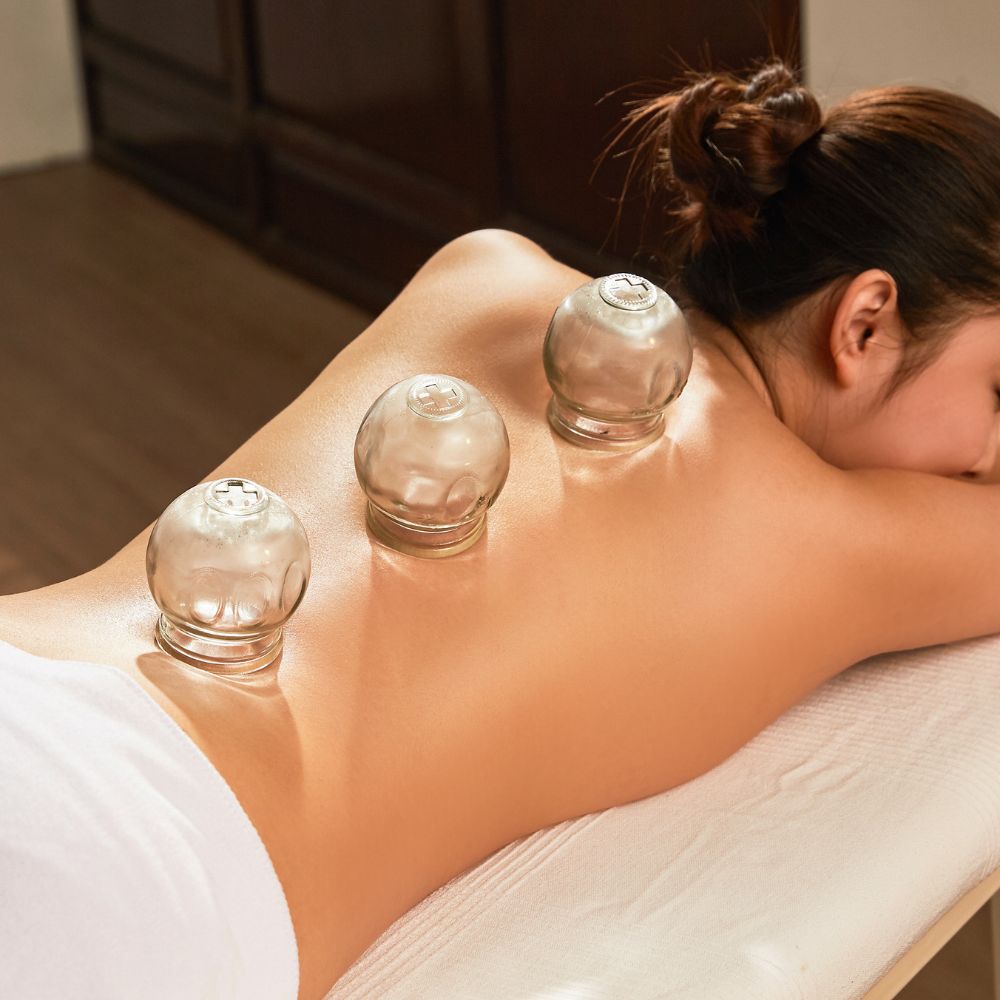
The role of ba guan in TCM (Traditional Chinese Medicine) refers to how cupping therapy functions as a supportive technique to stimulate circulation, release stagnation, and restore internal energy flow. Ba Guan, commonly known as cupping, is not simply a surface-level muscle therapyit is rooted in meridian theory and the philosophy of Qi regulation. Within the broader TCM system, ba guan is often applied alongside acupuncture, herbal prescriptions, and lifestyle adjustments to create a more comprehensive healing approach.
In modern integrative wellness discussions, the role of ba guan in TCM is increasingly recognised for its ability to support detoxification, reduce muscular tension, and enhance overall vitality without relying solely on medication.
Understanding the Role of Ba Guan in TCM
The role of ba guan in TCM is closely connected to the concept of Qi flow and blood circulation. When Qi becomes stagnant, often due to stress, poor posture, fatigue, or environmental exposure, physical discomfort and internal imbalance may arise. Ba guan therapy uses controlled suction on the skin to encourage movement of both blood and energy through meridians.
Key philosophical foundations include:
Qi Regulation – Encouraging smooth energy flow.
Meridian Activation – Stimulating internal organ pathways.
Yin–Yang Harmonisation – Restoring equilibrium.
External–Internal Connection – Addressing both muscle and organ-related imbalance.
Rather than being an isolated technique, ba guan is typically integrated into a wider treatment plan, making the role of ba guan in TCM both functional and complementary.
How Ba Guan Therapy Works in Practical Settings
Within the framework of Traditional Chinese Medicine (TCM), Ba Guan, also known as cupping therapy, is viewed not merely as a physical technique, but as a method for restoring the body’s natural balance of Qi (vital energy) and improving blood flow. This perspective highlights the role of Ba Guan in TCM as more than surface-level muscle treatment; it is considered part of a broader holistic wellness approach. In modern practice, it is often applied through a combination of traditional philosophy and contemporary anatomical understanding.
1. Suction and Circulation
Ba Guan uses cups made of glass, plastic, or silicone that are placed on specific areas of the body to create gentle vacuum pressure. From a TCM perspective, this suction is believed to release stagnation of Qi and blood, which is often associated with muscle tension and discomfort.
In practical terms, the vacuum effect increases localized blood circulation, delivering more oxygen and nutrients to tight or stressed tissues. Many individuals describe a warm or light sensation after therapy, which practitioners interpret as a sign that energy flow is beginning to rebalance, an explanation frequently used to describe the role of Ba Guan in TCM for promoting internal harmony.
2. Detoxification Support
The term “detoxification” in Ba Guan does not mean the literal extraction of toxins from the body. Instead, within TCM philosophy, it refers to supporting the body’s natural elimination and regulatory systems, including lymphatic circulation.
The gentle pressure created by the cups can stimulate fluid movement beneath the skin and may help reduce minor fluid retention in certain areas. From a natural body balance standpoint, Ba Guan is considered a supportive stimulus that encourages the body’s own self-healing and self-regulating mechanisms rather than acting as an instant cure.
3. Muscle Relaxation and Pain Relief
One of the most commonly reported benefits of Ba Guan is muscle relaxation and reduced discomfort. Athletes, office workers, and individuals with sedentary lifestyles frequently note improved flexibility and a lighter sensation in previously tense areas after a session.
In TCM theory, pain is often linked to blocked or stagnant Qi and blood flow. By opening these stagnated pathways, Ba Guan is believed to help the body return to a more harmonious state. From a modern physiological perspective, improved circulation and the release of soft-tissue tension provide a practical explanation for the sense of relief many people experience.
Overall, Ba Guan is not regarded as a “magical cure,” but rather as a traditional therapeutic tool aimed at supporting natural body balance through physical stimulation, enhanced circulation, and the energetic principles of TCM. Its effectiveness can vary depending on individual conditions, consistency of treatment, and integration with a healthy lifestyle.
Pro Tip: Hydration after cupping sessions can help the body recover more comfortably and support circulation benefits.
Core Benefits Commonly Associated with Ba Guan
Improved blood circulation
Reduction of muscular tension
Support for respiratory conditions
Enhanced immune response
Stress and fatigue relief
Faster muscle recovery after physical activity
These benefits explain why the role of ba guan in TCM extends beyond pain management into preventive wellness strategies.
Comparative Overview of Ba Guan Within TCM Therapies
Therapy
Primary Focus
Method
Typical Purpose
Ba Guan (Cupping)
Circulation & stagnation release
Suction cups
Muscle tension, detox support
Acupuncture
Energy regulation
Fine needles
Pain, stress, organ balance
Herbal Medicine
Internal correction
Plant formulas
Digestion, immunity, fatigue
Tui Na Massage
Structural alignment
Manual pressure
Joint mobility, relaxation
Moxibustion
Warmth stimulation
Heat therapy
Cold conditions, energy boost
This integrated perspective highlights that the role of ba guan in TCM is not competitive but cooperative with other modalities.
Modern Interest and Clinical Curiosity
The resurgence of cupping therapy in sports medicine and wellness culture has drawn broader attention to the role of ba guan in TCM. International sporting events and rehabilitation programs have occasionally showcased athletes with cupping marks, sparking curiosity about its mechanisms.
Step-by-Step Experience of a Typical Ba Guan Session
Consultation & Assessment – Practitioner evaluates body constitution and symptoms.
Target Area Identification – Back, shoulders, or legs are common locations.
Cup Placement & Suction – Cups remain for 5–15 minutes.
Removal & Observation – Temporary circular marks may appear.
Aftercare Guidance – Hydration, rest, and light stretching advised.
During structured treatment journeys, personalised approaches sometimes incorporate herbal guidance similar to ba guan for heatiness, especially when internal heat imbalance is observed.
Why Many Individuals Explore Ba Guan Therapy
Several lifestyle patterns contribute to rising interest:
Prolonged desk work and posture strain
Fitness recovery needs
Stress-related muscle tension
Preventive wellness awareness
Cultural appreciation of traditional healing
As holistic health becomes more mainstream, the role of ba guan in TCM is increasingly viewed as both therapeutic and educational, helping individuals understand body signals before discomfort escalates.
Integrating Ba Guan Into Broader Wellness Strategies
Understanding the role of ba guan in TCM also involves recognising how it fits into lifestyle balance. Many wellness journeys naturally begin with foundational knowledge available through GNG TCM, where holistic education and practitioner-guided therapy philosophies are consistently emphasised. In practical treatment pathways, cupping is frequently paired with targeted TCM cupping therapy services to ensure that pressure intensity, placement, and duration align with individual health profiles.
Pro Tip: Scheduling cupping sessions during periods of lower physical strain often enhances recovery comfort and maximises circulation benefits.
Conclusion – The Role of Ba Guan in TCM for Sustainable Natural Balance
The role of ba guan in TCM extends beyond visible cup marks or short-term muscle relief. It represents a broader philosophy of circulation enhancement, preventive wellness, and personalised care. When integrated with acupuncture, herbal medicine, and lifestyle guidance, ba guan becomes part of a sustainable strategy rather than a one-time remedy.
For individuals seeking a structured introduction to traditional therapies, professional consultation pathways and comprehensive treatment services provide clarity, confidence, and long-term balance support.
FAQs Section
Is ba guan painful?
Most individuals describe it as mild pressure rather than pain.
Are the marks permanent?
No. Marks typically fade within several days.
How often should sessions occur?
Frequency varies depending on condition and practitioner advice.
Can ba guan be combined with acupuncture?
Yes, integrated sessions are common in TCM clinics.
Who should avoid cupping?
Pregnant individuals, those with skin infections, or bleeding disorders should consult healthcare professionals first.
The healing power behind TCM (Traditional Chinese Medicine) refers to a holistic healthcare approach that focuses on restoring balance within the body rather than only treating symptoms. Rooted in thousands of years of medical observation and philosophy, TCM integrates herbal therapy, acupuncture, cupping, Tui Na massage, and lifestyle guidance to support natural healing processes. Instead of isolating a single issue, practitioners evaluate the body as an interconnected system of energy, organs, and emotional states.
Today, more people are exploring the healing power behind TCM as a complementary pathway toward preventive care, stress management, pain relief, and long-term vitality. Its growing global recognition comes from both cultural heritage and modern clinical interest in integrative medicine.
What Is the Healing Power Behind TCM?
The healing power behind TCM lies in its principle that the body possesses an inherent ability to repair itself when energy flow, known as Qi (Chi), is balanced. TCM does not merely aim to remove discomfort; it seeks to correct internal disharmony that may be causing recurring health issues.
Core concepts include:
Qi (Vital Energy): The life force circulating through meridians.
Yin and Yang: Opposing yet complementary forces that must remain balanced.
Five Elements Theory: Wood, Fire, Earth, Metal, and Water represent interconnected organ systems.
Holistic Diagnosis: Physical, emotional, and environmental factors are evaluated together.
Rather than instant fixes, TCM promotes gradual, sustainable improvement, an approach that appeals to individuals seeking natural and preventive healthcare strategies.
Core Principles That Strengthen Natural Healing
1. Balance Over Suppression
In Traditional Chinese Medicine (TCM), health is viewed as the result of balanced internal energy (Qi), smooth blood circulation, and harmony between physical organs and emotional well-being. This philosophy differs from approaches that focus solely on relieving symptoms temporarily.
Rather than suppressing pain or discomfort, TCM seeks to identify and correct the root cause. For example, recurring headaches may not only be seen as muscle tension or fatigue, but could also be associated with liver energy stagnation, emotional stress, or disrupted sleep patterns.
Through methods such as acupuncture, herbal therapy, and Tui Na massage, the body is encouraged to return to its natural rhythm. This is where the healing power behind TCM becomes evident, healing is not forced from the outside, but gently activated from within to support stronger natural wellness.
2. Prevention as Priority
One of TCM’s greatest strengths lies in its preventive philosophy. In the context of natural wellness, this means maintaining internal balance before minor imbalances evolve into serious health concerns.
Preventive consultations often include assessments of diet, sleep quality, stress levels, and overall energy flow. Many individuals seek TCM not because they are ill, but to sustain vitality, enhance immunity, and maintain mental clarity.
This proactive mindset reflects the belief that true health is more than the absence of disease, it is a stable, energetic, and sustainable state of well-being. Such an outlook highlights why the healing power behind TCM resonates strongly with those aiming for long-term resilience rather than short-term fixes.
3. Individualised Treatment Plans
TCM does not follow a one-size-fits-all model. Each person is seen as unique, with distinct physical conditions, emotional patterns, lifestyles, and environmental influences.
In practice, two individuals with the same complaint, such as insomnia, may receive entirely different treatments. One might be advised calming herbal formulas, while another could benefit more from acupuncture focused on improving energy circulation. Factors like nutrition, daily routines, sleep habits, and emotional pressures all shape the recommended approach.
This personalised method reinforces the idea that TCM’s healing strength is holistic and adaptive, enabling deeper and more sustainable natural wellness rather than temporary relief alone.
Pro Tip: For the best results, consistency matters more than intensity. Short but regular therapy sessions often produce longer-lasting benefits than occasional treatments.
How the Healing Power Behind TCM Works in Practice
TCM Element
Purpose
Common Methods
Expected Benefit
Qi Flow Regulation
Improve energy circulation
Acupuncture, Herbal Therapy
Increased stamina & reduced fatigue
Yin–Yang Balance
Restore internal harmony
Diet Therapy, Lifestyle Adjustment
Better sleep & emotional balance
Organ System Alignment
Support whole-body coordination
Tui Na Massage, Herbal Formulas
Improved digestion & immunity
Preventive Care
Detect imbalance early
Routine Consultation
Long-term wellness stability
Emotional Harmony
Reduce stress & tension
Breathing Techniques, Acupuncture
Mental clarity & relaxation
This structured approach is why many individuals perceive the healing power behind TCM as both therapeutic and educational, it empowers patients to understand their own health patterns.
Popular Therapies That Reflect the Healing Power Behind TCM
Acupuncture
Acupuncture is one of the most recognised TCM therapies, involving the insertion of fine, sterile needles into specific meridian points across the body. These points are believed to regulate the flow of Qi and restore energetic balance.
Commonly used for pain management, migraines, stress relief, and even sleep disturbances, acupuncture illustrates the healing power behind TCM by encouraging the body to respond naturally rather than relying solely on external medication. Many patients report not only physical relief but also improved mental clarity and emotional calm after consistent sessions.
Herbal Medicine
Herbal medicine in TCM focuses on customised plant-based formulations rather than generic remedies. Each blend is carefully tailored to an individual’s constitution, symptoms, and lifestyle patterns.
These herbal combinations are often used to address digestive imbalances, fatigue, hormonal irregularities, and immune support. What makes this approach unique is its adaptability, formulas can evolve as the patient’s condition changes. This dynamic adjustment highlights the healing power behind TCM, where treatment grows with the individual instead of remaining static.
Tui Na Massage
Tui Na is a therapeutic massage technique that integrates rhythmic pressure, stretching, and joint manipulation to stimulate circulation and release muscular tension. Unlike conventional relaxation massages, Tui Na is structured around meridian pathways and energy points.
It is frequently recommended for musculoskeletal discomfort, stiffness, and mobility issues, while also supporting overall relaxation. By aligning physical touch with energetic balance, this therapy reinforces the holistic nature of TCM healing.
Cupping Therapy
Cupping therapy uses gentle suction cups placed on the skin to promote blood flow, reduce muscle tightness, and assist in detoxification processes. The circular marks sometimes left behind are temporary and considered a normal response to increased circulation.
This therapy is often chosen by individuals experiencing chronic tension, sports fatigue, or respiratory discomfort. Its growing global popularity reflects how traditional methods continue to find relevance in modern wellness routines.
For readers seeking a deeper seasonal and philosophical perspective, exploring auspicious health practices within TCM traditions can reveal how timing, environment, and daily lifestyle choices influence the body’s natural wellness cycles. These insights extend beyond therapy sessions, offering guidance on how to align habits with nature’s rhythms for more sustainable well-being.
Why Modern Audiences Are Turning to TCM
The resurgence of TCM is driven by several factors:
Growing interest in natural alternatives
Increased awareness of stress-related conditions
Desire for preventive healthcare
Complementary use alongside Western medicine
Cultural appreciation of traditional healing knowledge
According to global integrative health studies, a significant percentage of adults now combine conventional treatments with complementary therapies, highlighting the expanding acceptance of holistic medicine.
Understanding Safety and Evidence in Traditional Medicine
While TCM is deeply rooted in tradition, modern research continues to explore its clinical relevance. Institutions such as the World Health Organization (WHO) acknowledge the historical and cultural importance of traditional medicine systems worldwide, encouraging safe integration and practitioner certification standards.
Safety considerations include:
Consulting qualified practitioners
Informing doctors about ongoing treatments
Avoiding self-prescribed herbal formulas
Monitoring allergies or sensitivities
Pro Tip: Always choose licensed TCM practitioners who provide clear explanations and transparent treatment plans.
Step-by-Step Guide to Experiencing TCM for the First Time
Initial Consultation – Discuss health history, lifestyle, and concerns.
Holistic Assessment – Pulse reading, tongue analysis, and symptom review.
Custom Therapy Plan – May include acupuncture, herbs, or massage, and in certain cases may also involve personalised TCM prescription therapy tailored to individual body constitution and seasonal needs.
Lifestyle Guidance – Diet, sleep, and stress management suggestions.
Follow-Up Sessions – Monitor progress and adjust therapy.
This structured journey allows individuals to gradually understand how the healing power behind TCM influences both physical and emotional wellbeing, especially when treatment plans integrate diagnostic evaluation with carefully formulated herbal support.
The Healing Power Behind TCM in Everyday Life
TCM is not limited to clinic visits. Daily habits such as mindful breathing, balanced nutrition, adequate hydration, and consistent sleep schedules reflect the same philosophy of internal harmony. Even small lifestyle adjustments can reinforce the body’s natural resilience.
Many people begin their journey by learning more about holistic services and consultation pathways through reputable TCM centres, where professional guidance ensures treatments align with personal health goals.
Conclusion – Embracing Natural Balance Through TCM
The healing power behind TCM represents more than ancient medical tradition; it embodies a sustainable philosophy of balance, prevention, and self-awareness. By combining therapeutic techniques with lifestyle education, TCM encourages individuals to participate actively in their own wellbeing rather than relying solely on reactive care.
For those seeking structured, personalised guidance, exploring professional consultations and holistic services can provide clarity, direction, and confidence in adopting natural wellness strategies, a principle consistently reflected in the treatment philosophy practised at GNG TCM, where holistic balance and long-term wellness remain central themes rather than short-term symptom relief.
FAQs Section
Is TCM scientifically proven?
Research is ongoing. While not all therapies have identical levels of clinical evidence, many practices show promising results in pain management and stress reduction.
How long before results appear?
Some individuals notice changes within a few sessions, while others experience gradual improvements over weeks.
Can TCM be combined with Western medicine?
Yes, many practitioners support integrative approaches, provided medical professionals are informed.
Is acupuncture painful?
Most patients describe the sensation as mild tingling or pressure rather than pain.
Who should avoid TCM?
Individuals with specific medical conditions, pregnancy, or allergies should always consult healthcare providers first.
Acupuncture for exhaustion is increasingly sought after as modern lifestyles continue to push the body beyond its natural recovery limits. Long working hours, prolonged screen exposure, emotional stress, irregular sleep patterns, and poor nutritional habits can gradually drain both physical and mental energy, leading to a persistent state of low vitality rather than temporary tiredness.
In this condition, rest alone is often not enough to restore balance. Many people begin looking for holistic and restorative approaches that address energy depletion at its root, focusing on circulation, nervous system regulation, and overall body resilience before exhaustion develops into more serious health concerns.
What Is Acupuncture for Exhaustion?
Acupuncture for exhaustion refers to the use of Traditional Chinese Medicine (TCM) acupuncture techniques to address persistent physical and mental fatigue. Unlike ordinary tiredness that improves with rest, exhaustion often lingers, affecting focus, sleep quality, emotional stability, and immune resilience.
In TCM, exhaustion is not viewed as a single symptom but as a sign of deeper imbalance, commonly involving Qi (vital energy), Blood, and organ systems such as the Spleen, Heart, and Kidneys. Acupuncture for exhaustion works by stimulating specific points to restore circulation, regulate the nervous system, and support the body’s natural recovery processes.
Many people begin exploring this approach after learning about holistic energy restoration through GNG TCM, where acupuncture is used not only for pain relief but also for long-term vitality support.
Why Modern Exhaustion Is More Than Just Being Tired
Exhaustion today is often linked to lifestyle overload rather than physical exertion alone.
Common Contributors to Chronic Exhaustion
Long-term stress and burnout
Poor sleep quality
Digestive weakness
Emotional strain
Overstimulation from screens
From a TCM perspective, these factors gradually deplete Qi and Blood, making acupuncture for exhaustion a preventive and restorative option rather than a reactive one.
How Acupuncture for Exhaustion Works in TCM
Acupuncture stimulates precise points along meridians to regulate internal balance.
Key Therapeutic Effects
Improves Qi circulation
Calms the nervous system
Supports organ function
Enhances restorative sleep
Rather than forcing energy, acupuncture for exhaustion helps the body rebuild energy reserves sustainably.
Pro Tip: True recovery happens when energy flow is regulated, not overstimulated.
Key Acupuncture Points Commonly Used for Exhaustion
Acupuncture Point
Function
ST36 (Zusanli)
Boosts Qi and digestion
SP6 (Sanyinjiao)
Supports Blood and Yin
CV6 (Qihai)
Strengthens core energy
HT7 (Shenmen)
Calms the mind
These points are selected based on individual patterns, which is why personalized treatment is essential.
Acupuncture for Exhaustion vs. Rest Alone
Rest is necessary, but not always sufficient.
Comparison Overview
Approach
Short-Term Relief
Long-Term Balance
Sleep only
Partial
Limited
Supplements
Temporary
Inconsistent
Acupuncture
Gradual
Sustainable
Acupuncture for exhaustion complements rest by addressing underlying imbalances that rest alone may not resolve.
Safety, Comfort, and What to Expect From Treatment
Concerns about safety are common for first-time patients. Understanding treatment expectations helps reduce anxiety and improves outcomes.
To learn more about precautions and treatment considerations, refer to acupuncture side effects and safety, which explains what patients should know before starting therapy.
Pro Tip: A relaxed patient responds better to treatment.
Scientific Perspective on Acupuncture and Fatigue
Research into acupuncture’s effect on fatigue continues to grow. According to information published by the National Center for Complementary and Integrative Health (NCCIH), acupuncture may help regulate nervous system responses and support recovery in fatigue-related conditions when used as part of an integrative approach.
While TCM uses a different framework, modern research increasingly supports its systemic benefits.
How Often Should You Use Acupuncture for Exhaustion?
Frequency depends on severity and lifestyle.
General Guidelines
Acute exhaustion: 1–2 sessions per week
Chronic fatigue: Weekly sessions for 4–6 weeks
Maintenance: Monthly or seasonal sessions
Professional guidance ensures progress without over-treatment.
Integrating Acupuncture With Daily Energy Habits
Acupuncture works best when paired with supportive routines.
Simple Energy-Supporting Habits
Regular meal times
Reduced late-night screen exposure
Gentle movement
Mindful breathing
Many patients combine acupuncture with holistic care plans offered through GNG TCM services for optimal results.
Pro Tip: Treatment consistency matters more than intensity.
Visual Flow: How Acupuncture for Exhaustion Supports Recovery
Assess → Regulate → Restore → Maintain
Identify imbalance
Stimulate key points
Rebuild energy
Prevent relapse
This cycle reflects TCM’s long-term health philosophy.
Conclusion: Is Acupuncture for Exhaustion Worth Considering?
Acupuncture for exhaustion offers more than short-term relief, it supports sustainable energy restoration by addressing the root causes of fatigue. Through balanced stimulation, nervous system regulation, and personalized care, acupuncture helps the body recover naturally rather than forcing temporary energy boosts.
Pro Tip: The best time to start acupuncture is before exhaustion becomes burnout.
For those seeking professional, integrative care grounded in Traditional Chinese Medicine, GNG TCM provides personalized acupuncture programs designed to restore balance, resilience, and long-term vitality in today’s demanding lifestyles.
FAQs Section
Does acupuncture for exhaustion work immediately?
Some feel improvement after 1–2 sessions, others gradually.
Is acupuncture safe for long-term fatigue?
Yes, when performed by trained practitioners.
Can acupuncture replace sleep?
No, it enhances recovery, not replaces rest.
How do I know if exhaustion is Qi-related?
TCM diagnosis considers energy patterns, digestion, and sleep.
Can acupuncture help mental exhaustion too?
Yes. Emotional fatigue is commonly addressed in treatment.
Auspicious health practices have long been part of Traditional Chinese Medicine, quietly shaping how people care for their bodies, minds, and energy throughout different stages of life. Rather than reacting to illness or discomfort, these practices focus on creating favorable conditions for health to flourish, through timing, balance, and mindful daily choices. In a fast-paced modern environment, returning to these principles offers a practical way to protect wellbeing without adding complexity to everyday routines.
Understanding Auspicious Health Practices in Daily Life
Auspicious health practices refer to intentional habits, routines, and therapeutic approaches believed to support balance, longevity, and overall wellbeing according to Traditional Chinese Medicine (TCM) principles. Rather than focusing only on symptom treatment, these practices emphasize prevention, harmony, and alignment with natural cycles such as seasons, energy flow (Qi), and lifestyle rhythms.
In TCM philosophy, health is not accidental, it is cultivated. Auspicious health practices are often associated with favorable timing, balanced internal energy, and mindful living choices that reduce strain on the body. These practices are commonly observed during seasonal transitions, festive periods, and moments of personal renewal, where health intentions are reinforced alongside daily routines.
Many individuals begin exploring these concepts through holistic guidance available at GNG TCM, where traditional wisdom is applied in a modern, practical healthcare setting.
The Meaning of “Auspicious” in Traditional Chinese Medicine
In TCM, “auspicious” does not imply superstition, it reflects alignment.
What Makes a Health Practice Auspicious?
Proper timing aligned with seasons
Supporting balance between Yin and Yang
Encouraging smooth Qi and blood circulation
Preventing stagnation and depletion
Auspicious health practices aim to create favorable internal conditions so the body can regulate itself more effectively.
Why Auspicious Health Practices Matter More Than Ever
Modern lifestyles often disrupt natural balance through:
Chronic stress
Irregular sleep
Poor dietary patterns
Sedentary habits
TCM practitioners observe that consistent auspicious health practices can help reduce long-term strain on organs and support resilience. This preventive approach aligns with growing global interest in integrative and preventive healthcare.
Core Auspicious Health Practices in TCM
1. Seasonal Health Alignment
TCM emphasizes adjusting habits according to seasonal energy.
Season
Focus Area
Recommended Practice
Spring
Liver
Gentle stretching
Summer
Heart
Light foods, hydration
Autumn
Lungs
Breathing exercises
Winter
Kidneys
Rest and warmth
This seasonal approach reinforces why TCM winter health tips are especially important during colder months, as explained in TCM winter health tips.
Pro Tip: Seasonal awareness strengthens long-term vitality.
2. Therapeutic Bodywork and Energy Flow
Manual therapies such as Tuina, acupuncture, and cupping are considered auspicious health practices when used preventively, not only when pain appears.
Benefits include:
Improved circulation
Reduced muscular tension
Enhanced nervous system regulation
These therapies are commonly offered as part of holistic care at GNG TCM services, supporting both recovery and prevention.
3. Dietary Harmony as a Daily Health Ritual
TCM dietary guidance focuses on food temperature, flavor, and energetic effect rather than calorie counting.
Auspicious eating habits include:
Warm meals in the morning
Avoiding excessive cold foods
Eating at regular times
These small but consistent habits are foundational auspicious health practices that protect digestive Qi.
Case Insight: Preventive TCM in Urban Lifestyles
Clinical observations from integrative medicine settings show that individuals practicing preventive TCM routines report:
Better sleep quality
Reduced fatigue
Improved stress tolerance
A growing body of integrative health research supports these findings. According to insights shared by the National Center for Complementary and Integrative Health (NCCIH), traditional practices focusing on balance and prevention may contribute positively to overall wellbeing when applied consistently.
Pro Tip: Prevention is more effective than correction.
How Auspicious Health Practices Support Mental and Emotional Balance
TCM does not separate physical and emotional health.
Emotional Benefits Include:
Reduced anxiety
Improved focus
Emotional grounding
Practices such as breathing exercises, mindful movement, and regular therapeutic sessions help regulate the nervous system, an essential aspect of auspicious health practices in modern life.
Simple Auspicious Health Practices You Can Start Today
Daily Routine Checklist
Wake up and sleep at consistent times
Eat warm, balanced meals
Stretch gently in the morning
Schedule preventive therapy sessions
Reduce overstimulation at night
Pro Tip: Consistency matters more than intensity.
Visual Guide: Auspicious Health Practice Flow
Align → Support → Maintain → Restore
Align with seasons
Support Qi and circulation
Maintain balance daily
Restore when imbalance appears
This cycle reflects the essence of long-term health cultivation in TCM.
Conclusion: Building a Healthier Life Through Auspicious Health Practices
Auspicious health practices are not about perfection, they are about alignment. By adopting mindful routines, seasonal awareness, and preventive care, individuals can cultivate resilience, balance, and long-term wellbeing.
Pro Tip: Small, consistent habits create lasting health benefits.
For those seeking professional guidance rooted in Traditional Chinese Medicine, GNG TCM provides expert-led therapies and preventive care programs designed to support modern lifestyles while honoring traditional wisdom. Exploring auspicious health practices with experienced practitioners ensures that wellbeing is not left to chance, but intentionally cultivated.
FAQs Section
What are auspicious health practices in simple terms?
They are preventive habits that support balance and vitality.
Are auspicious health practices religious?
No. They are based on medical and philosophical principles.
How often should TCM therapies be done preventively?
Usually once every 2–4 weeks, depending on lifestyle.
Can modern lifestyles still benefit from these practices?
Yes, especially for stress and fatigue management.
Do auspicious health practices replace medical treatment?