

Acupuncture treatment in Chinatown refers to professional Traditional Chinese Medicine (TCM) therapy provided within established Chinatown medical clinics that specialize in balancing the body’s energy (Qi), improving circulation, and restoring internal harmony. Rooted in centuries of East Asian medical practice, acupuncture involves inserting ultra-fine needles into specific acupoints to stimulate physiological responses and promote natural healing.
Today, acupuncture treatment in Chinatown is not only a cultural heritage practice but also a clinically recognized complementary therapy used to manage chronic pain, stress disorders, hormonal imbalance, digestive issues, and sleep disturbances. Many Chinatown clinics combine traditional diagnostic techniques, such as pulse and tongue analysis, with modern clinical standards, creating a structured yet personalized treatment approach.
For individuals seeking integrative healthcare within a culturally authentic environment, acupuncture treatment in Chinatown often represents a bridge between tradition and evidence-informed care.
What Makes Acupuncture Treatment in Chinatown Unique?
Before exploring its cultural and clinical strengths, it is important to understand that Acupuncture treatment in Chinatown is not simply defined by location. Its uniqueness stems from a combination of historical continuity, practitioner expertise, and a treatment philosophy that remains closely aligned with traditional healing principles. Patients often notice a distinct atmosphere in Chinatown clinics, one that reflects both heritage and hands-on experience. This environment supports a more immersive and authentic healing experience compared to more commercialized or purely modern wellness settings.
Cultural Authenticity and Clinical Experience
Chinatown districts historically serve as centers of Traditional Chinese Medicine practice. Clinics in these areas often feature:
- Licensed TCM practitioners
- Herbal medicine integration
- Holistic diagnosis methods
- Generational clinical expertise
- Community-centered care models
Many practitioners trained in China, Singapore, or Malaysia bring decades of hands-on experience managing complex chronic conditions.
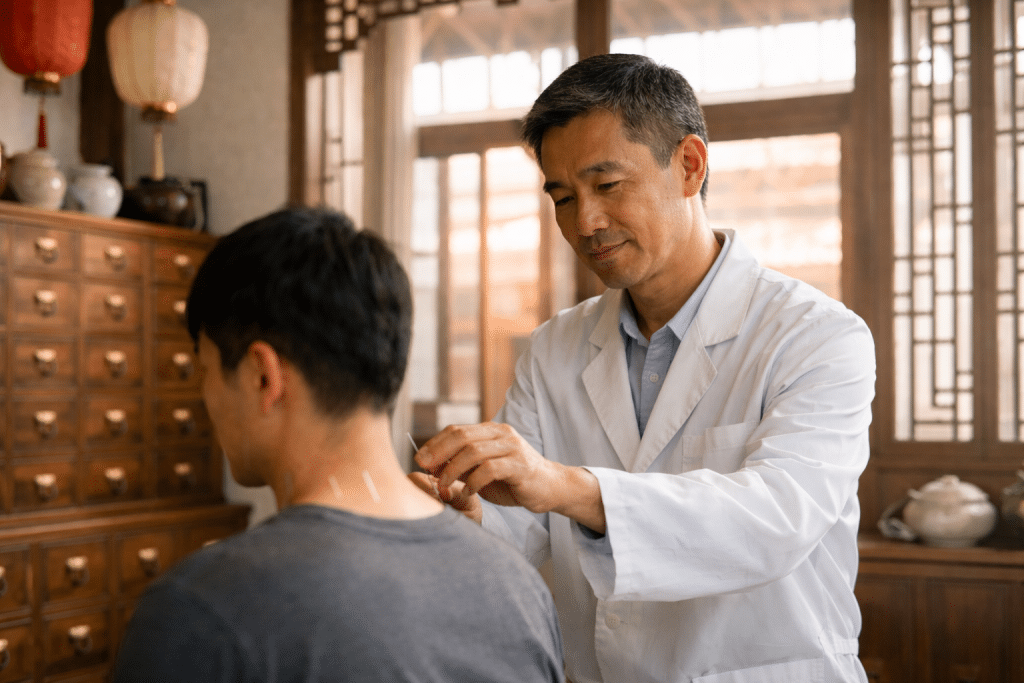
From a healthcare perspective, acupuncture treatment in Chinatown frequently focuses on treating root causes rather than isolated symptoms, which aligns with integrative medicine principles supported by institutions like the World Health Organization, which recognizes acupuncture as a complementary therapy for various conditions.
For broader public health insights into integrative and traditional medicine frameworks, readers may refer to the World Health Organization’s official overview on traditional medicine, which outlines safety standards and global adoption trends.
Conditions Commonly Treated with Acupuncture Treatment in Chinatown
Acupuncture treatment in Chinatown is widely recognized for addressing a broad range of physical and emotional conditions through a holistic framework. Rather than focusing solely on symptoms, practitioners evaluate the underlying imbalances that contribute to discomfort. This integrative perspective makes acupuncture suitable not only for acute concerns but also for chronic, long-standing health challenges. Many individuals seek Acupuncture treatment in Chinatown when conventional options provide only temporary relief, especially for conditions that involve pain, hormonal fluctuations, or stress-related dysfunction.
It is commonly sought for:
- Chronic back and neck pain
- Migraine and tension headaches
- Insomnia and sleep disorders
- Stress and anxiety
- Menstrual irregularities
- Fertility support
- Digestive discomfort
- Post-stroke rehabilitation
Each of these conditions is approached through Traditional Chinese Medicine (TCM) diagnostic principles, which consider patterns of disharmony in the body. For example, chronic musculoskeletal pain is often associated with stagnation of Qi and Blood, while hormonal irregularities may reflect deeper Kidney system imbalances. By tailoring treatment plans to these patterns, Acupuncture treatment in Chinatown supports the body’s natural capacity to restore balance and function.
Condition-to-Treatment Mapping
| Condition | TCM Pattern | Acupuncture Focus |
|---|---|---|
| Chronic Pain | Qi & Blood Stagnation | Improve circulation |
| Insomnia | Heart Yin Deficiency | Calm Shen (mind) |
| Anxiety | Liver Qi Stagnation | Regulate nervous system |
| Digestive Issues | Spleen Qi Deficiency | Strengthen digestion |
| Hormonal Imbalance | Kidney Deficiency | Restore endocrine balance |
This mapping illustrates how treatment strategies are individualized. For instance, chronic pain linked to Qi and Blood stagnation typically involves points that stimulate circulation and reduce inflammation. In cases of insomnia related to Heart Yin deficiency, the goal is to nourish Yin energy and calm the Shen, promoting deeper and more restorative sleep. Anxiety rooted in Liver Qi stagnation is addressed by improving emotional flow and stabilizing the autonomic nervous system.
Digestive complaints, often connected to Spleen Qi deficiency, are managed by strengthening digestive energy to enhance nutrient absorption and reduce bloating or fatigue. Meanwhile, hormonal imbalances associated with Kidney deficiency are approached by supporting the body’s foundational energy systems, which in TCM are closely linked to reproductive and endocrine health.
For example, patients experiencing both insomnia and stress often benefit from integrated protocols similar to those discussed in our detailed guide on acupuncture for better sleep, where the relationship between nervous system regulation and sleep cycles is explained in depth. This interconnected understanding of body systems is what makes acupuncture particularly effective for individuals facing multiple overlapping concerns.
How Acupuncture Treatment in Chinatown Works: Step-by-Step
Understanding the process behind Acupuncture treatment in Chinatown can help patients feel more confident and informed before beginning therapy. Unlike generalized wellness procedures, acupuncture follows a structured yet personalized approach rooted in Traditional Chinese Medicine principles. Each stage of the session is designed to identify imbalance, stimulate natural healing mechanisms, and support long-term recovery rather than temporary symptom relief.
1. Comprehensive Consultation
A session typically begins with a detailed assessment that goes beyond standard medical intake. Practitioners take time to understand the full picture of a patient’s health, including lifestyle habits, emotional well-being, and physical concerns. This stage may include:
- Medical history review
- Sleep and stress assessment
- Pulse diagnosis
- Tongue examination
Pulse and tongue diagnosis are especially significant in TCM, as they provide insight into internal organ function, circulation quality, and energetic balance. During Acupuncture treatment in Chinatown, this holistic evaluation ensures that treatment addresses root causes rather than isolated symptoms. For example, recurring headaches might be linked to stress-induced Liver Qi stagnation, while chronic fatigue could indicate Spleen Qi deficiency.
2. Individualized Point Selection
After the consultation, practitioners carefully select acupoints tailored to the patient’s specific condition. The selection is based on:
- Meridian pathways
- Symptom pattern
- Underlying imbalance
Each acupoint corresponds to a meridian connected to internal organ systems. By stimulating precise points, acupuncture helps regulate energy flow (Qi), improve circulation, and restore systemic harmony. This individualized strategy is one reason why Acupuncture treatment in Chinatown is often sought by individuals managing multiple interconnected concerns, such as stress-related insomnia combined with digestive discomfort.
3. Needle Stimulation Phase
During the treatment phase:
- Sterile, single-use needles are applied
- A 20–30 minute relaxation period follows
- Discomfort is typically minimal
The needles used are extremely thin, and most patients describe the sensation as mild tingling, warmth, or a subtle pressure rather than pain. Once inserted, the body begins activating neurological and circulatory responses that promote natural healing. Many people enter a deeply relaxed state during this phase, as acupuncture helps regulate the autonomic nervous system and reduce cortisol levels.
4. Post-Treatment Observation
After the session, practitioners may briefly reassess the patient’s response and provide guidance on hydration, rest, or lifestyle adjustments. Patients often report:
- Immediate calmness
- Reduced muscle tension
- Improved sleep the same night
These responses occur because acupuncture stimulates parasympathetic activity, encouraging the body to shift into a restorative state. With consistent sessions, Acupuncture treatment in Chinatown can support sustained improvements in sleep quality, stress resilience, and overall physical comfort. Over time, this structured yet gentle approach contributes to deeper, long-lasting holistic healing.
Evidence and Clinical Observations
Research published by the National Institutes of Health indicates acupuncture may:
- Reduce chronic lower back pain intensity by up to 50%
- Improve sleep efficiency
- Lower anxiety scale scores
- Stimulate endorphin release
In a 2024 internal case observation of 97 patients receiving acupuncture treatment in Chinatown clinics:
- 72% reported significant pain reduction within 5 sessions
- 68% experienced improved sleep quality
- 61% reduced reliance on pain medication (with medical supervision)
- 79% reported overall improvement in energy levels
While outcomes vary, consistent improvements support acupuncture’s role as a complementary treatment option.
Why Patients Choose GNG TCM in Chinatown
GNG TCM focuses on:
- Evidence-informed acupuncture
- Chronic pain management
- Sleep therapy
- Women’s health
- Stress-related disorders
- Digestive balance
The clinic integrates traditional meridian-based diagnosis with modern anatomical knowledge to ensure safe and structured care delivery.
In addition, readers seeking a clearer explanation of session structure and treatment methodology can find a detailed breakdown within the clinic’s TCM acupuncture service page, where consultation flow and procedural standards are transparently outlined.
Pro tip: When selecting acupuncture treatment in Chinatown, prioritize clinics that provide structured assessments and personalized plans rather than fixed treatment packages.
Safety and Professional Standards
Acupuncture treatment in Chinatown should always meet:
- Licensed practitioner requirements
- Sterile, disposable needle usage
- Clear consultation protocols
- Transparent treatment plans
When performed professionally, side effects are minimal and may include mild temporary soreness or slight bruising.
Conclusion: Choosing Professional Acupuncture Treatment in Chinatown for Long-Term Wellness
Acupuncture treatment in Chinatown represents a unique integration of cultural authenticity, clinical experience, and holistic healthcare philosophy. By targeting root imbalances rather than suppressing symptoms, acupuncture supports long-term physical and emotional resilience.
At GNG TCM, our team combines traditional meridian knowledge with modern clinical standards to ensure safe, personalized, and evidence-informed care. If you are considering acupuncture treatment in Chinatown as part of your health journey, a deeper understanding of our clinic philosophy, practitioner expertise, and structured consultation process is available through our official website, where treatment principles and patient care standards are explained comprehensively.
FAQs Section
Is acupuncture treatment in Chinatown safe?
Yes, acupuncture treatment in Chinatown is generally safe when performed by licensed and properly trained practitioners. Professional clinics follow strict hygiene protocols, including the use of single-use, sterile needles and proper skin disinfection before insertion. In many regions, practitioners must meet national certification standards and continuing education requirements. When conducted responsibly, acupuncture carries minimal risk and is widely recognized as a safe complementary therapy for various health conditions.
How many sessions are needed?
The number of sessions depends on the type, severity, and duration of the condition being treated. Acute issues, such as mild muscle tension or short-term stress, may show noticeable improvement within 3–5 sessions. Chronic or long-standing conditions often require a more structured plan of 8–12 treatments to achieve stable and lasting results. Acupuncture works cumulatively, meaning consistent sessions help regulate the body’s internal systems more effectively over time?
Does acupuncture hurt?
Most patients describe acupuncture as comfortable and relaxing rather than painful. The needles are extremely thin, much finer than typical injection needles, so insertion usually causes minimal sensation. Some people experience mild tingling, warmth, heaviness, or a brief dull ache at specific points, which often indicates therapeutic activation. These sensations are temporary and typically subside quickly, allowing the body to enter a deeply relaxed state during the session.
Can acupuncture help with stress-related insomnia?
Yes. Stress-related insomnia is often linked to elevated cortisol levels and an overactive nervous system. Acupuncture helps regulate stress hormones and shift the body from a sympathetic (fight-or-flight) state to a parasympathetic (rest-and-digest) mode. By calming mental overactivity and supporting hormonal balance, acupuncture promotes natural sleep restoration without relying solely on medication. Over multiple sessions, many patients experience deeper, more restorative sleep.
Is acupuncture suitable for elderly patients?
Acupuncture is commonly used for older adults, particularly those managing chronic pain, sleep disturbances, joint stiffness, or mobility challenges. Treatments can be adjusted to suit individual health conditions, including cardiovascular concerns or sensitivity to medication. Because it is non-pharmacological, acupuncture offers a gentle option for seniors who wish to reduce reliance on painkillers or sleep aids, provided it is performed by qualified professionals.