Tuina Benefits: A Natural Path to Wellness and Pain Relief
If you’re exploring ways to relieve pain or restore balance to your body, you’ve probably come across the term tuina benefits. This traditional Chinese therapy is gaining global attention for its holistic approach to healing and long-term wellness support. Tuina (推拿) might not be as globally known as acupuncture or cupping, but it plays a central role in holistic healing. With more people seeking natural, non-invasive solutions, this method continues to gain attention for its ability to reduce pain, improve circulation, and support long-term wellness.
What Is Tuina, Exactly?
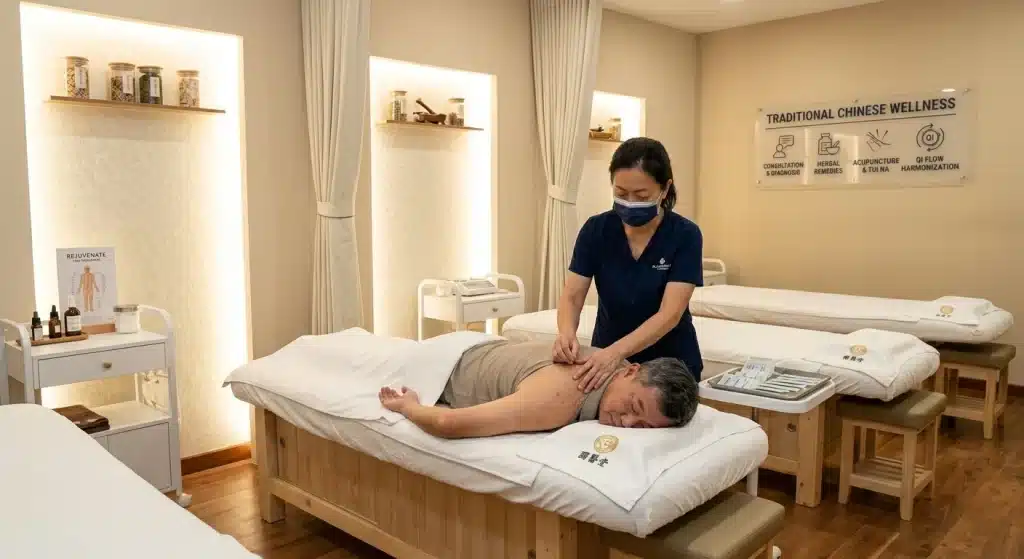
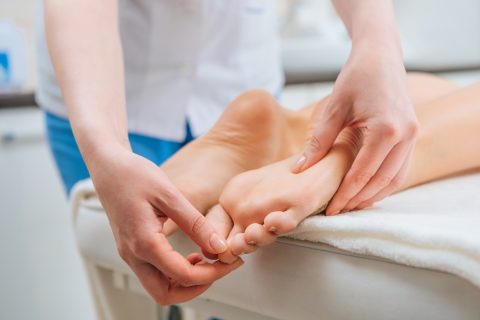
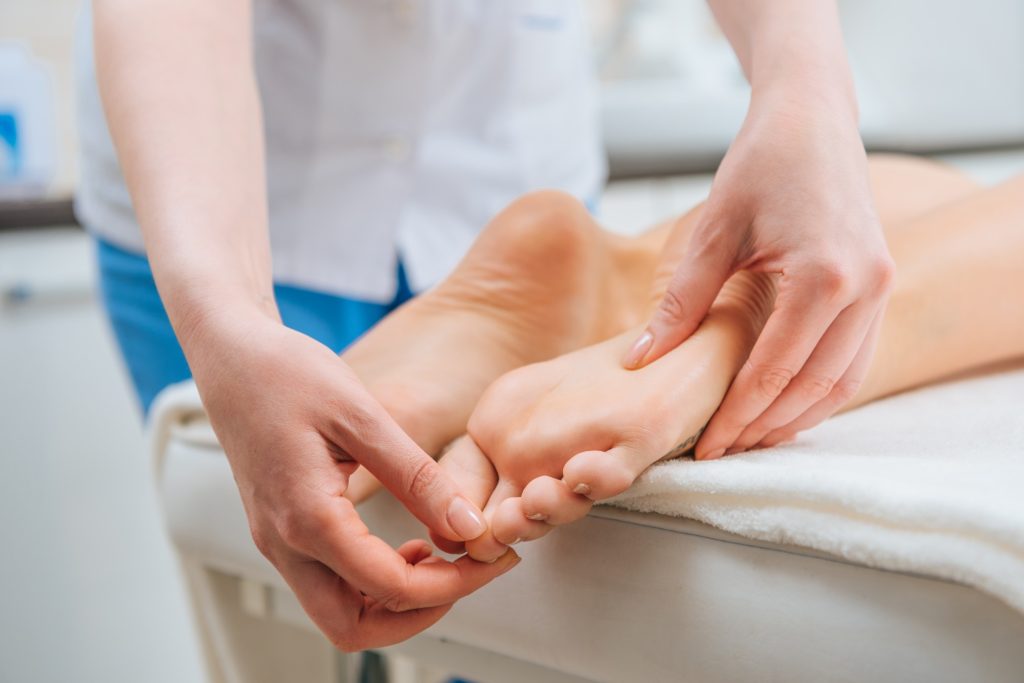
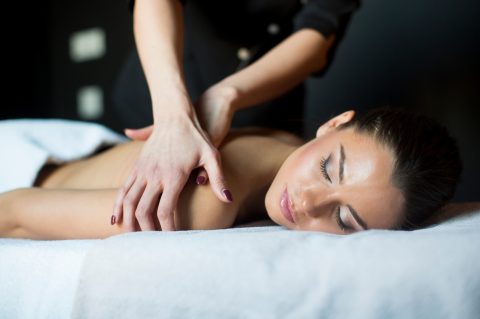
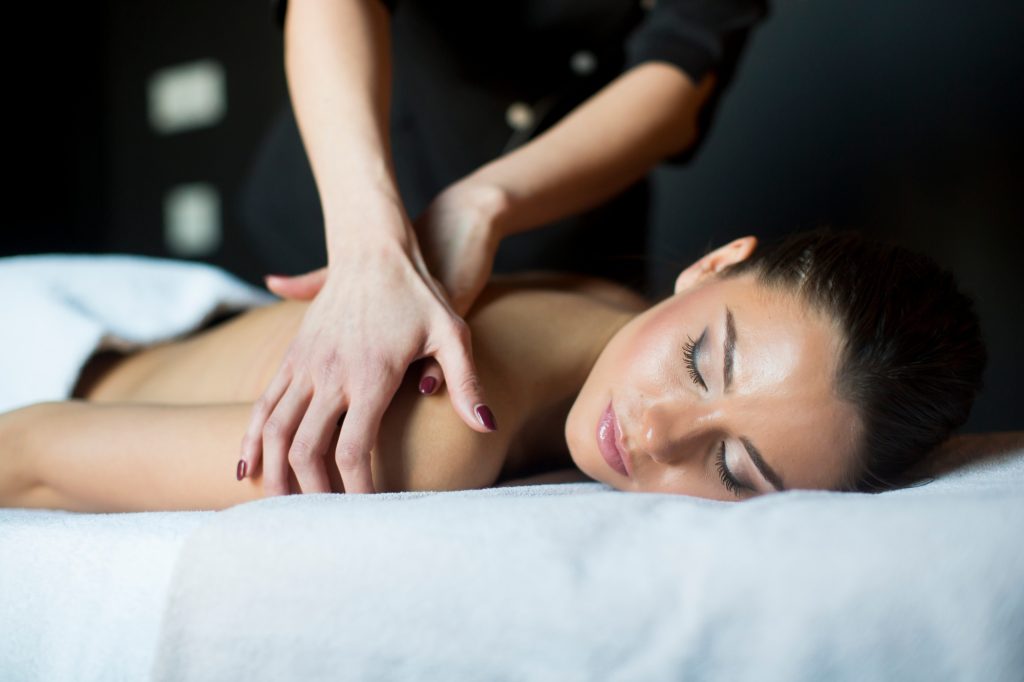
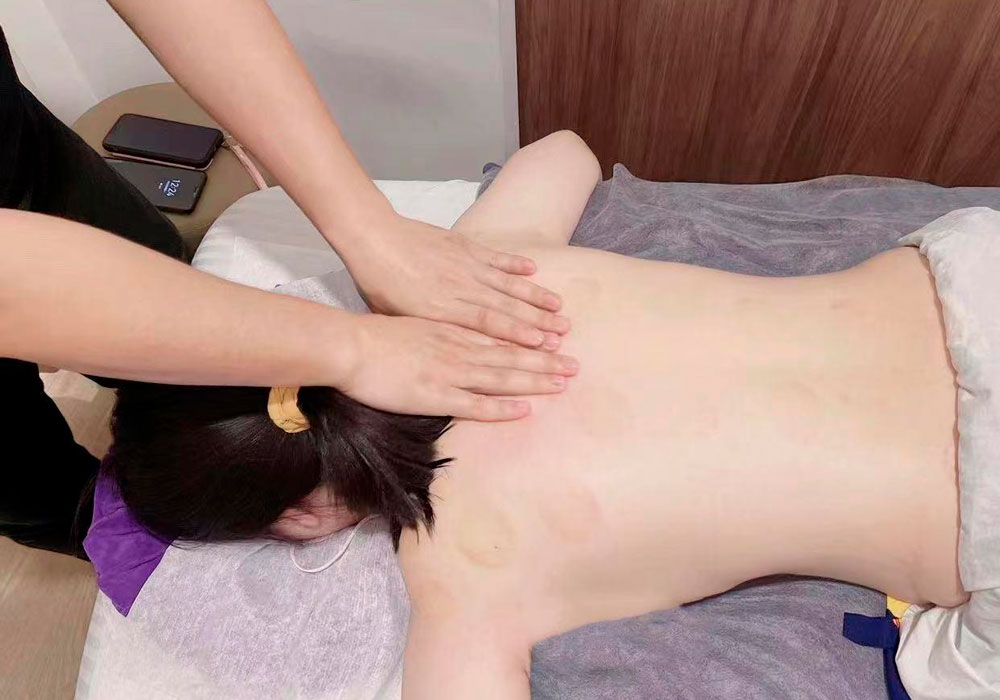
Tuina, pronounced twee-nah, is a therapeutic practice that combines massage techniques with acupuncture principles. Unlike your usual spa-style massage, Tuina is often more vigorous, using kneading, pressing, rolling, and stretching motions to unblock energy pathways known as meridians. A Tuina session doesn’t just aim to relax your muscles. It targets the root cause of discomfort, making it especially effective for chronic conditions, musculoskeletal issues, and even emotional imbalances. This technique has been used for over 2,000 years in China, and now clinics around the world.
Why Tuina Benefits Matter in Daily Life
For people juggling modern work demands and lifestyle stress, the advantages of tuina therapy go far beyond short-term relaxation. Some of the most impactful tuina benefits include:
1. Muscle and Joint Pain Relief
Whether it’s from a sports injury, poor posture, or daily tension, tuina therapy helps reduce inflammation and pain. It targets the root of the discomfort, allowing your body to heal without relying on painkillers.
2. Improved Circulation
Tuina stimulates blood and lymphatic flow. This promotes better oxygen delivery, faster muscle recovery, and a general feeling of vitality. If you’re always feeling sluggish, the circulatory boost is one of the most appreciated tuina benefits.
3. Emotional and Mental Support
Stress, anxiety, and even burnout have physical manifestations. Tuina helps calm the nervous system, reduce cortisol levels, and create a sense of inner calm. Many clients say they feel emotionally grounded after just one session.
How Tuina Compares with Other Therapies
While Western therapies like physiotherapy or chiropractic care focus on anatomy, Tuina blends body and energy systems. It doesn’t just chase symptoms it aims to restore the body’s natural balance. Unlike massage that focuses purely on muscle relaxation, Tuina applies techniques aligned with TCM principles. That means treatment is more personalized, based on your energy flow, organ health, and even emotional state. This is why Tuina often works hand-in-hand with acupuncture or herbal remedies for a complete healing experience.
Common Issues Tuina Can Address
Tuina therapy has been known to help with:
Chronic back and neck pain
Headaches and migraines
Menstrual cramps
Fatigue and low energy
Insomnia and sleep disorders
Anxiety and emotional imbalance
Digestive issues like bloating or constipation
If you’re unsure whether Tuina is right for your condition, a qualified TCM clinic can help assess your symptoms and recommend a custom plan.
Choosing a Trusted Tuina Provider in Singapore
Choosing the right practitioner is key to experiencing the full tuina benefits. It’s important to work with licensed therapists who understand both the traditional roots and modern applications of this therapy. At G&G TCM Medical, our team is trained in authentic Chinese therapeutic methods. We combine the wisdom of Traditional Chinese Medicine with a supportive and professional clinical environment. Our goal is to help you find lasting relief not just for your symptoms, but for your overall health. Now that you understand how Tuina supports holistic wellness, take the next step by exploring our curated list of top-rated Tuina sessions in Singapore.
FAQs Section
What is Tuina?
Tuina is a traditional Chinese therapeutic technique combining massage methods with acupuncture principles, using kneading, pressing, rolling, and stretching to balance energy pathways
What health issues can Tuina help with?
Tuina may help with chronic back/neck pain, headaches, menstrual cramps, fatigue, insomnia, anxiety, and digestive problems.
How does Tuina differ from a regular massage?
nlike a typical spa massage, Tuina is more targeted and energetic. It focuses on meridians and root causes, not just muscle relaxation.
Is Tuina safe for everyone?
Generally yes, but individuals with certain medical conditions (e.g. fractures, skin infections, pregnancy complications) should consult a qualified TCM practitioner first.
How many sessions are needed to see results?
It depends on the condition’s severity and your body. Some people feel relief after one session; others may need multiple to achieve lasting benefits.
We hear this question a lot: “Are TCM clinic actually safe?” And honestly, it’s a fair one. With so much modern medicine around us, walking into a clinic rooted in centuries-old practices can feel unfamiliar. But the truth is, TCM clinic today aren’t stuck in the past many have evolved with time, blending traditional methods with modern safety standards that are surprisingly solid. In fact, we’ve come to see that safety isn’t just about avoiding harm. It’s also about creating trust, offering personalized care, and giving people the space to heal in ways that feel deeply human.
A Quick Look at What TCM Clinic Actually Do
Before diving deeper into safety, let’s talk about what happens in a typical TCM clinic. Acupuncture, cupping, herbal prescriptions, tuina massage these are just a few of the core treatments. Some may sound intimidating at first, but in practice, we’re gentle and surprisingly intuitive.
Guided by Precision, Not Assumptions
TCM diagnostics rely on centuries of observation and refinement. From pulse reading to tongue analysis, every detail is part of a broader pattern that helps uncover imbalances within the body. Sleep habits, digestion, skin tone, nothing is random. Rather than rushing through symptoms, experienced practitioners take time to study signs and ask specific questions. That slower, intentional pace isn’t old-fashioned, it’s foundational. By focusing on personalized insight rather than quick fixes, a safer and more grounded approach to care naturally follows.
Regulation Has Come a Long Way
There’s a common misconception that TCM clinic are “unregulated” or somehow off the radar. That couldn’t be further from the truth, at least not in places like Singapore. TCM practitioners must be registered with the Traditional Chinese Medicine Practitioners Board (TCMPB), and there are strict guidelines around what can and cannot be practiced. This includes sanitation, patient consent, herb sourcing, and even practitioner qualifications. We don’t just show up and hope for the best. There are systems in place, and we’ve been improving year after year.
The Science Says… It’s Worth a Look
A growing number of studies are looking into the safety and effectiveness of TCM treatments. Acupuncture, for instance, has been shown to help with chronic pain, stress, and even insomnia and with minimal side effects when performed by trained hands. Herbal remedies, too, are being studied for their anti-inflammatory, immune-boosting, and hormone-balancing effects. That said, not every herb is safe for everyone, and this is where the experience of the practitioner becomes crucial.
We Still Need Caution, Though
We’re not saying every TCM clinic is perfect. Just like in any medical field, there are better and worse providers. That’s why regulation, certification, and professional conduct matter so much. As patients or even observers of the field, we believe it’s important to ask questions, check credentials, and avoid blindly trusting any health service traditional or modern.
Safety Goes Beyond the Surface
Safety in TCM clinic isn’t just about sterile needles or clean linens. It’s also reflected in the atmosphere. Many traditional spaces are designed with healing in mind soft lighting, earthy scents, and an intentional slowness that calms the nervous system. This kind of environment supports recovery not just physically, but mentally too. In these settings, the connection between mind, body, and surroundings is treated as essential, not optional. That’s one of the strengths that set TCM practices apart.
How Modern TCM Clinics Deliver Holistic, Safe, and Effective Care
Modern TCM clinics today offer far more than ancient techniques, they provide holistic care that supports the body, mind, and overall well-being. A licensed TCM practitioner or acupuncturist focuses on understanding each patient’s unique condition, lifestyle, and long-term health goals. This personalized approach helps treat chronic pain, back pain, stress, digestive issues, and other symptoms using safe, natural therapies.
Beyond acupuncture, clinics may also offer herbal therapy, cupping, moxibustion, and tuina massage, combining them into treatment plans designed to restore balance in the body. These methods have been used for years in Traditional Chinese Medicine, and when applied correctly by licensed practitioners, they may help improve circulation, support energy flow, and promote natural healing.
Many clinics follow modern medical and hygiene standards to keep every treatment safe, sterile needles, high-quality herbs, and evidence-informed practices. Some even blend traditional formulas with modern healthcare insights, making TCM a trusted option for people seeking a holistic approach to better health, vitality, and quality of life.
Whether you’re a new patient exploring TCM for the first time, or someone managing chronic conditions, a reputable clinic can offer effective, tailored therapy that supports long-term wellness. With an experienced team providing professional care, TCM becomes not just a treatment, but a complete system of natural health services designed to help your body work its best.
TCM Clinic vs. Conventional Clinic: A False Competition?
Framing the conversation as “TCM vs. Western medicine” misses the point. These systems aren’t rival, they serve different roles. TCM clinic often take a slower, more holistic route that suits chronic or lifestyle-based conditions. On the other hand, Western medical care remains essential for acute issues like infections, trauma, or surgeries. It’s not about which one is better, but which one is right for the moment. That kind of flexible mindset one that values integration rather than opposition tends to lead to better outcomes. Many have found that combining approaches, rather than choosing one side, brings the most lasting relief.
Who Should Consider Visiting a TCM Clinic?
A lot of people think TCM is only for the elderly or those who’ve “tried everything else.” That’s just not true. Young adults, working professionals, new parents, even students many are turning to TCM early on for stress, fatigue, hormonal issues, and digestive support. The earlier we care for the body in a holistic way, the more resilient it becomes. That’s one thing TCM gets right treating the root, not just the symptom.
So, Are TCM Clinic Safe?
The short answer? Yes when run by licensed, thoughtful professionals who follow modern safety standards while honoring tradition. The long answer? It depends on the clinic. We’ve learned that safety comes from experience, from transparency, and from a sincere commitment to patient care. The best TCM clinic take this seriously, and it shows.
Finding a Trusted Clinic Matters
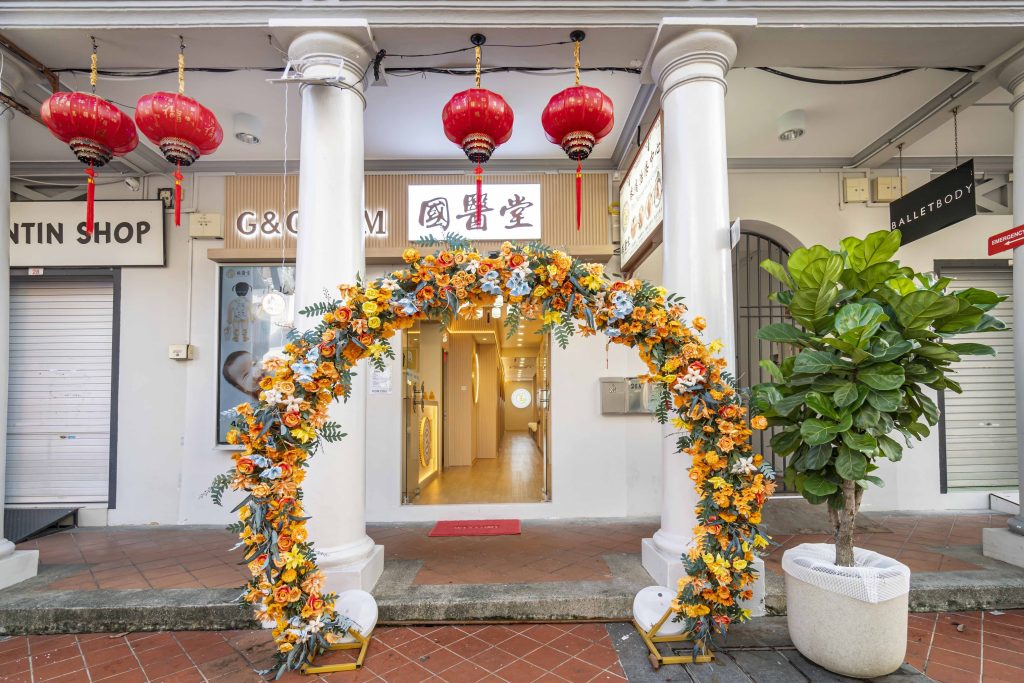
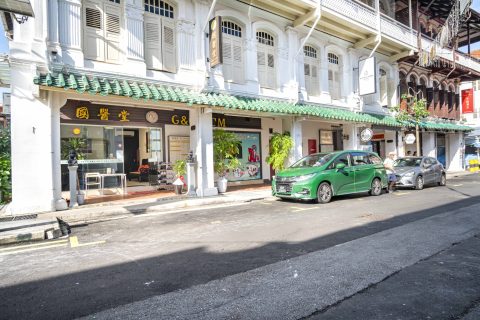
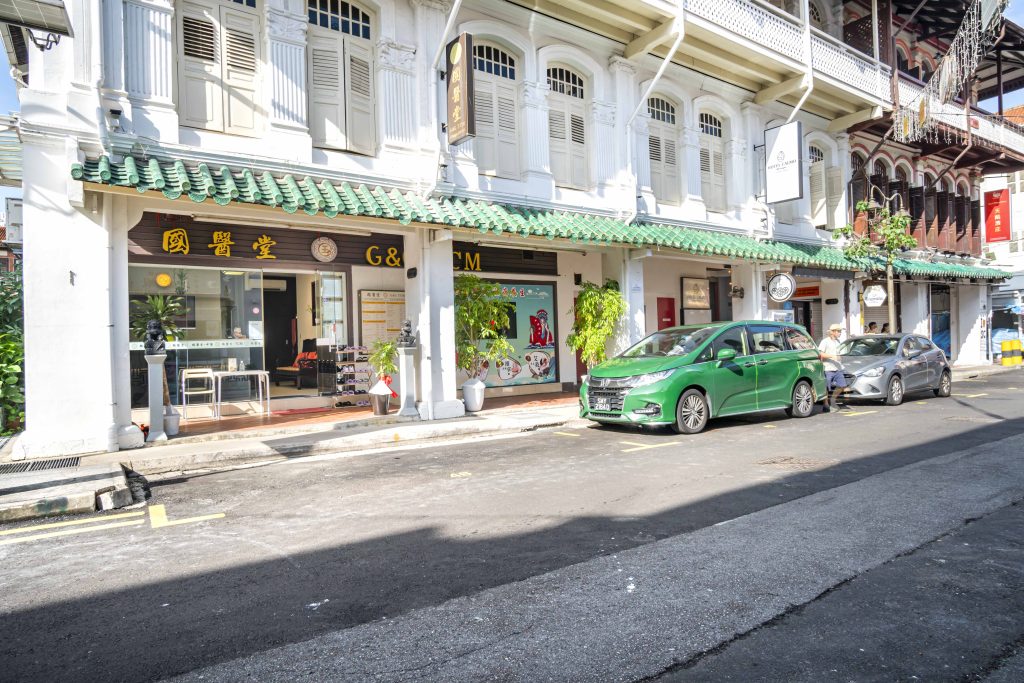
If you’re considering trying TCM or just want to learn more about how it works in a safe, welcoming environment, G&G TCM is a great place to start. Located in the heart of Chinatown, our team blends generations of TCM wisdom with professional standards that prioritize safety, clarity, and care. Whether you’re exploring acupuncture for the first time or looking for a more natural way to manage stress, the door’s always open.
For those seeking a deeper connection between traditional practices and a vibrant wellness culture, explore how we contribute to wellness in Chinatown through dedicated care and personalized treatments.
FAQs Section
What is TCM and how is it different from Western medicine?
Traditional Chinese Medicine (TCM) is a holistic approach that focuses on balancing the body’s natural energy (qi) through methods like acupuncture, herbal medicine, cupping, and dietary therapy. Unlike Western medicine, which often targets symptoms, TCM looks at the root cause and long-term wellness.
Are TCM treatments safe?
Yes, when practiced by licensed professionals, TCM is generally safe. Techniques like acupuncture and herbal prescriptions follow strict safety protocols and are tailored to each individual’s health needs.
How long does it take to see results?
It depends on your condition. Some people feel relief after just one or two sessions, while others with chronic issues may need ongoing care over a longer period. The key is consistency and communication with your practitioner.
Is TCM only for older people?
Not at all. TCM is suitable for all ages. In fact, many young professionals, parents, and even students visit TCM clinics for stress management, sleep support, and boosting their immune system.
Can I combine TCM with Western treatments?
Yes. TCM often works well as a complement to Western care. Just be sure to inform both your TCM and Western practitioners about the treatments you’re receiving so they can guide you properly.
To better understand how Traditional Chinese Medicine contributes to this wellness landscape, discover how our Chinatown TCM clinic brings heritage and healing together in one trusted destination.
Wellness in Chinatown represents a rich heritage sustained through generations. At G&G TCM, the focus remains on delivering healing that is intentional, holistic, and rooted in centuries-old traditions. Surrounded by the natural aromas of medicinal herbs and ancient wisdom, the practice embraces slowing down to help restore balance in today’s fast-paced world. This enduring approach offers meaningful solutions to modern stress.
The History You Can Feel
Chinatown isn’t new. These streets have seen generations pass through, all seeking comfort and cure in some way. And that sense of history? It’s alive in the wellness spaces scattered throughout the district. Traditional Chinese Medicine is often associated with acupuncture and herbal remedies, but wellness in Chinatown goes far beyond these treatments. At G&G TCM, wellness means being fully present in the healing process. Patients aren’t just given prescriptions and sent on their way care is personalized and attentive. Our team tracks progress closely, remembers details from past visits, and adjusts treatments to fit each individual’s evolving needs. This thoughtful approach to wellness is what defines the experience here.
It’s the Details That Heal
The experience at a wellness center in Chinatown is shaped by more than just treatments. The subtle scent of dried herbs and sandalwood fills the air, creating a calming atmosphere from the moment you step inside. Waiting areas are designed to feel warm and welcoming, setting the tone for healing. Wellness happens not only during acupuncture or cupping but also in the textures, gentle sounds, and quiet conversations shared over a cup of chrysanthemum tea. For those seeking balance amid a busy life, these thoughtful details make all the difference.
Personalized, Not Prescribed
In today’s world, quick fixes are everywhere take a pill, download an app, and move on. But wellness in Chinatown stands apart by rejecting one-size-fits-all solutions. Our team carefully observes details like the tongue and asks thoughtful questions to understand each person’s unique condition. This approach isn’t about being intrusive, but about genuinely getting to the root of how the body is doing and tailoring care accordingly. What stands out most is how much time is devoted to each person. It’s never just a quick checklist of symptoms. Practitioners ask about sleep patterns, eating habits, even emotional shifts like irritability. Through that process, patterns start to emerge things begin to make sense in ways that surprise us. That’s when it becomes clear: wellness in Chinatown isn’t just about treating symptoms, it’s about helping people understand themselves more fully.
Practical Wellness That Works
We understand that some terms like “energy flow” or “qi” can feel unfamiliar or hard to believe. But after experiencing acupuncture and herbal treatments regularly for a few weeks, the effects become noticeable feeling more refreshed, less fatigued, and better balanced. This approach isn’t about relying on mystical ideas; it’s about supporting the body’s natural ability to heal, regulate, and recover.
Real Benefits, Right Now
Wellness in Chinatown is far from a distant luxury it’s an accessible and practical part of daily life. Many have found relief from back pain, migraines, anxiety, and burnout through these time-honored methods. The improvements are evident in lighter movement and calmer energy. These practices are embraced not only by older generations but also by young professionals, creatives facing stress, and new parents who recognize the value in results that truly work.
A Holistic Chinatown Wellness Experience for Daily Life
Wellness in Chinatown isn’t just a tradition, it’s a living, breathing experience shaped by the people, the community, and the deeply rooted Traditional Chinese Medicine culture that has supported health for generations. Many visitors come seeking relief from back pain, tension, stress, and other health concerns, while others simply want a moment of relaxation from their busy daily life. Whether you’re exploring the asian heritage of the area, visiting a day spa, or stopping by a wellness center, you’ll find that Chinatown offers something truly unique.
At G&G TCM, every treatment is personalized to your body’s needs. Our massage therapists and TCM practitioners use time-tested techniques including cupping, acupuncture, herbal therapy, and massage to help improve circulation, balance energy, and support natural healing. These methods don’t just treat symptoms, they work on the deeper layers of tissue, helping to promote a healthier, more holistic way of living.
Many people come to Chinatown because it’s a place that blends tradition with modern health care. From the soothing atmosphere of the treatment room to the calming scent of herbs, every session is designed to improve quality of life. The experience is thoughtful, intentional, and crafted to help you feel better, both physically and emotionally.
Whether you’re a long-time resident, a traveler exploring the city, or someone new to TCM, Chinatown remains a welcoming center for wellness. It’s a destination where the wisdom of Chinese medicine meets the needs of today’s world. The community, the environment, and the personalized care all work together to create a space where your health can truly thrive.
You Deserve to Feel Good
It’s common to hear people say things like, “I’ll rest after this week” or “Just need to get through this deadline.” Pushing the body to its limits and then facing burnout isn’t unusual. But what if waiting for a breakdown wasn’t necessary? Wellness is a mindset worth building into daily life, not something only sought when things get desperate. That’s a lesson well understood in Chinatown.
Starting a wellness journey doesn’t have to feel complicated or intimidating. One trusted place in Chinatown is G&G TCM. Our team combines traditional healing methods with genuine care and understanding. Whether exploring acupuncture, herbal support, or other treatments, this center offers thoughtful attention to each person’s needs. Wellness in Chinatown represents more than just a location it’s a lifestyle worth embracing repeatedly.
FAQs Section
What Is Wellness in Chinatown Really About?
Wellness in Chinatown isn’t just about traditional treatments — it’s a whole experience. The calm atmosphere, scent of herbs, and the way practitioners genuinely take their time all come together to create a space that supports slow, thoughtful healing.
Is TCM in Chinatown Suitable for Younger People?
Definitely. More young professionals, creatives, and new parents are turning to TCM for stress relief, better sleep, and managing burnout. The personalized care and gentle approach make it appealing across all age groups.
Do I Need Any Experience or Knowledge Before Visiting a TCM Clinic?
Not at all. A lot of first-time patients come in without knowing much about TCM. Practitioners usually explain things clearly and guide you through the process, whether you’re exploring acupuncture, cupping, or herbal remedies.
Are TCM Treatments Painful or Uncomfortable?
Most people describe them as surprisingly gentle. Acupuncture needles, for example, are very thin — nothing like a typical injection. Many patients even find the experience relaxing, often feeling calmer or more balanced afterward.
How Long Does It Take to See Results?
It depends on your condition and body. Some feel immediate relief, while others may need a few sessions to notice consistent changes. TCM focuses on long-term healing, so results often build over time.
Chinatown TCM remains a popular choice for people in Singapore who are interested in Traditional Chinese Medicine and personalised approaches to wellness. From acupuncture and herbal medicine to Tui Na and other traditional therapies, a Chinatown TCM consultation typically begins with an assessment of your symptoms, lifestyle, and overall health before treatment options are discussed.
For many people, Chinatown is closely associated with Chinese heritage and traditional healthcare practices, making it a natural place to explore TCM. However, choosing the right practitioner and understanding what each treatment involves are important steps before starting care.
What Is Chinatown TCM?
Chinatown TCM refers to Traditional Chinese Medicine services and clinics located in or associated with Singapore’s Chinatown area. These services may include acupuncture, Chinese herbal medicine, Tui Na, cupping, moxibustion, and other TCM-based approaches, depending on the clinic and the practitioner’s qualifications.
TCM is based on a traditional system of healthcare that considers patterns of symptoms and the relationship between different aspects of a person’s health. A consultation may involve discussing current concerns, lifestyle habits, sleep, digestion, and other relevant factors before a practitioner recommends an appropriate approach.
Beyond individual treatments, a professional TCM clinic can provide a range of services based on each patient’s needs and assessment. At G&G TCM, patients can explore suitable treatment options through a personalised consultation with a qualified practitioner.
Learn more about the available tcm clinic services, including professional TCM consultations and treatments designed to support different health and wellness needs. Before starting any treatment, the practitioner can explain the recommended approach, precautions, and what to expect during your care.
Why Do People Visit Chinatown TCM Clinics?
People visit Chinatown TCM clinics for different reasons, ranging from managing discomfort to seeking support for general wellbeing. The most appropriate treatment depends on the individual’s condition, health history, and assessment by a qualified practitioner.
Common reasons people explore Chinatown TCM include:
Muscular aches and discomfort
Neck, shoulder, or back tension
General stress and fatigue
Sleep-related concerns
Digestive concerns
Ongoing wellness support
Interest in acupuncture or Chinese herbal medicine
A preference for a personalised consultation
It is important to remember that TCM is not a replacement for emergency or necessary medical care. Severe, sudden, or worsening symptoms should be assessed by an appropriate medical professional, and patients should tell their healthcare providers about treatments or medicines they are using.
What Treatments May Be Available at a Chinatown TCM Clinic?
A Chinatown TCM clinic may offer several treatment methods rather than using a single approach for every patient. After an assessment, the practitioner can explain which options may be suitable and why.
Acupuncture
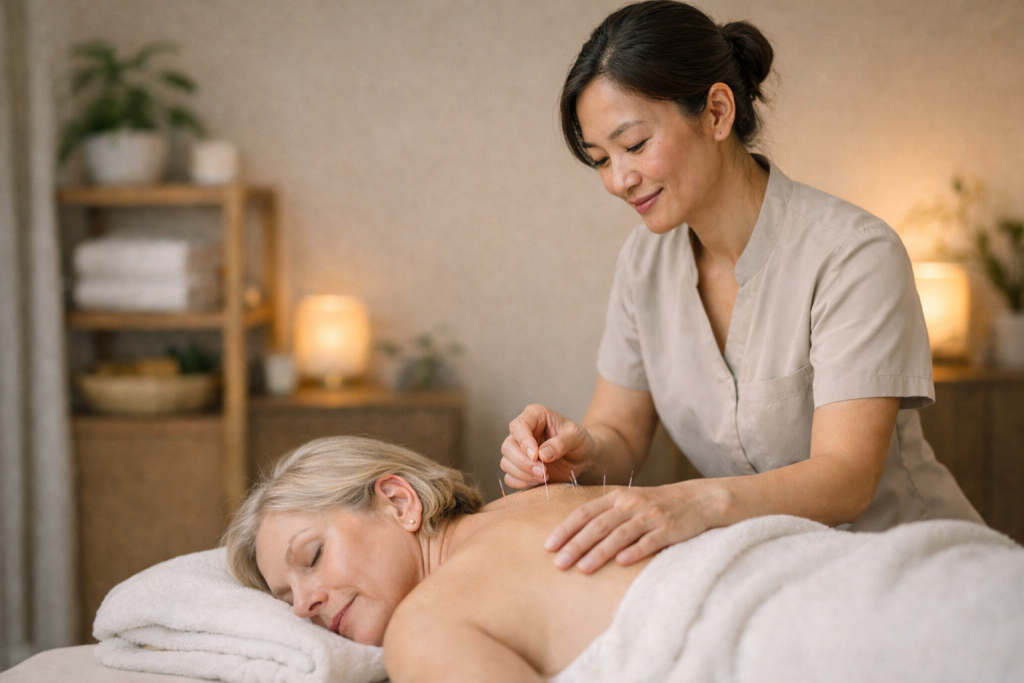
Acupuncture is one of the best-known TCM treatments. It involves the use of fine, sterile needles at selected points on the body and may be considered for certain health concerns, depending on a practitioner’s assessment.
The experience can vary from person to person. If you are considering acupuncture, ask about the treatment process, possible risks, expected sensations, and whether it is suitable for your specific circumstances.
Chinese Herbal Medicine
Chinese herbal medicine may involve formulas selected according to a practitioner’s assessment of an individual’s condition. The ingredients and dosage should be explained clearly, especially if you are taking prescription medicines or have existing health concerns.
Pro Tip: Always tell your TCM practitioner about medicines, supplements, allergies, and other treatments you are currently using. This gives them a more complete picture of your health and helps them make safer, better-informed recommendations.
Tui Na
Tui Na is a traditional Chinese therapeutic massage technique that uses different manual techniques and pressure. Depending on the clinic, it may be offered as part of a broader TCM treatment plan or as a standalone service.
Before treatment, let the practitioner know about recent injuries, pain, or conditions that may affect whether manual therapy is appropriate.
Cupping and Moxibustion
Some Chinatown TCM services may also include cupping or moxibustion. Cupping uses suction, while moxibustion uses heat associated with traditional therapeutic practices.
These treatments are not suitable for every person or every condition. A qualified practitioner should assess your needs and explain the potential benefits, limitations, and precautions before proceeding.
Chinatown TCM vs Conventional Medical Care
Chinatown TCM and conventional medical care should not always be viewed as direct competitors. They use different approaches, and the best choice can depend on the nature and urgency of the health concern.
Aspect
Chinatown TCM
Conventional Medical Care
Main approach
Traditional diagnostic and treatment principles
Evidence-based diagnosis and medical treatment
Consultation
May consider symptoms, lifestyle, and broader health patterns
Often focuses on diagnosing and managing specific conditions
Common treatments
Acupuncture, herbal medicine, Tui Na, cupping, and moxibustion
Medication, diagnostic testing, procedures, rehabilitation, and other treatments
Personalisation
Treatment may be tailored according to the practitioner’s TCM assessment
Treatment is tailored according to clinical diagnosis and medical needs
Best for emergencies
Not a substitute for emergency care
Essential for emergencies and urgent medical conditions
Combining care
May complement other care when appropriately managed
Can coordinate with other healthcare providers where appropriate
The right approach is not necessarily about choosing one system over the other. In some situations, patients may use different forms of healthcare as part of their overall care plan, provided all relevant practitioners are informed.
What Happens During Your First Chinatown TCM Consultation?
A first Chinatown TCM consultation generally starts with a conversation about your main concerns and health history. The practitioner may ask questions about symptoms, daily habits, sleep, digestion, previous treatments, and other factors relevant to the assessment.
Depending on the consultation, the practitioner may also use traditional assessment methods such as observing the tongue or checking the pulse. After this, they may explain their assessment and discuss suitable treatment options.
A typical first visit may involve:
Discussing your main concern – Explain what you are experiencing and when it started.
Reviewing your health history – Mention relevant conditions, medications, allergies, and previous treatments.
Receiving an assessment – The practitioner may use consultation and TCM assessment methods to understand your situation.
Discussing treatment options – Ask what treatment is recommended, what it involves, and what precautions apply.
Planning follow-up care – If further sessions are recommended, clarify the purpose and expected review process.
At G&G TCM, clear communication can help patients make informed decisions and know what to expect before treatment begins.
How to Choose a Trusted Chinatown TCM Practitioner
Choosing a Chinatown TCM provider should involve more than selecting the closest clinic. Take time to check the practitioner’s credentials, ask about the services offered, and make sure you are comfortable discussing your concerns openly.
Consider the following before booking:
Check that the practitioner has the appropriate qualifications and registration required in Singapore.
Ask what treatment options are available for your concern.
Find out what happens during the first consultation.
Discuss possible risks, precautions, and side effects.
Tell the practitioner about current medications and other healthcare treatments.
Avoid providers who guarantee a cure or make unrealistic promises.
Make sure you understand the treatment plan and costs before proceeding.
If you want to learn more about choosing professional TCM care and what modern clinics may offer, visit this tcm clinic guide.
Is Chinatown TCM Right for You?
Chinatown TCM may be worth exploring if you are interested in Traditional Chinese Medicine and want to discuss whether its available treatments are appropriate for your situation. The best starting point is a proper consultation rather than assuming that one treatment works the same way for everyone.
A qualified practitioner can consider your symptoms and health history before recommending an approach. This is particularly important if you have an existing medical condition, are taking medication, or are already receiving care from another healthcare provider.
G&G TCM encourages patients to ask questions, understand their treatment options, and share relevant health information. An informed conversation can help you decide whether a particular Chinatown TCM service is suitable for your needs.
How Can You Get the Most from Your Chinatown TCM Visit?
Preparing for your appointment can make the consultation more useful and help the practitioner understand your concerns. You do not need to know TCM terminology beforehand; simply provide accurate information and ask questions whenever something is unclear.
Before your visit, consider preparing:
A short description of your main concern
Information about when your symptoms began
A list of medications or supplements you take
Relevant medical history or previous diagnoses
Details about other treatments you are receiving
Questions about the recommended treatment and follow-up
It is also helpful to keep realistic expectations. Treatment response can vary based on the individual, the nature of the condition, and the type of care provided. If your symptoms change, worsen, or become urgent, seek appropriate medical attention.
Conclusion: Explore Chinatown TCM with the Right Information
Chinatown TCM offers an opportunity to explore Traditional Chinese Medicine through treatments such as acupuncture, herbal medicine, Tui Na, and other personalised approaches. The most important step is choosing qualified care, understanding what your treatment involves, and communicating openly about your health needs.
For patients interested in learning more about professional TCM services and personalised care, G&G TCM can be a useful starting point. If you would also like to explore practical solutions for creating more space and managing belongings in Singapore, visit The Storage Place to discover its storage solutions and services.ation, suitable hygiene and safety practices, and transparent information about treatment. Be cautious of guaranteed cures or claims that sound too good to be true.
FAQs Section
What is Chinatown TCM?
Chinatown TCM refers to Traditional Chinese Medicine services and clinics associated with Singapore’s Chinatown area. Services may include acupuncture, herbal medicine, Tui Na, cupping, and other TCM treatments.
Do I need a medical referral before visiting a Chinatown TCM clinic?
Requirements can vary, but many TCM consultations can be booked directly. However, if you have an existing medical condition or are receiving other treatment, sharing this information with your healthcare providers is important.
Is acupuncture the only treatment offered at Chinatown TCM clinics?
No. Depending on the clinic and practitioner, services may also include Chinese herbal medicine, Tui Na, cupping, or moxibustion. The available treatment should be based on your individual assessment.
What should I bring to my first TCM appointment?
What should I bring to my first TCM appointment?
How do I choose a Chinatown TCM clinic?
Look for an appropriately qualified practitioner, clear communication, suitable hygiene and safety practices, and transparent information about treatment. Be cautious of guaranteed cures or claims that sound too good to be true.
Experience the Power of Foot Massage for Sleep Through Traditional Chinese Medicine
At G&G TCM, true rest isn’t something we chase with temporary solutions or chemical aids. Instead, we approach it through the lens of Traditional Chinese Medicine. We focus on restoring balance to the body’s internal systems. One of the most effective ways we do that is through foot massage for sleep. This method isn’t just about soothing tired feet. It’s a deeply rooted technique that stimulates energy flow and prepares the body to shift into a calm, restorative state. We’ve seen it work for countless patients who come to us with long-standing sleep challenges.
The Role of Foot Massage for Sleep in TCM
In Traditional Chinese Medicine, the feet serve as a powerful access point to the rest of the body. They hold key meridian pathways that link to major organs, including the liver, kidneys, heart, and spleen. All of these organs play a role in sleep regulation.
By applying targeted pressure to specific areas, we’re not only relaxing surface tension. We’re engaging the nervous system, redirecting energy flow, and nudging the body toward internal balance. This is what allows foot massage for sleep to go beyond relaxation. It becomes a therapeutic approach that’s based on real diagnostic principles.
Every body is different. That’s why our foot massage sessions are always tailored. Before we begin, we assess your condition through pulse diagnosis, tongue inspection, and a short consultation to understand your energy state. If we see signs of liver fire, spleen deficiency, or heart heat (which are common culprits in restless sleep), we adjust our techniques. We adapt our pressure points and duration to help release what’s blocked and support what’s weak. Sessions usually last 30 to 45 minutes. Many patients enter a deeply relaxed, near-sleep state during the treatment. That’s one of the clearest signs that the body is moving into rest-and-digest mode.
Why Modern Life Disrupts Sleep So Easily
In our clinic, we’re constantly seeing the effects of overstimulation, irregular schedules, and emotional burnout. These modern stressors disturb the balance of Yin and Yang. Over time, they show up as insomnia, light sleep, or waking too early. We don’t believe in masking those symptoms with pills or generic advice. Instead, we help the body correct the root cause. Foot massage for sleep is one of the tools we use to calm excessive Yang and nourish deficient Yin. Both of these aspects are essential for falling and staying asleep.
Key Points We Target for Better Sleep
While every massage is personalized, there are specific zones we often focus on for improving sleep quality:
Kidney 1 (Yongquan): Found on the sole, helps ground energy and calm the mind
Heart 7 (Shenmen): Located near the wrist but reflected in foot channels, supports emotional rest
Liver 3 (Taichong): Releases internal heat and soothes irritability
Spleen zones: Aid digestion, which is closely connected to sleep in TCM theory
Stimulating these points activates the parasympathetic nervous system. This helps the mind quiet down and prepares the body for deep rest.
Supporting Your Sleep Routine Beyond the Clinic
Our work doesn’t end when the massage session is over. We also guide patients on how to support their recovery at home. After a foot massage for sleep, we often recommend simple habits that reinforce the treatment:
Evening foot soaks using warm water and herbs
Cutting screen time at least an hour before bed
Gentle stretching or basic qigong movements
Herbal teas such as jujube seed or sour date blend
All these practices support the body’s natural transition into sleep.
How Often Should You Come In?
The frequency depends on your sleep issues and how long they’ve been going on. We usually suggest starting with two sessions a week for the first few weeks. After that, we adjust based on your body’s response. We’ve helped many patients move from broken, unreliable sleep to a rhythm that feels grounded and peaceful. All of this happens without depending on medication.
What Makes G&G TCM Different?
We’re not offering a foot rub. We provide targeted therapeutic care that’s guided by centuries of Chinese medical knowledge. Each member of our team is trained in reflexology, energy mapping, and internal medicine theory. We see sleep issues as something bigger than just the mind. Through foot massage for sleep, we activate systems in the body that restore balance and support natural rest. Our goal is to help your body remember how to sleep again, in a way that’s gentle and lasting.
Ready to Let Your Body Rest Again?
If sleep feels like a daily struggle, it might be time to try a different path—one that doesn’t involve quick fixes or over-the-counter solutions. At G&G TCM, we offer focused foot massage for sleep designed to support your health from the inside out. Each session is rooted in the principles of Traditional Chinese Medicine and tailored to your body’s unique needs. Let your feet be the starting point toward deeper sleep, calmer nights, and mornings that feel a little lighter. To learn more about how our expert techniques can help you, visit G&G TCM’s website and take the first step toward better rest. To explore the specific reflexology points we stimulate during sessions and how each one supports better sleep, visit our Foot Reflexology Points guide.
FAQs Section
How does foot massage help with sleep?
Foot massage stimulates specific pressure points that are connected to the nervous system. This helps calm the body and mind, encouraging better sleep quality by promoting relaxation and improving circulation.
Is foot massage a long-term solution for sleep problems?
While results vary by person, regular foot massage can be part of a long-term approach to improving sleep, especially when combined with a healthy lifestyle and balanced routines.
How often should I get a foot massage for better sleep?
For general relaxation and sleep support, once or twice a week is a good starting point. However, those with chronic sleep issues may benefit from more frequent sessions. It’s best to consult a qualified TCM practitioner.
Are there any side effects of foot massage?
Most people find foot massage safe and relaxing. Some may feel slight soreness afterward, especially if there was tension built up. Drinking water after your session can help flush out any toxins released during the massage.
Can I combine foot massage with other TCM treatments?
Yes! Foot massage often works best when paired with other Traditional Chinese Medicine approaches such as acupuncture, cupping, or herbal therapy, depending on your body’s needs.
If you’re looking for a relaxing and effective massage in Chinatown Singapore, you’re in the right place. Chinatown is known for more than its delicious food and vibrant culture, it’s also home to traditional healing practices that have been trusted for centuries. At G&G TCM Medical, we offer authentic Traditional Chinese Medicine (TCM) massage therapies that not only relax your body but also improve your health from the inside out.
In this blog, we’ll share the benefits of massage in Chinatown, what makes TCM massage special, and why many locals and tourists trust G&G TCM Medical for professional and personalized care.
Why Choose a Massage in Chinatown Singapore?
Chinatown is rich in culture, heritage, and healing. Many TCM clinics here, like G&G TCM Medical, are operated by experienced practitioners who follow ancient healing techniques. Here’s why getting a massage in Chinatown is a good idea:
Convenient location: Easily accessible by MRT and surrounded by other wellness spots.
Affordable pricing: Many TCM clinics offer competitive rates compared to high-end spas.
Experienced therapists: Many have trained in both modern anatomy and traditional Chinese medicine.
Authentic treatments: Massage here is not just for relaxation—it’s for healing.
What Makes TCM Massage Different?
Not all massages are the same. At G&G TCM Medical, we don’t just “rub and relax”. We help restore your body’s natural balance through targeted pressure points, deep tissue movements, and energy flow (Qi) work.
Our massage therapy is rooted in TCM principles, which see the body as an interconnected system. Pain, stress, and fatigue are often signs that your Qi (vital energy) is blocked. Using techniques like Tuina massage, acupressure, and Gua Sha, we help release these blockages and allow your body to heal naturally.
At G&G TCM Medical, our team is led by certified TCM physicians and trained therapists with years of experience in treating real health conditions. Whether you’re struggling with back pain, stiff shoulders, chronic fatigue, or even stress-related tension, we have helped many patients just like you.
Our clinic combines the wisdom of traditional Chinese medicine with modern hygiene and comfort. You’re not just getting a massage, you’re getting care that comes from a deep understanding of the human body, energy channels, and natural healing.
Who Should Try TCM Massage?
You don’t need to be in pain to enjoy TCM massage. It’s perfect for:
Office workers with stiff shoulders or backaches.
Athletes needing muscle recovery.
Seniors with joint pain.
Anyone feeling tired, stressed, or out of balance.
Visitors to Singapore looking for an authentic wellness experience.
Our services are suitable for all ages, and we customize each session based on your needs and health conditions. To find out how Traditional Chinese Medicine supports long-term balance and illness prevention, check out our article on TCM preventive medicine.
Visit G&G TCM Medical Today
If you’re searching for the best Chinatown massage in Singapore, G&G TCM Medical is your trusted choice. Our clinic is warm, welcoming, and backed by real TCM knowledge. We focus on your long-term wellness, not just short-term relief.
Visit our website at G&G TCM Medical to explore our full list of services, including Tuina, acupuncture, herbal remedies, and cupping therapy. We’re proud to serve both locals and international guests who want real, effective healing from trusted professionals. Book your appointment today and experience the difference!
FAQs Section
What makes TCM massage different from regular massage?
TCM massage focuses on restoring balance in your body using pressure points, meridian lines, and energy flow (Qi). Unlike regular massage, it is based on Traditional Chinese Medicine and is often used for healing specific health issues, not just for relaxation.
Is the massage painful?
Most people find TCM massage deeply relaxing. Some techniques, like Tuina or Gua Sha, may feel strong or intense at times, but they should never feel unbearable. Our therapists will always adjust the pressure based on your comfort level.
Can I choose which body part to focus on?
Yes! At G&G TCM Medical, each session is customized based on your needs. Whether you want to focus on your back, shoulders, neck, or legs, we’ll adjust the treatment to target your problem areas.
Do I need an appointment or can I walk in?
We welcome walk-ins, but to avoid waiting times, we recommend booking an appointment in advance through our website: G&G TCM Medical.
Pain can affect your daily life. Whether it’s back pain, neck pain, or even sore joints, it’s hard to enjoy your day when your body doesn’t feel right. At G&G TCM Medical, we believe in healing the body naturally. One of our most trusted methods is Tuina for pain relief, a Traditional Chinese Medicine (TCM) therapy that’s helped people for thousands of years.
In this article, we’ll explain what Tuina is, how it helps relieve pain, and why so many people in Singapore trust it as part of their healing journey.
What is Tuina?
Tuina (pronounced “twee-nah”) is a hands-on TCM treatment. It’s like a therapeutic massage, but it’s much more than just relaxing. Tuina focuses on specific pressure points, energy channels (meridians), and muscle groups to help the body heal.
Our skilled TCM practitioners at G&G TCM Medical use Tuina to:
Improve blood circulation.
Unblock energy (Qi) flow.
Relax tight muscles.
Ease joint and nerve pain.
Support faster healing.
Unlike a spa massage, Tuina is more targeted. We don’t just rub muscles, we work on fixing the root of your pain.
How Tuina Relieves Pain
Pain in TCM is often seen as a blockage, when blood and Qi (your body’s natural energy) can’t move freely. This could be due to injury, stress, bad posture, or long hours sitting at work. Tuina helps remove these blockages by applying the right pressure, stretches, and movements. When your Qi and blood flow better, your pain starts to fade.
Tuina can help with many types of pain, including:
Lower back pain.
Neck and shoulder stiffness.
Knee and joint pain.
Headaches and migraines.
Sciatica and nerve pain.
Sports injuries.
Each session is personalized. Our practitioners will first assess your condition, then apply the best Tuina technique that fits your needs.
What to Expect During a Tuina Session
At G&G TCM Medical, we make sure you feel safe and comfortable. Here’s what a typical Tuina session looks like:
Consultation: We listen to your concerns and assess your condition.
Diagnosis: We check your pulse, ask about your lifestyle, and examine areas of pain.
Treatment: You lie down fully clothed on a comfortable bed while our practitioner applies Tuina techniques using hands, fingers, elbows, or tools.
Aftercare Tips: We guide you on how to care for your body after the session.
You may feel pressure during the session, but it should never be painful. Most people say they feel lighter and more relaxed afterward.
Start Your Healing Journey Today
If you’re tired of dealing with pain every day, Tuina might be the answer. Our caring and experienced TCM team is ready to help you feel better, naturally.
Visit G&G TCM Medical to learn more about our Tuina therapy and book your appointment with G&G TCM Medical today. At G&G TCM Medical, we’ve helped countless patients in Singapore find relief from pain using Tuina and other TCM therapies. Our clinic combines ancient wisdom with modern care. Every treatment plan is tailored to your body, your pain, and your health goals.
We are proud of our reputation, and we continue to improve our skills through training and study. When you come to us, you’re not just getting a massage, you’re receiving care from experts who truly understand your body. Read also our blog about the best foot massage in singapore.
FAQs Section
What is the difference between Tuina and a regular massage?
Tuina is a type of Traditional Chinese Medicine that focuses on healing, not just relaxing. It uses special hand movements to target pressure points, muscles, and energy channels to relieve pain and fix the root cause of the problem.
Is Tuina painful?
You may feel pressure, especially on tight or sore areas, but it should not be painful. Most people find it relieving and feel better after the session. Our experienced practitioners always check in to make sure you’re comfortable.
How long does a Tuina session last?
A typical session lasts between 30 to 60 minutes, depending on your condition and treatment needs.
Can Tuina treat chronic pain?
Yes, Tuina can help manage and reduce long-term pain such as back pain, neck pain, joint stiffness, and muscle tension. Regular sessions may help improve your overall condition.
Is Tuina safe for everyone?
Tuina is generally safe, but we do a full consultation first. If you have certain health issues (like fractures or severe skin conditions), we may recommend a different treatment.
Can I combine Tuina with other TCM treatments?
Absolutely! Many patients combine Tuina with acupuncture, cupping, or herbal medicine for better results. At G&G TCM Medical, we’ll create a custom treatment plan just for you.
Ba guan, also known as cupping therapy, is a popular Traditional Chinese Medicine (TCM) treatment. Many people in Singapore use it to ease muscle pain, improve blood flow, and reduce stress. But like any treatment, ba guan (拔罐) may come with side effects. Knowing what’s normal and what to expect can help you feel more confident and comfortable.
At G&G TCM Medical, we’ve been helping people through safe and effective TCM care for many years. Our team of experienced and licensed practitioners ensures that each treatment is done with care, knowledge, and your health in mind.
In this blog, let’s explore the common side effects of ba guan, why they happen, and how we handle them professionally.
Common Ba Guan Side Effects
1. Red or Purple Marks on Skin
This is the most noticeable side effect. These round marks are not bruises, they’re signs that blood and energy (Qi) were stuck and are now moving freely. The color and size of the marks can vary based on your condition. They usually go away within 3 to 7 days.
2. Soreness or Tenderness
After the session, the skin under the cups might feel sore or sensitive. This is normal and should go away in a day or two. It’s just your body responding to the treatment.
3. Tiredness or Dizziness
Some people feel sleepy or lightheaded after ba guan. This is because your body is relaxing and adjusting. Make sure to drink water and rest after your treatment.
4. Mild Skin Irritation
If your skin is sensitive, you might notice some itchiness or redness. At G&G TCM Medical, we always check your skin condition before treatment and use proper hygiene to avoid irritation or infection.
Rare Side Effects (And How We Prevent Them)
While most people only experience mild effects, rare side effects can include:
Blisters or Burns (usually from too much heat): We use proper techniques and equipment to control the suction level and avoid overheating the cups.
Skin Infection: This is very rare. Our team at G&G TCM Medical always uses clean and sterilized cups and follows strict hygiene rules.
Worsened Symptoms: In rare cases, your symptoms may seem worse before they get better. This is sometimes called a “healing crisis.” We always monitor your condition closely and adjust your treatment if needed.
How Ba Guan Supports Healing and Overall Health
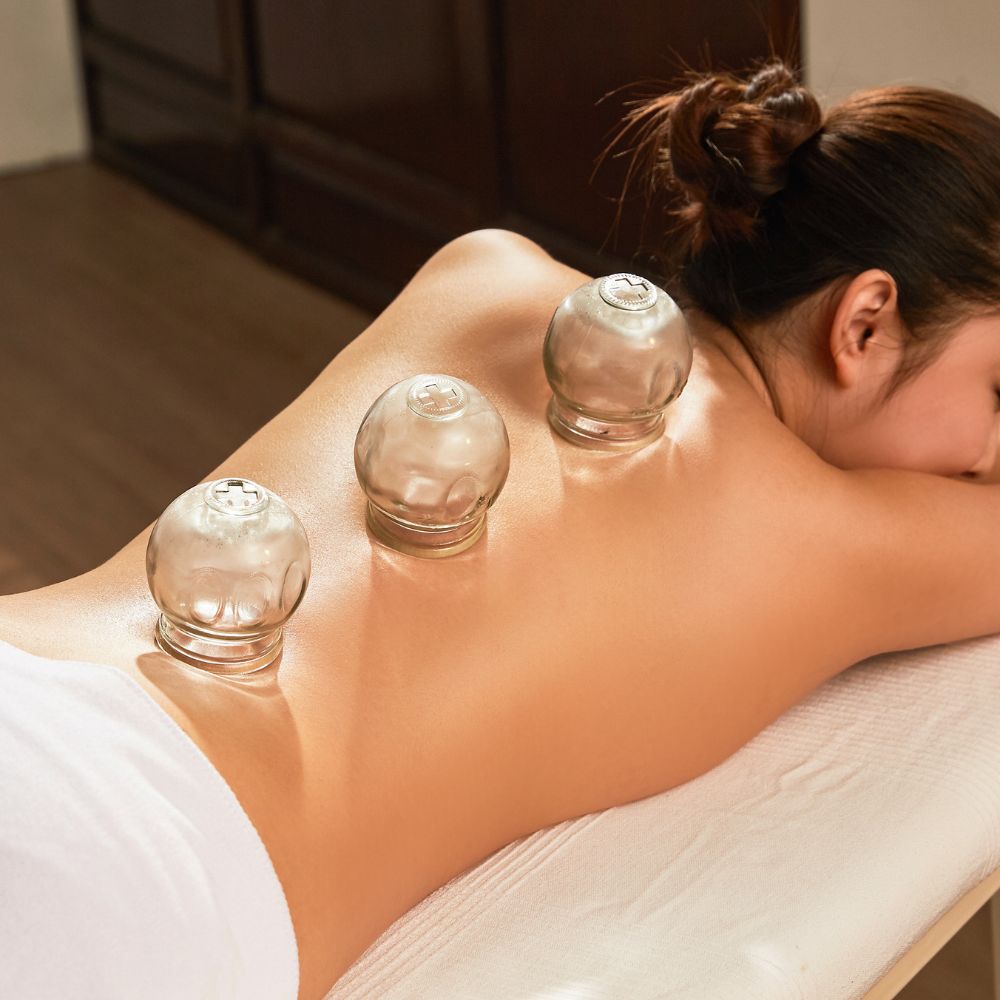
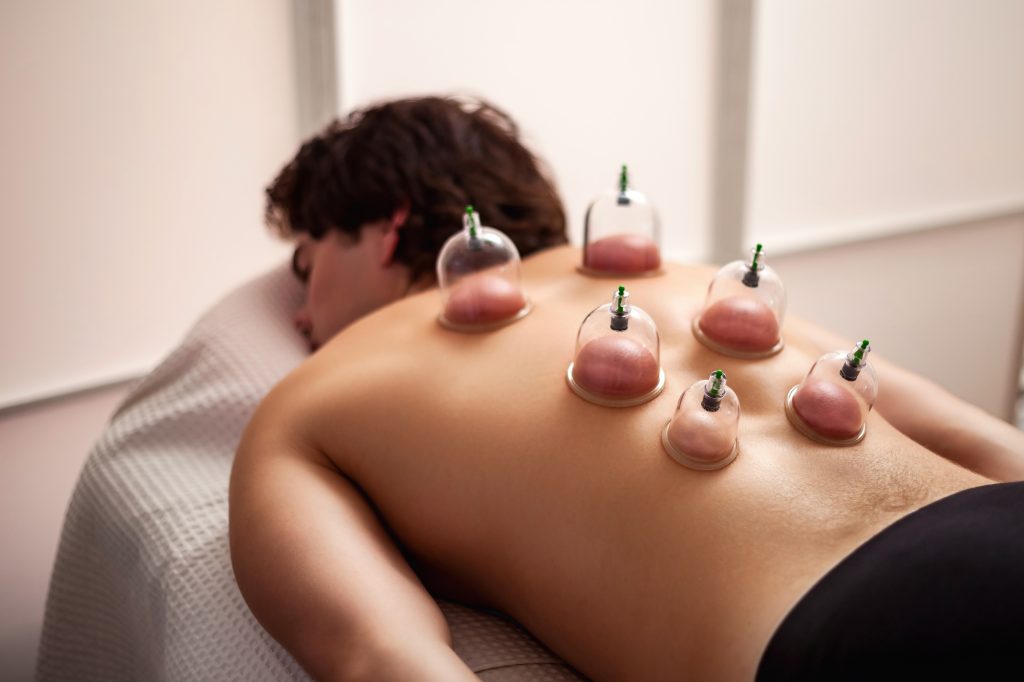
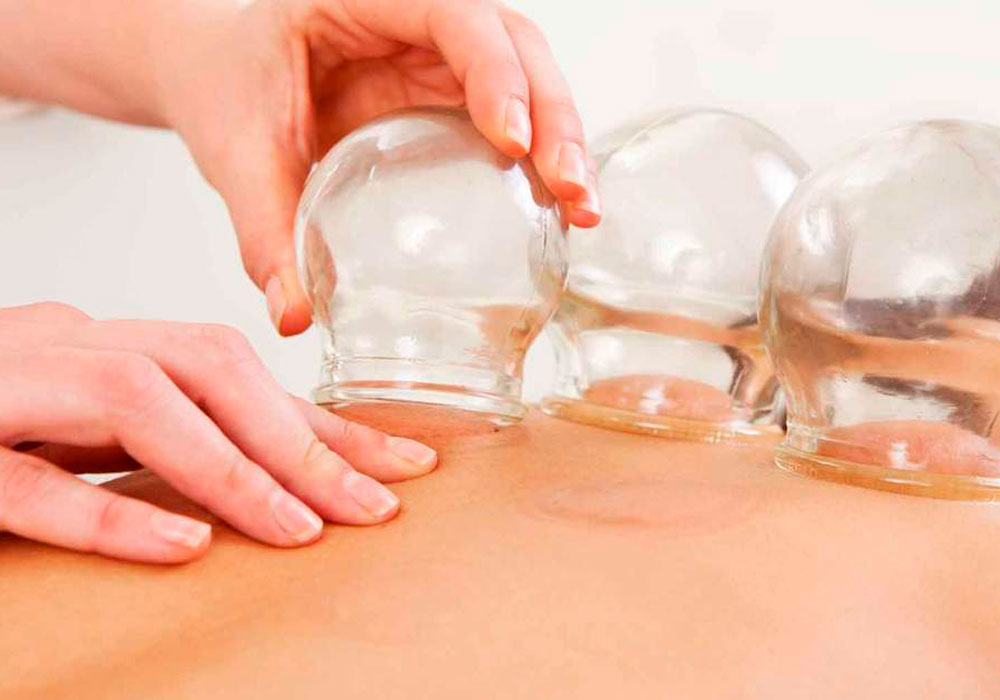
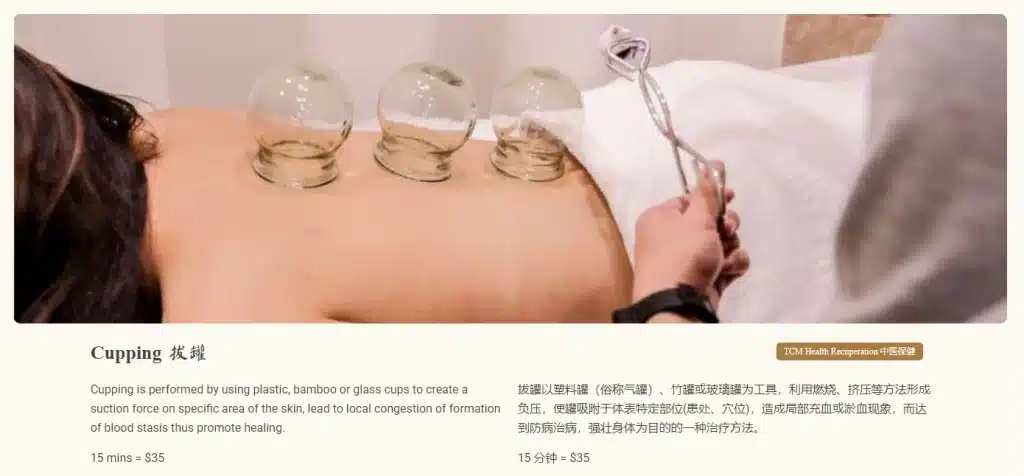
Beyond understanding the side effects, it’s also helpful to know how ba guan works inside the body and why this Traditional Chinese Medicine (TCM) technique has been used for thousands of years. Ba guan, or cupping, uses suction cups placed on specific points of the skin, usually on the back, shoulders, or other areas with muscle tension. When the cups are applied, they create a gentle vacuum that lifts the skin and underlying tissue.
This simple yet powerful cupping technique helps promote blood flow, improve circulation, and reduce stagnation, which TCM believes is a common cause of pain, swelling, and chronic conditions. The suction encourages the movement of Qi (energy) within the body, helping restore natural balance. For many patients, this method offers effective health benefits, including muscle relaxation, better mobility, and long-lasting relief.
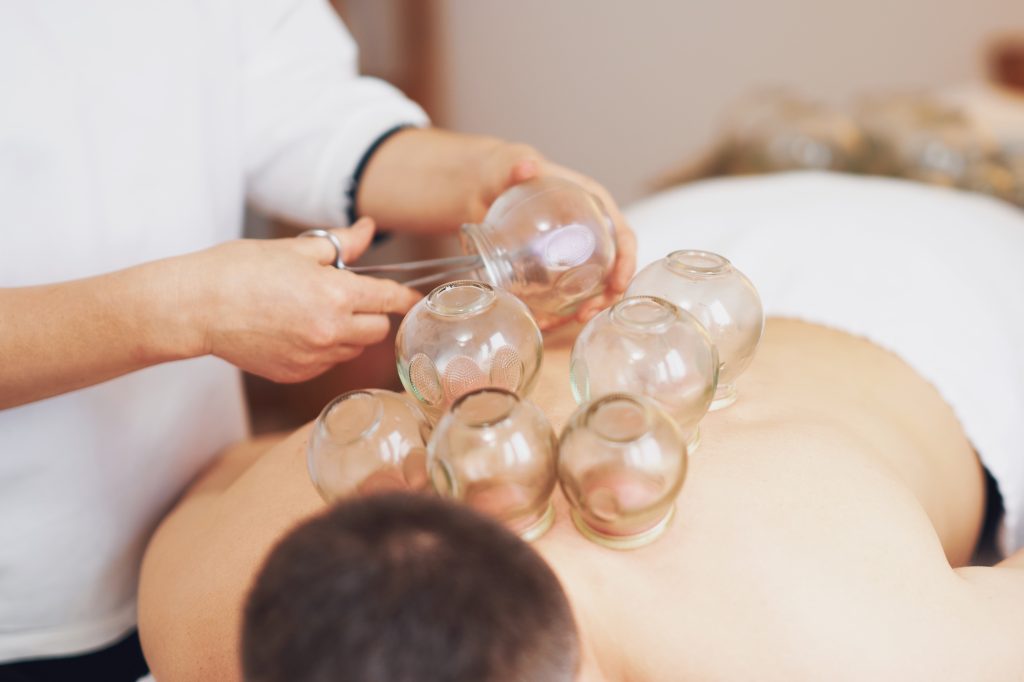
In TCM practice, ba guan is often used alongside acupuncture or herbal therapy to enhance overall healing. Some people refer to it as a form of cupping massage, because the technique not only targets physical discomfort but also promotes deep relaxation. The glass or fire-heated cups may leave temporary marks, but these are normal signs that the body is releasing toxins and improving blood flow within the treated area.
Whether used for chronic pain, tension, or general wellness, ba guan remains a safe and natural treatment widely practiced in Chinese medicine today. With proper technique, controlled pressure, and trained practitioners, this ancient medical method continues to offer powerful health benefits for people seeking a more balanced and healthier system.
How G&G TCM Medical Keeps You Safe
With over a decade of hands-on experience in TCM and cupping therapy, our licensed practitioners in Singapore know how to deliver treatments safely and effectively. We never rush. We take the time to listen to your concerns, check your body condition, and choose the right cupping method for you. We also explain every step before your session so you know what to expect. Your safety and comfort are always our top priorities.
Ba guan therapy offers many great benefits, from pain relief to better sleep and more energy. While there are some mild side effects, they’re usually temporary and part of your body’s natural healing process. When done by trained professionals like those at G&G TCM Medical, ba guan is safe, relaxing, and effective. To know more about the benefits, you can explore our previous article about the benefits of ba guan.
Are you ready to try ba guan in Singapore with confidence? Visit G&G TCM Medical today to book your session with our skilled TCM team. Whether you’re new to cupping or looking for a trusted place to return, we’re here to help you feel your best.
FAQs Section
Is Ba Guan painful?
Not really. Most people feel a gentle pulling or tightness where the cups are placed. Some even say it’s relaxing! Mild bruising is normal and fades in a few days.
How long does a cupping session last?
A typical Ba Guan session lasts about 15 to 30 minutes, depending on your needs. Your TCM practitioner at G&G TCM Medical will guide you through every step.
Who should avoid Ba Guan therapy?
Ba Guan is generally safe, but people with sensitive skin, bleeding disorders, or those who are pregnant should talk to a TCM physician first.
Can I combine Ba Guan with other TCM treatments?
Yes! Many patients at G&G TCM Medical combine cupping with acupuncture or herbal medicine for better results. Our doctors will create a plan that suits you best.
Where can I get Ba Guan therapy in Singapore?
You can visit us at G&G TCM Medical! We offer safe and personalized Ba Guan therapy. Book your session at G&G TCM Medical today.
In todayBa Guan, also known as cupping therapy, remains one of the most sought-after Traditional Chinese Medicine (TCM) treatments in Singapore. Known for its ability to promote circulation, relieve muscle tension, and support overall wellness, Ba Guan is commonly used by individuals seeking a natural approach to pain management and recovery.
As more people look for holistic healthcare options in 2026, Ba Guan continues to be recommended by TCM practitioners for a wide range of conditions, from neck and shoulder stiffness to sports-related discomfort and stress-related tension.
What Is Ba Guan?
Ba Guan is a traditional therapy that involves placing specially designed cups on the skin to create gentle suction. This suction stimulates blood circulation, encourages the movement of Qi (energy), and helps release muscle tightness.
In Traditional Chinese Medicine, stagnant Qi and blood flow are believed to contribute to discomfort and illness. Ba Guan aims to restore balance within the body by improving circulation and supporting the body’s natural healing mechanisms.
Today, Ba Guan in Singapore is commonly integrated with other TCM treatments such as acupuncture, herbal medicine, and Tuina massage for a more comprehensive wellness approach.
Why Is Ba Guan Popular in Singapore?
Ba Guan has gained popularity because it is non-invasive, relatively quick, and suitable for many individuals experiencing modern lifestyle-related issues.
Common reasons people seek Ba Guan treatment include:
Neck and shoulder tension
Back pain
Muscle stiffness
Sports recovery
Fatigue
Stress-related discomfort
Poor circulation
General wellness maintenance
With long working hours and sedentary lifestyles becoming increasingly common, many Singapore residents turn to Ba Guan as part of their regular health management routine.
Pro Tip: For optimal results, combine Ba Guan with proper hydration, stretching, and adequate rest after treatment. Many TCM practitioners also recommend pairing it with acupuncture for enhanced therapeutic benefits.
How Does Ba Guan Work?
The suction created by the cups gently lifts the skin and underlying tissues. This process helps increase blood flow to targeted areas while encouraging relaxation of tight muscles.
Modern research also suggests that cupping therapy may contribute to temporary pain relief, improved local circulation, and muscle recovery for certain individuals.
Conditions Commonly Treated with Ba Guan
Ba Guan is frequently used as part of a broader treatment plan for various musculoskeletal and wellness concerns.
Neck and Shoulder Pain
Office workers often experience prolonged muscle tension from desk work and device usage. Ba Guan may help reduce tightness and improve mobility.
Back Pain
Many patients seek Ba Guan for lower back discomfort, stiffness, and postural-related strain.
Sports Recovery
Athletes and active individuals often use Ba Guan to support recovery after intense physical activity.
Stress and Fatigue
TCM practitioners may recommend Ba Guan to promote relaxation and help reduce physical manifestations of stress.
Muscle Tightness
Localized muscle tension in areas such as the calves, thighs, shoulders, and upper back can often respond well to cupping therapy.
Ba Guan vs Other TCM Treatments
Each TCM treatment serves a different purpose. Understanding the differences can help patients choose the most suitable approach.
Treatment
Primary Purpose
Best For
Sensation
Ba Guan
Improve circulation and relieve muscle tension
Muscle tightness, pain relief, recovery
Gentle suction
Acupuncture
Stimulate meridian points
Pain management, internal health conditions
Fine needle sensation
Tuina Massage
Manual therapy and muscle manipulation
Musculoskeletal issues
Deep tissue pressure
Herbal Medicine
Internal balance and long-term support
Chronic conditions and wellness
Oral treatment
In many cases, TCM practitioners recommend combining multiple therapies for a more comprehensive treatment plan.
Understanding the Role of Ba Guan in TCM
Ba Guan has been used for centuries as part of Traditional Chinese Medicine and continues to play an important role in modern clinical practice.
For a deeper understanding of how this therapy supports overall health, explore the role of baguan in tcm and learn how practitioners integrate it into holistic treatment strategies.
Understanding the broader TCM philosophy behind Ba Guan can help patients make more informed decisions about their wellness journey.
What Should You Expect During a Ba Guan Session?
A typical Ba Guan session begins with a consultation to assess your condition and treatment goals.
The practitioner will:
Identify treatment areas.
Apply cups to the skin.
Create suction using specialized techniques.
Leave the cups in place for a designated period.
Remove the cups and evaluate the response.
Most sessions last between 15 and 30 minutes, depending on the individual’s needs and treatment plan.
It is normal to notice circular marks after treatment. These marks are temporary and typically fade within several days.
Is Ba Guan Safe?
When performed by qualified TCM practitioners, Ba Guan is generally considered safe for most individuals.
However, certain people should seek professional advice before treatment, including:
Pregnant individuals
People with bleeding disorders
Those with severe skin conditions
Individuals taking blood-thinning medications
A professional consultation helps ensure the treatment is appropriate for your specific health circumstances.
How Often Should You Get Ba Guan?
The ideal treatment frequency depends on your condition, lifestyle, and wellness goals.
General guidelines include:
Acute muscle tension: 1–2 sessions per week
Recovery support: Weekly or bi-weekly
Wellness maintenance: Monthly sessions
Chronic conditions: As recommended by your practitioner
A personalized treatment plan will provide the most effective results.
Why Choose Professional Ba Guan Treatment in Singapore?
Receiving treatment from experienced TCM practitioners ensures proper assessment, technique, and safety standards.
Professional clinics can tailor treatments based on:
Medical history
Lifestyle factors
Pain patterns
Recovery goals
Overall wellness objectives
At G&G TCM, practitioners take a personalized approach to help patients achieve optimal outcomes through evidence-informed TCM care and traditional therapeutic techniques.
Conclusion
Ba Guan in Singapore continues to be a trusted Traditional Chinese Medicine therapy for pain relief, muscle recovery, circulation support, and overall wellness. Whether you are dealing with muscle tension, sports-related discomfort, or stress-related symptoms, Ba Guan may provide a natural and effective complement to your healthcare routine.
If you are considering professional Ba Guan treatment, consult the experienced practitioners at G&G TCM for a personalized assessment and treatment plan. Visit G&G TCM to learn more about available TCM services and begin your wellness journey today.
FAQs Section
Is Ba Guan painful?
Not really. Most people feel a gentle pulling or tightness where the cups are placed. Some even say it’s relaxing! Mild bruising is normal and fades in a few days.
How long does a cupping session last?
A typical Ba Guan session lasts about 15 to 30 minutes, depending on your needs. Your TCM practitioner at G&G TCM Medical will guide you through every step.
Who should avoid Ba Guan therapy?
Ba Guan is generally safe, but people with sensitive skin, bleeding disorders, or those who are pregnant should talk to a TCM physician first.
Can I combine Ba Guan with other TCM treatments?
Yes! Many patients at G&G TCM Medical combine cupping with acupuncture or herbal medicine for better results. Our doctors will create a plan that suits you best.
Where can I get Ba Guan therapy in Singapore?
You can visit us at G&G TCM Medical! We offer safe and personalized Ba Guan therapy. Book your session at G&G TCM Medical today.
Have you ever seen round purple marks on someone’s back and wondered what they are? Those marks often come from Ba Guan, also known as cupping therapy. This ancient Chinese healing method has been used for thousands of years, and it’s still going strong today!
At G&G TCM Medical, our team uses Ba Guan to help people feel better naturally. Whether you have back pain, low energy, or just want to boost your overall wellness, Ba Guan might be the treatment you didn’t know you needed.
Let’s explore the top the benefits of ba guan and why it’s becoming more popular in Singapore and around the world.
What Is The Benefits of Ba Guan?
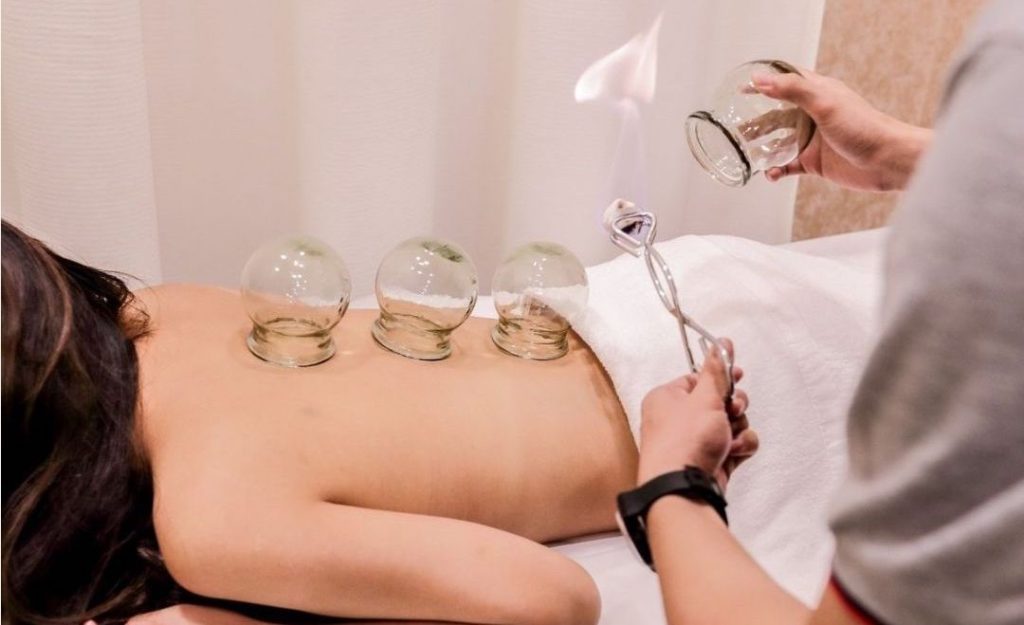
Ba Guan, or cupping therapy, involves placing special cups on the skin to create suction. This suction pulls the skin slightly upward. It helps stimulate blood flow, relax tight muscles, and draw out toxins. Depending on your needs, the cups may stay in one place or be gently moved around your body.
At G&G TCM Medical, our TCM practitioners use both fire cupping and modern vacuum cupping, depending on what’s best for you.
1. Pain Relief
One of the most popular ba guan benefits is pain relief. The suction from the cups helps increase blood circulation in sore areas. This brings more oxygen and nutrients to your muscles, which helps reduce pain. We’ve helped many patients at G&G TCM Medical relieve chronic pain, such as:
Back and neck pain.
Shoulder stiffness.
Knee pain.
Muscle soreness after exercise.
After just a few sessions, many people feel lighter and more relaxed!
2. Detox and Improved Circulation
Do you often feel tired, heavy, or bloated? This could be due to poor circulation or toxin buildup in your body. Ba Guan is known for helping the body detox naturally.
Cupping opens the skin’s pores and increases blood flow. This encourages your body to flush out toxins through sweat, urine, or bowel movements. At G&G TCM Medical, we often recommend Ba Guan as part of a full detox plan, especially when paired with herbs or acupuncture.
3. Energy Boost
In Traditional Chinese Medicine (TCM), feeling tired all the time may be a sign of energy imbalance. Ba Guan helps stimulate your Qi (energy flow) by clearing blockages in your body. After treatment, many of our clients say they feel more awake, refreshed, and motivated. Some even say their sleep and mood improve too!
4. Stress Relief
Feeling stressed or anxious? You’re not alone. Thankfully, Ba Guan is a great way to calm the mind and body. The warmth and suction of the cups activate your parasympathetic nervous system. This tells your body to relax. At G&G TCM Medical, we often combine cupping with calming TCM therapies to help our clients reduce stress, headaches, and even insomnia.
5. Support for Respiratory Health
Ba Guan isn’t just for muscles. It also supports lung health. Many people use cupping therapy to ease coughs, asthma, and colds. By placing cups on the upper back, we help the lungs release phlegm and improve breathing.
Conclusion: Let Ba Guan Help You Feel Better
Ba Guan is simple, safe, and full of healing power. Whether you’re dealing with pain, fatigue, stress, or just want to give your body a boost, this traditional therapy can be a great choice. Understanding both the benefits and side effects of Ba Guan ensures a more informed wellness journey. Explore the side effects in this article.
At G&G TCM Medical, we believe in caring for the body as a whole. Our professional team is here to guide you through natural healing with respect, care, and deep expertise. Visit our website at G&G TCM Medical to learn more and book your appointment today. Feel lighter, healthier, and more balanced with the gentle power of Ba Guan.
Not really. Most people feel a gentle pulling or tightness where the cups are placed. Some even say it’s relaxing! Mild bruising is normal and fades in a few days.
How long does a cupping session last?
A typical Ba Guan session lasts about 15 to 30 minutes, depending on your needs. Your TCM practitioner at G&G TCM Medical will guide you through every step.
Who should avoid Ba Guan therapy?
Ba Guan is generally safe, but people with sensitive skin, bleeding disorders, or those who are pregnant should talk to a TCM physician first.
Can I combine Ba Guan with other TCM treatments?
Yes! Many patients at G&G TCM Medical combine cupping with acupuncture or herbal medicine for better results. Our doctors will create a plan that suits you best.
Where can I get Ba Guan therapy in Singapore?
You can visit us at G&G TCM Medical! We offer safe and personalized Ba Guan therapy. Book your session at G&G TCM Medical today.