

TCM lifestyle tips are everyday wellness practices inspired by Traditional Chinese Medicine (TCM) that focus on maintaining balance between physical health, mental well-being, nutrition, sleep and daily activities. These practices encourage people to understand their individual needs, develop healthier routines and maintain a balanced lifestyle through consistent habits.
Traditional Chinese Medicine views health as an interaction between the body, mind and surrounding environment. Concepts such as Yin and Yang, Qi (vital energy) and individual body constitution influence how TCM practitioners approach lifestyle recommendations. In modern daily life, these principles can complement practical habits such as eating balanced meals, staying physically active, managing stress and getting sufficient sleep.
For people with busy schedules, adopting TCM lifestyle tips does not require completely changing their routines. Small adjustments, such as incorporating gentle movement, maintaining regular meal times and creating a relaxing bedtime routine, can help support overall well-being.
1. Start Your Morning with Gentle Movement
Starting the morning with gentle movement is one of the simplest TCM lifestyle tips for building a healthier daily routine. Traditional Chinese Medicine values regular movement to support the circulation of Qi and blood, while modern health guidance also recognises the importance of physical activity for overall well-being.
Instead of beginning the day with prolonged screen time, consider introducing simple activities that help your body transition into the day.
Some morning activities to try include:
- Qigong: A traditional Chinese practice combining gentle movements, controlled breathing and mental focus.
- Tai Chi: Slow, coordinated movements that encourage balance, flexibility and body awareness.
- Gentle stretching: Simple stretches for the shoulders, neck, back and legs.
- Morning walks: A convenient way to incorporate movement and spend time outdoors.
You do not need an intense workout to establish a consistent morning routine. Start with comfortable activities and gradually build a routine that suits your physical abilities.
2. Choose Balanced Meals Based on Your Daily Needs
Food plays an important role in Traditional Chinese Medicine. TCM dietary principles consider factors such as food properties, seasonal changes and individual constitution when discussing suitable eating habits.
One of the most practical TCM lifestyle tips is to maintain balanced meals rather than following restrictive dietary rules. Different people have different nutritional needs, so there is no single TCM diet that works for everyone.
Consider these everyday eating habits:
- Include vegetables and fruits in your meals.
- Choose whole grains and other fibre-rich foods.
- Include appropriate sources of protein, such as eggs, fish, beans or lean meat.
- Maintain regular meal times when possible.
- Drink sufficient water throughout the day.
- Limit excessive consumption of highly processed foods and sugary drinks.
In TCM, foods are sometimes described using traditional warming and cooling properties. These classifications form part of traditional dietary practice, but they should not replace established nutritional guidance.
The World Health Organization’s 2026 healthy diet guidance highlights four important principles: adequacy, balance, moderation and diversity.
3. Maintain a Consistent Sleep Schedule
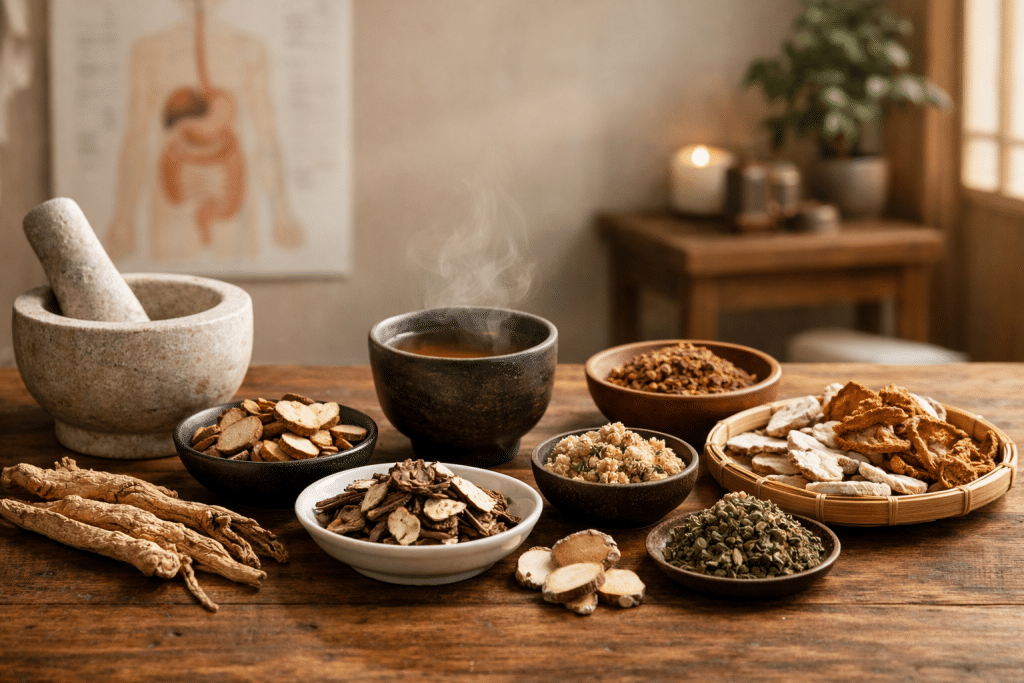
Sleep is an important part of maintaining physical and mental well-being. TCM traditionally connects restorative sleep with the body’s ability to maintain balance and recover from daily activities.
A consistent sleeping routine is one of the most useful TCM lifestyle tips because it encourages regular rest rather than relying on irregular sleeping patterns.
Try these practical habits:
- Maintain a consistent bedtime and waking time.
- Reduce screen exposure before going to sleep.
- Keep your bedroom comfortable, quiet and dark.
- Avoid heavy meals immediately before bedtime.
- Limit caffeine consumption later in the day.
- Develop a relaxing bedtime routine.
Some traditional TCM teachings describe a two-hour body clock that associates particular periods with different organ systems. This is a traditional framework rather than a scientifically established schedule for human organ function.
Instead of following strict organ-clock timings, focus on getting sufficient sleep and maintaining a routine that fits your daily responsibilities.
4. Manage Stress Through Mindful Daily Practices
Emotional well-being is another important aspect of Traditional Chinese Medicine. TCM recognises the relationship between emotional experiences and physical well-being, encouraging individuals to maintain balance through mindful daily activities.
Modern life can involve work demands, academic responsibilities, family commitments and constant digital communication. Without regular opportunities to relax, these pressures may affect sleep, concentration and general well-being.
Here are several practical ways to manage everyday stress:
- Practise slow, comfortable breathing.
- Take short breaks between demanding activities.
- Spend time outdoors when possible.
- Try journaling to organise your thoughts.
- Participate in relaxing activities that you enjoy.
- Maintain meaningful social connections.
Tai Chi and Qigong are also traditional practices that combine movement, breathing and mental attention. They may be useful additions to a wellness routine.
Remember that lifestyle practices are not substitutes for professional support when stress or emotional difficulties become overwhelming.
5. Stay Hydrated and Pay Attention to Digestion
Hydration and digestive health are important parts of everyday wellness. Traditional Chinese Medicine places considerable emphasis on digestive function, particularly through its concept of the Spleen and Stomach systems.
One of the easiest TCM lifestyle tips to adopt is drinking enough water and developing regular eating habits.
Consider these simple practices:
- Drink water regularly throughout the day.
- Eat meals at reasonably consistent times.
- Chew food thoroughly and avoid rushing meals.
- Include fibre-rich foods in your diet.
- Pay attention to foods that cause discomfort.
- Avoid frequently skipping meals when possible.
Some traditional TCM dietary approaches favour warm, cooked meals, such as porridge, soups and steamed vegetables. These can be included in a balanced diet, but cold foods are not automatically unhealthy or unsuitable for everyone.
If you experience persistent digestive discomfort, consult an appropriate healthcare professional instead of relying solely on dietary adjustments.
6. Adjust Your Lifestyle According to Seasonal Changes
Seasonal changes can influence daily routines, clothing choices, food preferences and outdoor activities. Traditional Chinese Medicine encourages people to observe their surrounding environment and adjust their habits accordingly.
This does not mean following strict seasonal food restrictions. Instead, it involves making practical adjustments based on weather conditions and personal comfort.
For example:
During warmer weather:
- Stay hydrated throughout the day.
- Choose lighter, balanced meals.
- Wear comfortable clothing.
- Avoid excessive exposure to intense heat.
During cooler or rainy weather:
- Wear suitable clothing to remain comfortable.
- Enjoy nourishing meals such as soups.
- Continue regular indoor physical activity.
- Maintain consistent sleep habits.
In Singapore’s tropical climate, hydration, sun protection and comfortable clothing are particularly relevant everyday considerations.
Seasonal awareness is one of the more adaptable TCM lifestyle tips because it encourages people to respond to their environment rather than follow an inflexible routine.
7. Explore Traditional Wellness Practices Safely
Traditional Chinese Medicine includes several practices that may complement an individual’s general wellness routine. These include acupuncture, Tuina, Tai Chi, Qigong, cupping and Chinese herbal medicine.
However, each approach has different purposes, potential benefits and safety considerations. Scientific evidence also varies depending on the specific practice and health concern.
Here is a comparison of several commonly known TCM practices:
| TCM Practice | Traditional Purpose | Important Consideration |
|---|---|---|
| Acupuncture | Stimulating specific acupuncture points | Should be performed by a qualified practitioner using sterile, single-use needles |
| Tuina | Traditional therapeutic massage techniques | Techniques should be adapted to individual needs |
| Cupping | Applying suction to selected areas | May cause temporary skin marks and is not suitable for everyone |
| Qigong | Combining gentle movement and breathing | Movements should be comfortable and appropriate |
| Tai Chi | Supporting balance and coordinated movement | Can be adapted to different physical abilities |
| Chinese Herbal Medicine | Traditional herbal approaches to health | Requires professional assessment because herbs can interact with medicines |
If you are interested in exploring traditional therapies, G&G TCM offers services including acupuncture and Tuina as part of its Traditional Chinese Medicine approach.
For individuals experiencing muscle tension or physical discomfort, learning more about Tuina therapy services may be a useful starting point.
Always discuss existing health conditions, medications and relevant medical history with a qualified healthcare professional before beginning a new treatment. Herbal products should not be assumed to be safe simply because they are natural.
8. Build a Sustainable Daily Wellness Routine
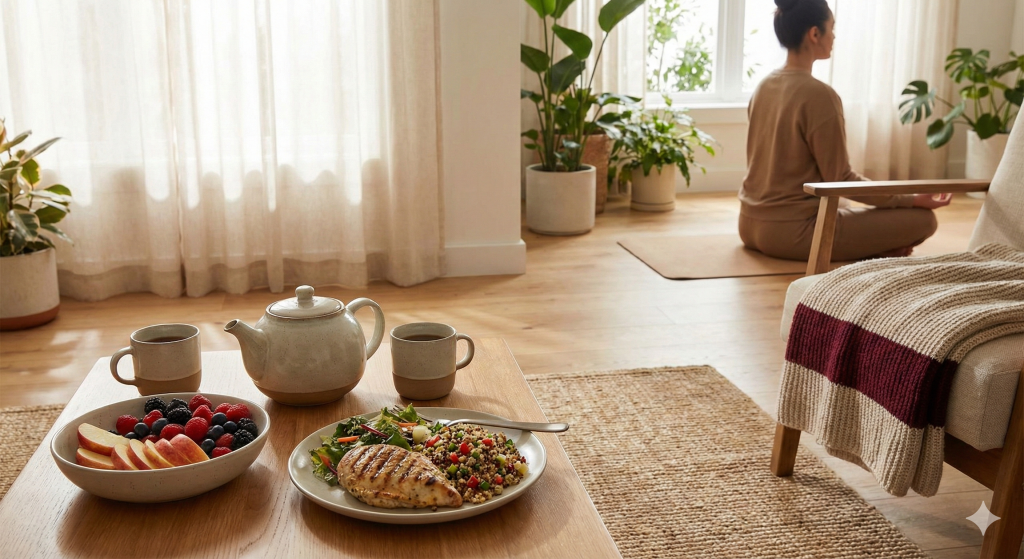
The most effective TCM lifestyle tips are those that can be maintained consistently. Rather than introducing several new habits at once, start with manageable adjustments and gradually develop a routine that supports your everyday needs.
You can use the following example as a starting point:
| Time | Suggested Activity | Wellness Focus |
|---|---|---|
| Morning | Gentle stretching or walking | Daily movement |
| Breakfast | Enjoy a balanced meal | Nutrition |
| Midday | Take regular breaks and hydrate | Energy and hydration |
| Afternoon | Walk or practise gentle movement | Physical activity |
| Evening | Enjoy a balanced dinner | Healthy eating |
| Before bed | Reduce screen time and relax | Sleep preparation |
If you are looking for professional guidance on incorporating Traditional Chinese Medicine into your wellness routine, explore TCM treatment in Singapore to learn more about available treatment approaches and consultation options.
Conclusion: Make TCM Lifestyle Tips Part of Your Everyday Wellness
TCM lifestyle tips provide a traditional perspective on maintaining balance through nutrition, movement, sleep, emotional well-being and awareness of seasonal changes. When combined with practical, evidence-informed health habits, these approaches can help individuals develop a more mindful and sustainable daily routine.
You do not need to adopt every traditional practice to benefit from healthier lifestyle choices. Begin with simple habits, understand your individual needs and make gradual adjustments that fit your everyday life.
For individuals interested in exploring Traditional Chinese Medicine, G&G TCM Medical provides information about TCM consultations and treatment options in Singapore. Visit G&G TCM to explore its services and learn more about personalised TCM care.
FAQs Section
What are TCM lifestyle tips?
TCM lifestyle tips are traditional wellness practices that focus on maintaining balance through healthy eating, regular movement, sufficient sleep, stress management and adapting daily habits to seasonal changes.
How can I incorporate TCM into my daily routine?
You can start by practising gentle exercises such as Tai Chi or Qigong, eating balanced meals, maintaining regular sleep schedules, staying hydrated and managing daily stress.
What foods are recommended in Traditional Chinese Medicine?
TCM dietary principles consider individual constitution, food properties and seasonal changes. Common food choices include vegetables, whole grains, fruits, soups and other balanced meals.
Can TCM lifestyle practices help improve sleep and manage stress?
Practices such as Qigong, Tai Chi, mindful breathing and consistent sleep routines may support relaxation and general well-being. However, they should not replace professional care for persistent sleep or mental health concerns.
Where can I find TCM treatment in Singapore?
You can explore TCM treatment in Singapore at G&G TCM to learn about available traditional therapies, consultation options and personalised treatment approaches.