

If you’re searching for the Best Tuina in Singapore, you’re probably looking for more than just a massage, you want professional treatment that helps relieve pain, improve mobility, and address the root cause of your discomfort. At G&G TCM Medical, we provide personalised Tuina therapy performed by experienced Traditional Chinese Medicine (TCM) practitioners who tailor every treatment to your individual condition.
Whether you’re experiencing persistent neck pain from long hours at your desk, lower back discomfort that affects your daily activities, sports-related muscle strain, or general body stiffness, our team begins every Tuina session with a thorough consultation and assessment. Rather than following a one-size-fits-all approach, we identify the underlying cause of your symptoms and develop a treatment plan that supports long-term recovery and overall wellbeing.
This patient-centred approach is one of the reasons many individuals choose G&G TCM Medical when looking for professional Tuina therapy in Singapore. Our goal is not only to relieve discomfort but also to help restore movement, improve physical function, and support your body’s natural healing process through evidence-informed Traditional Chinese Medicine.
Looking for personalised care? Learn more about our tuina therapy session and discover how our experienced TCM practitioners can help you move more comfortably and confidently.
Why Many Patients Choose G&G TCM Medical for Tuina Therapy
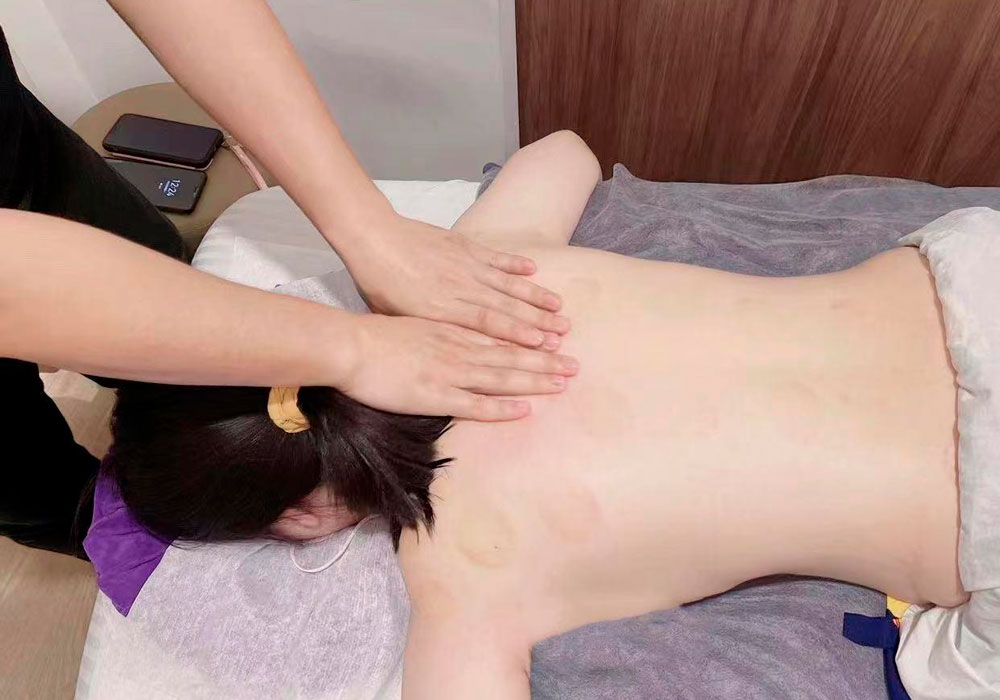
Choosing the right clinic plays an important role in achieving effective treatment outcomes. While many places in Singapore offer Tuina therapy, the quality of care often depends on the practitioner’s experience, assessment process, and ability to personalise treatment according to each patient’s needs.
At G&G TCM Medical, we believe successful treatment starts with understanding why discomfort occurs, not simply where it hurts. Every consultation includes an assessment of your symptoms, posture, movement, daily activities, and overall health before treatment begins. This allows our practitioners to select appropriate Tuina techniques that match your condition instead of applying the same routine to every patient.
Why Choose G&G TCM Medical?
| What We Offer | Benefits for Patients |
|---|---|
| Experienced TCM Practitioners | Individualised care based on your condition |
| Personalised Consultation | Treatment begins with understanding the root cause |
| Tailored Tuina Therapy | Techniques adapted to your recovery goals |
| Holistic TCM Approach | Supports overall health, not just symptom relief |
| Comfortable Clinical Environment | Professional and patient-focused experience |
| Comprehensive Care | Tuina can be integrated with other TCM therapies when appropriate |
By focusing on personalised care rather than a standard treatment routine, we aim to help patients achieve meaningful improvements in mobility, comfort, and quality of life.
Pro Tip: The best Tuina therapy isn’t about applying the strongest pressure. Effective treatment depends on choosing the right techniques for your specific condition, which is why a professional assessment is essential before therapy begins.
What Makes the Best Tuina in Singapore?
When searching for the best Tuina clinic, it’s important to look beyond location or price. High-quality Tuina therapy is built on professional expertise, careful assessment, and personalised treatment rather than simply providing temporary relaxation.
Here are several factors worth considering when choosing a clinic.
1. Experienced TCM Practitioners
Professional Tuina therapy should be provided by practitioners who understand Traditional Chinese Medicine principles, anatomy, and musculoskeletal health. Experience enables practitioners to adapt their techniques according to the patient’s condition, ensuring treatment is both safe and effective.
2. Comprehensive Assessment Before Treatment
A professional Tuina session should always begin with an assessment. Understanding your symptoms, medical history, lifestyle, and movement patterns allows practitioners to identify possible contributing factors instead of focusing solely on the painful area.
For example, shoulder discomfort may be related to poor posture, while lower back pain may be influenced by prolonged sitting or reduced hip mobility. Addressing these contributing factors helps support longer-lasting results.
3. Personalised Treatment Plans
Every person’s body responds differently to treatment. Factors such as age, occupation, daily activities, previous injuries, and overall health influence how Tuina techniques should be applied.
Personalised treatment plans allow practitioners to adjust pressure, treatment duration, and manual techniques according to your recovery needs.
4. A Holistic Approach to Recovery
One of the distinguishing features of Traditional Chinese Medicine is its holistic philosophy. Rather than treating symptoms in isolation, TCM considers how different systems within the body interact to influence overall health.
This broader perspective helps practitioners develop treatment plans that support both immediate symptom relief and long-term wellbeing.
Pro Tip: Choosing a clinic that performs an assessment before every treatment often leads to more targeted care and better long-term outcomes than receiving the same routine at every visit.
What Is Tuina Therapy?
Tuina (推拿), pronounced “twee-nah,” is one of the oldest therapeutic techniques in Traditional Chinese Medicine, with a history spanning more than 2,000 years. The term combines two Chinese words: “Tui”, meaning “to push,” and “Na”, meaning “to grasp or lift.”
Unlike a spa massage that focuses primarily on relaxation, Tuina is a therapeutic treatment designed to improve musculoskeletal function, restore balance according to Traditional Chinese Medicine principles, and support the body’s natural healing processes.
During treatment, practitioners use a combination of manual techniques such as pressing, kneading, rolling, stretching, and joint mobilisation. These methods target muscles, tendons, joints, and meridian pathways to improve circulation, reduce muscular tension, and encourage better movement.
Today, Tuina is commonly used to support people experiencing neck pain, lower back discomfort, sports injuries, shoulder stiffness, office syndrome, and other musculoskeletal concerns. Depending on the individual’s condition, Tuina may also be integrated with complementary TCM therapies to provide a more comprehensive treatment approach.
How Does Tuina Therapy Work?
From a Traditional Chinese Medicine perspective, good health depends on the smooth circulation of Qi (vital energy) and Blood throughout the body’s meridian system. When this flow becomes disrupted due to poor posture, repetitive movements, injuries, or prolonged stress, discomfort and restricted mobility may develop.
From a modern healthcare perspective, Tuina therapy works by applying targeted manual techniques that help:
- Reduce muscle tension
- Improve local blood circulation
- Enhance joint mobility
- Promote soft tissue flexibility
- Support natural recovery
- Encourage better movement patterns
Rather than concentrating only on the painful area, practitioners assess how different parts of the body interact. This holistic approach allows treatment to address contributing factors that may otherwise be overlooked.
How a Typical Tuina Session Progresses
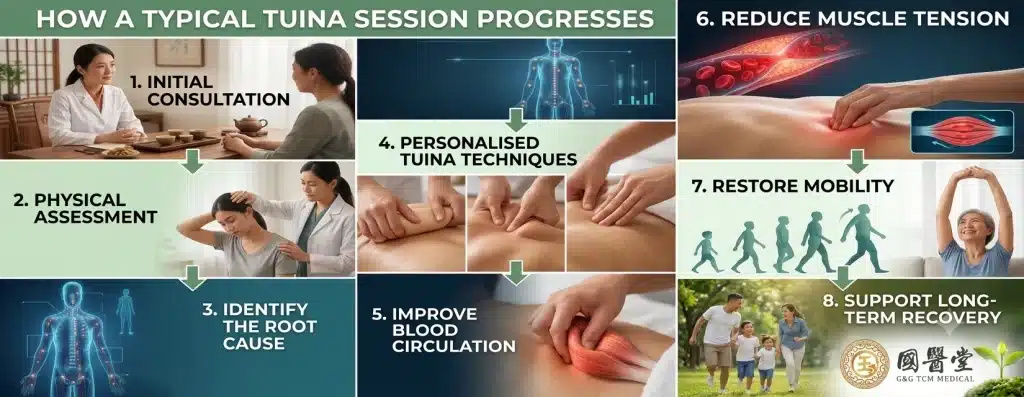
Pro Tip: Tuina therapy often delivers the best outcomes when combined with healthy lifestyle habits such as maintaining good posture, regular stretching, and staying physically active between treatment sessions.
Conditions That May Benefit from Tuina Therapy
One of the reasons Tuina has remained an essential component of Traditional Chinese Medicine for centuries is its versatility. It is commonly used to support individuals experiencing a wide range of musculoskeletal conditions that affect daily movement and quality of life.
| Condition | How Tuina May Help |
|---|---|
| Neck Pain | Reduces muscle tightness and improves range of motion |
| Shoulder Stiffness | Supports flexibility and eases muscular tension |
| Lower Back Pain | Helps improve movement and reduce discomfort |
| Sports Injuries | Promotes recovery by encouraging healthy circulation |
| Office Syndrome | Relieves postural strain from prolonged sitting |
| General Muscle Fatigue | Encourages relaxation and supports tissue recovery |
While each patient’s treatment plan is personalised, many individuals seek Tuina therapy as part of a broader strategy to improve movement, manage muscular discomfort, and maintain long-term musculoskeletal health.
What Does Scientific Research Say?
Growing scientific evidence supports the use of Tuina therapy as a complementary treatment for musculoskeletal conditions. A systematic review and meta-analysis published in the peer-reviewed journal Medicine analysed 15 randomized controlled trials involving 1,390 participants with chronic non-specific low back pain. The researchers found that Tuina therapy significantly improved pain relief and physical function compared with control treatments while demonstrating a favourable safety profile. These findings suggest that Tuina can be an effective non-pharmacological option for individuals seeking conservative management of chronic musculoskeletal pain.
Scientific Reference
Yang J, Zhou X, Ma Q, et al. (2023). Efficacy and Safety of Tuina for Chronic Nonspecific Low Back Pain: A PRISMA-Compliant Systematic Review and Meta-analysis. Medicine, 102(9), e33018.
Article: https://pmc.ncbi.nlm.nih.gov/articles/PMC9981398/
The Benefits of Professional Tuina Therapy
Choosing professional Tuina therapy is about more than relieving temporary discomfort. When performed by experienced Traditional Chinese Medicine (TCM) practitioners, Tuina focuses on improving the body’s overall function while addressing the underlying factors contributing to pain or restricted movement.
Rather than relying solely on medication or short-term symptom management, many patients choose Tuina as part of a holistic approach to maintaining their musculoskeletal health.
Pain Relief Through Targeted Manual Therapy
Muscle tension, repetitive strain, and poor posture can place continuous stress on the body’s joints and soft tissues. Over time, these issues may lead to persistent discomfort that affects work, exercise, and daily activities.
Professional Tuina therapy applies carefully selected manual techniques to release muscular tightness, improve soft tissue mobility, and reduce pressure on surrounding structures. As movement becomes more natural, many patients experience greater comfort and improved flexibility.
Instead of masking symptoms, Tuina aims to improve the body’s ability to move efficiently while supporting its natural recovery process.
Pro Tip: Seeking treatment when discomfort first appears often leads to faster recovery than waiting until pain becomes severe or begins affecting daily life.
Supporting Better Mobility and Flexibility
Healthy movement depends on muscles, joints, tendons, and connective tissues working together efficiently. When one area becomes restricted, other parts of the body often compensate, increasing the risk of additional discomfort.
Professional Tuina therapy helps restore movement by reducing muscular tightness and improving joint mobility. This is particularly beneficial for individuals who spend long hours sitting at a desk, perform repetitive physical tasks, or regularly participate in sports.
Improved flexibility not only makes everyday activities more comfortable but may also reduce unnecessary strain on surrounding muscles and joints.
Helping Office Workers Recover from Daily Strain
Modern lifestyles have made office syndrome increasingly common in Singapore. Sitting for extended periods, poor workstation ergonomics, and prolonged screen time can contribute to:
- Neck stiffness
- Shoulder tension
- Upper back discomfort
- Lower back pain
- Reduced mobility
- Headaches associated with muscle tightness
Tuina therapy helps address these issues by targeting areas affected by prolonged postural stress while encouraging better circulation and muscular balance.
Combined with good ergonomic habits and regular movement throughout the day, professional Tuina treatment can become an important part of maintaining long-term physical wellbeing.
Supporting Sports Recovery
Physical activity places significant demands on muscles, tendons, and joints. Whether you exercise recreationally or train regularly, your body requires adequate recovery to perform at its best.
Many physically active individuals incorporate Tuina into their recovery routine because it may help:
- Reduce post-exercise muscle tightness
- Improve flexibility
- Promote healthy circulation
- Support recovery after training
- Maintain joint mobility
Rather than replacing proper rehabilitation, Tuina works alongside healthy training habits to support overall musculoskeletal health.
Pro Tip: Recovery is just as important as training. Regular maintenance sessions may help identify areas of muscular tightness before they develop into more significant issues.
What Should You Expect During Your First Tuina Session?
If you’ve never experienced Tuina therapy before, it’s natural to wonder what the treatment involves. At G&G TCM Medical, every session begins with understanding your condition rather than immediately starting treatment.
Your practitioner will first discuss your symptoms, lifestyle, medical history, and daily activities. They may also assess posture, movement, and areas of muscular tension to gain a clearer understanding of what may be contributing to your discomfort.
Once the assessment is complete, a personalised treatment plan is developed based on your individual needs. Depending on your condition, the practitioner may use a combination of pressing, kneading, rolling, stretching, and joint mobilisation techniques to improve movement and relieve muscular tension.
Throughout the session, treatment intensity is adjusted according to your comfort level and clinical needs. This personalised approach helps ensure the therapy remains both effective and appropriate for your condition.
Why Personalised Care Makes a Difference
No two patients experience pain in exactly the same way. Even when symptoms appear similar, the contributing factors may differ considerably.
For example:
- Two people with neck pain may have completely different causes.
- One patient may experience lower back discomfort due to prolonged sitting.
- Another may develop similar symptoms following a sports injury.
This is why personalised assessment remains one of the most important aspects of professional Tuina therapy.
Instead of applying identical techniques to every patient, experienced TCM practitioners adapt treatment according to individual findings, allowing care to better support long-term recovery.
Why G&G TCM Medical Is Trusted for Tuina Therapy
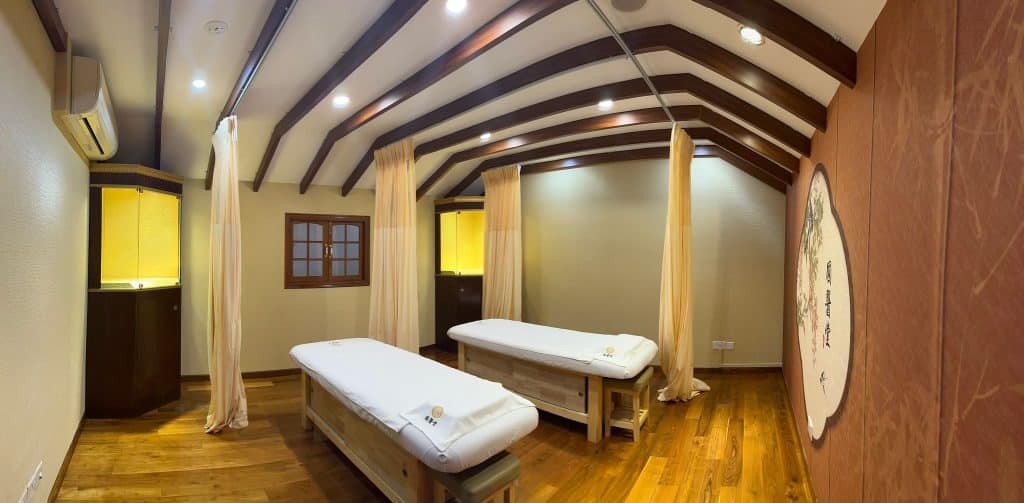
Finding the best Tuina clinic is about choosing practitioners who understand that effective treatment begins with listening to patients and identifying the underlying causes of discomfort.
At G&G TCM Medical, we are committed to providing personalised Traditional Chinese Medicine care that focuses on both symptom relief and long-term wellbeing.
Patients choose our clinic because we prioritise:
- Individual consultations before treatment
- Personalised therapy plans
- Experienced TCM practitioners
- A patient-centred treatment approach
- Professional and comfortable clinical care
- Holistic support for musculoskeletal health
Rather than offering the same routine to every patient, we tailor each treatment according to your symptoms, lifestyle, and recovery goals.
Whether you’re managing chronic pain, recovering from an injury, or simply looking to improve your mobility, our team is here to support your health journey with professional and compassionate care.
FAQs Section
Is Tuina different from a regular massage?
Yes. Tuina is a therapeutic treatment based on Traditional Chinese Medicine principles. While relaxation massages focus primarily on comfort, Tuina aims to improve musculoskeletal function, mobility, and overall wellbeing through targeted manual techniques.
Is Tuina painful?
You may feel pressure, especially on tight or sore areas, but it should not be painful. Most people find it relieving and feel better after the session. Our experienced practitioners always check in to make sure you’re comfortable.
How many sessions are usually recommended?
The number of sessions varies depending on your condition, symptoms, and treatment goals. Some patients notice improvements after a few visits, while chronic conditions may require a longer treatment plan.
Can Tuina treat chronic pain?
Yes, Tuina can help manage and reduce long-term pain such as back pain, neck pain, joint stiffness, and muscle tension. Regular sessions may help improve your overall condition.
Is Tuina safe for everyone?
Tuina is generally safe, but we do a full consultation first. If you have certain health issues (like fractures or severe skin conditions), we may recommend a different treatment.
How long does a Tuina session usually take?
Treatment duration depends on your condition and personalised treatment plan. During your consultation, your practitioner will recommend an appropriate session length based on your needs.