

If you’re planning your first tuina therapy session, it’s natural to wonder what happens during the appointment and whether it’s the right treatment for your condition. Unlike a regular massage, a Tuina therapy session focuses on identifying the underlying cause of discomfort before treatment begins. At G&G TCM Medical, every session starts with a personalised consultation, allowing our experienced Traditional Chinese Medicine (TCM) practitioners to understand your symptoms, movement, and recovery goals before recommending an appropriate treatment plan.
In this guide, you’ll learn exactly what happens before, during, and after a Tuina therapy session, how to prepare for your appointment, who may benefit from treatment, and what scientific research says about Tuina therapy.
What Happens During a Tuina Therapy Session?
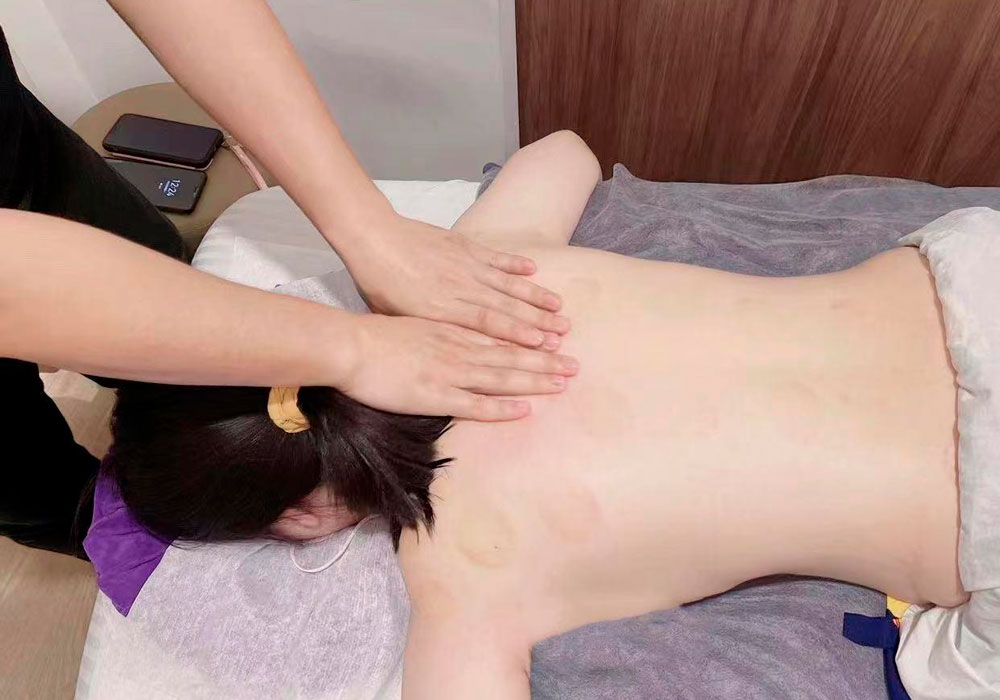
A professional tuina therapy session is more than a series of massage techniques. It follows a structured process that helps practitioners understand your condition and provide treatment tailored to your needs. While every session is personalised, most appointments follow a similar journey from consultation to recovery advice.
Step 1: Consultation and Understanding Your Condition
Your appointment begins with a one-on-one consultation. Instead of immediately starting treatment, your practitioner will take time to understand what you’re experiencing and how your symptoms affect your daily life.
During the consultation, you may be asked about:
- Where you feel pain or discomfort
- When your symptoms started
- Previous injuries or surgeries
- Your occupation and daily activities
- Exercise habits
- Sleep quality
- Existing medical conditions
- Previous TCM or physiotherapy treatments
These questions help identify potential contributing factors rather than focusing only on the area where you feel pain. For example, shoulder discomfort may be related to prolonged desk work, while lower back pain may stem from poor posture or muscle imbalance.
Pro Tip: Being open about your symptoms, lifestyle, and medical history allows your practitioner to recommend a treatment plan that’s better suited to your condition.
Step 2: Physical Assessment
Once your consultation is complete, your practitioner performs a physical assessment to better understand how your body moves and functions.
This assessment may include observing:
- Posture and body alignment
- Joint mobility
- Muscle tightness
- Areas of tenderness
- Range of motion
- Functional movement patterns
Rather than treating only the painful area, the assessment helps identify the possible root cause of your discomfort. This holistic approach is one of the key principles of Traditional Chinese Medicine and helps ensure treatment is personalised rather than routine.
For example, recurring neck pain may be influenced by shoulder muscle tension or prolonged poor posture, while knee discomfort may be linked to reduced hip mobility. Understanding these relationships allows practitioners to provide more targeted care.
Step 3: Personalised Tuina Treatment
After the assessment, your practitioner will begin the Tuina treatment using techniques that are appropriate for your condition and comfort level.
Depending on your needs, your Tuina therapy session may include:
- Pressing to release muscle tension
- Kneading to improve circulation
- Rolling techniques to relax soft tissues
- Gentle stretching to improve flexibility
- Joint mobilisation to encourage healthy movement
- Soft tissue manipulation to reduce stiffness
Unlike relaxation massage, these techniques are selected based on your assessment findings rather than following the same sequence for every patient.
Treatment pressure can also be adjusted throughout the session. If you experience discomfort, you should always let your practitioner know so the intensity can be modified accordingly.
Common Tuina techniques and their purpose
| Technique | Purpose |
|---|---|
| Pressing | Relieve muscle tension and stimulate circulation |
| Kneading | Reduce stiffness and improve tissue flexibility |
| Rolling | Relax larger muscle groups |
| Stretching | Improve mobility and range of motion |
| Joint Mobilisation | Support healthy joint movement |
| Soft Tissue Manipulation | Address muscular tightness and discomfort |
Pro Tip: Effective Tuina therapy isn’t about applying the strongest pressure. The most beneficial treatment is one that’s tailored to your body’s needs and performed with the appropriate technique.
Step 4: Recovery Advice and Personalised Recommendations
Your Tuina therapy session doesn’t end when the manual treatment is finished. Before you leave, your practitioner may provide personalised advice to help you maintain the benefits of your session.
Depending on your condition, recommendations may include:
- Gentle stretching exercises
- Posture improvements
- Ergonomic adjustments for work
- Activity modifications
- Hydration after treatment
- Follow-up care if appropriate
These simple recommendations can support your recovery between appointments and help reduce the likelihood of recurring discomfort.
Your Tuina Therapy Journey at G&G TCM Medical
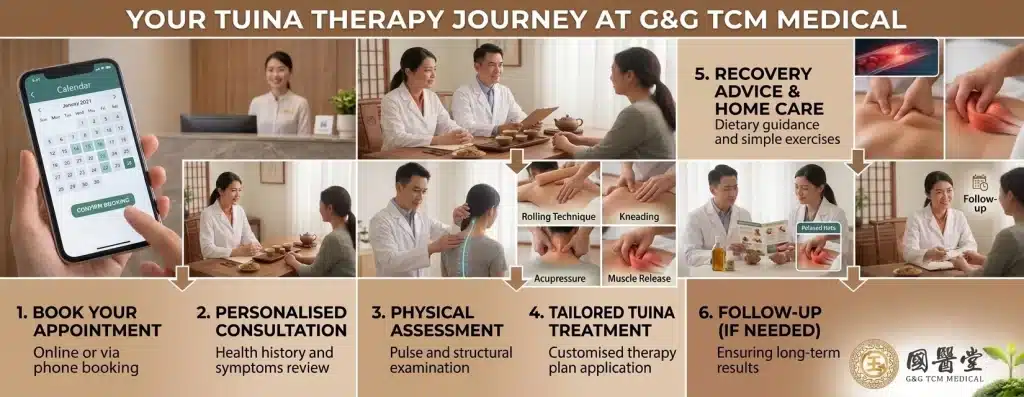
This structured approach ensures every patient receives care that is tailored to their individual symptoms, lifestyle, and recovery goals rather than a one-size-fits-all treatment.
Why Every Tuina Therapy Session Is Different
One of the most common misconceptions is that every Tuina session follows the same routine. In reality, no two patients receive exactly the same treatment because no two conditions are identical.
For example, two people may both experience neck pain, but the underlying causes can be very different. One patient may develop muscle tension from prolonged computer work, while another may experience restricted movement following a sports injury. Although the symptoms appear similar, the assessment findings, and therefore the treatment approach, can differ significantly.
This is why experienced TCM practitioners focus on understanding the root cause of discomfort before beginning treatment. By tailoring each Tuina therapy session to the individual, they can select techniques that better support recovery, improve mobility, and address the factors contributing to the condition.
Pro Tip: Personalised care is one of the biggest advantages of a professional Tuina therapy session. A treatment plan designed around your individual needs is often more effective than a standard routine applied to every patient.
How to Prepare Before Your Tuina Therapy Session
Preparing for your tuina therapy session is simple, but a few small steps can help you feel more comfortable and allow your practitioner to perform a more accurate assessment.
You don’t need any special equipment or prior experience with Traditional Chinese Medicine (TCM). Instead, focus on arriving relaxed and ready to discuss your symptoms openly.
Before your appointment checklist
| Recommendation | Why It Matters |
|---|---|
| Wear loose, comfortable clothing | Makes movement and assessment easier. |
| Eat a light meal 1–2 hours beforehand | Helps you stay comfortable during treatment. |
| Stay hydrated | Supports your body’s normal recovery process. |
| Inform your practitioner about any medical conditions or medications | Helps ensure treatment is appropriate for your needs. |
| Arrive 10–15 minutes early | Gives you time to complete any necessary forms and discuss your concerns without feeling rushed. |
Pro Tip: If you have previous X-rays, MRI reports, or medical records related to your condition, bring them along if available. They can provide additional context during your consultation.
What Does a Tuina Therapy Session Feel Like?
One of the most common concerns for first-time patients is whether Tuina therapy will be painful.
The experience varies depending on your condition, the area being treated, and the techniques used. Some parts of the treatment may involve firm pressure to release muscle tension, while other techniques focus on gentle stretching or improving joint mobility.
Many patients describe the sensation as:
- Firm but comfortable pressure
- A feeling of muscles gradually relaxing
- Temporary tenderness over tight areas
- Increased flexibility after treatment
- A sense of physical relaxation once the session is complete
If you experience discomfort during treatment, let your practitioner know immediately. The pressure and techniques can be adjusted according to your comfort level.
It’s also normal to feel mild muscle soreness for a day or two after your first session, particularly if significant muscular tension was present beforehand. This response is generally temporary and often settles as your body adapts.
Pro Tip: Communication is an important part of every Tuina therapy session. Your practitioner can adjust the treatment based on your feedback to ensure it remains appropriate for your condition.
Who Can Benefit From a Tuina Therapy Session?
A tuina therapy session may be suitable for individuals experiencing a variety of musculoskeletal concerns or looking to improve their overall physical wellbeing.
Common groups who seek Tuina therapy include:
| Suitable For | How Tuina May Help |
|---|---|
| Office workers | Relieves posture-related neck, shoulder, and back tension. |
| Athletes and active individuals | Supports muscle recovery and flexibility. |
| Older adults | Helps maintain mobility and reduce muscular stiffness. |
| Drivers | Addresses discomfort from prolonged sitting. |
| Students | Helps manage neck and shoulder tension associated with long study hours. |
| Individuals with physically demanding jobs | Assists recovery from repetitive muscular strain. |
Every patient is different, so your practitioner will first assess whether Tuina is appropriate for your condition and may recommend additional or alternative TCM therapies where necessary.
What Are the Benefits of a Tuina Therapy Session?
Tuina has been practised for centuries as part of Traditional Chinese Medicine and is widely used to support musculoskeletal health. When delivered as part of a personalised treatment plan, it may offer a range of potential benefits.
Some of the commonly reported benefits include:
- Relieving muscle tension and stiffness
- Improving joint mobility
- Supporting healthy blood circulation
- Enhancing flexibility
- Encouraging natural recovery following physical strain
- Promoting relaxation and overall wellbeing
- Supporting better posture and movement patterns
It’s important to note that treatment outcomes vary depending on the individual’s condition, lifestyle, and response to therapy.
What Does Scientific Research Say About Tuina Therapy?
Modern research continues to explore the role of Tuina therapy in managing musculoskeletal conditions.
A 2023 systematic review and meta-analysis published in the peer-reviewed journal Medicine evaluated 15 randomised controlled trials involving 1,390 participants with chronic non-specific low back pain. The researchers found that Tuina therapy significantly improved pain relief and physical function compared with control treatments while maintaining a favourable safety profile. These findings suggest that Tuina may be an effective complementary option for people seeking conservative, non-invasive management of chronic musculoskeletal pain.
Scientific Reference
Yang J, Zhou X, Ma Q, et al. (2023). Efficacy and Safety of Tuina for Chronic Nonspecific Low Back Pain: A PRISMA-Compliant Systematic Review and Meta-analysis. Medicine, 102(9), e33018.
Article: https://pmc.ncbi.nlm.nih.gov/articles/PMC9981398
Why Choose G&G TCM Medical for Your Tuina Therapy Session?
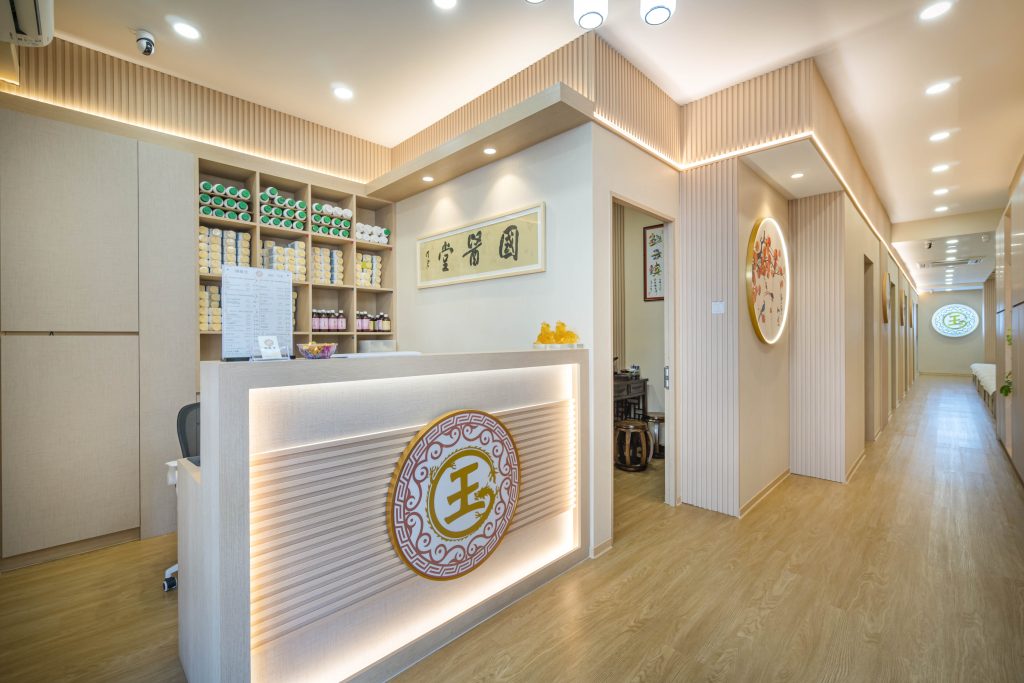
A positive treatment experience begins with choosing a clinic that understands your individual needs. If you’re comparing providers before booking your first appointment, our guide to the best tuina in singapore can help you understand what to look for in a trusted TCM clinic, from practitioner experience to personalised treatment approaches. At G&G TCM Medical, every Tuina therapy session starts with listening to your concerns, assessing your condition, and developing a treatment plan tailored to your recovery goals.
Patients choose G&G TCM Medical because we provide:
- Experienced Traditional Chinese Medicine practitioners
- Personalised consultations before treatment
- Individual treatment plans
- A holistic approach to musculoskeletal health
- Professional and patient-focused care
- Guidance to support recovery beyond the treatment session
Our goal is to help you move more comfortably, improve your physical wellbeing, and support your long-term health through personalised TCM care.
Begin Your Tuina Therapy Session With Confidence
Understanding what happens during a tuina therapy session can help you feel more prepared and confident before your first appointment. From the initial consultation and physical assessment to personalised treatment and aftercare advice, each step is designed to support your individual needs rather than following a one-size-fits-all approach.
At G&G TCM Medical, we believe effective care begins with understanding the person behind the symptoms. Our experienced TCM practitioners take the time to assess your condition, explain the treatment process, and tailor every Tuina therapy session to your recovery goals.
Whether you’re seeking relief from neck pain, back discomfort, muscle stiffness, sports-related tension, or everyday postural strain, we’re here to help you move more comfortably and confidently.
Book your consultation with G&G TCM Medical today and experience a personalised Tuina therapy session designed to support your health, mobility, and long-term wellbeing.
FAQs Section
How long does a Tuina therapy session usually take?
The duration depends on your condition and treatment plan. Your practitioner will recommend a suitable session length after assessing your needs.
Is Tuina therapy painful?
Most patients describe the treatment as firm but comfortable. If any technique feels too intense, your practitioner can adjust the pressure throughout the session.
What should I wear to a Tuina therapy session?
Loose, comfortable clothing is recommended to allow easier movement and access to the treatment areas.
Should I eat before my appointment?
Yes. A light meal one to two hours before your appointment is generally recommended. Avoid arriving on a completely empty stomach or immediately after a heavy meal.
What should I do after a Tuina therapy session?
Stay hydrated, avoid strenuous exercise for the rest of the day if advised, and follow any stretching or posture recommendations provided by your practitioner.