

Acupuncture treatment is a Traditional Chinese Medicine (TCM) therapy that uses fine, sterile needles inserted at specific points on the body. Today, acupuncture is also studied as a complementary approach for conditions such as certain types of chronic pain, headaches, and musculoskeletal discomfort, with effectiveness varying by condition and individual.
At G&G TCM, acupuncture is provided as part of a personalized TCM approach that considers a person’s symptoms, health history, lifestyle, and overall condition. Understanding how acupuncture works, what it may help with, and how to prepare can help you make a more informed decision about treatment.
What Is Acupuncture Treatment?
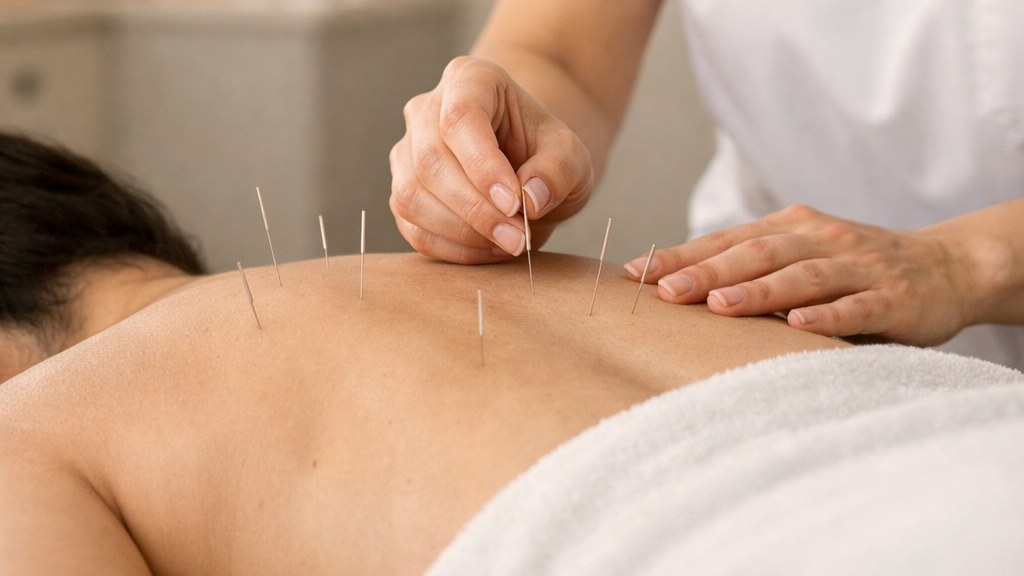
Acupuncture treatment involves inserting very thin, sterile needles into selected points on the body to stimulate physiological responses. In Traditional Chinese Medicine, these points are understood through concepts such as Qi and meridians, while modern research investigates acupuncture through mechanisms involving the nervous system, pain processing, and other physiological responses.
Acupuncture originated within Traditional Chinese Medicine and has been practiced for thousands of years. In modern healthcare, it is commonly used as a complementary treatment rather than as a replacement for necessary medical diagnosis or conventional care.
What Conditions Can Acupuncture Treatment Help With?
Acupuncture treatment may help manage certain pain-related conditions, particularly back and neck pain, osteoarthritis-related knee pain, headaches, and some postoperative pain. Evidence is stronger for some conditions than others, so acupuncture should not be presented as a universal treatment for every health problem.
Common reasons people seek acupuncture include:
- Back, neck, and shoulder discomfort
- Joint or musculoskeletal pain
- Certain types of headaches
- Muscle tension
- Chronic pain management
- Postoperative pain support
- Stress and relaxation
- Sleep-related concerns
- General wellness support
The appropriate treatment depends on the individual’s health condition and should be determined following a professional assessment.
Potential Benefits of Acupuncture Treatment
The potential benefits of acupuncture treatment depend on the condition being treated, the individual’s response, and the quality of the available evidence. Research suggests acupuncture can provide meaningful pain relief for some conditions, while evidence for other uses remains limited or mixed.
Potential benefits may include:
- Pain management – Acupuncture may help reduce pain associated with certain musculoskeletal and chronic pain conditions.
- Muscle relaxation – Some people experience reduced muscle tension and improved comfort following treatment.
- Headache support – Acupuncture has been studied for certain headache conditions, including migraine.
- Improved mobility – Reducing pain and muscle tension may make movement more comfortable.
- Relaxation and stress management – Treatment may provide a calming experience for some individuals.
- Complementary care – Acupuncture can sometimes be incorporated alongside conventional medical treatment as part of a broader care plan.
It is important to distinguish potential benefits from guaranteed outcomes. Response to acupuncture varies between individuals.
Pro Tip: Choose acupuncture based on a clear treatment goal rather than assuming it can treat every condition. Discuss your symptoms, existing medical conditions, medications, and treatment expectations with your practitioner before starting.
How Does Acupuncture Treatment Work?
Acupuncture treatment is explained differently by traditional and modern medical frameworks. TCM describes treatment in terms of Qi, meridians, and patterns of imbalance, while contemporary research examines how acupuncture stimulation may influence the nervous system and pain-related processes.
A typical TCM acupuncture process may include:
- Initial consultation – The practitioner discusses your symptoms, health history, lifestyle, and treatment goals.
- TCM assessment – Depending on the practitioner, assessment may include observation of the tongue and pulse alongside discussion of symptoms.
- Treatment planning – Specific acupuncture points are selected according to the individual’s presentation.
- Needle insertion – Fine, sterile, single-use needles are carefully inserted into selected points.
- Resting period – The needles remain in place while you relax.
- Aftercare – The practitioner may provide advice based on your response and treatment plan.
Some treatments may also incorporate techniques such as electroacupuncture or heat-based approaches.
What Happens During an Acupuncture Session?
An acupuncture session generally begins with a consultation and assessment before needles are inserted. Most people experience little discomfort, although sensations such as a brief prick, tingling, heaviness, or warmth can occur.
The exact duration varies depending on the treatment plan. A session may include consultation, needling, and a period of rest, with the overall appointment commonly taking around 30–60 minutes.
If you are considering traditional Chinese acupuncture treatment, understanding the assessment and treatment process beforehand can make your first appointment more comfortable.
Acupuncture Treatment vs Other Approaches
Acupuncture treatment differs from conventional pain management because it uses physical stimulation rather than relying primarily on medication. However, these approaches are not necessarily mutually exclusive, and acupuncture may be used as complementary care when clinically appropriate.
| Factor | Acupuncture Treatment | Medication-Based Management | Physical Therapy |
|---|---|---|---|
| Main approach | Needle stimulation of acupuncture points | Medication targeting symptoms or underlying conditions | Exercise, movement, and physical rehabilitation |
| Common use | Certain pain and complementary wellness needs | Pain and various medical conditions | Mobility, strength, injury rehabilitation |
| Uses medication | No | Yes, depending on treatment | Usually no |
| Personalized assessment | Yes | Yes | Yes |
| Can be combined with other care | Often, when appropriate | Often | Often |
| Evidence | Varies by condition | Varies by medication and condition | Varies by condition |
The best approach depends on the cause of the symptoms, medical history, treatment goals, and professional assessment.
Is Acupuncture Treatment Safe?
Acupuncture treatment is generally considered safe when performed appropriately by a qualified practitioner using sterile, single-use needles. However, it is not completely risk-free; improper technique or nonsterile equipment can cause complications, including infection or injury.
Minor effects such as temporary soreness, slight bleeding, or bruising can occur. More serious complications are rare but can occur when acupuncture is performed incorrectly.
In Singapore, TCM practitioners are among the healthcare professions subject to professional regulation, and patients should check practitioner credentials and experience when selecting a provider.
Tell your practitioner about relevant medical conditions, medications, pregnancy, bleeding disorders, or implanted electrical devices before treatment. Certain circumstances may require additional precautions or make acupuncture unsuitable.
How Many Acupuncture Sessions Do You Need?
There is no single number of acupuncture sessions that works for everyone. The appropriate frequency depends on the condition being treated, its duration and severity, treatment goals, and how the individual responds.
Some people may notice changes after an initial session, while others require a course of treatment before assessing whether acupuncture is beneficial. A qualified practitioner can review your progress and adjust the treatment plan accordingly.
Acupuncture should also not be used to delay appropriate medical evaluation for persistent, severe, or unexplained symptoms.
How to Prepare for Acupuncture Treatment
A few simple steps can make an acupuncture appointment more comfortable:
- Eat a normal, light meal before treatment rather than arriving extremely hungry.
- Stay adequately hydrated.
- Wear comfortable clothing that allows access to the treatment areas.
- Inform your practitioner about medications and relevant medical conditions.
- Explain your main symptoms and treatment goals clearly.
- Follow any individualized aftercare instructions provided after your session.
Most importantly, choose a practitioner who uses appropriate hygiene and sterile, single-use needles.
Why Choose G&G TCM for Acupuncture Treatment?
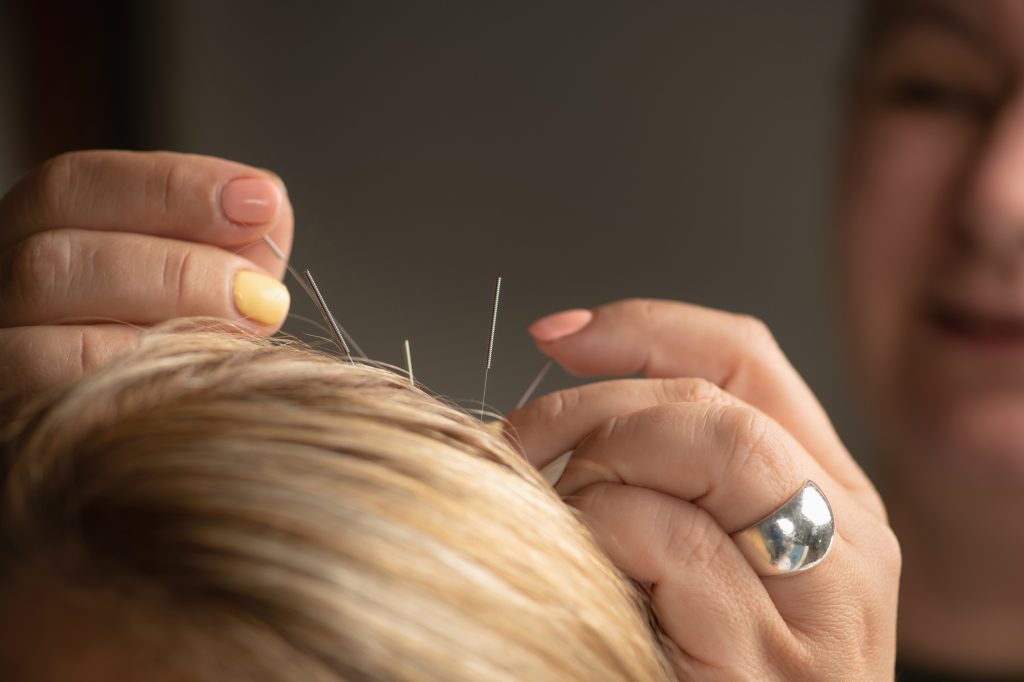
G&G TCM provides personalized TCM care based on each patient’s individual concerns and treatment needs. Rather than applying the same acupuncture points to every person, the treatment approach can be tailored following consultation and assessment.
If you are considering acupuncture as part of your TCM care, explore our TCM Acupuncture service to learn more about how treatment can be tailored to your individual needs.
The clinic’s approach combines traditional TCM principles with patient-centered care, allowing acupuncture to be considered within a broader wellness plan. For individuals exploring acupuncture in Singapore, professional assessment is an important first step in determining whether the treatment is appropriate.
Conclusion: Explore Professional Acupuncture Treatment
Acupuncture treatment is a long-established TCM therapy that is now also used as a complementary healthcare approach, particularly for certain pain and musculoskeletal conditions. Research supports potential benefits for some conditions, but results vary and acupuncture is not appropriate for every health concern.
Choosing a qualified practitioner, using sterile single-use needles, discussing your medical history, and setting realistic treatment goals are important parts of safe acupuncture care.
If you are considering acupuncture in Singapore, G&G TCM can provide a personalized consultation to assess your needs and discuss an appropriate treatment approach. Visit G&G TCM to learn more about acupuncture and other Traditional Chinese Medicine services.pport your wellness goals. To learn more or schedule your first consultation, visit G&G TCM. Let’s take the next step toward balance and healing together.
FAQs Section
What is acupuncture and how does it work?
Acupuncture is a traditional Chinese healing method that uses fine, sterile needles inserted into specific points on your body. These points are connected to energy pathways, also known as meridians. By stimulating them, acupuncture helps improve circulation, relieve tension, reduce inflammation, and support your body’s natural healing abilities.
Is acupuncture treatment painful?
Most people are surprised by how gentle acupuncture feels. The needles are much thinner than those used in injections, and the sensation is often described as a light prick or slight tingle. In many cases, clients find the experience calming and even relaxing.
What kinds of issues can acupuncture help treat?
Acupuncture is widely used to support the treatment of chronic pain, muscle tension, headaches, digestive disorders, menstrual irregularities, stress, and sleep disturbances. At G&G TCM Medical, we tailor each treatment to match your specific health needs and goals.
How many acupuncture sessions will I need?
It depends on your condition, how long it’s been present, and how your body responds. Some people notice improvement after just a few sessions, while others with long-term or complex issues may need regular treatments over several weeks.
Is acupuncture safe?
Yes, acupuncture is considered very safe when performed by a trained professional. At G&G TCM Medical, we use only single-use, sterile needles and follow strict hygiene protocols to ensure your comfort and safety throughout every session.