Bone Setting in TCM (Traditional Chinese Medicine): Benefits, Methods, and Treatment Guide

Bone setting in Traditional Chinese Medicine (TCM) is a specialized manual therapy, often referred to as Die Da or Zheng Gu, that focuses on correcting joint misalignment, improving mobility, and restoring the smooth flow of Qi (vital energy) and blood. Unlike modern chiropractic or orthopedic approaches that rely heavily on imaging and mechanical adjustments, bone setting in TCM is rooted in centuries-old medical theory, meridian pathways, and holistic diagnosis.

Bone setting in TCM is commonly used to treat musculoskeletal injuries, chronic pain, postural imbalance, and sports-related trauma, making it highly relevant for modern lifestyles that involve prolonged sitting, repetitive movements, and physical stress.

What Is Bone Setting in TCM (Traditional Chinese Medicine)?

Bone setting in TCM is a hands-on therapeutic technique that combines:

  • Manual joint realignment
  • Soft tissue manipulation
  • Meridian and acupoint stimulation
  • Functional assessment of movement

The goal is not only structural correction but also systemic balance, addressing pain, stiffness, and dysfunction at their root cause rather than just symptoms.

Key Principles Behind TCM Bone Setting

  • Qi and Blood Circulation: Pain is seen as stagnation; proper alignment restores flow.
  • Meridian Connectivity: Bones, muscles, and organs are interconnected through meridians.
  • Holistic Diagnosis: Posture, lifestyle, emotional stress, and internal organ health are evaluated.

Conditions Treated with Bone Setting in TCM

bone setting in TCM

Bone setting in Traditional Chinese Medicine (TCM) is widely used to treat both acute and chronic musculoskeletal conditions by addressing joint alignment, soft tissue tension, and Qi–blood stagnation. This therapy focuses on restoring functional balance in the body, making it effective for pain caused by injury, poor posture, repetitive strain, or age-related degeneration rather than structural damage alone. TCM bone setting is particularly suitable for conditions where stiffness, limited mobility, or recurring discomfort persists despite rest or conventional treatments.

Musculoskeletal Issues

  • Neck and shoulder stiffness
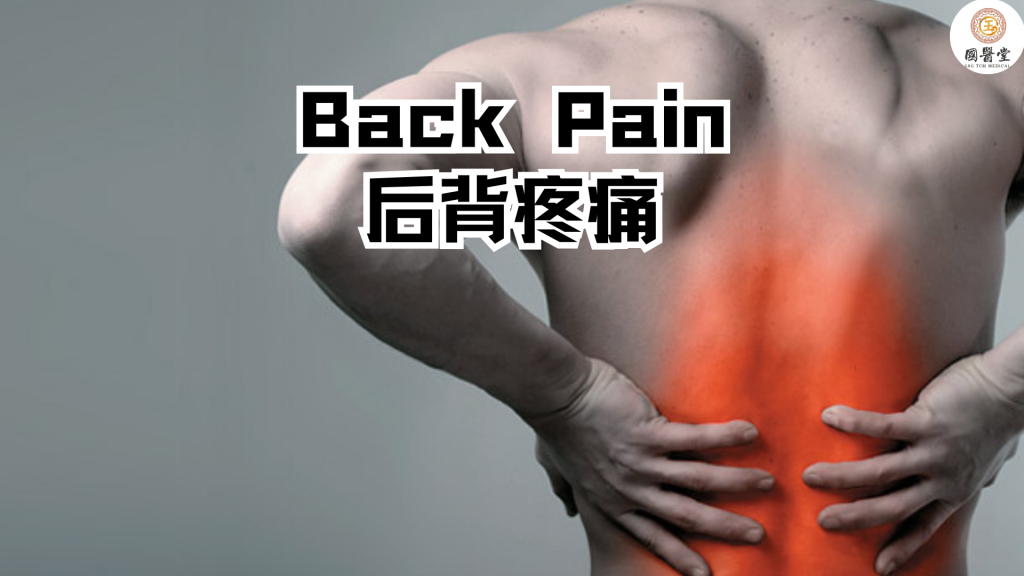
  • Lower back pain and sciatica
  • Knee and ankle instability
  • Frozen shoulder
  • Joint degeneration due to aging

Injury & Trauma Recovery

  • Sports injuries
  • Falls and minor fractures (non-surgical cases)
  • Repetitive strain injuries

Postural & Functional Problems

  • Spinal misalignment
  • Poor posture from prolonged sitting
  • Limited range of motion

According to clinical observations in integrative medicine clinics, over 65–75% of chronic musculoskeletal pain cases show functional improvement when manual therapy is combined with traditional modalities such as TCM bone setting.

How Bone Setting in TCM Works: Step-by-Step Treatment Process

1. TCM Diagnosis

The practitioner assesses:

  • Posture and gait
  • Range of motion
  • Palpation of joints and muscles
  • Pulse and tongue (if needed)

2. Soft Tissue Preparation

Before any adjustment, muscles and tendons are relaxed using:

  • Tui Na massage
  • Acupressure
  • Gentle stretching

This stage is closely related to the Therapeutic Effects of TCM Massage, which enhances circulation and prepares the body for alignment.

3. Manual Bone Adjustment

Using controlled, precise movements, the practitioner realigns joints while respecting the patient’s physical limits. In bone setting in Traditional Chinese Medicine (TCM), these adjustments are performed gradually and intentionally, based on the patient’s posture, muscle condition, and joint mobility rather than forceful manipulation. The practitioner applies targeted hand techniques to guide misaligned joints back to their natural position while simultaneously releasing surrounding muscle tension and restoring the flow of Qi and blood along the meridians. This approach helps reduce pain, improve range of motion, and prevent further strain or compensation in other parts of the body. Each adjustment is customized to the individual, ensuring the treatment remains safe, effective, and aligned with the body’s natural healing response.

4. Post-Treatment Stabilization

  • Herbal liniments or wraps
  • Movement guidance
  • Lifestyle and posture advice

Bone Setting in TCM vs Chiropractic vs Physiotherapy

AspectTCM Bone SettingChiropracticPhysiotherapy
PhilosophyHolistic, Qi-basedStructuralFunctional rehab
TechniqueManual, meridian-basedMechanical adjustmentsExercises & modalities
DiagnosisWhole-bodySpine-focusedMuscle-focused
AftercareHerbs, lifestyleMinimalExercise plans

TCM bone setting stands out by integrating manual therapy with internal balance, not just mechanical correction.

Is Bone Setting in TCM Safe? Benefits and Risk Considerations

When performed by a licensed and experienced TCM practitioner, bone setting is generally safe and well-tolerated.

Safety Guidelines

  • Not recommended for severe fractures or advanced osteoporosis
  • Always preceded by proper assessment
  • Adjustments are gentle and patient-specific

Clinical case reviews in TCM clinics across Asia show high patient satisfaction rates, particularly for chronic pain conditions where conventional approaches provided limited relief.

The Role of TCM Massage in Enhancing Bone Setting in TCM Results

Bone setting is rarely done alone. It is commonly combined with Tui Na to:

  • Relax tight muscles
  • Reduce inflammation
  • Improve circulation
  • Prevent recurrence

You can learn more about this complementary approach here: Therapeutic Effects of TCM Massage

When Should You Consider Bone Setting in Traditional Chinese Medicine?

Consider bone setting if you:

  • Experience recurring joint pain
  • Feel stiffness despite exercise
  • Have limited mobility after injury
  • Want a natural, non-surgical approach

Simple Self-Check

If pain worsens with poor posture or improves temporarily with massage, bone setting may be beneficial. This pattern often indicates functional misalignment or muscle–joint imbalance rather than structural damage, which is a key area where bone setting in Traditional Chinese Medicine (TCM) is most effective. When discomfort increases after prolonged sitting, standing, or repetitive movement, but feels relieved after stretching or massage, it suggests that joint positioning and Qi–blood circulation may be restricted. TCM bone setting aims to correct these imbalances at the source, helping the body maintain proper alignment and reducing the likelihood of recurring pain. If these signs are present, a professional TCM assessment can help determine whether bone setting is the appropriate treatment approach.

bone setting in TCM

Conclusion: Why Choose Bone Setting in TCM for Long-Term Pain Relief

Bone setting in Traditional Chinese Medicine (TCM) offers a time-tested, holistic solution for joint pain, mobility issues, and structural imbalance. By addressing both physical alignment and internal energy flow, it provides sustainable relief rather than temporary symptom control. At GNG TCM, our expertise lies in integrative manual therapies, including bone setting, Tui Na massage, and personalized TCM care plans tailored to modern lifestyles. If you are ready to restore balance, reduce pain, and move freely again, we invite you to explore our services and speak directly with our professional team through our official contact page.

FAQs Section

Does TCM bone setting hurt?

How many sessions are needed?

Is bone setting suitable for elderly patients?

Can bone setting fix posture problems?

Is bone setting the same as Tui Na?

TCM Treatments for Neck Pain: Natural and Holistic Relief

reflexology vs massage

Understanding Neck Pain in TCM

TCM treatments for neck pain , from a TCM perspective, neck pain occurs when the flow of Qi and blood along the meridians is blocked. Emotional stress, cold exposure, poor posture, or physical strain can lead to stagnation, resulting in pain, stiffness, or tension headaches. TCM also recognizes that imbalances in the liver, kidney, or gallbladder meridians can contribute to chronic neck discomfort, while muscle tightness and sedentary habits worsen the condition over time. Unlike conventional medicine, which often focuses on symptom management, TCM treatments for neck pain aim to address the root cause, restore harmony within the body, and support its natural self-healing processes. By targeting both the physical and energetic aspects of the body, these TCM treatments not only relieve immediate discomfort but also improve circulation, enhance flexibility, reduce inflammation, and prevent future episodes of neck pain.

Common TCM Treatments for Neck Pain

Acupuncture
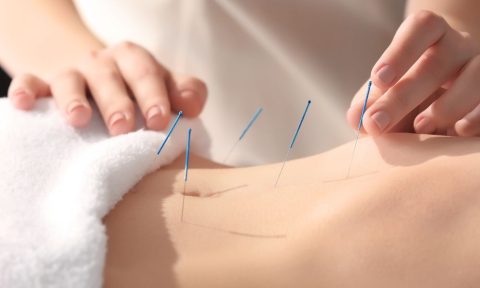
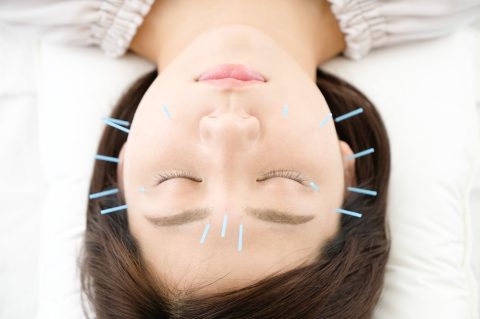
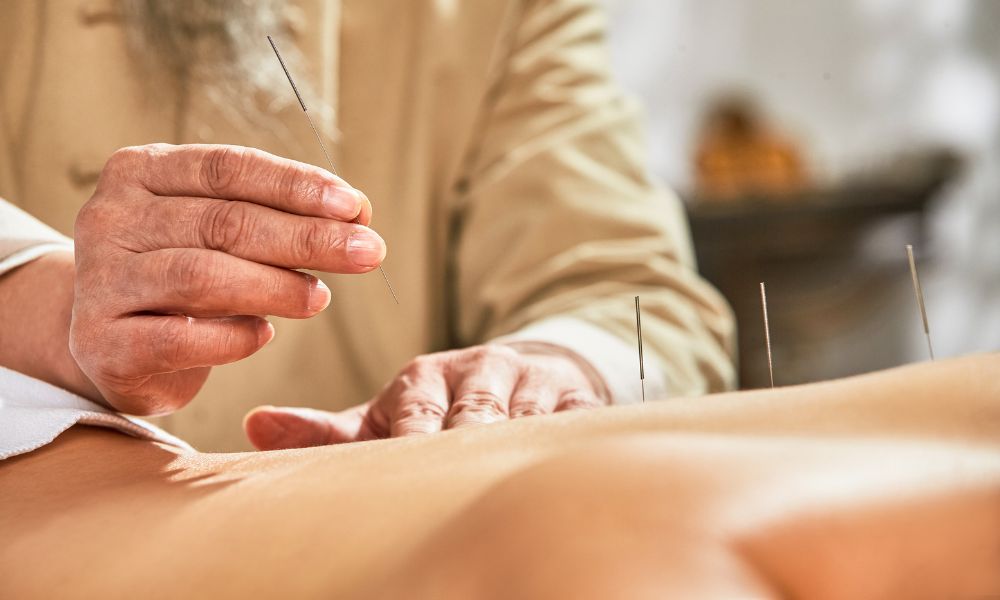
Acupuncture involves inserting fine needles at specific points along the neck, shoulders, and upper back. This stimulates meridians, reduces inflammation, promotes blood flow, and relaxes tight muscles. Studies have shown that acupuncture can be highly effective for chronic neck pain and tension headaches (NCCIH Acupuncture Research).

Tui Na Massage
Tui Na is a therapeutic massage that uses kneading, pressing, rolling, and stretching techniques. It loosens tight muscles, improves posture, enhances circulation, and restores balance to the musculoskeletal system. Tui Na is especially helpful for neck stiffness caused by prolonged sitting or repetitive strain.

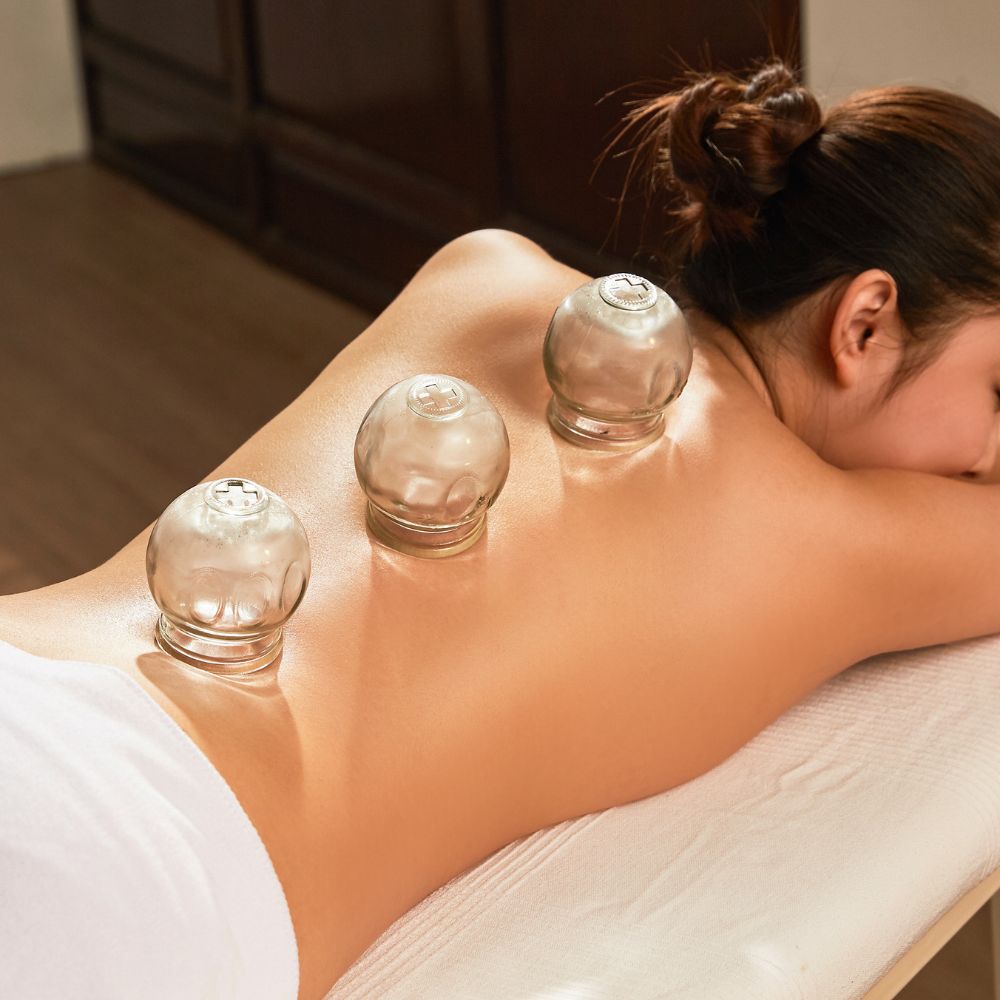
Cupping Therapy
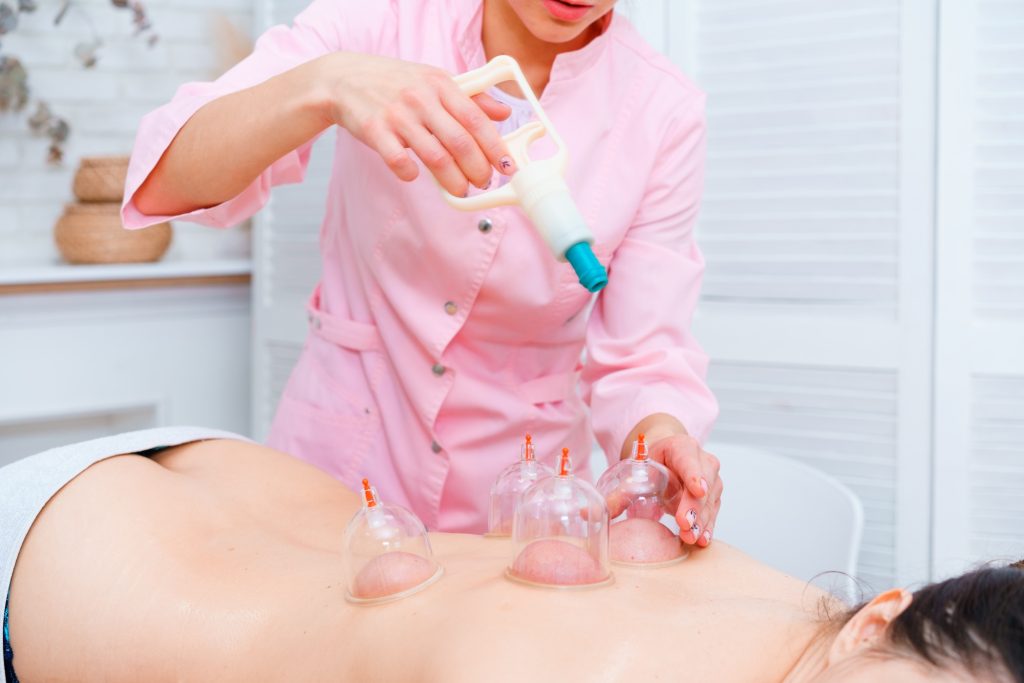
Cupping creates suction on the skin to lift soft tissue, improving blood and lymphatic flow while releasing stagnation. Dry cupping is ideal for relieving chronic stiffness, while sliding cupping promotes detoxification and relaxation. This therapy is often combined with Tui Na or acupuncture for enhanced results.

Herbal Medicine
Customized herbal formulas are used to reduce inflammation, improve circulation, and support tissue repair. Herbs such as Du Huo (Angelica pubescens) and Chuan Xiong (Ligusticum chuanxiong) are commonly prescribed for chronic neck pain and circulation support.

Moxibustion
Moxibustion involves applying gentle heat to specific points, warming the meridians, and stimulating Qi flow. It is particularly useful for neck pain caused by cold or stagnant energy.

Key Benefits of TCM Treatments

TCM treatments for neck pain
  • Effective Pain Relief: Reduces neck, shoulder, and upper back discomfort naturally.
  • Enhanced Mobility: Improves range of motion and flexibility for daily activities.
  • Stress Reduction: Supports the nervous system, promoting relaxation and emotional balance.
  • Improved Circulation: Boosts Qi and blood flow, accelerating healing.
  • Preventive Care: Addresses the root cause to minimize recurrence of neck pain.

What to Expect During a TCM Session

During your first session, the practitioner will assess your medical history, lifestyle habits, and body constitution to gain a full understanding of the factors contributing to your discomfort. Diagnostic methods such as pulse reading, tongue analysis, and careful palpation help identify the type of Qi or blood stagnation causing your neck pain. Based on this assessment, personalized TCM treatments for neck pain are designed to target the root cause rather than just relieving symptoms.

Treatment plans may include acupuncture to unblock meridians, Tui Na massage to release muscle tension, cupping therapy to improve circulation, moxibustion to warm the meridians, and customized herbal formulas to reduce inflammation and support tissue repair. Sessions typically last 30–60 minutes, and practitioners provide post-treatment guidance on gentle stretching exercises, ergonomic adjustments, and dietary recommendations to enhance the effectiveness of the therapy. By combining these holistic approaches, TCM treatments for neck pain not only offer immediate relief but also promote long-term wellness, prevent recurrence, and improve overall mobility and posture.

Complementary Treatments

For holistic spinal care, combining Lower Back Pain Therapy can improve posture, alignment, and overall musculoskeletal health. Additionally, stress management techniques, ergonomic interventions, and gentle stretching complement TCM treatments.These combined approaches help address not only the immediate pain but also the underlying causes of neck and back tension, promoting better circulation, reducing muscle stiffness, and enhancing the body’s natural healing ability over time. By integrating multiple strategies, patients can achieve more lasting relief and improved overall wellness.

TCM treatments for neck pain

Conclusion

TCM treatments for neck pain provide natural, safe, and holistic relief by targeting both physical and energetic imbalances in the body. These therapies work not only to reduce inflammation and relax tight muscles but also to restore the smooth flow of Qi and blood along the meridians, addressing the root causes of discomfort. Patients often experience significant improvements in pain levels, mobility, posture, and overall musculoskeletal health. Additionally, by incorporating lifestyle guidance, gentle exercises, and dietary recommendations, TCM treatments support long-term wellness and help prevent future episodes of neck pain.

To schedule a personalized TCM consultation and start your journey toward lasting neck pain relief in Singapore, please contact us. Our certified practitioners will design a treatment plan tailored to your unique needs, ensuring both immediate relief and sustainable results.

FAQs Section

How many sessions are needed to see results?

Is TCM treatment safe?

Can TCM help with tension headaches?

Can TCM be combined with Western medicine?

Is TCM suitable for office workers?

Exploring Traditional Chinese Medicine (TCM) in Chinatown Singapore

acupuncture for weight loss

Embracing Tradition in Modern Healthcare

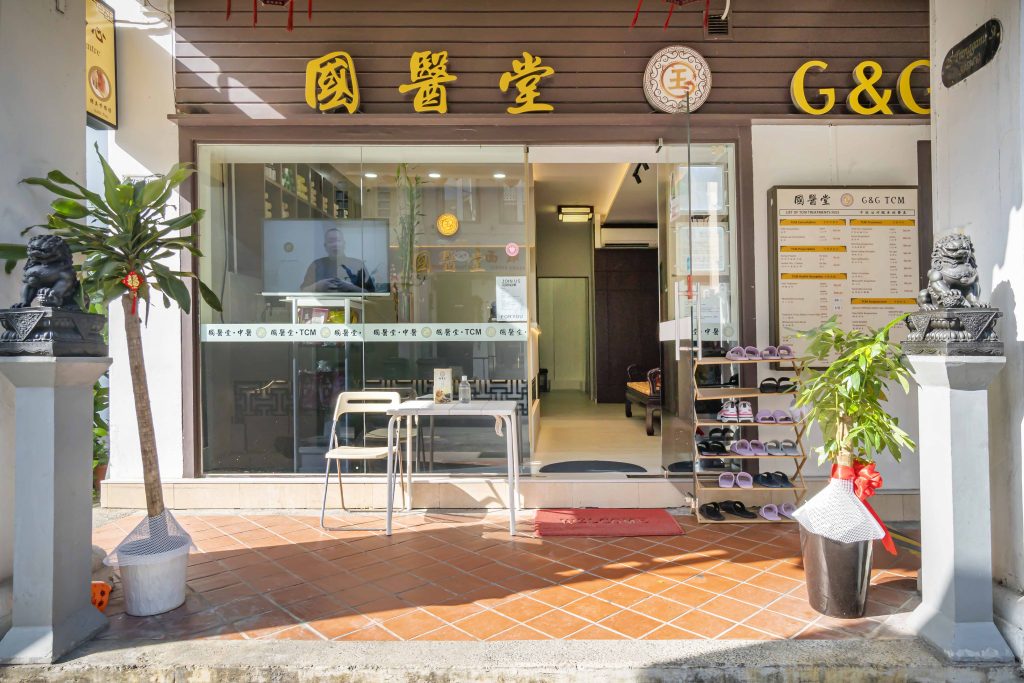
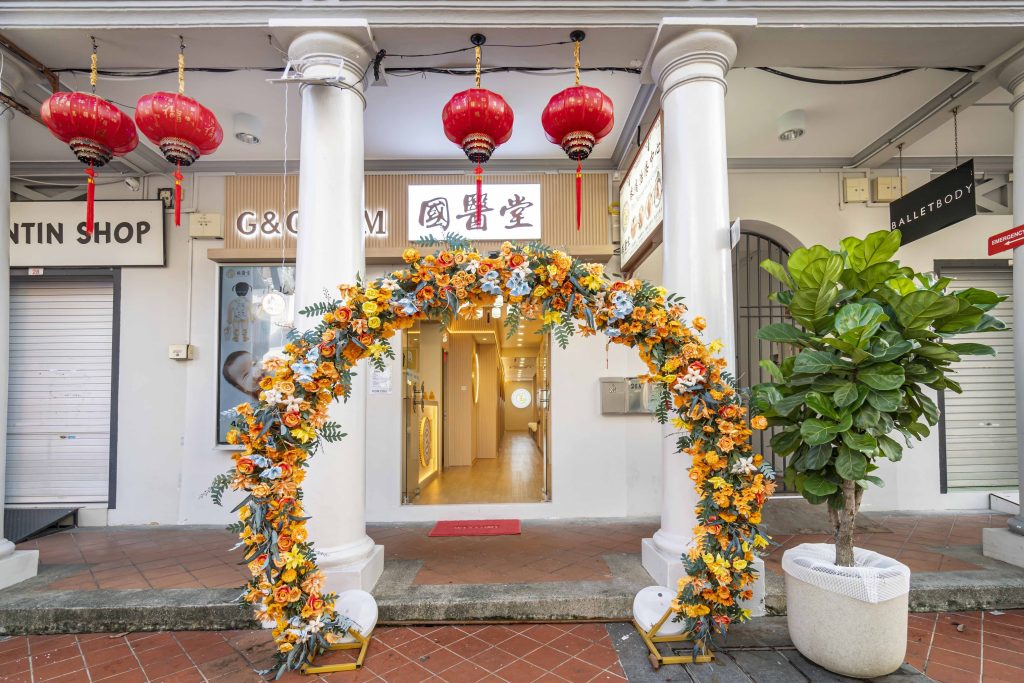
In the heart of Singapore’s Chinatown, amidst the cultural richness and bustling streets, G&G TCM stands as a beacon of TCM clinic excellence. G&G TCM integrates ancient healing practices with modern wellness solutions, offering a comprehensive range of therapies aimed at restoring balance and promoting overall well-being.

Principles and Practices of TCM

TCM embodies a holistic approach to health, focusing on the balance of Qi (vital energy) within the body, the harmony of Yin and Yang energies, and the interconnectedness of organs and meridians. At G&G TCM, these principles guide a variety of treatments, including acupuncture, herbal medicine, cupping therapy, and more.

Holistic Wellness and Preventive Care

Unlike Western medicine’s emphasis on treating symptoms, TCM emphasizes preventive care and addresses underlying imbalances to promote long-term health. At G&G TCM, personalized treatment plans are tailored to each individual’s constitution and health needs, fostering a proactive approach to wellness.

Cultural Heritage and Modern Application

Chinatown Singapore serves as a vibrant backdrop for G&G TCM’s practice, where cultural traditions are preserved and celebrated. Patients experience the cultural richness of TCM through personalized care that respects both ancient wisdom and modern healthcare standards.

Integration with Modern Healthcare

G&G TCM collaborates with Western medical practitioners to offer integrated healthcare solutions that combine the strengths of both systems. This collaborative approach enhances treatment outcomes, providing patients with comprehensive care options tailored to their health goals.

Community Impact and Accessibility

As a cornerstone of healthcare in Chinatown Singapore, G&G TCM plays a crucial role in community health and wellness. The clinic’s accessibility and cultural sensitivity make it a preferred choice for locals and visitors seeking alternative health solutions rooted in tradition and efficacy.

Conclusion: Bridging Tradition with Modern Well-being

G&G TCM in Chinatown Singapore represents a harmonious blend of tradition and innovation in healthcare. By embracing ancient wisdom and integrating it with modern practices, G&G TCM plays a vital role in promoting holistic wellness and cultural understanding. Whether seeking relief from ailments or exploring alternative health approaches, visitors to G&G TCM embark on a journey of healing and cultural discovery.

Embracing Traditional Chinese Medicine: The Healing Power of TCM Tuina, Moxibustion, and Acupuncture

Embracing Traditional Chinese Medicine: The Healing Power of TCM Tuina, Moxibustion, and Acupuncture

In the realm of holistic health, Traditional Chinese Medicine (TCM) holds a venerable position, offering a rich tapestry of treatments that have been nurtured over millennia. Among its most celebrated practices are TCM Tuina (massage), moxibustion, and acupuncture. These treatments, steeped in ancient wisdom, offer a unique approach to healing, focusing not just on the symptoms but on the root cause of ailments. This article delves into the essence of these practices, shedding light on their benefits, techniques, and the holistic philosophy that underpins them.

TCM Tuina: A Holistic Approach to Massage

TCM Tuina is more than just a conventional massage; it’s a comprehensive healing technique that incorporates the principles of TCM to restore balance and harmony within the body. Unlike Western massage therapies that primarily focus on relaxation and muscle tension, Tuina targets the body’s meridians and acupuncture points to promote the flow of Qi (energy) and blood.

Techniques and Applications: Tuina employs a variety of techniques such as kneading, tapping, and pressing, tailored to the individual’s needs. It’s particularly effective for treating chronic pain, musculoskeletal conditions, and stress-related disorders. By stimulating specific points, Tuina seeks to enhance bodily functions, boost the immune system, and facilitate emotional balance.

Lower Backpain

Moxibustion: The Warmth That Heals

Moxibustion is a therapeutic practice that involves burning dried mugwort (moxa) on or near the skin’s surface at acupuncture points. This technique is used to warm regions and meridian points with the intention of stimulating circulation through the points and inducing a smoother flow of blood and Qi.

Benefits and Practices: The warmth from moxibustion penetrates deeply into the muscles, providing relief from cold and stagnant conditions. It’s renowned for its effectiveness in treating arthritis, digestive issues, and reproductive disorders. Moxibustion also strengthens the blood, stimulates the flow of Qi, and maintains general health. The practice can vary from direct (placing moxa directly on the skin) to indirect (holding it near the skin), depending on the condition being treated.

Acupuncture: Pinpointing Health

Acupuncture, one of the most widely recognized pillars of TCM, involves the insertion of fine needles into specific points on the body. This practice is grounded in the concept of achieving health by balancing the body’s Qi. It’s a method that transcends mere physical healing, touching on emotional and mental wellness too.

Techniques and Efficacy: The precise locations for needle insertion are determined based on a thorough assessment of the patient’s Qi flow, using diagnostic methods unique to TCM. Acupuncture is effective in treating a wide range of conditions, including chronic pain, insomnia, depression, and various digestive ailments. It works by stimulating the body’s natural healing mechanisms, reducing inflammation, and improving the function of multiple organ systems.

The Holistic Philosophy of TCM

The underlying philosophy of TCM is the concept of balance and harmony between the opposing forces of Yin and Yang, and the flow of Qi through the body’s meridians. Health, in TCM, is a state of balance where Qi flows freely. Illness arises from blockages or imbalances in this flow, and TCM treatments aim to restore equilibrium.

Integrating TCM in Modern Healthcare: Incorporating TCM practices like Tuina, moxibustion, and acupuncture into modern healthcare offers a holistic alternative or complement to conventional medical treatments. These practices provide a comprehensive approach to health, recognizing the interconnection between mind, body, and spirit, and emphasizing the body’s inherent ability to heal itself.

Conclusion

TCM’s holistic practices of Tuina, moxibustion, and acupuncture represent a profound understanding of human health and wellness. By addressing the root causes of ailments and promoting the flow of Qi, these therapies offer a path to holistic healing that is as relevant today as it was thousands of years ago. As more individuals seek out alternative and integrative approaches to health, the ancient wisdom of TCM continues to find new resonance, offering a gentle yet powerful way to achieve balance and wellness in our modern world.

Check out: Singapore Chinatown TCM Clinic (新加坡中医诊所)

在新加坡唐人街 (牛车水)的顶级中医诊所发现传统疗法的精髓

tcm clinics

在新加坡唐人街的顶级中医诊所发现传统疗法的精髓

欢迎来到国医堂!

位于新加坡牛车水的中心地带,我们的诊所是这座充满活力的城市中传统中医(TCM)的灯塔。作为新加坡顶级中医诊所之一,我们致力于为注重健康的本地居民和寻求整体福祉的全球游客提供专业和真正的中医服务。

我们的理念:传统与现代的融合

我们坚信中医的永恒智慧,这是一个已经繁荣了数千年的实践。我们的诊所是一个古老做法遇见现代医疗保健精细的地方,提供独特的治疗体验,平衡身体、心灵和精神。

我们的服务:全面的中医治疗理疗方法

我们专门提供一系列中医服务,旨在解决各种健康问题和促进整体福祉:

中医推拿和按摩: 通过我们的中医推拿和按摩服务,深入放松和复苏之旅。我们的技术娴熟的从业者使用古老的技术来释放肌肉紧张,改善循环,增强全身的能量流动。
中医艾灸: 体验艾灸的温暖拥抱,这是一种利用艾草的治疗属性来刺激穴位,改善气血循环,并增强您的免疫系统的治疗方法。
中医正骨: 我们的中医正骨服务为肌肉骨骼问题提供全面的治疗方法。通过温和的操纵和调整技术,我们处理从轻微扭伤到慢性关节不适的各种条件。
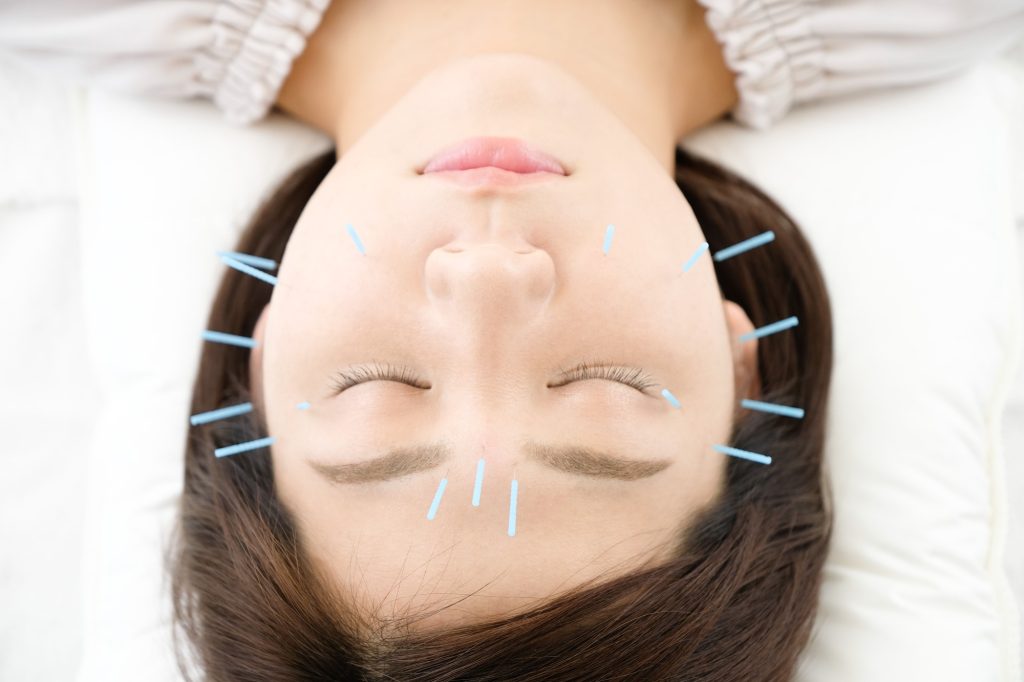
中医针灸: 通过我们的针灸服务,解锁您体内的能量通道。通过将超细针插入特定点位,我们旨在恢复平衡,缓解疼痛,并鼓励自然愈合。

为什么选择我们?

  • 专业知识和经验: 我们的中医从业者团队具有高度的资质,多年的经验,为客户提供个性化的关怀和取得显著的结果。
  • 真正和定制的治疗: 我们以提供根据客户的个人需要和条件量身定制的真正中医治疗为荣。
  • 宁静的治疗环境: 我们的诊所位于文化丰富的唐人街中心,提供一个宁静和欢迎的氛围,增强治疗过程。
  • 游客和当地人的便利性: 无论您是当地居民还是探索新加坡的声音和景象的游客,我们的诊所都位于便利的位置,是您追求健康和福祉的避风港。

开始您的健康之旅

在新加坡这个繁忙的城市中,我们位于牛车水的中医诊所为那些寻求自然恢复健康的人提供了一个避难所。无论您是因身体不适寻求缓解、希望增强整体福祉、或仅仅需要一个宁静的逃避之地,我们邀请您体验传统中医带来的深刻益处。

今天就来访问我们

拥抱与我们一起的整体健康之路。联系我们预约您的时间或走进我们的诊所,发现中医如何改变您的生活。让您的健康和和谐之旅在新加坡唐人街的心脏地带开始,在这里,传统与现代性在每个角落相遇。

The Essence of Traditional Healing: Understanding Holistic Wisdom for Modern Wellness

chinese herbal medicine

The essence of traditional healing refers to a holistic approach to health that emphasizes balance, prevention, and the body’s innate ability to heal itself. Rooted in ancient medical systems such as Traditional Chinese Medicine (TCM), Ayurveda, and indigenous healing practices, traditional healing focuses on treating the whole person, body, mind, and environment, rather than isolated symptoms. In an era where modern healthcare often prioritizes rapid symptom relief, traditional healing offers a complementary perspective that values long-term wellness, individualized care, and harmony between physical, emotional, and energetic systems.

What Is the Essence of Traditional Healing?

The essence of traditional healing lies in understanding health as a dynamic balance rather than the absence of disease. Traditional systems view illness as a sign of imbalance within the body or between the individual and their surroundings.

Key characteristics include:

  • Holistic diagnosis considering physical, emotional, and lifestyle factors
  • Natural therapies that support the body’s self-regulation
  • Preventive care and early intervention
  • Personalized treatment based on individual constitution

This philosophy forms the foundation of many traditional medical systems practiced worldwide.

Core Principles Behind Traditional Healing Practices

Balance and Harmony

Traditional healing systems emphasize balance as the foundation of health. In Traditional Chinese Medicine (TCM), this balance is expressed through Yin and Yang, representing opposing yet complementary forces that must remain in harmony for the body to function optimally. Similarly, Ayurveda focuses on balancing the Doshas (Vata, Pitta, and Kapha), while many indigenous healing systems emphasize harmony between the body, nature, and spiritual elements. When balance is disrupted, due to stress, diet, emotional strain, or environmental factors, illness is believed to emerge. Restoring harmony helps the body activate its natural self-healing mechanisms.

Root-Cause Treatment

Rather than suppressing symptoms, traditional healing seeks to address underlying causes such as:

  • Energy imbalance
  • Chronic stress
  • Poor lifestyle habits
  • Environmental influences

Prevention Over Cure

Preventive care is a central principle in traditional healing, emphasizing the maintenance of health before illness develops. Practices such as dietary regulation, herbal tonics, lifestyle adjustments, seasonal therapies, and routine bodywork are used to strengthen resilience and maintain internal balance. In TCM philosophy, the highest level of medicine is preventing disease rather than treating it after onset. This proactive approach aligns closely with modern preventive healthcare models, supporting sustained wellness, early intervention, and improved quality of life over time.

Common Traditional Healing Modalities

Traditional healing encompasses a wide range of therapies used across cultures:

  • Herbal medicine
  • Acupuncture and acupressure
  • Therapeutic massage (such as Tui Na)
  • Dietary therapy and lifestyle guidance

These modalities are often combined to create a comprehensive and individualized treatment plan.

The Role of Traditional Healing in Modern Healthcare

As healthcare systems evolve, traditional healing is increasingly integrated with modern medicine to support:

  • Chronic pain management
  • Stress-related disorders
  • Musculoskeletal conditions
  • Digestive and metabolic health

Evidence and Growing Acceptance

Research in integrative medicine shows that patients who receive complementary traditional therapies alongside conventional care often report:

  • Improved quality of life
  • Reduced reliance on long-term medication
  • Better symptom management

A 2021 review in integrative health studies reported that holistic therapies contributed to measurable improvements in patient satisfaction and functional outcomes.

Why Patients Are Returning to Traditional Healing

Modern lifestyles marked by high stress, prolonged sitting, irregular sleep, and poor work–life balance have led many people to experience chronic fatigue, pain, and stress-related conditions. Traditional healing approaches are gaining renewed interest because they focus on restoring balance, addressing root causes, and supporting long-term wellness rather than offering temporary symptom relief. This holistic and preventive approach aligns well with the needs of modern patients seeking natural, sustainable, and personalized healthcare solutions.

Patients are drawn to traditional healing because it:

  • Treats the individual, not just the condition
  • Encourages active participation in health management
  • Aligns physical treatment with mental and emotional wellbeing

This shift reflects a broader global movement toward wellness-oriented healthcare.

Traditional Healing in Community-Based Clinics

Community-focused traditional clinics play a vital role in preserving and delivering authentic healing practices. These clinics combine cultural wisdom with professional standards to meet modern patient expectations. You can explore real-world applications and benefits of tcm clinics to better understand how traditional healing supports contemporary health needs.

In addition to providing clinical care, community-based traditional healing clinics serve as accessible health hubs that emphasize trust, continuity of care, and personalized treatment. Practitioners often take time to understand patients’ lifestyles, cultural backgrounds, and long-term health goals, allowing for more tailored and holistic care plans. By integrating traditional diagnostic methods with modern hygiene, safety protocols, and ethical standards, these clinics help bridge the gap between ancestral healing knowledge and the demands of today’s healthcare environment, ensuring traditional healing remains relevant, safe, and effective for modern communities.

How Traditional Healing Supports Long-Term Wellness

Step-by-Step Holistic Care Approach

  • Comprehensive assessment of symptoms, lifestyle, and health history
  • Identification of imbalance patterns
  • Personalized therapy selection
  • Lifestyle and dietary recommendations
  • Ongoing monitoring and adjustment
the essence of traditional healing

Conclusion: Embracing the Essence of Traditional Healing

The essence of traditional healing lies in its holistic philosophy, addressing root causes, restoring balance, and supporting the body’s natural healing capacity. As modern healthcare increasingly values personalized and preventive approaches, traditional healing continues to play a vital role in promoting sustainable health and wellbeing.

At GNG TCM, we specialize in delivering authentic traditional healing practices that meet modern clinical standards. Our expertise spans acupuncture, herbal medicine, therapeutic massage, and personalized wellness care. If you are seeking a balanced and holistic path to better health, we invite you to learn more about our services and connect with our professional team through our official contact page.

FAQs Section

What makes traditional healing different from modern medicine?

Is traditional healing scientifically supported?

Can traditional healing be combined with modern treatment?

How long does traditional healing take to show results?

Is traditional healing suitable for preventive care?

Lower Back Pain Therapy: Comprehensive Guide to Causes, Diagnosis & TCM Treatment Options

What Is Lower Back Pain Therapy?

Lower back pain therapy refers to the clinical and holistic approaches used to diagnose, manage, and treat pain occurring in the lumbar region. This may include physical therapy, Traditional Chinese Medicine (TCM), acupuncture, herbal remedies, stretching programs, ergonomic corrections, massage therapy, and lifestyle adjustments tailored to the patient’s underlying condition.

Lower back pain is one of the most common musculoskeletal issues worldwide. According to global health statistics, over 540 million people experience lower back pain annually, making it one of the leading causes of lost workdays and reduced quality of life. Effective therapy requires understanding both the symptoms and the root causes, not just masking discomfort.

Common Causes of Lower Back Pain

Lower back pain may arise from structural, muscular, neurological, or lifestyle-related factors. Common causes include: Lower back pain often develops due to strain on muscles, irritation of nerves, or degeneration of spinal structures. Poor posture, prolonged sitting, sudden movements, aging, or underlying conditions such as herniated discs and arthritis can also contribute to discomfort in the lower back.

Musculoskeletal Causes

  • Muscle strain or ligament sprain
  • Poor posture and prolonged sitting
  • Weak core muscles
  • Sedentary lifestyle
  • Pregnancy-related lumbar stress

Structural Conditions

  • Herniated or bulging discs
  • Spinal stenosis
  • Degenerative disc disease
  • Scoliosis
  • Osteoarthritis

Systemic or Internal Factors

  • Kidney issues
  • Inflammatory disorders
  • Stress-induced tension (often linked to tight hip flexors and low back muscles)

Symptoms to Watch For

  • Sharp or dull lumbar pain
  • Radiating pain to the legs
  • Morning stiffness
  • Limited bending or twisting motion
  • Tingling or numbness

How TCM Diagnoses Lower Back Pain

Traditional Chinese Medicine (TCM) views lower back pain as an imbalance in Qi, blood circulation, kidney energy, or stagnation along the meridian pathways. When Kidney Qi is weak or when Qi and blood fail to flow smoothly, tension and pain can develop in the lumbar area. External factors such as cold, dampness, or stress can also block the meridians, leading to stiffness and discomfort. This holistic view helps practitioners identify the root pattern behind each patient’s lower back pain.

Diagnostic Methods

TCM consultation often includes:

  • Tongue Analysis: checking coating, color, and shape
  • Pulse Diagnosis: identifying stagnation, deficiency, or heat
  • Palpation: assessing tightness, tenderness, or blockages
  • Lifestyle Review: sleep quality, stress levels, and daily habits
  • Medical History Assessment: previous injuries or chronic conditions

These methods allow TCM practitioners to identify the root imbalance, which may differ for each patient even if symptoms appear similar.

Effective Lower Back Pain Therapy Options

1. Acupuncture

Stimulates specific acupoints to:

  • Reduce inflammation
  • Relax spasms
  • Improve blood flow
  • Release natural painkillers (endorphins)

2. Tui Na Medical Massage

A therapeutic massage focusing on:

  • Meridians
  • Soft tissues
  • Muscular knots
  • Lower back and hip alignment

3. Cupping Therapy

Relieves deep muscle tension and improves micro-circulation. Particularly beneficial for:

  • Chronic stiffness
  • Qi stagnation
  • Overuse injuries

4. Moxibustion

Uses heat to warm meridians, especially effective for:

  • Cold-induced pain
  • Chronic low back weakness
  • Joint stiffness

5. Herbal Medicine

Customized prescriptions may help:

  • Strengthen Kidney Qi (a key concept for lumbar health)
  • Reduce inflammation
  • Enhance circulation
  • Support tissue healing

6. Physical Therapy & Home Exercises

TCM-integrative programs often include:

  • Core strengthening
  • Hip mobility training
  • Gentle stretching routines
  • Posture correction

Step-By-Step Therapy Plan (Machine-Readable Format)

Step 1: Initial Assessment

  • Pain location mapping
  • Range of motion testing
  • Lifestyle and posture review

Step 2: TCM Diagnostic Procedures

  • Pulse + tongue evaluation
  • Meridian pathway analysis

Step 3: Treatment Selection

  • Acupuncture
  • Herbal prescription
  • Cupping or moxibustion
  • Manual therapy

Step 4: Home Care Program

  • Daily stretching routine
  • Heat therapy
  • Ergonomic corrections

Step 5: Follow-Up

  • Progress evaluation
  • Adjusting herbs or acupoints as needed

Case Example: Chronic Lower Back Pain (Realistic Scenario)

Additional Wellness Practices for Long-Term Relief

For patients wanting deeper detoxification or a seasonal reset, explore our resource on end of year detox TCM Singapore, which supports overall energy flow, inflammation reduction, and musculoskeletal health. This approach helps the body clear internal stagnation, rebalance organ systems, and boost resilience—especially beneficial for those experiencing fatigue, digestive sluggishness, or tension buildup throughout the year.

These detox methods often combine herbal prescriptions, meridian therapy, and diet adjustments to enhance the body’s natural cleansing functions. By aligning the detox process with TCM principles, patients may experience improved circulation, better sleep quality, and a refreshed sense of well-being as they transition into the new year.

Lower Back Pain Therapy

Conclusion – Start Your Lower Back Pain Healing Journey

Lower back pain therapy is most effective when it targets the root cause rather than offering only temporary symptom relief. Through a combination of TCM techniques such as acupuncture, Tui Na, cupping, herbal medicine, and personalized lifestyle guidance, long-term recovery becomes achievable and is well supported by clinical evidence. This holistic approach not only reduces pain but also improves flexibility, enhances circulation, and strengthens the lower back structure to prevent future recurrence. If you’re experiencing persistent discomfort or limited mobility, our team is ready to help you heal safely and naturally. To learn more or schedule a consultation, please visit our website and reach out directly through our contact page.

FAQs Section

What causes lower back pain in TCM?

How does acupuncture relieve lower back pain?

Does herbal medicine help with back pain?

Is Tui Na massage effective?

What does moxibustion do for back pain?

中医推拿的重要性

tcm diet guide

中医推拿,作为传统中医的重要组成部分,不仅仅是一种简单的按摩或体外治疗方法。它是一种深深植根于中医理论的全身治疗方式,涵盖了身体、心灵和情绪健康的整体照顾。中医推拿的重要性在于它独特的治疗方式和对人体健康的多维度影响。

中医推拿的核心原理

  1. 气血循环: 推拿通过刺激体内的经络和穴位,促进气血循环,从而提升身体的自我修复能力。
  2. 阴阳平衡: 按照中医的阴阳理论,推拿可以帮助调整人体的阴阳平衡,维持身体的自然状态。
  3. 整体治疗: 中医推拿不仅关注局部问题,还关注整个身体的健康状况,包括精神和情绪健康。

中医推拿的健康益处

  1. 缓解疼痛: 对于肌肉酸痛、关节疼痛等常见问题,推拿能有效地提供缓解。
  2. 促进血液循环: 推拿可以改善血液循环,有助于身体各部分的营养物质和氧气供应。
  3. 减轻压力和焦虑: 中医推拿还可以帮助缓解精神压力和焦虑,提升心理健康。
  4. 提升免疫系统: 定期进行推拿可以增强免疫系统的功能,提升身体的抗病能力。
  5. 改善睡眠质量: 通过放松身体和心灵,推拿还能够改善睡眠质量。

中医推拿在现代社会的应用

随着人们对健康和自然疗法日益关注,中医推拿在现代社会的地位也日益提升。它不仅在传统中医诊所中得到应用,也越来越多地被整合到现代医疗体系中,如康复中心、健康俱乐部等。

结论

中医推拿以其独特的治疗方式和对整体健康的关注,在现代医疗保健中占有重要地位。它不仅是一种有效的治疗手段,也是一种促进身心健康和谐的生活方式。随着对这种传统治疗方式理解的深入,中医推拿的重要性将会在全球范围内得到更广泛的认可和应用。

Integrating TCM in Modern Healthcare: Bridging Traditional Wisdom and Evidence-Based Medicine

Integrating TCM in modern healthcare refers to the systematic combination of time-tested Traditional Chinese Medicine (TCM) therapies with contemporary medical practices to enhance patient outcomes, preventive care, and long-term wellness. Rather than replacing conventional medicine, integrating TCM in modern healthcare focuses on collaboration, using the strengths of both systems to address complex, chronic, and lifestyle-related health conditions. As global healthcare systems shift toward personalized and preventive models, the integration of TCM has gained increasing recognition among hospitals, clinics, and patients seeking holistic yet clinically responsible care.

What Does Integrating TCM in Modern Healthcare Mean?

Integrating TCM in modern healthcare means applying Traditional Chinese Medicine principles alongside biomedical diagnostics and treatments in a coordinated, patient-centered manner.

This integration commonly includes:

  • Combining TCM therapies with conventional medical treatment plans
  • Using modern diagnostics to guide traditional interventions
  • Emphasizing prevention, lifestyle balance, and long-term health

Core TCM Modalities Used in Modern Healthcare Settings

  • Acupuncture and electro-acupuncture
  • Herbal medicine (standardized and regulated)
  • Tui Na therapeutic massage
  • Cupping and moxibustion
  • Dietary therapy and lifestyle counseling

These modalities are increasingly used in integrative clinics, rehabilitation centers, and wellness-focused medical institutions.

Why Integrating TCM in Modern Healthcare Is Gaining Global Attention

The growing interest in integrating TCM in modern healthcare is driven by several global healthcare challenges that conventional medical systems alone often struggle to address. As healthcare costs rise and chronic conditions become more prevalent, patients and providers alike are seeking more comprehensive, preventive, and patient-centered care models.

Integrating TCM in modern healthcare offers a complementary approach that emphasizes early intervention, lifestyle regulation, and whole-body balance, making it especially relevant for managing long-term conditions, stress-related disorders, and age-associated health issues. This integrative model aligns well with global trends toward personalized medicine, value-based care, and improved quality of life rather than symptom-focused treatment alone.

Rising Chronic Disease Burden

According to the World Health Organization, over 70% of global deaths are caused by chronic non-communicable diseases such as cardiovascular disease, diabetes, and musculoskeletal disorders. These conditions often require long-term management rather than short-term treatment, placing a significant burden on healthcare systems worldwide.

Integrative approaches that combine symptom management with root-cause prevention are increasingly valued because many chronic diseases are closely linked to lifestyle factors, stress, inflammation, and functional imbalance. Integrating TCM in modern healthcare helps address these underlying contributors through personalized treatment, lifestyle guidance, and regulation of bodily systems, offering a more sustainable strategy for long-term health management and improved patient quality of life.

Patient Demand for Holistic Care

Modern patients seek care that addresses:

  • Physical symptoms
  • Mental and emotional wellbeing
  • Lifestyle and stress factors

TCM naturally complements this demand by focusing on balance, system regulation, and individualized treatment.

Integrating TCM in Modern Healthcare: Evidence and Clinical Outcomes

Research and Clinical Observations

  • A 2022 integrative medicine review found that combining acupuncture with conventional treatment reduced chronic pain scores by 30–50% compared to standard care alone.
  • Hospital-based integrative programs in Asia and Europe report improved patient satisfaction, reduced medication dependence, and shorter recovery times for musculoskeletal and post-operative patients.

Case Example (Integrative Musculoskeletal Care)

Safety, Regulation, and Professional Standards

Integrating TCM in modern healthcare requires:

  • Licensed and professionally trained TCM practitioners
  • Standardized herbal formulations
  • Clear communication between healthcare providers
  • Patient education and informed consent

Countries like Singapore, China, and several EU nations have established regulatory frameworks to ensure TCM integration meets modern healthcare safety standards.

The Role of Specialized Integrative TCM Clinics

Dedicated integrative clinics play a critical role in bridging traditional and modern care. These clinics combine clinical expertise, evidence-based practice, and holistic philosophy under one coordinated system. You can explore how this integration works in practice through Traditional Chinese Medicine and Modern Healthcare, which highlights real-world applications of integrative TCM care in a modern clinical setting.

How Patients Can Benefit from Integrating TCM in Modern Healthcare

Patients who choose integrative care often experience:

  • More personalized treatment plans
  • Improved symptom management
  • Reduced reliance on long-term medication
  • Better quality of life and functional health
integrating TCM in modern healthcare

Conclusion: Why Integrating TCM in Modern Healthcare Matters

Integrating TCM in modern healthcare represents a forward-thinking approach that combines traditional wisdom with scientific rigor. By addressing both symptoms and underlying imbalances, integrative care supports sustainable health outcomes and patient-centered healing.At GNG TCM, we specialize in delivering integrative Traditional Chinese Medicine services that align with modern healthcare standards, evidence-based practice, and individualized patient needs. If you are considering a holistic yet medically responsible approach to your health, we welcome you to learn more about our services and speak directly with our professional team through our official contact page.

FAQs Section

Is integrating TCM with modern healthcare safe?

Can TCM replace conventional medical treatment?

What conditions benefit most from integrative TCM care?

Is integrative TCM supported by research?

Do I need a referral to see an integrative TCM practitioner?

What to Expect in a TCM Consultation

chinese herbal medicine

What to Expect in a TCM Consultation: An Overview

What to Expect in a TCM Consultation is a common question for first-time patients exploring Traditional Chinese Medicine. A TCM consultation is a holistic health assessment that examines not only your symptoms, but also your lifestyle habits, emotional balance, digestion, sleep quality, and overall constitution. Unlike Western evaluations that focus on isolated symptoms, TCM identifies underlying disharmonies that disrupt the body’s natural equilibrium.

During the consultation, a licensed TCM physician uses classical diagnostic techniques—tongue assessment, pulse reading, physical observation, and detailed questioning—to uncover root causes. Understanding what to expect in a TCM consultation helps reduce anxiety and ensures you are fully prepared for the healing process.

What to Expect in a TCM Consultation: Key Diagnostic Methods

Initial Interview

The first step in what to expect in a TCM consultation is a comprehensive conversation with your physician. This includes:

  • Current symptoms and duration
  • Energy level and emotional state
  • Sleep patterns and appetite
  • Menstrual cycle (for female patients)
  • Work routines and lifestyle habits
  • Past treatments and medications

This initial discussion helps physicians link symptoms to pattern imbalances such as qi deficiency, yin deficiency, dampness, or stagnation.

Physical Observation

Another essential part of what to expect in a TCM consultation is observation. The physician may note:

  • Facial complexion
  • Voice tone and breathing
  • Body posture
  • Skin or eye condition
  • Overall vitality

These external signs reflect internal organ health and circulation.

Tongue Diagnosis

Tongue diagnosis in Traditional Chinese Medicine (TCM) is a diagnostic method that evaluates a patient’s internal health by observing the tongue’s color, shape, coating, and moisture. The tongue is believed to reflect the condition of the body’s organs, qi, blood, and body fluids. Variations such as a pale or red tongue, swollen or thin shape, and thick or thin coating can indicate patterns like heat, cold, deficiency, dampness, or stagnation. Because these visual changes often appear before symptoms become noticeable, tongue diagnosis provides practitioners with a quick and reliable insight into overall health and underlying imbalances.

Below is a table summarizing what to expect in a TCM consultation regarding tongue assessment:

A thick yellow coating, for example, often signals damp-heat, while a pale tongue may indicate qi and blood deficiency.

Pulse Diagnosis

Pulse reading is another major element of what to expect in a TCM consultation. The physician assesses 28 classical pulse qualities across three wrist positions to evaluate:

  • Organ strength
  • Circulation
  • Temperature imbalances
  • Stress levels
  • Dampness or stagnation

Combined with tongue assessment, pulse diagnosis forms a complete picture of internal patterns.

What to Expect in a TCM Consultation: Treatment Planning

Once the diagnosis is clear, your physician will explain your body pattern and present a tailored treatment plan. This may include:

  • Acupuncture for pain relief, stress, insomnia, menstrual balance
  • Tui Na massage for muscle tension
  • Herbal medicine for digestion, sleep, immunity, and women’s health
  • Cupping or Gua Sha for stagnation and detoxification
  • Moxibustion for cold-related issues (learn more via our internal article: moxibustion therapy)
  • Lifestyle and dietary recommendations based on your constitution

This step-by-step explanation is central to what to expect in a TCM consultation because personalisation is the foundation of TCM.

What to Expect in a TCM Consultation: Step-by-Step Timeline

Here is a simple breakdown of what to expect in a TCM consultation from beginning to end:

  • Arrival and registration
  • Health interview and symptom analysis
  • Tongue and pulse examination
  • Diagnosis explanation
  • Treatment on the same day (optional)
  • Herbal prescription if needed
  • Lifestyle recommendations
  • Scheduling follow-up sessions

Most consultations last 45–75 minutes depending on complexity.

How to Prepare: What to Expect in a TCM Consultation Before Your Visit

To optimise the consultation:

  • Avoid coffee, candy, or coloured foods 2 hours beforehand (affects tongue reading)
  • Wear loose, comfortable clothes
  • Bring medical reports or scans
  • List medications or supplements
  • Eat light and stay hydrated

Pregnant patients, individuals with bleeding disorders, or those with acute infections should inform the physician beforehand.

Case Example to Illustrate What to Expect in a TCM Consultation

A 32-year-old professional visits a TCM clinic with chronic headaches and persistent fatigue. During the consultation, the practitioner reviews her lifestyle, diet, sleep patterns, and stress levels, followed by tongue and pulse diagnosis. Her tongue appears slightly pale with a thin white coating, and her pulse feels weak—signs commonly associated with qi and blood deficiency. The practitioner explains that prolonged stress and irregular sleep may be draining her energy. A personalized treatment plan is then recommended, which may include acupuncture to improve circulation, herbal formulas to tonify qi and blood, and lifestyle adjustments such as regular meals, better sleep hygiene, and stress-reduction practices.

Findings:

  • Tongue: red edges, thin white coating
  • Pulse: wiry, rapid
  • Lifestyle: long working hours, high stress

In this case, the practitioner diagnoses the patient with liver qi stagnation with rising yang, a pattern often linked to stress, tension, and emotional strain. The treatment plan includes acupuncture to regulate qi flow, Tui Na to release muscle tension, and a customized herbal formula to calm rising yang. After four treatment sessions, the patient reports a 60% improvement in headache intensity and energy levels. This real scenario illustrates what to expect in a TCM consultation when managing stress-related conditions, showing how a tailored combination of therapies can effectively address underlying imbalances.

What to Expect in a TCM Consultation

Conclusion

Understanding what to expect in a TCM consultation helps you feel more confident and prepared for your first visit. Through comprehensive diagnostic methods—such as pulse reading, tongue analysis, and lifestyle assessment—practitioners can identify underlying imbalances and create a personalised treatment plan. This plan may include acupuncture, herbal medicine, cupping, moxibustion, or Tui Na, all designed to support your body’s natural healing processes. By addressing the root cause rather than just the symptoms, TCM promotes deeper recovery and long-term wellness. If you would like to explore our therapies or book a consultation, please visit our website. For direct assistance or to schedule an appointment, you may reach us through our contact page.

FAQs Section

Does a TCM consultation hurt?

How long does the first session last?

Can I do acupuncture on the first visit?

Is TCM safe?

How many sessions are needed?