Tui Na for Poor Sleep: A Natural TCM Approach to Better Rest
reflexology vs massage

What Is Tui Na for Poor Sleep?

Tui Na for poor sleep refers to the application of Traditional Chinese Medicine (TCM) therapeutic massage techniques to address sleep problems such as difficulty falling asleep, frequent waking, light sleep, or non-restorative rest. Unlike conventional massage, Tui Na focuses on regulating Qi (energy), harmonizing internal organs, and calming the Shen (mind/spirit), all of which are essential for healthy sleep. Poor sleep is increasingly common due to stress, screen exposure, irregular routines, and emotional overload. Tui Na offers a drug-free, holistic solution that treats the root causes of sleep disturbances rather than masking symptoms.

How Poor Sleep Is Explained in TCM

From a TCM perspective, sleep problems are rarely isolated issues. They are signs of internal imbalance, often related to disharmony between the Heart, Liver, Spleen, and Kidney systems. Factors such as emotional stress, overthinking, poor digestion, and disrupted daily routines can interfere with the smooth flow of Qi and blood, preventing the mind (Shen) from settling at night. As a result, the body struggles to transition into deep, restorative sleep, leading to difficulty falling asleep, frequent waking, or unrefreshing rest.

Common TCM Patterns Behind Poor Sleep

1. Heart and Mind (Shen) Disturbance

  • Overthinking, anxiety, emotional stress
  • Difficulty falling asleep
  • Vivid dreams or restless sleep

2. Liver Qi Stagnation

  • Stress-related insomnia
  • Waking between 1–3 a.m.
  • Irritability or tension

3. Blood or Yin Deficiency

  • Light sleep
  • Frequent waking
  • Dry mouth or night sweats

4. Digestive Disharmony

  • Poor sleep after late or heavy meals
  • Bloating or discomfort at night

Tui Na is designed to correct these imbalances through targeted manual techniques.

What Is Tui Na and How It Works for Sleep

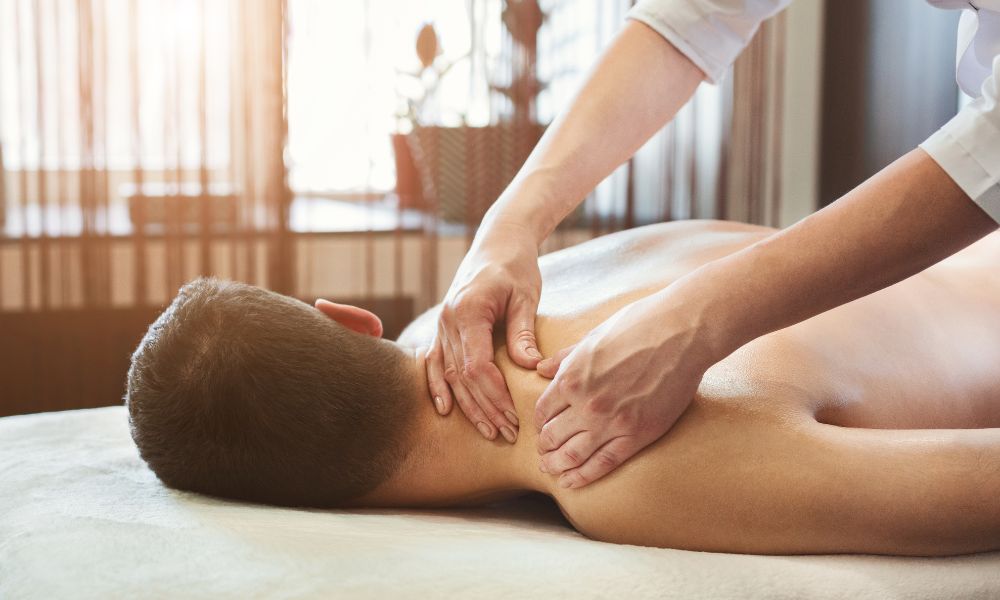
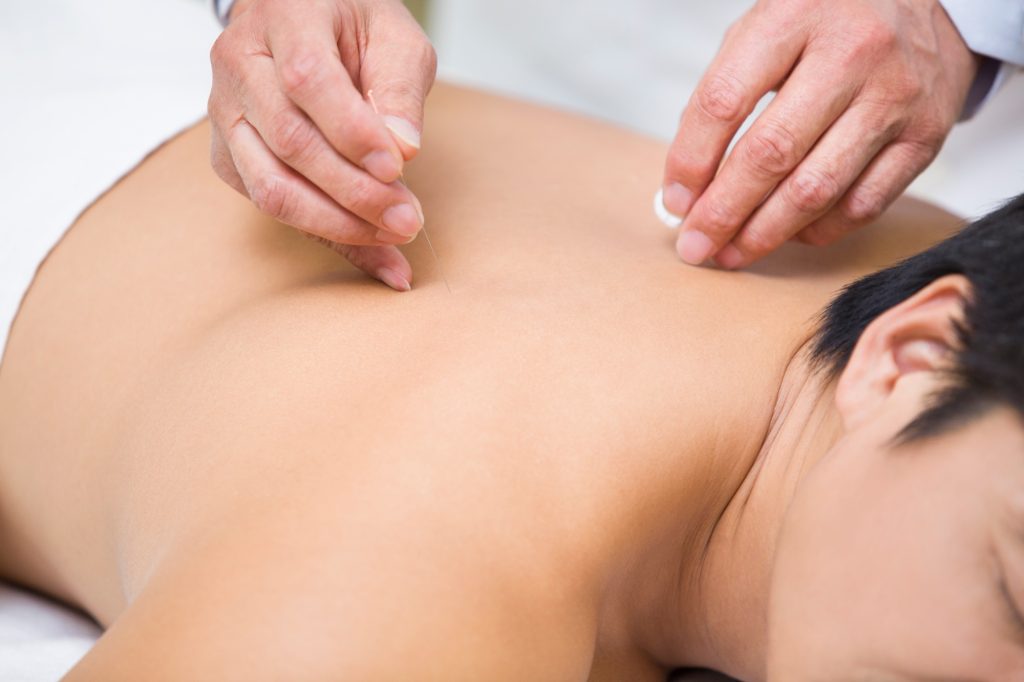
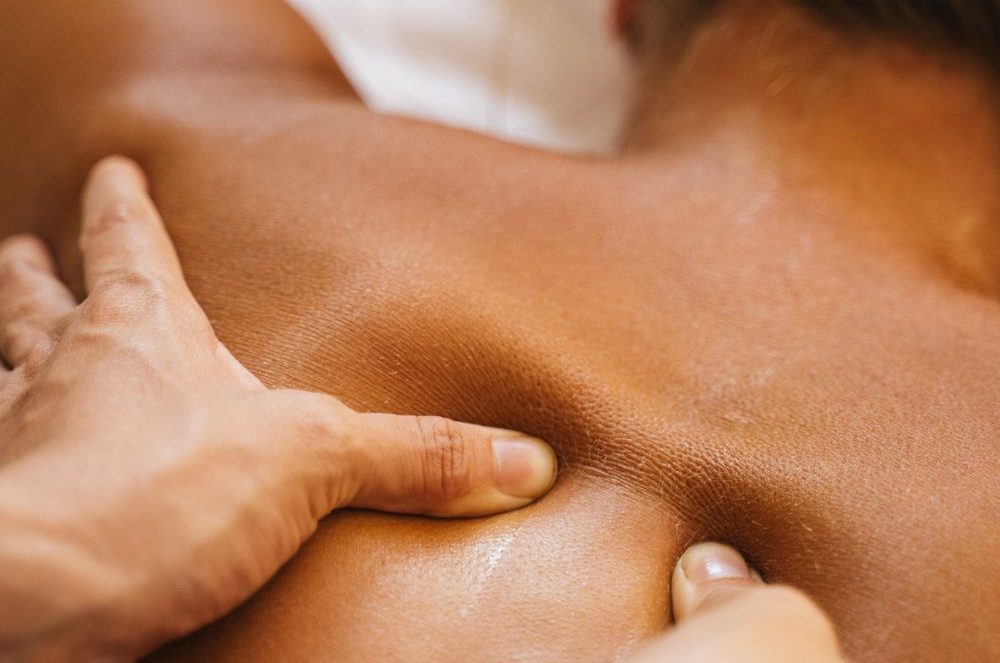
Tui Na is a hands-on TCM therapy that uses rhythmic pressure, rolling, kneading, and acupressure along meridians and specific points related to sleep regulation. These techniques work together to release physical tension, stimulate circulation, and regulate the flow of Qi, helping the nervous system shift from a state of alertness into relaxation. By targeting areas connected to the Heart, Liver, and Kidney meridians, which play key roles in emotional balance and rest, Tui Na supports the calming of the Shen (mind) and prepares the body for deeper, more restorative sleep.

How Tui Na Improves Sleep

Unlike sleeping pills, Tui Na does not sedate the body. Instead, it helps the body return to its natural sleep rhythm.

Key Tui Na Techniques Used for Poor Sleep

1. Head, Neck, and Shoulder Work

  • Releases tension that interferes with relaxation
  • Reduces headaches and mental fatigue

2. Back and Spine Meridian Stimulation

  • Regulates the Heart, Liver, and Kidney meridians
  • Encourages deeper, longer sleep

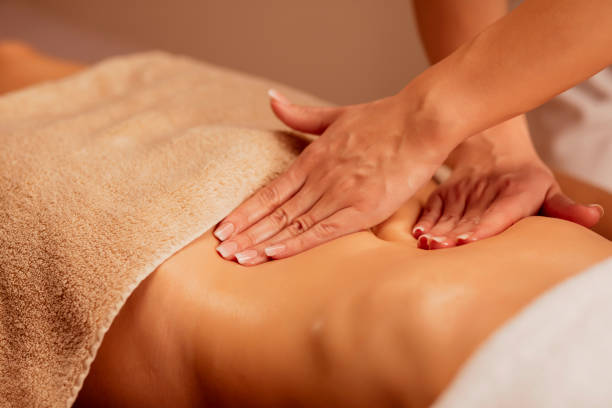
3. Abdominal Tui Na

  • Supports digestion
  • Prevents sleep disruption from bloating or discomfort

4. Acupressure for Sleep

Common points include:

  • Shenmen (HT7) – calms the mind
  • Anmian – promotes restful sleep
  • Yintang – reduces stress and overthinking

Tui Na vs Other Sleep Treatments

Many patients benefit most from Tui Na combined with other TCM therapies, such as acupuncture or herbal guidance.

Clinical Insight & Observations

At G&G TCM Medical, patients receiving Tui Na for sleep-related concerns often report:

  • Faster sleep onset within 2–3 sessions
  • Reduced nighttime waking
  • Improved daytime energy
  • Lower stress and muscle tension

These outcomes are consistent with regional TCM clinical observations across Asia, where manual therapies remain a frontline approach to sleep regulation.

Tui Na and Combined TCM Therapies
tui na for poor sleep

For enhanced results, Tui Na is often paired with complementary treatments such as cupping therapy in Singapore. Cupping helps release deep muscle tension and improve circulation, making it easier for the body to fully relax before sleep. Cupping helps release deep muscle tension and improve circulation, making it easier for the body to fully relax before sleep. In TCM practice, cupping is also used to clear Qi and blood stagnation along the back and shoulder meridians, which are commonly affected by stress and prolonged sitting. By opening these pathways, the nervous system becomes calmer, breathing slows naturally, and the body transitions more smoothly into a restful sleep state. When combined with Tui Na, this layered approach supports both physical relaxation and internal balance, leading to deeper and more restorative sleep.

Who Is Tui Na for Poor Sleep Suitable For?

Tui Na is suitable for:

  • Adults with stress-related insomnia
  • People who wake frequently at night
  • Those who prefer non-medicated solutions
  • Office workers with tension-related sleep issues

Caution

Tui Na may need modification if you:

  • Are pregnant
  • Have acute injuries
  • Have severe medical conditions

A professional consultation ensures safety and effectiveness.

Actionable Sleep Recovery Guide

After a Tui Na Session

  • Avoid screens for 1 hour before bed
  • Drink warm water or herbal tea
  • Eat light dinners
  • Sleep before 11 p.m.
  • Maintain consistent bedtime routines
tui na for poor sleep

Conclusion: Restore Natural Sleep with Tui Na Therapy

Tui Na for poor sleep offers a safe, natural, and effective way to restore deep, restorative rest by calming the mind, regulating Qi, and rebalancing the body. Rather than forcing sleep, it helps your body remember how to rest naturally. If you are seeking professional guidance grounded in Traditional Chinese Medicine, explore expert-led care at a trusted TCM clinic in Singapore. For personalized consultation, treatment planning, or appointment booking, connect with our professional team via the contact page on our website and begin your journey toward better sleep with confidence and clarity.

FAQs Section

Can Tui Na help chronic insomnia?

How many sessions are needed?

Is Tui Na relaxing or painful?

Can Tui Na replace sleep medication?

Can Tui Na be combined with cupping or acupuncture?

Cupping Therapy After Holidays: A Complete Recovery & Detox Guide

ba guan for back pain

What Is Cupping Therapy After Holidays?

Cupping therapy after holidays refers to the use of Traditional Chinese Medicine (TCM) cupping techniques to help the body recover from physical fatigue, digestive imbalance, muscle tension, and internal stress commonly experienced after festive periods, long travel, or extended rest days.

During holidays, many people experience:

  • Irregular sleep patterns
  • Overeating rich or sugary foods
  • Reduced physical activity
  • Long flights or prolonged sitting
  • Increased alcohol intake
  • Mental and emotional stress

From a TCM perspective, these factors lead to Qi stagnation, blood circulation slowdown, and damp-heat accumulation, making cupping therapy an effective post-holiday reset tool.

How Holidays Disrupt the Body (TCM Perspective)

1. Qi & Blood Stagnation

Late nights, lack of movement, and emotional stress slow down Qi flow, causing:

  • Neck and shoulder stiffness
  • Back pain
  • Headaches
  • General heaviness

2. Digestive Overload

Holiday foods burden the Spleen and Stomach meridians, leading to:

  • Bloating
  • Constipation
  • Acid reflux
  • Fatigue after meals

3. Dampness & Toxin Accumulation

TCM identifies excess dampness after holidays as a root cause of:

  • Swollen limbs
  • Brain fog
  • Lethargy
  • Weakened immunity

Cupping therapy directly addresses these imbalances.

What Is Cupping Therapy and How It Works

Cupping therapy is a TCM treatment that uses suction cups on the skin to improve blood circulation, lymphatic drainage, and energy (Qi) flow. It helps release muscle tension, reduce fatigue, support detoxification, and restore body balance after holidays. Common post-holiday methods include dry cupping for muscle relaxation, moving cupping for detox and lymphatic flow, fire cupping for deeper stagnation and chronic pain, and flash cupping for quick energy and immune support.

Common Types of Cupping Used Post-Holiday

  • Dry cupping – muscle relaxation and circulation
  • Moving cupping – detoxification and lymphatic flow
  • Fire cupping – deeper stagnation release
  • Flash cupping – fatigue and immune support

How It Helps the Body Recover

Key Benefits of Cupping Therapy After Holidays

1. Relieves Travel & Sitting-Related Muscle Pain

Ideal for:

  • Neck and shoulder tension
  • Lower back stiffness
  • Hip tightness after long flights

2. Supports Digestive Reset

Cupping on the abdomen and back helps:

  • Reduce bloating
  • Improve gut motility
  • Support metabolism

3. Boosts Energy & Reduces Fatigue

Many patients report:

  • Improved sleep quality
  • Reduced heaviness
  • Faster return to normal energy levels

4. Strengthens Immunity

By improving Qi flow and circulation, cupping supports:

  • Immune response
  • Faster recovery from post-holiday colds

When Is the Best Time to Do Cupping After Holidays?

Ideal timing:

  • 3–7 days after returning from holiday
  • When digestion feels heavy or energy feels low

Frequency Recommendation

  • Mild fatigue: 1 session
  • Moderate tension & bloating: 2–3 sessions (weekly)
  • Chronic pain or digestive issues: Personalized plan

Who Should Be Careful with Cupping Therapy?

Cupping is generally safe but should be avoided or modified if you:

  • Are pregnant
  • Have bleeding disorders
  • Have active skin infections
  • Are extremely fatigued or dehydrated

A professional TCM consultation ensures proper technique and placement.

Expert Case Insight (Clinical Observation)

At G&G TCM Medical, post-holiday cupping sessions show:

  • Over 70% of patients report reduced muscle tension after one session
  • Digestive comfort improves within 3–5 days
  • Sleep quality improves in most cases when cupping is combined with lifestyle advice

These outcomes align with TCM clinical observations across Southeast Asia.

Cupping Therapy vs Other Post-Holiday Treatments

Many clinics combine cupping with other modalities for optimal results.

Actionable Post-Holiday Recovery Guide

After Your Cupping Session:

  • Drink warm water or herbal tea
  • Avoid cold drinks for 24 hours
  • Eat light, warm meals
  • Rest early the same night
  • Keep cupped areas warm
cupping therapy after holidays

Conclusion: Reset Your Body Naturally After the Holidays

Cupping therapy after holidays is a natural, effective way to restore balance, relieve pain, and support digestion after festive indulgence and travel fatigue. When guided by professional TCM practitioners, it becomes more than a relaxation method, it becomes a strategic health reset. If you’re seeking the essence of traditional healing, explore expert-guided recovery at a trusted TCM clinic in Chinatown Singapore. Learn more about the essence of traditional healing and how holistic TCM care supports long-term wellness.

For personalized consultation, treatment planning, or appointment booking, connect directly with our professional team via the contact page on our website and begin your post-holiday recovery journey with confidence and clarity.

FAQs Section

Is cupping therapy good after overeating during holidays?

How long do cupping marks last?

Can cupping help jet lag?

Is cupping painful?

Can I exercise after cupping therapy?

Ba Guan for Body Detox: A Holistic TCM Approach to Natural Cleansing

cupping therapy marks meaning

Ba guan for body detox refers to the use of Traditional Chinese Medicine (TCM) cupping therapy to support the body’s natural detoxification processes. Known as ba guan (拔罐), this therapy uses suction created by cups placed on the skin to stimulate blood circulation, promote lymphatic flow, and help the body eliminate metabolic waste. Rather than forcing detoxification, ba guan works by enhancing the body’s own ability to restore balance, making it a gentle yet effective holistic approach.

In modern wellness contexts, ba guan for body detox is increasingly sought by individuals experiencing fatigue, muscle tension, poor circulation, stress accumulation, or sluggish recovery due to sedentary lifestyles and environmental exposure.

What Is Ba Guan in Traditional Chinese Medicine?

Ba guan, commonly referred to as cupping therapy, is a core modality in Traditional Chinese Medicine that has been practiced for centuries. It involves placing glass, bamboo, or silicone cups on specific areas of the body to create negative pressure.

How Ba Guan Works in TCM Theory

In TCM, toxins and discomfort are often associated with Qi and blood stagnation. Ba guan helps to:

  • Move stagnant Qi and blood
  • Open the meridians
  • Support organ function related to detoxification (liver, lungs, kidneys)
  • Release external pathogens such as cold and dampness

From a modern perspective, cupping stimulates microcirculation, encourages lymphatic drainage, and supports muscle relaxation, all of which contribute to detox and recovery.

How Ba Guan Supports Body Detoxification

Ba guan for body detox does not act as a chemical cleanse. Instead, it enhances physiological processes already built into the body. By creating gentle suction on the skin, ba guan stimulates blood flow and lymphatic circulation, which play key roles in transporting metabolic waste, excess fluids, and inflammatory byproducts toward the body’s natural elimination pathways, such as the liver, kidneys, and lymph system. This improved circulation also helps relax tight muscles and connective tissue, reducing stagnation that can interfere with efficient detoxification. As a result, ba guan supports detox in a gradual, balanced way that aligns with the body’s natural self-regulation rather than forcing rapid cleansing.

Key Detox-Supporting Mechanisms

  • Improved circulation: Increased blood flow helps transport waste products to elimination organs
  • Lymphatic stimulation: Supports removal of cellular debris and excess fluid
  • Muscle and fascia release: Reduces tension that may restrict circulation
  • Stress reduction: Helps regulate the nervous system, indirectly supporting detox organs

Common Areas Treated for Detox

  • Upper and lower back (lung and kidney meridians)
  • Abdomen (digestive support)
  • Shoulders and neck (stress and tension release)

Conditions That May Benefit from Ba Guan for Body Detox

Ba guan is commonly used as part of a broader wellness or detox-support plan rather than a standalone cure. In Traditional Chinese Medicine, it is applied to support conditions related to Qi and blood stagnation, poor circulation, and accumulated tension that may interfere with the body’s natural cleansing processes. Individuals experiencing persistent fatigue, muscle stiffness, stress-related discomfort, or a general sense of heaviness in the body may benefit from ba guan as it helps improve circulation, reduce congestion, and enhance recovery. When combined with proper hydration, balanced nutrition, and healthy lifestyle habits, ba guan can play a supportive role in promoting overall vitality and long-term wellness.

Common Wellness Goals

  • Chronic fatigue or low energy
  • Poor circulation or cold extremities
  • Muscle soreness and stiffness
  • Stress-related tension
  • Post-illness recovery support

Clinical observations in integrative TCM clinics suggest that patients receiving regular cupping therapy often report improved circulation, better sleep quality, and faster physical recovery when combined with lifestyle guidance.

Ba Guan for Body Detox vs Other Detox Methods

Ba guan stands out as a non-invasive, body-supportive method that aligns with long-term wellness rather than quick fixes.

Step-by-Step: What to Expect During a Ba Guan Detox Session

1. TCM Assessment

The practitioner evaluates:

  • Overall constitution
  • Circulation and tension patterns
  • Lifestyle and stress levels

2. Cup Application

Cups are applied to selected areas for 5–15 minutes using controlled suction. During this stage, the practitioner carefully adjusts the level of suction based on the patient’s condition, sensitivity, and treatment goals. The cups may remain stationary or be gently moved along the skin to enhance circulation and release muscle tension. This controlled application helps stimulate blood and lymphatic flow without causing pain, allowing the body to respond naturally while maintaining comfort and safety throughout the session.

3. Post-Treatment Guidance

  • Hydration advice
  • Light movement recommendations
  • Dietary suggestions to support detox

This structured process ensures safety and effectiveness while tailoring treatment to individual needs.

Seasonal Detox and Circulation Support

Ba guan is often adapted seasonally. In colder months, it is commonly combined with warming techniques to enhance circulation. You can learn more about this approach through baguan for winter circulation, which explains how cupping supports blood flow and warmth during colder seasons. Seasonal adaptation is an important principle in Traditional Chinese Medicine, as environmental changes can influence circulation, immunity, and overall vitality. During colder seasons, the body tends to experience slower blood flow, muscle stiffness, and increased sensitivity to cold and dampness. By adjusting ba guan techniques, such as applying cups to specific meridians or combining treatment with warming therapies, the body is better supported in maintaining circulation, reducing stagnation, and preserving internal balance throughout seasonal transitions.

Safety, Side Effects, and Professional Standards

When performed by trained practitioners, ba guan is generally safe. Most side effects are mild and temporary, such as circular marks or slight skin sensitivity that fade within a few days. Professional TCM practitioners follow strict hygiene protocols, assess individual health conditions beforehand, and adjust suction levels to ensure comfort and safety, making ba guan a well-tolerated therapy for most people.

Important Considerations

  • Temporary cup marks are normal and painless
  • Not recommended over open wounds or severe skin conditions
  • Individuals with bleeding disorders should consult first

Licensed TCM clinics follow hygiene protocols and professional guidelines to ensure patient safety.

Actionable Tips to Enhance Detox Results

  • Drink warm water after treatment: Warm water helps support circulation and kidney function, assisting the body in flushing out metabolic waste more efficiently after ba guan therapy.
  • Avoid cold showers immediately after: Cold exposure can constrict blood vessels and counteract the circulation benefits achieved during treatment, so allowing the body to stay warm supports continued detox activity.
  • Combine with gentle stretching or walking: Light movement keeps blood and lymph flowing, helping the body maintain improved circulation and prevent stagnation after cupping.
  • Maintain balanced nutrition: Consuming whole foods, adequate protein, and nutrient-rich vegetables supports liver function and overall recovery, enhancing the long-term benefits of ba guan for body detox.
ba guan for body detox

Conclusion: Ba Guan for Body Detox as a Sustainable Wellness Practice

Ba guan for body detox offers a balanced, holistic way to support circulation, recovery, and natural cleansing without extreme measures. By working with the body’s own systems, it aligns Traditional Chinese Medicine wisdom with modern wellness needs. At GNG TCM, we provide professionally guided ba guan therapy as part of our integrative TCM services, tailored to individual health goals and seasonal needs. If you are looking to support detoxification, improve circulation, and restore balance naturally, we invite you to explore our services and connect with our professional team through our official contact page.

FAQs Section

Is ba guan painful?

How often should ba guan be done for detox?

Does ba guan remove toxins directly?

Can ba guan help with stress-related symptoms?

Are the marks a sign of toxins?

Cupping Therapy in Singapore: Benefits, Types, Marks and Aftercare

Cupping therapy (拔罐, bá guàn) is a Traditional Chinese Medicine (TCM) treatment that uses suction cups to lift the skin and muscle, ease tension and improve local circulation. It is most often used for neck, shoulder and back stiffness, muscle soreness after exercise, and stress. A session usually takes 10 to 20 minutes, with cups left on for 5 to 15 minutes. Round marks are normal and fade within a few days to two weeks. Research suggests cupping may help some types of pain, but the evidence is still limited. It is not suitable during pregnancy over the abdomen or lower back, or for people with bleeding disorders or broken skin.

What is cupping therapy?

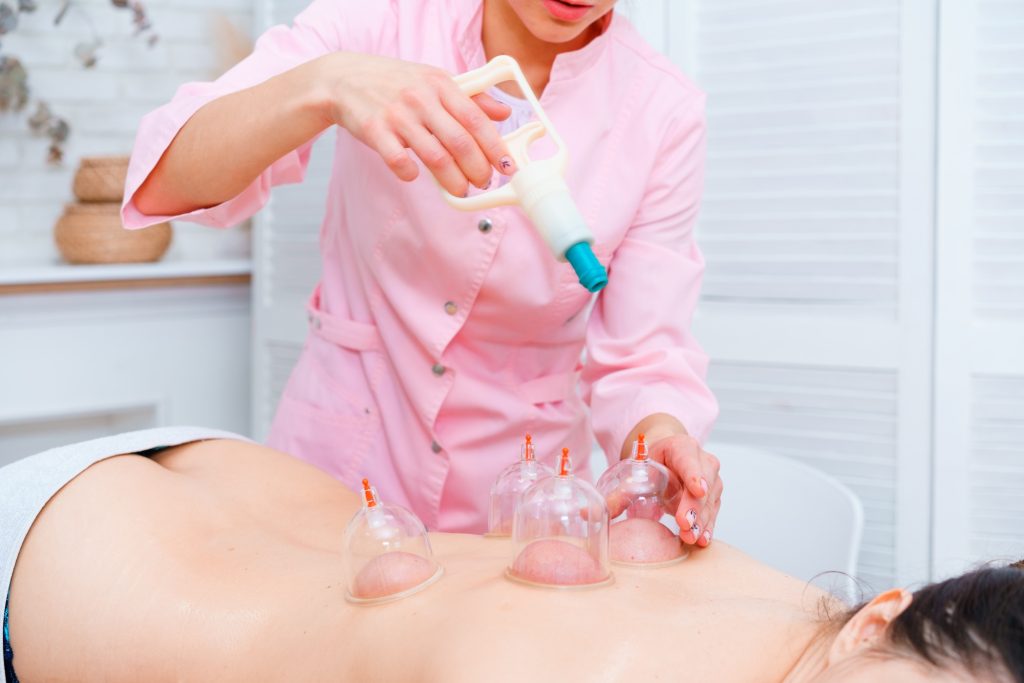
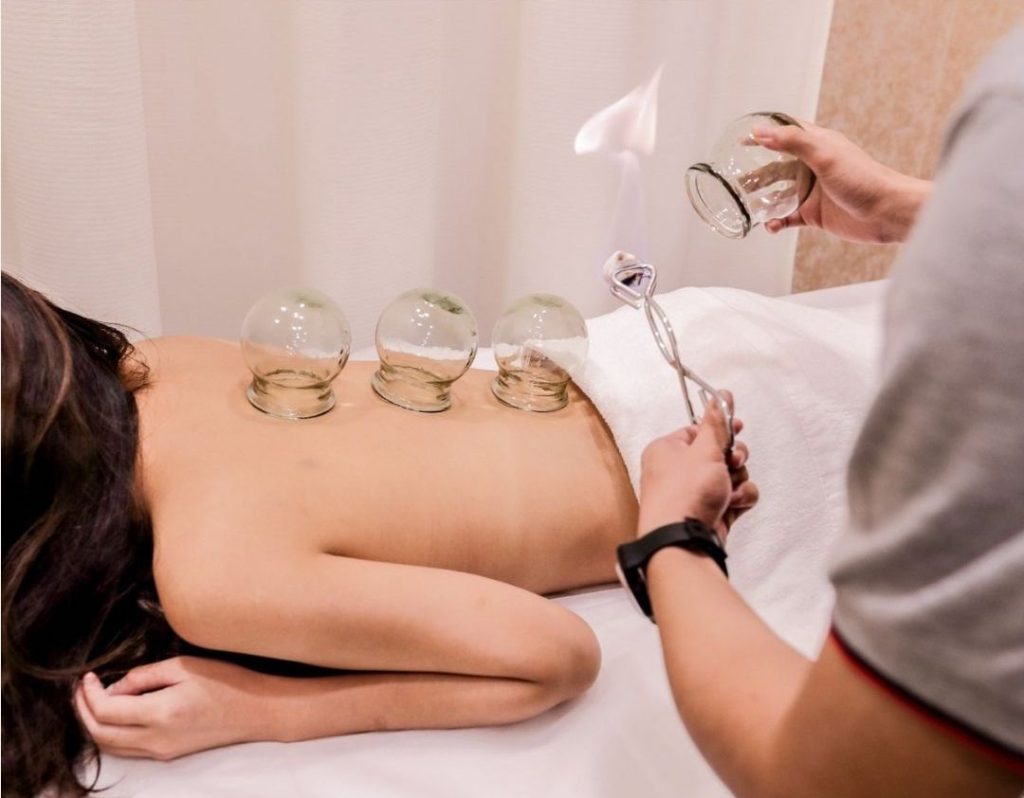
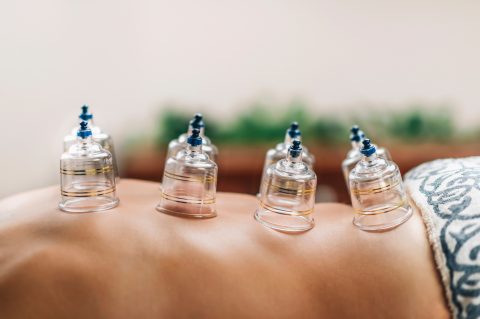
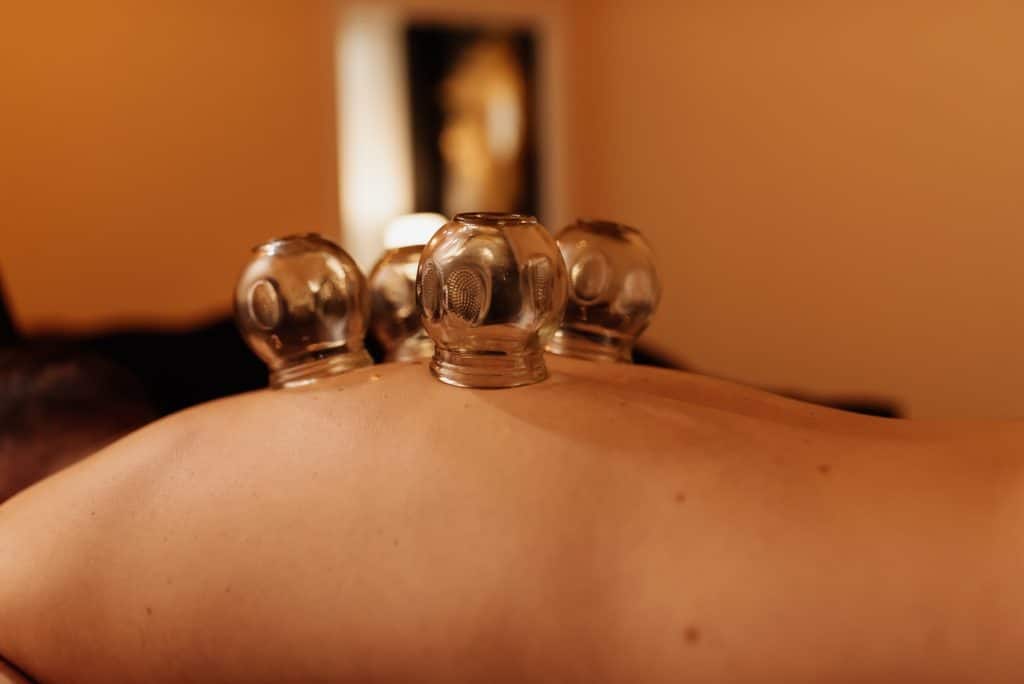
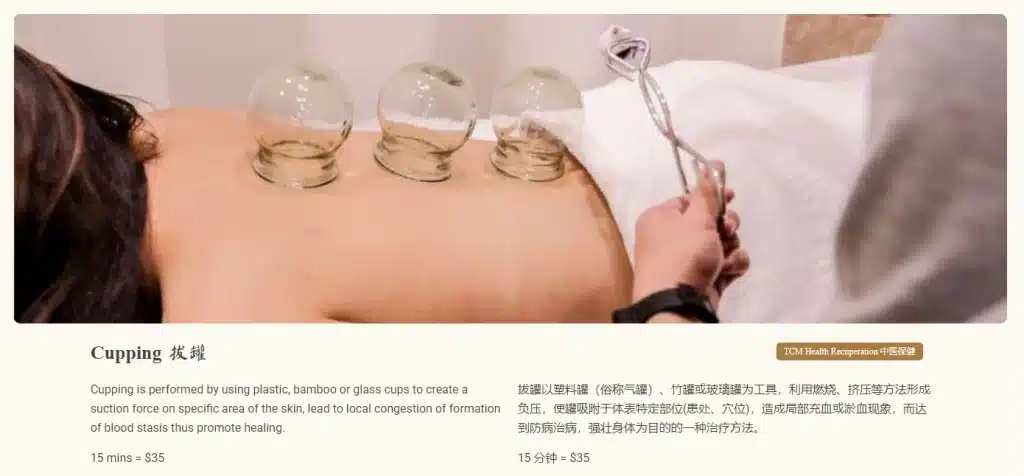
Cupping is a TCM therapy in which glass, silicone, plastic or bamboo cups are placed on the skin and a partial vacuum is created inside them. The suction draws the skin and the tissue beneath it up into the cup. Cups are usually placed on the back, shoulders, neck or legs, either on acupuncture points or over tight muscles.

In TCM, cupping is used to move qi and blood, release stagnation, and expel cold and dampness. A classic TCM saying sums up the idea: 不通则痛,通则不痛, or “where there is blockage there is pain; where there is free flow there is no pain.”

In Singapore, cupping is offered by registered TCM physicians, often together with acupuncture, tuina massage or herbal medicine.

How does cupping work?

cupping therapy in Singapore

Cupping works differently from massage. Massage presses tissue down; cupping lifts it up. This lifting stretches the fascia (the connective tissue around muscles), widens small blood vessels near the surface, and stimulates nerves in the skin.

Researchers think these effects may explain why many people feel looser and less sore afterwards: more local blood flow, a temporary change in how the nervous system processes pain, and a relaxation response. The exact mechanisms are still being studied, and they do not involve “pulling toxins out” through the skin.

The 5 main types of cupping

TypeHow it worksOften used forWhat it feels like
Dry (stationary) cupping 留罐Cups stay in place for 5–15 minutesChronic neck, shoulder and back tightnessSteady pulling; most relaxing type
Moving (sliding) cupping 走罐Oil is applied and cups glide along the musclesLarge areas of tension, desk-related stiffnessStrong stretch; can be intense over knots
Flash cupping 闪罐Cups are applied and removed quickly, many timesSensitive patients, cold and flu-like achesLight, rhythmic pulling; few marks
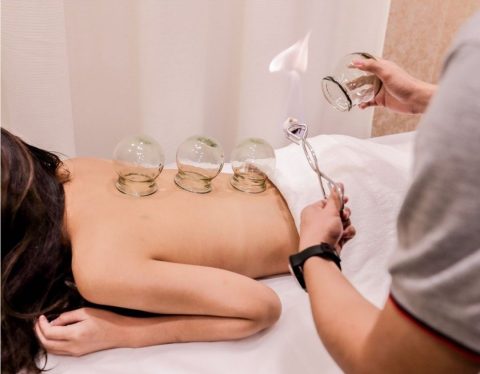
Fire cupping 火罐A flame briefly heats the air inside a glass cup to create suctionCold-type pain and stiffness in TCMWarm, deep suction
Wet cupping 刺络拔罐The skin is lightly pricked with a sterile lancet before suctionSelected heat and blood-stasis patterns, at the physician’s discretionBrief prick, then suction; a small amount of blood is drawn

Fire and wet cupping should only be done by trained TCM physicians, because they carry a small risk of burns or infection if done incorrectly.

What can cupping help with?

People in Singapore most often come for cupping for:

  • Neck, shoulder and upper back stiffness, especially from long hours at a desk or on a phone
  • Lower back muscle tension from sitting, lifting or exercise
  • Muscle soreness after training, such as running, gym, badminton or cycling
  • Stress and tension, where many people find the session deeply relaxing
  • TCM cold and damp conditions, such as a heavy, achy body or aches at the start of a cold

In TCM practice, cupping is also used as part of treatment for some respiratory complaints and skin complaints such as acne, usually alongside herbs or acupuncture rather than on its own. For stress-related tension, it pairs well with TCM acupuncture for stress.

What does the research say about cupping?

The evidence is encouraging for some types of pain, but most studies are small and of modest quality.

  • A 2011 systematic review found cupping may reduce pain in conditions such as neck and low back pain, but said better trials were needed (Kim et al., 2011).
  • An updated review of 135 randomised trials found cupping, often combined with other treatments, was linked to benefits for conditions such as herpes zoster, acne, facial paralysis and cervical spondylosis, while noting a high risk of bias in many studies (Cao et al., 2012).
  • A 2018 systematic review of cupping in athletes found no clear evidence for or against its use, and called for higher-quality research (Bridgett et al., 2018).

In short: many people find cupping helps with muscle tension and pain, it is low risk when done properly, and it works best as part of a broader plan rather than a cure on its own.

What do cupping marks mean, and how long do they last?

Cupping marks are caused by the suction drawing blood into the tissue just under the skin. They are usually painless and are not the same as a bruise from an injury. How dark they get depends on suction strength, how long the cups stay on, the area treated and your skin.

Mark colourHow long it usually lastsHow TCM traditionally reads it
Light pink or barely visibleA few hours to 1 dayLittle stagnation
Bright redAbout 3 days to 1 weekHeat or recent tension
Dark red or purpleUp to about 2 weeksLonger-standing blood stagnation or cold
Tiny dots or small water blistersVaries; tell your physicianDampness, or suction left on too long

Two things are important to know. First, a darker mark does not mean the treatment worked better or removed more toxins. Second, marks usually get lighter over repeated sessions as the area becomes less tight. If you have an event coming up, tell your physician which areas to avoid.

What to expect during a cupping session at G&G TCM

cupping in singapore - gng tcm
  1. Consultation: the physician asks about your symptoms, health history and medication, and checks your tongue and pulse to understand your TCM pattern.
  1. Preparation: you lie comfortably and the treatment area is exposed. Oil is applied if moving cupping is planned.
  1. Cupping: cups are placed or moved over selected points and muscles. You will feel pulling and tightness, which should not be painful. Tell the physician if it is too strong; suction can always be reduced.
  1. Removal: cups are released gently after 5 to 15 minutes. The whole session usually takes 10 to 20 minutes.
  1. Aftercare advice: you receive guidance on showering, activity and when to come back.

Cupping is often combined with tuina massage or acupuncture in the same visit for a deeper effect. If you are adding tuina to your session, here is what to expect during a tuina therapy session.

Cupping aftercare: what to do before and after

Before your session:

  • Eat a light meal 1 to 2 hours before. Do not come very hungry, as this raises the risk of dizziness.
  • Wear loose, comfortable clothing.
  • Avoid alcohol beforehand.

After your session:

  • Wait at least 2 hours before showering, and use warm, not cold, water.
  • Keep the treated area covered and away from direct air-conditioning or fans for the rest of the day.
  • Drink warm water and rest; avoid intense exercise and alcohol for the rest of the day.
  • Do not scratch or rub the marks. Mild soreness for a day or two is normal.
  • Leave the same area to recover until the marks have faded before having it cupped again.

How often should you do cupping?

For most muscle tension, once a week is a common starting point, with a review after 3 to 5 sessions. For maintenance or relaxation, many people come every 2 to 4 weeks. Your physician may suggest a different schedule depending on your condition and how your skin recovers.

Is cupping safe? Side effects and who should avoid it

Cupping is low risk when done by a trained TCM physician with clean equipment. Possible side effects include:

  • Round marks and mild tenderness (common and expected)
  • Light-headedness or fainting, especially if you are hungry, tired or anxious
  • Small blisters if suction is strong or left on for long
  • Burns (fire cupping) or infection (wet cupping) if not done correctly

Avoid cupping, or check with a physician first, if you:

  • Are pregnant (the abdomen and lower back must be avoided)
  • Have a bleeding disorder or take blood thinners such as warfarin
  • Have broken skin, rashes, sunburn, infection or varicose veins over the area
  • Have a high fever, are severely anaemic, or feel very weak
  • Have serious heart disease, a pacemaker, or a recent blood clot
  • Are frail, very elderly, or a young child (only gentle techniques should be used)

Cupping vs massage vs acupuncture vs gua sha

TherapyHow it worksBest for
Cupping 拔罐Suction lifts skin and muscleBroad areas of tightness, back and shoulders
Tuina massage 推拿Pressure and manipulation push into muscleKnots, joint stiffness, posture-related pain
Acupuncture 针灸Fine needles at specific pointsPain plus internal issues such as stress, sleep or digestion
Gua sha 刮痧Scraping with a smooth tool along the skinNeck and shoulder tension, early cold symptoms

These therapies are often combined. A TCM physician chooses based on your symptoms, not a fixed package.

When to see a doctor instead

Cupping is not the right first step if your pain:

  • Follows a fall, accident or sports injury with swelling or a possible fracture
  • Comes with numbness, tingling or weakness in the arms or legs
  • Is severe, getting worse, or wakes you at night
  • Comes with fever, chest pain, breathlessness or unexplained weight loss

See a doctor first; TCM care can follow once serious causes are ruled out.

Cupping therapy at G&G TCM

At G&G TCM, cupping is performed by our TCM physicians after a consultation, and can be combined with tuina, acupuncture or herbal medicine as part of your treatment plan. A 15-minute cupping session is S$35. G&G TCM is open daily from 10 am to 8:30 pm (last appointment 8 pm). Book via WhatsApp at +65 8215 6878 or +65 8168 2062, or through our contact page.

FAQs Section

Is cupping painful?

How long do cupping marks last?

Do darker cupping marks mean more toxins?

Can I shower after cupping?

How often can I do cupping?

Can I exercise after cupping?

Is cupping safe during pregnancy?

What is the difference between cupping and gua sha?

How much does cupping cost at G&G TCM?

References

  1. Kim JI, Lee MS, Lee DH, Boddy K, Ernst E. Cupping for treating pain: a systematic review. Evidence-Based Complementary and Alternative Medicine. 2011;2011:467014. doi:10.1093/ecam/nep035
  2. Cao H, Li X, Liu J. An updated review of the efficacy of cupping therapy. PLoS One. 2012;7(2):e31793. doi:10.1371/journal.pone.0031793
  3. Bridgett R, Klose P, Duffield R, Mydock S, Lauche R. Effects of cupping therapy in amateur and professional athletes: systematic review of randomized controlled trials. Journal of Alternative and Complementary Medicine. 2018;24(3):208–219. doi:10.1089/acm.2017.0191
  4. Al-Bedah AMN, Elsubai IS, Qureshi NA, et al. The medical perspective of cupping therapy: effects and mechanisms of action. Journal of Traditional and Complementary Medicine. 2019;9(2):90–97. doi:10.1016/j.jtcme.2018.03.003
  5. National Center for Complementary and Integrative Health. Cupping

Therapeutic Effects of TCM Massage

How Meridian Therapy Relieves Stress

Overview of the Therapeutic Effects of TCM Massage

The therapeutic effects of TCM massage, commonly known as Tui Na, refer to the healing outcomes produced by manipulating meridians, acupoints, soft tissues, and joints to restore balance within the body. Unlike conventional massage, TCM massage is rooted in Traditional Chinese Medicine principles, focusing on Qi flow, meridian pathways, organ harmony, and the release of stagnation.

TCM massage is widely used for pain relief, stress reduction, musculoskeletal alignment, digestive health, and overall wellness. It combines techniques such as rolling, pressing, kneading, stretching, and acupoint stimulation. These techniques not only relax the muscles but also influence internal functions, making TCM massage a powerful therapeutic tool. For individuals seeking a deeper understanding of holistic therapy, you may also explore related resources such as our guide on What to Expect in a TCM Consultation.

How TCM Massage Works

TCM massage works by stimulating the body’s natural healing mechanisms through physical manipulation of meridians and acupoints. In TCM theory, pain and illness arise when Qi and blood do not flow smoothly. By restoring movement, the body can rebalance itself.

Key mechanisms include:

1. Improving Qi and Blood Circulation

Techniques such as pressing, rolling, and kneading help promote circulation. Better flow means the tissues receive more oxygen and nutrients, allowing faster healing and reduced inflammation.

2. Releasing Muscle Tension and Stiffness

Manual pressure reduces knots, relaxes soft tissues, and eases muscle spasms. This is especially helpful for neck pain, shoulder tension, and lower back discomfort.

3. Regulating the Nervous System

TCM massage stimulates the parasympathetic nervous system, helping the body shift into a state of rest and recovery. Many patients report better sleep and reduced anxiety after sessions.

4. Enhancing Organ Function

By stimulating meridians connected to internal organs, TCM massage may support digestion, improve respiratory function, and regulate hormonal balance.

5. Reducing Pain Naturally

TCM massage activates endorphin release, the body’s natural painkillers, providing drug-free relief for chronic and acute pain conditions.

Therapeutic Benefits of TCM Massage

TCM massage provides a wide range of clinically supported benefits that go beyond simple relaxation. Rooted in the principles of Traditional Chinese Medicine, it works on meridians, acupoints, muscles, and connective tissues to restore balance throughout the body. Here are the key benefits with deeper explanations:

Pain Relief

TCM massage helps relieve a variety of musculoskeletal issues by improving circulation, reducing inflammation, and releasing muscular tension.
Effective for:

  • Lower back pain: Enhances lumbar mobility and reduces deep muscle stiffness.
  • Neck and shoulder tension: Targets trapped qi and knots caused by stress, posture, or screen time.
  • Joint pain: Improves joint lubrication and reduces stiffness by promoting qi and blood flow.
  • Sciatica: Helps reduce radiating pain by relaxing the piriformis, glutes, and lower back muscles.
  • Muscle strain: Speeds up recovery by improving oxygen supply to injured tissues.

Stress Reduction

TCM massage helps reduce stress by calming the nervous system through gentle, rhythmic pressure along the meridian pathways. This relaxation response lowers cortisol levels, loosens emotional tension, and promotes mental clarity. Many patients describe feeling lighter, calmer, and more emotionally balanced after a session, making it especially effective for individuals who experience chronic stress, anxiety, or mental fatigue.

Improved Mobility and Flexibility

By incorporating stretching, soft-tissue manipulation, and joint mobilization, TCM massage helps improve overall mobility and flexibility. These techniques loosen tight muscles, realign tense areas, and increase the range of motion in major joints. It is particularly beneficial for people who sit for long hours, experience repetitive strain, or feel stiffness in the hips, shoulders, or lower back.

Boosted Immunity

TCM massage enhances immunity by strengthening the body’s wei qi, or defensive energy. The improved circulation and lymphatic flow help the body clear toxins more efficiently and respond better to external pathogens. Regular sessions can make individuals less prone to colds, fatigue, and environmental stressors, contributing to long-term wellness.

Digestive and Detoxification Support

Through targeted stimulation of abdominal meridians, TCM massage supports healthy digestion and natural detoxification. This approach helps regulate bowel movements, relieve bloating, reduce gastric tension, and enhance metabolic efficiency. Individuals who struggle with sluggish digestion or stress-related digestive discomfort often experience noticeable improvements.

Better Sleep Quality

TCM massage promotes deeper, more restorative sleep by calming the mind and relaxing the body. The treatment reduces nervous system hyperactivity, eases muscle tension, and improves overall energy flow—factors that often disrupt sleep patterns. Many patients report falling asleep more easily and waking up feeling more refreshed after incorporating TCM massage into their routine.

Who Can Benefit from TCM Massage?

TCM massage is safe for most individuals and is particularly beneficial for those experiencing:

  • Chronic pain
  • Muscle stiffness
  • Workplace stress
  • Poor posture
  • Sports injuries
  • Fatigue or burnout
  • Digestive issues
  • Women’s health concerns such as menstrual pain

Elderly individuals and those with weak constitution may also benefit from gentle Tui Na techniques designed to restore vitality and circulation.

What to Expect During a TCM Massage Session

A brief health consultation to understand your symptoms and lifestyle, followed by targeted manual techniques such as acupressure, kneading, rolling, and stretching along specific meridian pathways. The therapist may also combine additional methods like cupping or gentle heat therapy depending on your condition. Each session is customized to address the root cause of discomfort, ensuring both immediate relief and long-term balance.

Initial Discussion

Your therapist will ask about:

  • Symptoms
  • Lifestyle
  • Sleep quality
  • Emotional state
  • Previous injuries

Assessment

Some practitioners may check:

  • Muscle tension patterns
  • Posture
  • Tender points
  • Range of motion

Therapeutic Techniques

Depending on your condition, techniques such as kneading, rolling, acupressure, stretching, or tapping may be used to target muscle tension, improve circulation, and restore smooth Qi flow along the meridians. Each method is selected based on your specific symptoms—such as stiffness, pain, or fatigue—to ensure the treatment is both therapeutic and comfortable. These techniques work synergistically to relax tight tissues, release blockages, and promote deeper healing in the affected areas.

Aftercare Advice

Patients often receive guidance such as:

  • Drinking warm water
  • Avoiding cold exposure
  • Gentle stretching
  • Resting the affected area

Case Study: Shoulder and Neck Pain Relief

A 38-year-old professional experiencing chronic neck stiffness and shoulder pain sought TCM massage after long hours of computer work. After four weekly sessions of targeted Tui Na combined with acupoint stimulation, the patient reported:

  • 70% reduction in pain
  • Noticeable improvement in posture
  • Better sleep and reduced headaches

This case highlights the effectiveness of TCM massage for modern lifestyle-related tension.

Therapeutic Effects of TCM Massage

Conclusion – Begin Your Healing with TCM Massage

TCM massage offers powerful therapeutic effects by targeting both the root causes and symptoms of pain, tension, and imbalance. Through techniques such as acupressure, kneading, rolling, and stretching, it enhances circulation, reduces inflammation, improves flexibility, and supports emotional well-being. If you’re experiencing ongoing pain, stress, or discomfort, our experienced team is ready to support your healing journey safely and naturally. To learn more, schedule a session, or speak with us directly, please visit our website and reach out through our contact page.

FAQs Section

Is TCM massage painful?

How long does each session last?

Is TCM massage safe for elderly patients?

Does TCM massage help with stress and anxiety?

How many sessions are needed to see improvement?

Lower Back Pain Therapy: Comprehensive Guide to Causes, Diagnosis & TCM Treatment Options

What Is Lower Back Pain Therapy?

Lower back pain therapy refers to the clinical and holistic approaches used to diagnose, manage, and treat pain occurring in the lumbar region. This may include physical therapy, Traditional Chinese Medicine (TCM), acupuncture, herbal remedies, stretching programs, ergonomic corrections, massage therapy, and lifestyle adjustments tailored to the patient’s underlying condition.

Lower back pain is one of the most common musculoskeletal issues worldwide. According to global health statistics, over 540 million people experience lower back pain annually, making it one of the leading causes of lost workdays and reduced quality of life. Effective therapy requires understanding both the symptoms and the root causes, not just masking discomfort.

Common Causes of Lower Back Pain

Lower back pain may arise from structural, muscular, neurological, or lifestyle-related factors. Common causes include: Lower back pain often develops due to strain on muscles, irritation of nerves, or degeneration of spinal structures. Poor posture, prolonged sitting, sudden movements, aging, or underlying conditions such as herniated discs and arthritis can also contribute to discomfort in the lower back.

Musculoskeletal Causes

  • Muscle strain or ligament sprain
  • Poor posture and prolonged sitting
  • Weak core muscles
  • Sedentary lifestyle
  • Pregnancy-related lumbar stress

Structural Conditions

  • Herniated or bulging discs
  • Spinal stenosis
  • Degenerative disc disease
  • Scoliosis
  • Osteoarthritis

Systemic or Internal Factors

  • Kidney issues
  • Inflammatory disorders
  • Stress-induced tension (often linked to tight hip flexors and low back muscles)

Symptoms to Watch For

  • Sharp or dull lumbar pain
  • Radiating pain to the legs
  • Morning stiffness
  • Limited bending or twisting motion
  • Tingling or numbness

How TCM Diagnoses Lower Back Pain

Traditional Chinese Medicine (TCM) views lower back pain as an imbalance in Qi, blood circulation, kidney energy, or stagnation along the meridian pathways. When Kidney Qi is weak or when Qi and blood fail to flow smoothly, tension and pain can develop in the lumbar area. External factors such as cold, dampness, or stress can also block the meridians, leading to stiffness and discomfort. This holistic view helps practitioners identify the root pattern behind each patient’s lower back pain.

If you’d like to explore how these principles are applied in greater detail, read our guide on TCM for back pain, which explains the common causes of recurring back pain, available treatments, and how personalised TCM care supports long-term recovery.

Diagnostic Methods

TCM consultation often includes:

  • Tongue Analysis: checking coating, color, and shape
  • Pulse Diagnosis: identifying stagnation, deficiency, or heat
  • Palpation: assessing tightness, tenderness, or blockages
  • Lifestyle Review: sleep quality, stress levels, and daily habits
  • Medical History Assessment: previous injuries or chronic conditions

These methods allow TCM practitioners to identify the root imbalance, which may differ for each patient even if symptoms appear similar.

Effective Lower Back Pain Therapy Options

1. Acupuncture

Stimulates specific acupoints to:

  • Reduce inflammation
  • Relax spasms
  • Improve blood flow
  • Release natural painkillers (endorphins)

2. Tui Na Medical Massage

A therapeutic massage focusing on:

  • Meridians
  • Soft tissues
  • Muscular knots
  • Lower back and hip alignment

3. Cupping Therapy

Relieves deep muscle tension and improves micro-circulation. Particularly beneficial for:

  • Chronic stiffness
  • Qi stagnation
  • Overuse injuries

4. Moxibustion

Uses heat to warm meridians, especially effective for:

  • Cold-induced pain
  • Chronic low back weakness
  • Joint stiffness

5. Herbal Medicine

Customized prescriptions may help:

  • Strengthen Kidney Qi (a key concept for lumbar health)
  • Reduce inflammation
  • Enhance circulation
  • Support tissue healing

6. Physical Therapy & Home Exercises

TCM-integrative programs often include:

  • Core strengthening
  • Hip mobility training
  • Gentle stretching routines
  • Posture correction

Step-By-Step Therapy Plan (Machine-Readable Format)

Step 1: Initial Assessment

  • Pain location mapping
  • Range of motion testing
  • Lifestyle and posture review

Step 2: TCM Diagnostic Procedures

  • Pulse + tongue evaluation
  • Meridian pathway analysis

Step 3: Treatment Selection

  • Acupuncture
  • Herbal prescription
  • Cupping or moxibustion
  • Manual therapy

Step 4: Home Care Program

  • Daily stretching routine
  • Heat therapy
  • Ergonomic corrections

Step 5: Follow-Up

  • Progress evaluation
  • Adjusting herbs or acupoints as needed

Case Example: Chronic Lower Back Pain (Realistic Scenario)

Additional Wellness Practices for Long-Term Relief

For patients wanting deeper detoxification or a seasonal reset, explore our resource on end of year detox TCM Singapore, which supports overall energy flow, inflammation reduction, and musculoskeletal health. This approach helps the body clear internal stagnation, rebalance organ systems, and boost resilience—especially beneficial for those experiencing fatigue, digestive sluggishness, or tension buildup throughout the year.

These detox methods often combine herbal prescriptions, meridian therapy, and diet adjustments to enhance the body’s natural cleansing functions. By aligning the detox process with TCM principles, patients may experience improved circulation, better sleep quality, and a refreshed sense of well-being as they transition into the new year.

Lower Back Pain Therapy

Conclusion – Start Your Lower Back Pain Healing Journey

Lower back pain therapy is most effective when it targets the root cause rather than offering only temporary symptom relief. Through a combination of TCM techniques such as acupuncture, Tui Na, cupping, herbal medicine, and personalized lifestyle guidance, long-term recovery becomes achievable and is well supported by clinical evidence. This holistic approach not only reduces pain but also improves flexibility, enhances circulation, and strengthens the lower back structure to prevent future recurrence. If you’re experiencing persistent discomfort or limited mobility, our team is ready to help you heal safely and naturally. To learn more or schedule a consultation, please visit our website and reach out directly through our contact page.

FAQs Section

What causes lower back pain in TCM?

How does acupuncture relieve lower back pain?

Does herbal medicine help with back pain?

Is Tui Na massage effective?

What does moxibustion do for back pain?

牛车水中医诊所: Bridging Traditional Chinese Medicine and Modern Healthcare

牛车水 (Niu Che Shui), widely known as Singapore’s Chinatown, remains a cultural and medical hub where Traditional Chinese Medicine (TCM) continues to evolve. In 2024–2025, TCM clinics in Chinatown are not only preserving centuries-old traditions, they are actively upgrading their diagnostic tools, enhancing scientific validation, and collaborating with modern healthcare institutions. This ongoing transformation positions Chinatown as one of the most progressive centers of integrative medicine in Southeast Asia.

The Essence of 牛车水中医诊所

Chinatown TCM clinics continue to offer classical therapies such as:

  • Acupuncture & Electro-acupuncture (电针)
  • TCM Herbal Formulas (中药调理)
  • Tui Na therapeutic massage (推拿)
  • Moxibustion (艾灸疗法)
  • Cupping & Gua Sha (拔罐 / 刮痧)
  • TCM Orthopedic Manipulation (跌打骨伤)

These practices still revolve around foundational principles—Qi (气), Yin-Yang (阴阳), meridians (经络), and holistic balance.

Integrating Traditional & Modern Healthcare

1. Modern Diagnostics with AI-enhanced TCM Assessment

Many Chinatown clinics now use:

  • AI-assisted tongue analysis
  • Digital pulse diagnosis devices
  • Thermal imaging for meridian imbalance
  • Wearable data integration (sleep, HRV, stress levels)

This helps complement traditional 四诊 (inspection, listening, inquiry, palpation) with measurable, trackable metrics.

2. Collaboration with Western Medicine

The collaboration trend is becoming more formalized:

  • Shared care plans for chronic pain, women’s health, and digestive disorders.
  • Hospitals referring patients for acupuncture to manage postoperative or chronic pain.
  • GPs recommending herbal therapy for insomnia, fatigue, and stress when suitable.

3. Increased Focus on Scientific Validation & Clinical Trials

Singapore has been expanding:

  • Clinical studies on acupuncture for chronic pain and fertility
  • Herbal safety research (毒性检测 & herb-drug interactions)
  • Standardized herbal granule formulations

Chinatown clinics often participate or adopt findings from ongoing research collaborations.

4. Rise of Preventive Healthcare & Lifestyle TCM Programs

  • Stress-recovery programs combining acupuncture + mindfulness
  • Men’s and women’s hormonal health regulation
  • Anti-inflammatory diet based on TCM constitution (体质调理)
  • Immunity-boosting seasonal therapy (如三伏灸 / 三九灸 trends increasing)

5. Regulatory Strengthening & Safety Transparency

Singapore continues to enforce strict requirements in:

  • Practitioner licensing
  • Herbal product quality assurance
  • Clear treatment explanation and contraindication disclosures

This greatly boosts public trust in Chinatown TCM services.

Benefits of TCM in Modern Healthcare

Consumer behavior and clinical observations:

Holistic & personalized healing

Patients receive body-type analysis, lifestyle adjustments, and emotional health evaluation, not just symptom treatment.

Non-invasive & drug-sparing alternatives

Acupuncture and herbal therapy help many avoid over-reliance on painkillers or sleep medication.

Strong role in chronic disease management

TCM is commonly used for:

  • Chronic back/neck pain
  • Insomnia & stress disorders
  • Digestive imbalance
  • Menstrual & fertility support
  • Post-COVID fatigue patterns (still common in 2024–2025)

Preventive & seasonal health optimization

Younger demographics (20–40) increasingly use TCM for prevention and wellness, not only treatment.

Challenges & Opportunities

Challenges

  • Need for larger clinical trials to meet global evidence standards
  • Managing herb–drug interaction safety in a population with high medication use
  • Addressing misinformation online

Opportunities

  • AI-guided diagnosis and personalized herbal prescriptions
  • Integrative clinics combining TCM + physiotherapy
  • Government-supported research initiatives
  • Strong consumer shift toward natural, preventive wellness
Traditional Chinese Medicine and Modern Healthcare

Conclusion

牛车水中医诊所 (Chinatown TCM Clinics) have transformed significantly in recent years. They now embody a modern, evidence-aware, AI-enhanced approach to T牛车水中医诊所 (Chinatown TCM Clinics) have transformed significantly in recent years. They now embody a modern, evidence-aware, AI-enhanced approach to Traditional Chinese Medicine, while retaining the cultural richness and holistic philosophy that define TCM. As global healthcare moves toward integrative, preventive, and patient-centered solutions, Chinatown’s TCM clinics continue to stand as a powerful example of how ancient wisdom and modern science can co-exist and thrive.

If you’re exploring how TCM can support your overall well-being, whether for chronic pain, stress recovery, digestive balance, or preventive health, consider reaching out to a trusted practitioner in Chinatown. For those seeking professional guidance rooted in both tradition and modern healthcare standards, G&G TCM MEDICAL offers comprehensive consultations and treatments tailored to individual needs.

FAQs Section

Are Chinatown TCM clinics regulated in Singapore?

Do TCM clinics use modern diagnostic tools?

Can TCM treatments work together with Western medicine?

What conditions are commonly treated in Chinatown TCM clinics?

Is TCM suitable for preventive healthcare?

7 Powerful Benefits of The Healing Art of Tuina for Pain Relief & Holistic Wellness

benefits of tuina before chinese new year

What Is The Healing Art of Tuina? A Complete Overview

The healing art of Tuina is a traditional Chinese medical massage that focuses on restoring the body’s natural balance through acupressure, manual manipulation, meridian stimulation, and soft tissue techniques. Unlike standard massage, Tuina works on qi flow, meridians, and internal organ pathways, making it a powerful treatment for chronic pain, stress, injuries, and digestive or emotional imbalances. As a foundational therapy in Traditional Chinese Medicine (TCM), Tuina has been practiced for over 2,000 years and remains widely used today in hospitals, wellness centers, and TCM clinics due to its reliable results and drug-free approach.

How The Healing Art of Tuina Works

TCM practitioners use the healing art of Tuina to move stagnated qi, open meridians, and harmonize the body’s internal systems. This approach blends both physical and energetic techniques to:

  • Release muscle and fascia tension
  • Improve blood and lymphatic circulation
  • Stimulate neurological pathways
  • Reduce inflammation
  • Strengthen organ function
  • Support emotional regulation

Because Tuina treats both the root cause and the presenting symptoms, it provides deeper, longer-lasting healing compared to conventional massage.

The Healing Art of Tuina: Key Benefits

1. Effective Pain Relief & Muscle Recovery

One of the main reasons people seek the healing art of Tuina is for natural pain management. Tuina is proven to reduce:

  • Back and neck pain
  • Shoulder stiffness
  • Joint discomfort
  • Sciatica
  • Sports injuries
  • Muscle tension

Clinical studies show Tuina can reduce musculoskeletal pain by 40–60%, especially when combined with acupuncture or cupping.

2. Restores Qi Flow & Body Balance

In TCM, pain and illness often develop when qi becomes blocked. Tuina techniques, such as pressing, kneading, grasping, and rolling, work to unblock stagnation and restore smooth energy flow. This leads to:

  • Better vitality
  • Improved organ harmony
  • Enhanced emotional stability
  • A stronger immune response

3. Improves Circulation & Flexibility

Tuina boosts microcirculation, allowing nutrients and oxygen to reach tissues faster. Benefits include:

  • Faster healing
  • Reduced swelling
  • Improved joint mobility
  • Enhanced athletic performance

This makes the healing art of Tuina ideal for individuals with poor circulation, sedentary lifestyles, or chronic stiffness.

4. Natural Stress Relief & Emotional Balance

Tuina regulates the autonomic nervous system, helping the body shift into a calmer parasympathetic state. Benefits include:

  • Less anxiety
  • Better sleep
  • Reduced irritability
  • Sharper mental clarity

Emotional wellness is considered a core part of healing in TCM, making Tuina a powerful therapy for modern stress.

5. Supports Internal Organ Function

Because Tuina works on meridians connected to organ systems, it can help regulate:

  • Digestion
  • Menstrual health
  • Respiratory function
  • Fatigue and low immunity

For example, abdominal Tuina can improve digestion and relieve bloating by stimulating spleen and stomach meridians.

6. Personalized for Your Body Constitution

Unlike standard massage, the healing art of Tuina is fully customized. TCM practitioners evaluate your:

  • Body constitution
  • Emotional state
  • Symptoms
  • Lifestyle
  • Sleep patterns

This personalized approach means two patients with similar symptoms may receive completely different Tuina treatments.For parents seeking safe therapy for children, explore our dedicated guide on tuina for children.

7. A Natural, Drug-Free Healing Method

Tuina is suitable for individuals seeking gentle yet effective treatment without medication or invasive procedures. It is safe for:

  • Elderly individuals
  • Office workers
  • Athletes
  • Children
  • Those with medication sensitivities

Common Techniques Used in The Healing Art of Tuina

Soft Tissue Techniques

  • Kneading (揉法)
  • Rolling (滚法)
  • Pushing (推法)
  • Grasping (拿法)

Joint Mobilization

  • Stretching
  • Rotation
  • Traction

Acupressure Stimulation

Acupressure stimulation involves applying gentle to firm pressure on specific meridian points to support the smooth flow of qi and blood throughout the body. This technique helps relieve pain, reduce tension, calm the nervous system, and restore natural balance without the use of needles. By activating these energy pathways, acupressure encourages the body’s self-healing mechanisms and supports overall wellness.

Myofascial Release

Myofascial release focuses on loosening tight fascia, the connective tissue that surrounds and supports muscles. When fascia becomes stiff or restricted, it can cause chronic pain, limited movement, and postural imbalances. This technique uses slow, sustained pressure to soften and lengthen the tissue, improve mobility, enhance circulation, and relieve long-term stiffness. It is especially beneficial for individuals with chronic pain, tension buildup, or repetitive strain.

What to Expect During a Tuina Session

  1. Consultation – Discussion of symptoms, lifestyle, and medical history
  1. Diagnostic Assessment – Including pulse and tongue reading
  1. Customized Tuina Treatment – Based on body constitution
  1. Post-treatment advice – Stretching, breathing exercises, or herbal recommendations

Sessions usually last 20–60 minutes depending on condition severity.

Tuina vs. Regular Massage

the healing art of tuina

Conclusion: Experience The Healing Art of Tuina at G&G TCM Medical

The healing art of Tuina is a powerful, time-tested therapy that offers natural healing for pain, stress, internal imbalances, and long-term wellness. By addressing both energy flow and physical tension, Tuina helps restore harmony throughout the entire body. At G&G TCM Medical, our trained practitioners provide professional Tuina therapy tailored to your unique needs, supported by acupuncture, herbal medicine, and holistic wellness programs for enhanced results. For appointments or inquiries, please contact us.

FAQs Section

What conditions respond best to Tuina?

Does Tuina hurt?

How many sessions do I need?

Is Tuina suitable for children?

Can Tuina replace physiotherapy?

Benefits of TCM Clinics for Modern Health and Wellness

What Are the Benefits of TCM Clinics?

Traditional Chinese Medicine (TCM) clinics provide a holistic healthcare approach that focuses on the root causes of illness rather than temporary symptom relief. Unlike conventional medical systems that often target isolated issues, TCM clinics integrate body balance, energy flow (qi), emotional wellness, and preventive care into every treatment.

Dengan pendekatan menyeluruh tersebut, TCM clinics in Singapore menjadi pilihan bagi banyak pasien yang mencari perawatan alami, minim efek samping, dan berorientasi pada penyembuhan jangka panjang. Berbagai terapi seperti acupuncture, tuina massage, herbal prescriptions, dan cupping bekerja secara sinergis untuk memulihkan keseimbangan internal tubuh. Klinik TCM modern juga menggabungkan teknik diagnostik tradisional dengan analisis kesehatan kontemporer, sehingga memberikan perawatan yang lebih akurat, personal, dan efektif bagi setiap individu.

A TCM clinic typically offers:

  • Professional diagnosis based on patterns of imbalance
  • Natural therapies such as acupuncture, herbal medicine, tuina massage, cupping, gua sha, and moxibustion
  • Guidance on lifestyle, dietary changes, stress management, and long-term wellness
  • A personalized treatment plan designed to restore harmony within the body

This approach makes TCM clinics ideal for individuals who want safe, drug-free, non-invasive solutions for pain, chronic conditions, mental health, and overall vitality.

Key Benefits of Visiting a TCM Clinic

DSC02299 copy

1. Holistic Health Assessment

TCM clinics evaluate the body as a connected system, analyzing how internal organs, emotions, diet, sleep, and lifestyle influence overall health. This holistic perspective allows practitioners to identify patterns of imbalance that may not be visible through conventional medical assessments. For example, digestive discomfort may be linked to emotional stress, poor sleep quality, or weaknesses in specific organ systems according to TCM theory. By understanding how these factors interact, TCM physicians can create a more comprehensive treatment plan, including herbal formulas, acupuncture sessions, and lifestyle adjustments, to restore long-term balance and strengthen the body’s natural healing abilities.

Practitioners use diagnostic tools such as:

  • Pulse reading
  • Tongue analysis
  • Symptom pattern identification
  • Body constitution assessment

Why it matters: A holistic assessment often uncovers underlying causes that modern diagnostic tools may overlook, such as qi stagnation, blood deficiency, or organ imbalances.

2. Natural Pain Relief and Musculoskeletal Healing

One of the most well-known benefits of TCM clinics is effective pain management. Studies show that acupuncture can reduce pain by 40–60% for conditions such as:

  • Lower back pain
  • Neck and shoulder stiffness
  • Knee osteoarthritis
  • Sports injuries
  • Chronic migraines

TCM pain therapies commonly include:

  • Acupuncture
  • Tuina massage
  • Cupping therapy
  • Moxibustion
  • Gua sha

These treatments promote blood circulation, relax tight muscles, and trigger the body’s natural healing response without medication.

3. Safe and Natural Treatment Options

TCM clinics rely on natural, non-invasive therapies that stimulate the body’s self-regulating mechanisms.
Examples:

  • Herbal formulas that enhance immunity
  • Acupuncture to regulate nervous-system activity
  • Massage and cupping to improve qi flow

This makes TCM suitable for individuals seeking drug-free alternatives, including pregnant women, elderly patients, and those with medication sensitivities.

4. Personalized Treatment Plans

TCM is not a “one-size-fits-all” system. Every treatment is customized based on a patient’s body constitution and specific imbalance. Practitioners assess symptoms, lifestyle, and emotional health to create a tailored plan. This ensures each therapy, whether acupuncture, herbs, or massage, is targeted, effective, and aligned with the patient’s unique needs.

Personalization examples:

  • Two people with headaches may receive different treatments depending on whether the cause is stress, heat imbalance, or blood deficiency.
  • Back pain may require acupuncture for one person and tuina massage for another.

This ensures meaningful, targeted results.

5. Long-Term Wellness and Preventive Care

TCM clinics emphasize prevention first, offering strategies to maintain health and avoid chronic illness.
Patients receive:

  • Diet recommendations based on TCM principles
  • Breathing and relaxation exercises
  • Herbal support for immunity and digestion
  • Sleep and lifestyle guidance

TCM’s preventive approach makes it valuable for individuals seeking sustained energy, emotional stability, and long-term vitality.

6. Support for Chronic Conditions

A growing number of patients turn to TCM clinics for help with chronic or long-standing health conditions, especially when conventional medicine offers limited relief.

Conditions commonly treated:

  • Digestive issues (IBS, bloating, poor appetite)
  • Women’s health concerns (PMS, menstrual cramps, hormonal imbalance)
  • Stress, anxiety, and insomnia
  • Fatigue, tiredness, and low immunity
  • Skin issues such as eczema or acne

Studies show TCM therapy improves chronic condition management by supporting organ function, balancing qi, and reducing systemic inflammation.

7. Emotional and Mental Wellness Support

TCM views emotional health as a key pillar of physical wellness. Many TCM treatments help calm the mind and balance the nervous system.

Benefits include:

  • Reduced anxiety and stress
  • Better sleep quality
  • Improved mood stability
  • Enhanced mental clarity

Acupuncture, herbal remedies, and breathing exercises are particularly effective for emotional harmony.

Table: Comparison Between TCM Clinics vs. Conventional Clinics

Recommended Reading for Deeper Knowledge

To understand the foundations of TCM, including how qi flows through the body, the role of yin-yang balance, and the diagnostic principles used by practitioners, it’s important to explore the core concepts that shape every treatment. These principles help explain why acupuncture reduces pain, how herbal medicine nourishes internal organs, and why techniques like cupping or tuina can restore circulation and energy.

For a deeper, beginner-friendly explanation of these concepts, you can read our full guide on traditional chinese medicine therapy. This comprehensive article breaks down the mechanisms behind acupuncture, herbal formulations, and other TCM modalities to help you understand how holistic healing works from the inside out.

benefits of tcm clinics

Conclusion: Experience the Full Benefits of a Trusted TCM Clinic

TCM clinics provide a powerful blend of natural therapies, personalized care, and holistic healing that supports both short-term relief and long-term wellness. From pain management to emotional well-being and preventive health, TCM offers a safe, effective pathway to a healthier, more balanced life. If you are ready to experience professional TCM treatments delivered by trained practitioners, visit G&G TCM Medical in Singapore. Our clinic offers acupuncture, tuina, cupping, herbal medicine, and holistic wellness programs tailored to your unique needs. For bookings, inquiries, or personalized recommendations, please contact us.

FAQs Section

Are TCM clinics safe?

How many sessions do I need?

Can TCM be combined with Western medicine?

What is the most effective treatment in TCM?

Do TCM clinics help with stress and insomnia?

TCM Winter Health Tips: Complete Guide to Staying Healthy, Warm, and Energized Naturally

TCM winter health tips are preventive wellness strategies rooted in Traditional Chinese Medicine that focus on strengthening immunity, conserving energy, protecting internal organs, and maintaining healthy circulation during the cold season. In TCM theory, winter is governed by the Kidney meridian, which is responsible for life essence, vitality, and long-term health.

Unlike general winter health advice that often focuses only on vitamins and exercise, TCM winter health tips take a holistic approach by addressing internal organ balance, energy preservation, emotional stability, and immune defense at the same time. This makes TCM winter care ideal for people who want to stay resilient, energized, and illness-free throughout the colder months. These principles are widely applied in professional TCM clinics across Singapore as part of preventive healthcare programs for working adults, seniors, and families.

Why Winter Is the Most Important Season for Your Health in TCM

In Traditional Chinese Medicine, winter is closely associated with the kidneys, which store Jing or life essence. This energy determines your physical strength, immunity, fertility, bone health, and aging process. When kidney energy weakens during winter, the body becomes more vulnerable to illness.

Common health issues linked to weak winter energy include:

  • Low immunity and frequent infections
  • Joint pain and stiffness
  • Chronic fatigue
  • Poor sleep quality
  • Hormonal imbalance
  • Cold sensitivity in hands and feet

Seasonal health data consistently shows an increase in respiratory infections and fatigue-related conditions during colder months. From a TCM perspective, this happens because circulation slows down, energy stagnates, and the body becomes more vulnerable to cold and dampness. That is why TCM winter health tips focus more on prevention and protection, not just treating symptoms after illness occurs.

Core Principles of TCM Winter Health Tips

Nourish Kidney Energy

The kidneys store your most essential life energy. During winter, it is important to protect this energy by avoiding overwork, staying warm, and maintaining regular sleep habits. Going to bed earlier, minimizing late-night activities, and managing stress are key elements in preserving kidney strength.

Strengthen Immunity Through the Digestive System

In TCM, the digestive system is responsible for transforming food into usable energy. If digestion becomes weak, immunity also declines. During winter, digestion should be supported with warm, cooked foods and balanced meal timing.

Protect Circulation and Prevent Cold Invasion

Cold energy can easily block blood flow and meridians, leading to muscle stiffness, joint pain, and menstrual discomfort. Warming therapies such as acupuncture, moxibustion, herbal therapy, and meridian treatment play an important role in maintaining healthy circulation during winter.

Essential TCM Winter Health Tips for Daily Life

Here are simple daily habits recommended by TCM practitioners for winter health:

  • Drink warm or room-temperature water instead of iced drinks
  • Avoid cold showers, especially at night
  • Keep the neck, lower back, and feet warm
  • Reduce late-night sleeping habits
  • Eat meals at regular times
  • Perform gentle stretching, walking, or Qi-based movements

You can also explore more daily wellness habits through this internal guide on TCM lifestyle tips

TCM Winter Diet Guide

Foods that are generally avoided during winter include excessive cold salads, iced beverages, raw seafood, and heavy late-night meals. These foods weaken digestion and make the body more vulnerable to cold-related illnesses.

Professional TCM Therapies for Winter Health Maintenance

Many people combine daily TCM winter health tips with professional treatments to strengthen their results. Common winter care therapies include:

  • Acupuncture for immune regulation and circulation
  • Herbal tonics for kidney and lung support
  • Cupping and moxibustion to remove cold and dampness
  • Meridian therapy to improve energy and blood flow

These therapies are customized based on each person’s body constitution, lifestyle, and health goals, making winter care both safe and highly targeted.

Scientific and Medical Perspective on Winter Immunity

Modern research shows that immune function, blood circulation, and nervous system regulation are strongly influenced by stress, sleep quality, and metabolic health. Acupuncture has been shown to improve circulation, regulate inflammatory response, and support immune balance. Herbal medicine is also widely studied for its ability to support digestion, hormonal stability, and respiratory health.

In Singapore, Traditional Chinese Medicine is regulated under the national health authority, ensuring that all licensed TCM practitioners operate according to approved medical standards. This further strengthens the credibility of TCM winter care as a complementary healthcare solution.

Real Winter Health Case Study

A 46-year-old office professional experienced recurring flu, persistent cold hands and feet, poor sleep, and fatigue every winter. After following structured TCM winter health tips combined with acupuncture and herbal therapy for eight weeks, the results were significant. Sleep quality improved within two weeks. Cold sensitivity reduced noticeably. Immunity stabilized with no recurring flu throughout the season. Energy levels increased by more than 60 percent. This case reflects how consistent preventive care in winter can protect long-term health instead of relying on short-term medication.

Simple Winter Wellness Routine Based on TCM

Morning routine:

  • Drink warm water
  • Gentle stretching
  • Warm breakfast

Daytime routine:

  • Balanced meals
  • Avoid cold drinks
  • Light walking

Evening routine:

  • Warm foot soak
  • Reduce screen time
  • Sleep before 11 p.m.
TCM winter health tips

Conclusion – Start Your TCM Winter Health Journey with Professional Guidance

TCM winter health tips are not just seasonal advice but a complete preventive health system designed to protect immunity, preserve energy, stabilize emotions, and prevent chronic illness during the coldest and most vulnerable period of the year. By nourishing kidney energy, strengthening digestion, improving circulation, and maintaining emotional balance, your body becomes more resilient against winter-related health risks.
If you would like professional guidance and customized winter wellness support from a certified TCM practitioner, please contact us.

FAQs Section

Why does TCM emphasize kidney protection in winter?

Can TCM winter health tips help prevent flu and infections?

Is acupuncture safe during winter?

Do I need herbal medicine if I am not sick?

How long should I follow TCM winter health tips?