Feeling tired, sore, or stressed out? You’re not alone. Life in Singapore can be fast-paced and overwhelming. If you’re looking for a natural way to relax and feel better, cupping therapy might be just what you need.
At G&G TCM Medical, we offer professional cupping therapy in Singapore to help relieve pain, reduce stress, and improve your overall health. With years of experience in Traditional Chinese Medicine (TCM), our team provides safe, personalized treatments that work.
What Is Cupping Therapy?
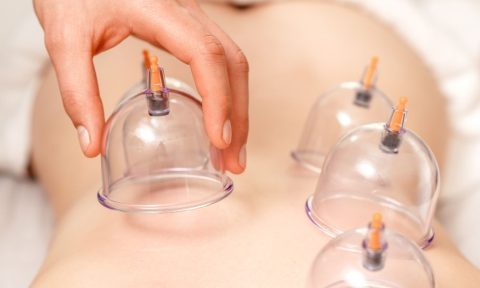
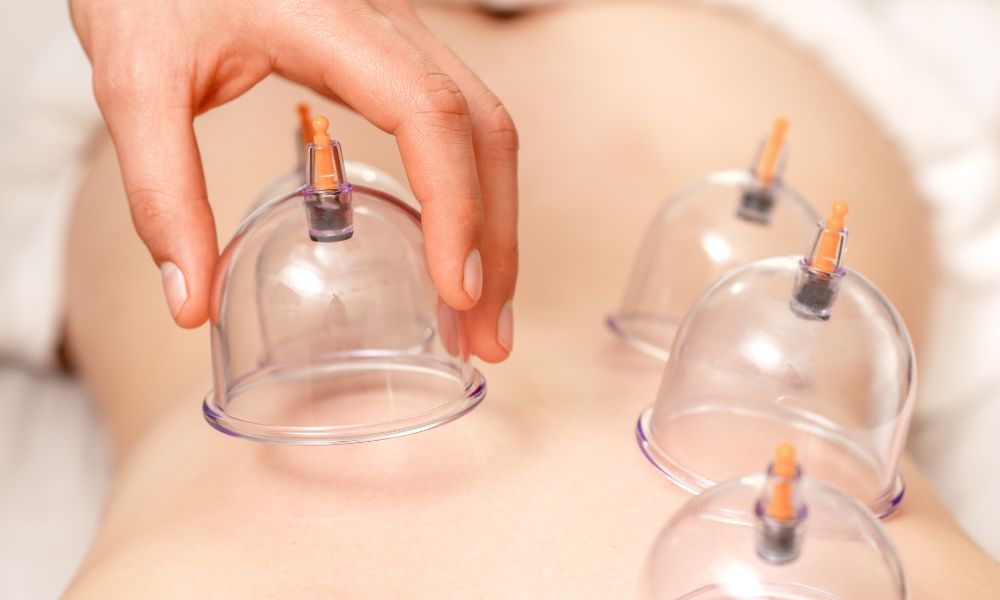
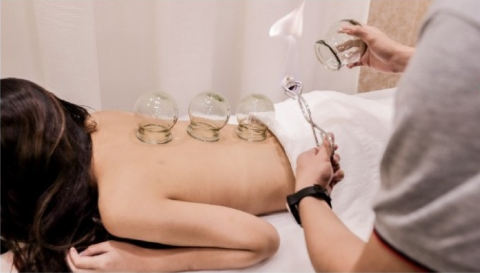
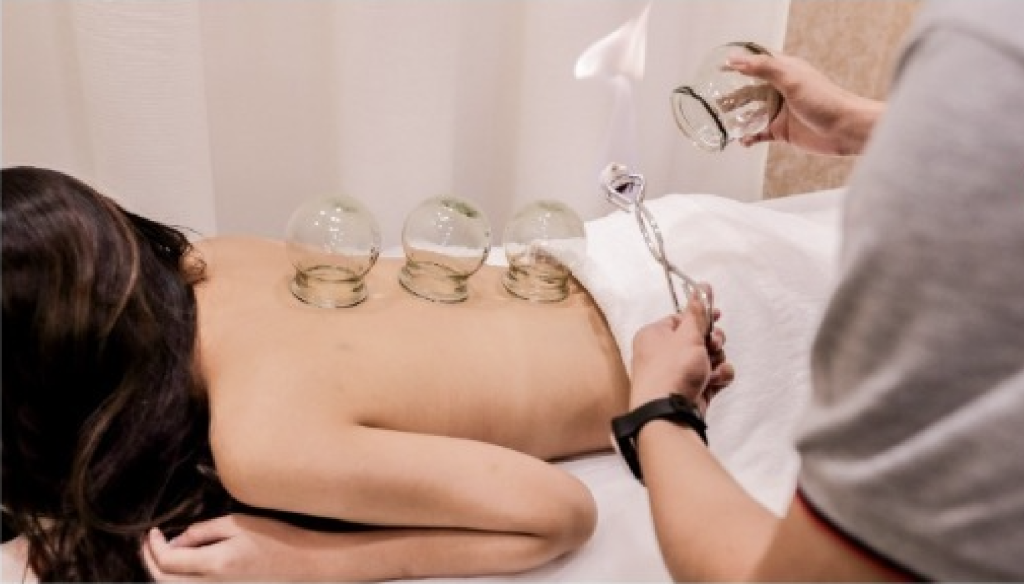
Cupping therapy is a traditional TCM treatment that uses suction cups placed on your skin. The cups pull your skin upward, which increases blood flow and promotes healing.
The idea behind cupping is simple: when your body has better circulation, it can heal faster and feel stronger. Cupping is also used to remove “stagnation”, when energy (Qi) or blood isn’t moving well in the body. This stagnation can lead to pain, tight muscles, or feeling tired all the time.
What Are the Benefits of Cupping Therapy?
Cupping is popular all over the world, even with athletes and celebrities. Why? Because it works! Here are some of the top benefits of cupping therapy:
1. Pain Relief. Cupping helps reduce muscle tension and pain, especially in the neck, shoulders, and back.
2. Stress Reduction. Many people feel relaxed after cupping. It’s great for calming your nervous system and helping you sleep better.
3. Boosts Blood Flow. Better circulation means more oxygen and nutrients get to your muscles and organs.
4. Detoxification. Cupping helps release toxins and waste from your body through the lymphatic system.
5. Speeds Up Recovery. Whether you’re an athlete or just dealing with muscle soreness, cupping can help you bounce back faster.
Why Choose Cupping Therapy in Singapore?
In Singapore, more people are turning to natural health options. At G&G TCM Medical, our cupping therapy is done by certified TCM practitioners who have years of hands-on experience.
We understand Singapore’s busy lifestyle, long working hours, and high stress levels. That’s why we offer treatments that don’t just target symptoms, but also help your body heal and stay balanced. Our clinic uses:
High-quality glass or silicone cups.
Clean, hygienic equipment.
Gentle techniques that suit your body type.
Combination therapies with acupuncture or herbal medicine if needed.
Whether it’s your first time or you’ve done cupping before, we’ll make sure you’re comfortable and well taken care of.
Ready to Try Cupping Therapy in Singapore?
At G&G TCM Medical, we’ve helped thousands of patients in Singapore with chronic pain, fatigue, stress, and other health issues using cupping therapy and other TCM treatments.
Our team is trained in both traditional methods and modern practices. We listen carefully to your needs and design a treatment plan that fits your lifestyle and goals.
If you’re ready to experience the natural power of cupping therapy Singapore, we’re here for you. Whether you’re dealing with muscle pain, stress, or just want to boost your energy, our team at G&G TCM Medical is happy to help. Visit our website at G&G TCM Medical to learn more or book your appointment today. Let us guide you on your healing journey with trusted TCM care that fits your life. Read also our previous blog about cupping therapy singapore.
FAQs Section
Is cupping therapy painful?
Not at all. Most people say it feels like a light pulling on the skin. You may feel tightness during the session, but it’s usually relaxing.
What are the round marks after cupping?
The circular marks are a natural result of suction. They are not bruises and usually fade in a few days. The darker the mark, the more stagnation was released.
How long does a cupping session take?
A typical session lasts around 20 to 30 minutes, including consultation. The cups stay on for 5 to 15 minutes depending on your condition.
Can cupping therapy be combined with acupuncture?
Yes! Many people benefit from a mix of cupping and acupuncture. It enhances the healing process by balancing Qi and relieving pain more effectively.
Is cupping safe for everyone?
Cupping is safe for most people, but we always do a full check before treatment. If you’re pregnant, on blood thinners, or have skin conditions, let us know first.
What should I do after a cupping session?
Avoid cold showers, wind exposure, or heavy exercise right after. Drink warm water and let your body rest for the best results.
In today’s busy world, many people wait until they feel sick to see a doctor. But what if you could stay healthy and avoid illness in the first place? That’s where TCM preventive medicine comes in. At G&G TCM Medical, we help people feel better and stay well using time-tested Traditional Chinese Medicine (TCM) methods.
This article explains how TCM works to prevent illness, what makes it different from Western medicine, and how you can start using it to protect your health.
What Is TCM Preventive Medicine?
TCM preventive medicine is all about keeping your body strong before sickness happens. Instead of only treating symptoms after they appear, TCM focuses on balance, harmony, and early care.
In TCM, illness often begins when something in your body is out of balance, your Qi (energy), blood, or internal organs. If you fix the small imbalances early, you can stop bigger problems from happening later.
TCM preventive care may include:
Herbal medicine.
Acupuncture.
Cupping.
Moxibustion.
Tuina massage.
Food therapy and diet planning.
Lifestyle advice based on your body type.
At G&G TCM Medical, we use all of these tools to help you stay well, not just get well.
How Is It Different from Western Preventive Care?
Western medicine also promotes prevention, like through vaccines or yearly checkups. But it mostly focuses on disease control. TCM goes deeper by understanding your whole body, not just one part. For example:
You may feel tired often, but your test results are “normal.” In TCM, this might mean your Qi is weak and needs support—even before a disease shows up.
You may catch colds easily. A TCM doctor would help build your immune system through herbs and acupuncture, not just give medicine once you’re sick.
TCM looks at your unique body pattern, emotions, and environment. Prevention isn’t “one-size-fits-all”, it’s made just for you.
How TCM Preventive Medicine Supports Long-Term Health and Balance
TCM preventive medicine is an ancient medical system from China that focuses on disease prevention, not just disease treatment. For thousands of years, TCM practitioners have used a combination of acupuncture, herbal therapy, moxibustion, diet, and lifestyle guidance to keep the body in balance. This holistic approach supports both mind and body, helping patients stay healthy and prevent future illness before symptoms appear.
Unlike Western health care, which often treats conditions after they develop, TCM looks at the early signs of imbalance. This includes subtle changes in energy flow, stress levels, emotional well-being, digestion, and blood circulation. By understanding these patterns, practitioners can create a treatment plan based on your unique constitution, using herbs, acupuncture points, and other techniques to restore balance naturally.
Modern research and clinical studies continue to explore how TCM may help maintain long-term wellness. Some evidence shows that acupuncture and herbal formulas may support immune function, reduce stress, improve sleep, and enhance life quality. Many therapies used in TCM, such as acupuncture-moxibustion and massage, are now recognized as effective complementary methods that work well alongside Western treatments for physical and mental conditions.
TCM preventive medicine also emphasizes a positive, proactive lifestyle. This includes choosing the right foods, maintaining emotional balance, following nature’s rhythms, and creating habits that support your overall health. When the body is in harmony, the mind becomes clearer, energy flows better, and the chance of developing chronic conditions decreases.
Why Choose TCM Preventive Medicine?
There are many benefits to choosing TCM for prevention:
1. Treats the Root, Not Just the Symptoms. Instead of just stopping a headache, TCM finds out why you get them and works to fix the cause.
2. Builds Natural Strength. TCM boosts your immune system, energy, and organ health so your body can fight off problems before they get serious.
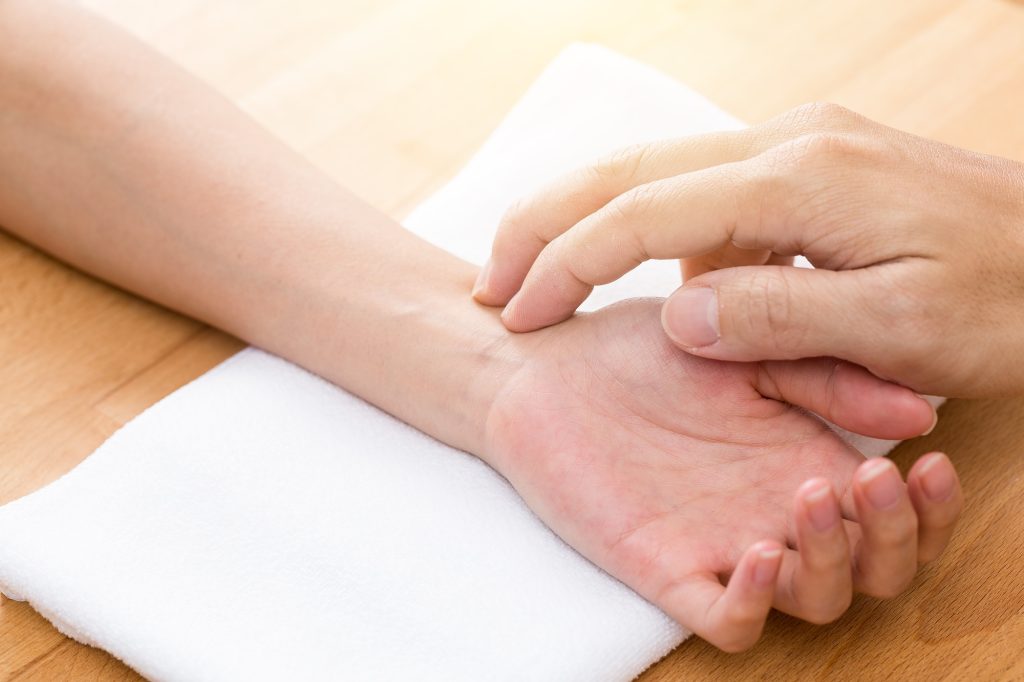
3. Personalized for Your Body. Everyone’s body is different. TCM uses your pulse, tongue, and symptoms to create a plan just for you.
4. Uses Natural Methods. No strong chemicals or heavy drugs. TCM uses gentle treatments like herbs, acupuncture, and food therapy.
Ready to Take Control of Your Health?
At G&G TCM Medical, we have decades of combined experience helping people live healthier lives through natural care. Our certified TCM physicians and therapists follow ancient methods passed down through generations, while also keeping up with today’s health needs. We offer:
One-on-one consultation and body analysis.
Personalized herbal formulas.
Targeted acupuncture sessions.
Diet and lifestyle advice based on TCM body types.
Preventive care plans for all ages.
Many of our patients come to us for fatigue, stress, low immunity, poor digestion, and more. But even if you feel fine today, we can help you stay that way for years to come.
Preventing illness is easier and smarter than treating it later. With TCM preventive medicine, you can build a stronger body, calm your mind, and enjoy a more balanced life.
Visit our website at G&G TCM Medical to learn more or book your consultation today. Let G&G TCM Medical help you stay healthy the natural way. With expert care, traditional wisdom, and a heart for your wellness. Read also our blog about TCM diet guide.
FAQs Section
What does TCM preventive medicine mean?
TCM preventive medicine is about keeping your body in balance before sickness starts. It uses herbs, acupuncture, diet, and lifestyle changes to protect your health naturally.
How is TCM different from Western preventive care?
Western care uses checkups, screenings, or vaccines to find or stop disease. TCM focuses on your body’s energy (Qi), organs, and balance to stop problems from happening at all.
Can I use TCM even if I’m not sick?
Yes! That’s the best time to start. TCM helps you stay strong, boost your immunity, and avoid stress or fatigue before illness appears.
What kind of treatments are used in TCM prevention?
Common treatments include acupuncture, herbal medicine, food therapy, cupping, and lifestyle tips based on your body type.
Is TCM safe for all ages?
Yes. TCM is gentle and can be tailored for kids, adults, and seniors. Our experts at G&G TCM Medical create custom plans for each person.
Food is more than just fuel, it’s medicine. In Traditional Chinese Medicine (TCM), what you eat can affect your body’s energy, mood, and even how you fight sickness. That’s why the TCM diet guide is so important. It helps you choose foods that match your body’s needs and keep your internal balance in check.
At G&G TCM Medical, we use diet therapy along with acupuncture, herbs, and other treatments to help patients heal naturally. With years of experience in treating real people with real problems, we know how powerful food can be when used the right way.
Let’s explore how TCM diet works and how it can help you feel better every day.
Why Diet Matters in TCM
In Western medicine, diet often focuses on calories, fat, and sugar. But in TCM, we look at food through a different lens. Every food has an energy (Qi), a temperature, and a connection to different organs in the body.
Instead of “good” or “bad” foods, TCM teaches us that each food has a purpose. The goal is to balance your Yin and Yang, and support your body’s natural systems.
Example: A banana might be healthy in general, but if your body has too much cold energy (Yin), eating too many cold foods like banana can make you feel worse.
In TCM, everything including food is linked to the Five Elements:
Wood (Liver) – sour foods.
Fire (Heart) – bitter foods.
Earth (Spleen) – sweet foods.
Metal (Lungs) – spicy foods.
Water (Kidneys) – salty foods.
When you eat too much or too little of one taste, it can affect your organ systems. That’s why TCM diet focuses on variety and balance—not cutting out whole food groups.
Warming vs Cooling Foods
Food also has a “temperature” in TCM, not just hot or cold to touch, but how it affects your body:
Warming foods (like ginger, lamb, cinnamon) boost circulation and energy. Great for people who feel cold, tired, or weak.
Cooling foods (like cucumber, watermelon, tofu) help reduce heat, inflammation, or skin issues.
At G&G TCM, we check your body constitution to see whether you need more warm or cool foods, and build a meal plan just for you.
TCM Diet Tips for Everyday Life
Want to try the TCM diet lifestyle? Here are simple steps you can follow:
Eat Warm, Cooked Foods: Soups, stews, and steamed meals are gentle on the digestive system. Avoid too much raw salad, iced drinks, or cold dairy, especially in the morning.
Eat With the Season: In summer, eat more cooling foods like melon and mint. In winter, eat more warming foods like ginger and beef. Seasonal eating keeps your body in harmony with nature.
Chew Slowly, Don’t Rush: Digestion starts in the mouth. Eating mindfully helps your body absorb nutrients better and prevents bloating.
Avoid Overeating or Skipping Meals: Extreme habits stress your digestive organs. Eat at regular times and stop when you feel 70–80% full.
Balance All Flavors: Don’t eat too salty, too sweet, or too spicy all the time. A balanced plate = a balanced body.
Ready to Start Your TCM Diet Journey?
Eating well doesn’t have to be hard. With the TCM diet guide and the help of experienced professionals, you can use food to heal, grow stronger, and feel more in tune with your body.
Our expert TCM physicians have decades of combined experience helping patients improve their health through diet therapy. Whether you have poor digestion, fatigue, hormone issues, or just want better energy, we’ll create a diet plan that matches your unique body type. For a more complete approach to traditional Chinese wellness, massage therapy is a highly recommended complement to dietary practices. Learn more about available treatments in Chinatown.
We take time to understand you, not just your symptoms. At G&G, you’re not getting a generic plan, you’re getting personalized care that fits into your life. Visit our website at G&G TCM Medical to book a consultation and learn how we can help you live a healthier life—naturally. Your body will thank you.
FAQs Section
What is a TCM diet?
A TCM diet focuses on food as medicine, balancing Yin and Yang through warm, cool, or neutral foods to support overall health.
How do I know which foods suit my body?
A TCM practitioner can assess your body type and suggest foods that warm, cool, or balance your system.
Do I need to avoid certain foods?
No. The goal is balance — not restriction. Eat a variety of foods in moderation.
Is the TCM diet safe for everyone?
Yes, but it’s best to consult a TCM expert for personalized guidance based on your health condition.
When your body feels tired or stressed, it’s natural to think about getting a massage. But have you heard about reflexology? Many people confuse the two, but they are actually quite different! In this blog, we’ll explain reflexology vs massage so you can decide which one is best for your body and health.
At G&G TCM Medical, our skilled therapists and Traditional Chinese Medicine (TCM) doctors have years of experience in helping people feel better using natural methods. Whether you’re curious about reflexology, massage, or both, we’re here to guide you with care and expertise.
What Is Massage?
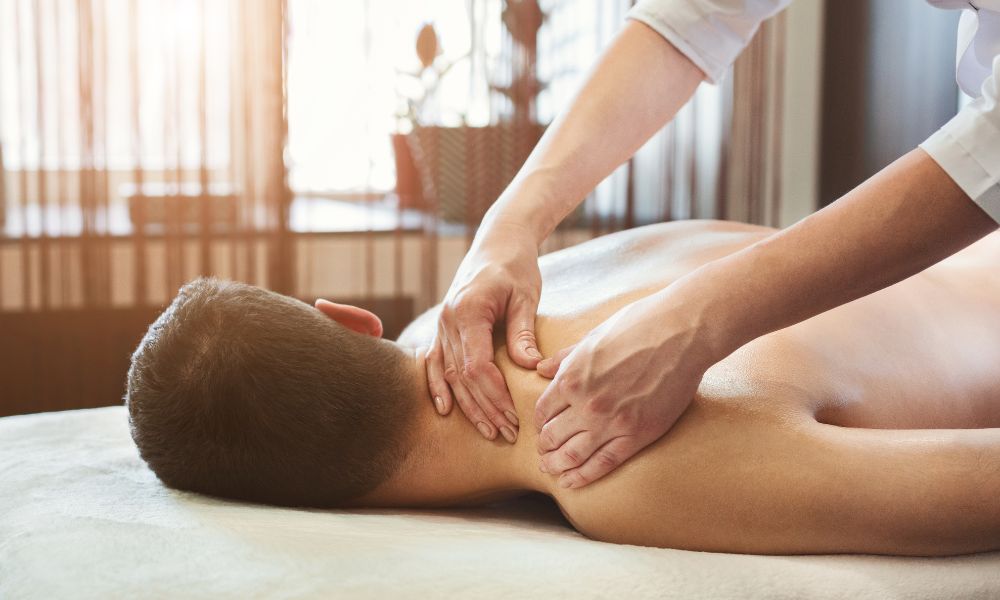
Massage is a popular way to relax your body. A therapist uses their hands to press, rub, and knead your muscles. Massage helps with:
Muscle pain or tightness.
Stress and anxiety.
Poor circulation.
Back, shoulder, and neck stiffness.
There are many types of massage: deep tissue, Swedish, aromatherapy, and more. Each has its own style, but they all focus on muscles and soft tissues. At G&G TCM, we combine modern massage techniques with traditional healing wisdom for the best results.
What Is Reflexology?
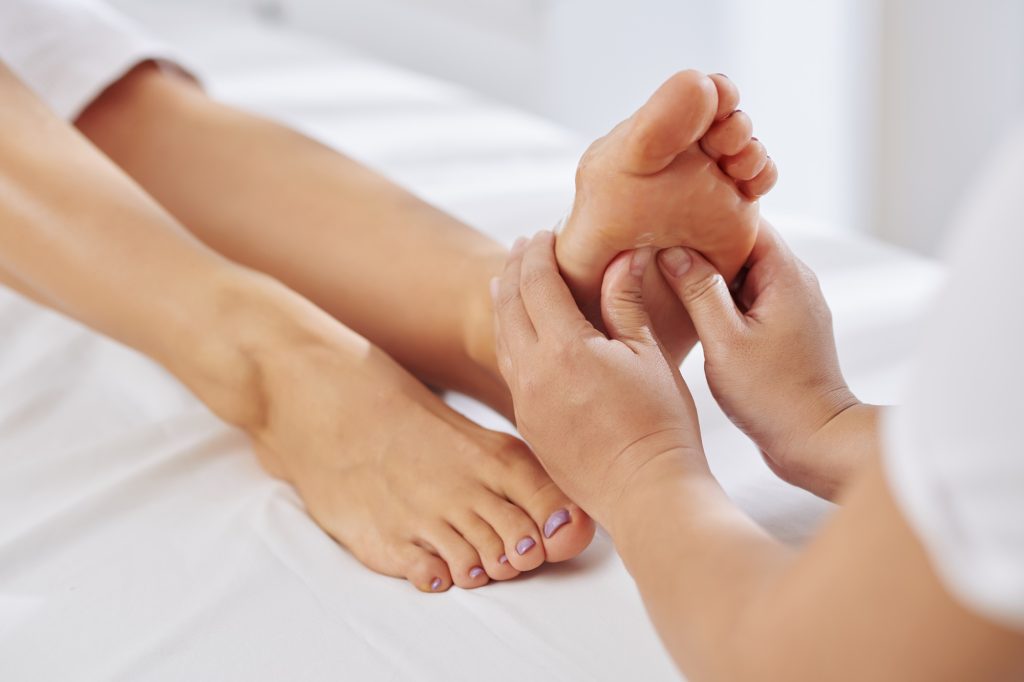
Reflexology is a special kind of treatment that focuses on your feet, hands, and ears. In TCM, we believe that certain points on your feet connect to different organs in your body.
For example:
The tip of your big toe links to your brain.
The arch of your foot connects to your stomach.
The heel area links to your lower back and intestines.
By pressing on these points, reflexologists help balance your body’s energy (Qi) and improve how your organs work. Reflexology is not just about relaxing—it helps your whole body heal naturally.
Reflexology vs Massage: What’s the Difference?
Feature
Reflexology
Massage
Focus Area
Feet, hands, ears
Whole body (back, shoulders, legs, etc.)
Purpose
Stimulates organ function & Qi flow
Relieves muscle pain & tension
Technique
Pressure on reflex points
Kneading, rubbing, pressing muscles
Based On
TCM meridians & energy lines
Muscle structure & blood flow
Experience Needed
Certified reflexologists
Licensed massage therapists
Which One Should You Choose?
If you’re dealing with:
Muscle pain, sports injuries, or stiffness → Try massage.
Digestive issues, insomnia, or stress → Try reflexology.
Feeling tired all the time or off balance → Reflexology can help restore Qi.
Simply want to relax → Both are great options!
Our G&G TCM Medical team is trained in both reflexology and massage therapy. During your consultation, we will recommend the best treatment based on your condition.
How G&G TCM Medical Brings You the Best of Both
With decades of experience in Traditional Chinese Medicine, our team blends age-old healing with modern care. We don’t just treat symptoms, we focus on your whole body and help you heal naturally.
Our reflexologists and massage therapists are certified, experienced, and passionate about your wellness. Each session is personalized to your needs and body condition. Here’s what you can expect at G&G TCM:
Friendly and skilled practitioners
Clean, relaxing treatment rooms.
Customized care plans for long-term health.
Real results based on TCM principles.
Choosing between reflexology vs massage doesn’t have to be confusing. At G&G TCM Medical, we’re here to help you find the perfect natural therapy that fits your lifestyle and health goals.
Visit our website at G&G TCM Medical to book a consultation or learn more about our services. Whether you need to ease body tension or restore inner balance, our team is ready to support your wellness journey, naturally and expertly. Read also our blog about benefits of foot massage.
FAQs Section
What is the main difference between reflexology and massage?
Reflexology focuses on specific points on the feet, hands, and ears that connect to organs in your body. Massage targets muscles and soft tissues to relieve tension and pain.
Is reflexology painful?
Reflexology is usually not painful. Some points may feel tender if there’s an imbalance in the body, but most people find it relaxing and soothing.
Can I get both reflexology and massage together?
Yes! Many people benefit from combining both treatments. At G&G TCM Medical, we can create a personalized care plan that includes both reflexology and massage based on your condition.
How often should I do reflexology or massage?
It depends on your health goals. Some people visit weekly for stress relief, while others come monthly for general maintenance. Our team at G&G TCM can recommend a schedule that fits your needs.
Can reflexology help with sleep problems or digestion?
Absolutely. Reflexology can help with common issues like insomnia, bloating, and constipation by stimulating pressure points that relate to the stomach, intestines, and nervous system.
Are you looking for a natural way to feel better and stay healthy? If so, Chinese herbal medicine might be exactly what you need. This ancient healing system has helped people for thousands of years. At G&G TCM, we’ve seen how powerful these herbs can be, and how they help people feel their best, naturally.
In this blog, we’ll explain what Chinese herbal medicine is, how it works, what it can treat, and why so many people trust it. We’ll also share why G&G TCM is a great place to start your journey with herbal care.
What Is Chinese Herbal Medicine?
Chinese herbal medicine is a part of Traditional Chinese Medicine (TCM). It uses plants, roots, seeds, and minerals to help your body heal and stay in balance. Some herbs are used alone, but most are combined in special formulas to fit your body’s needs.
Unlike Western medicine, which often treats one symptom at a time, Chinese herbal medicine looks at your whole body. It aims to find the root of the problem, not just cover up the pain.
How Does It Work?
In TCM, your body’s energy (called Qi) flows through pathways known as meridians. When your Qi is strong and balanced, you feel healthy. But if it becomes blocked or weak, you might get sick, tired, or feel pain.
Chinese herbal formulas help by:
Boosting your immune system.
Improving blood flow.
Supporting organ function.
Calming stress and anxiety.
Fighting infections naturally.
The herbs gently guide your body back into balance, without strong chemicals or side effects.
How Chinese Herbal Medicine Supports the Body’s Natural Healing System
Chinese herbal medicine is an ancient yet effective medical system that has been used for thousands of years in China to treat various health conditions. In TCM, herbs are often used together with acupuncture as part of an integrative health treatment designed to rebalance the body’s energy (Qi), support healing, and address both acute and chronic disorders.
TCM practitioners typically create specific formulas made from different herbs, each selected to target certain symptoms, underlying disease, or medical conditions. These formulas treat issues related to stress, pain, cold conditions, digestive imbalance, and long-term wellness needs. Some herbs may help improve circulation, strengthen the immune system, or support the body during complex illnesses, including conditions where modern western medicine plays a role, such as cancer care or recovery. This integrative health approach allows herbs to be used alongside conventional drugs, when appropriate and safe.
Modern clinical studies and research continue to explore how TCM herbs may help the body respond better to treatment, reduce side effects, and improve overall health. While results vary, some evidence suggests that herbs used in TCM may help manage inflammation, enhance energy flow, and support long-term wellness. However, because herbal medicine may take time to show benefits, it’s important for patients to work with qualified TCM practitioners who understand how formulas treat different disorders and how to integrate them with current health care plans.
If you are seeking natural ways to support your health or want to learn which tcm herbs are best for your needs, our team can provide information, answer your questions, and help you find a safe, traditional yet modern approach that fits your life and long-term health goals.
What Can Chinese Herbal Medicine Treat?
Chinese herbal medicine has been used for over 2,000 years to help people feel better and live healthier lives. Today, many people use it as a natural way to treat both short-term and long-term health problems, without relying only on pills or strong chemicals.
At G&G TCM, we’ve helped many patients with a wide range of health concerns using carefully selected herbal formulas. Here are some of the most common conditions we treat with Chinese herbal medicine:
1. Digestive Problems
Do you often feel bloated, get stomach aches, or have irregular bowel movements? Herbal medicine can help improve digestion by strengthening your spleen and stomach, which are key organs in Traditional Chinese Medicine. We use specific herbs to reduce bloating, relieve constipation or diarrhea, and improve your appetite.
Example: A common herbal formula for digestion is Bao He Wan, which helps break down food and remove food stagnation.
2. Low Energy & Fatigue
Feeling tired all the time? This could be a sign of Qi deficiency, a lack of life energy in your body. Chinese herbs can help boost your Qi and support organs like the lungs, spleen, and kidneys to increase your strength and vitality. Many of our patients report better energy and clearer thinking after just a few weeks.
Example: Ren Shen (Ginseng) and Huang Qi (Astragalus) are powerful herbs often used to restore energy.
3. Stress, Anxiety & Sleep Issues
If you’re feeling anxious, overwhelmed, or can’t sleep well, herbs can help calm your mind and relax your body. In TCM, emotional problems are linked to imbalances in the heart, liver, and kidney systems. Herbal formulas work to restore this balance gently—without causing drowsiness like many sleeping pills do.
Example: Suan Zao Ren Tang is a well-known formula that helps with insomnia, nervousness, and restlessness.
4. Women’s Health
Chinese herbs are very effective in treating women’s issues, such as:
Menstrual cramps.
Irregular periods.
PCOS symptoms.
Menopause hot flashes and night sweats.
These conditions are often caused by imbalances in blood, Qi, and hormones, which herbal medicine can regulate safely and naturally. Many women who come to G&G TCM feel better within a few cycles of treatment.
Example: Dang Gui (Angelica root) is often called “the female ginseng” because of its benefits for blood and hormone balance.
5. Skin Conditions
Struggling with eczema, acne, or rashes? Skin problems are often signs of internal heat, dampness, or toxin buildup in the body. Our herbal treatments focus on clearing heat, removing toxins, and nourishing the skin from the inside out. We also recommend food and lifestyle changes that support long-term results.
Example: Formulas like Yin Chen Hao Tang are used to treat heat-related skin flare-ups.
6. Respiratory & Immune Support
If you get frequent colds, allergies, or coughs, Chinese herbal medicine can strengthen your lung Qi and improve your immune defense. This is especially helpful during flu season or when recovering from illness.
Example: Yu Ping Feng San is a popular formula that helps protect your body from catching colds easily.
7. Chronic Conditions
Chinese herbal medicine is often used as long-term support for chronic issues like:
High blood pressure.
Diabetes (early stage).
Arthritis.
Chronic pain.
While not a replacement for Western medicine in serious cases, TCM herbs can work together with your existing treatments to reduce symptoms, improve quality of life, and lower medication side effects.
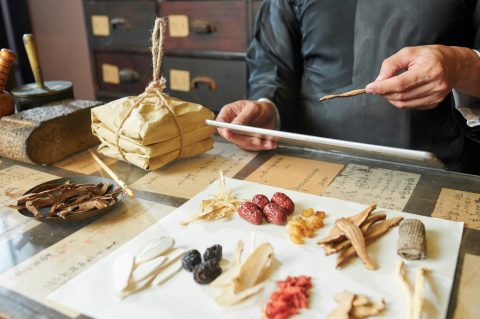
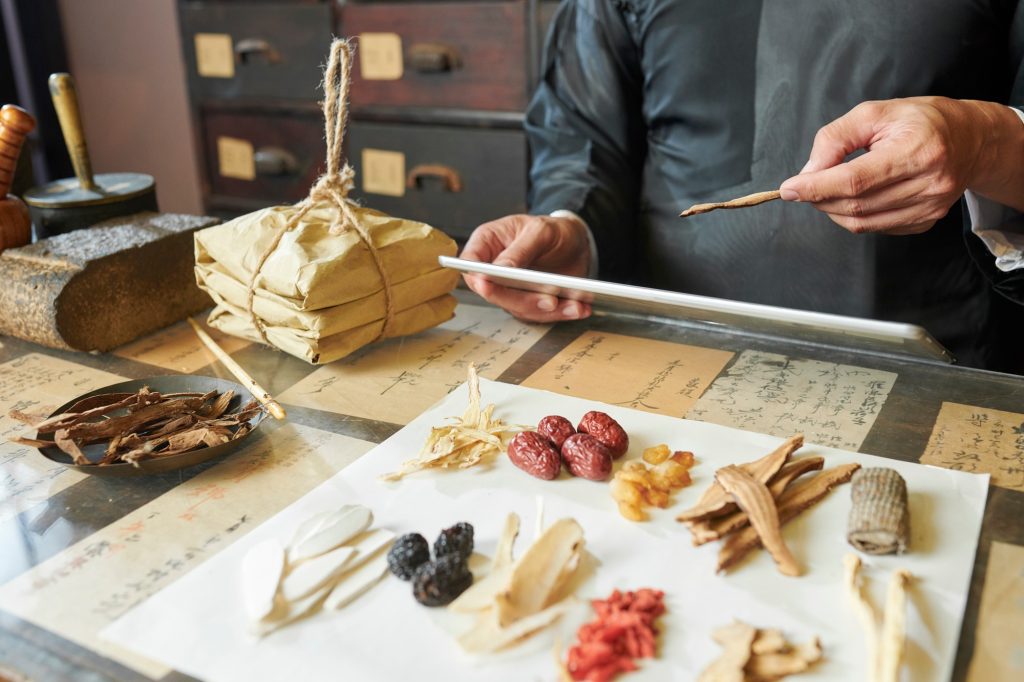
Chinese medicine practitioner selecting ingredients
Why Choose G&G TCM?
We’re not just any clinic, we bring together deep expertise and real care.
Experienced TCM Practitioners Our team has over 10 years of experience and deep training in both modern science and traditional Chinese medicine. We know how to mix ancient knowledge with today’s health needs.
High-Quality Herbs We only use tested and certified herbs, prepared safely to meet Singapore’s strict health standards. Your safety is our top priority.
Customized Formulas No one-size-fits-all here! Your herbal blend is made just for you, based on your symptoms, body type, and lifestyle.
Whole-Person Approach We treat the root cause, not just the surface problem. You’ll feel the difference, not just in your body, but in your energy and mood, too.
At G&G TCM, we take time to understand your full health picture before recommending any herbs. We create personalized formulas for your body type, symptoms, and health goals, because your body is unique, and your care should be too.
Ready to explore how Chinese herbs can help you feel better naturally? Visit our website at G&G TCM Medical and schedule a consultation with one of our experienced practitioners today. Read also our blog about acupuncture for knee pain.
FAQs Section
What is Chinese herbal medicine made of?
Chinese herbal medicine uses natural ingredients like roots, leaves, flowers, seeds, and sometimes minerals. These herbs are combined in formulas to support your body’s healing and balance.
Is Chinese herbal medicine safe?
Yes, when prescribed by trained professionals like our team at G&G TCM, Chinese herbs are safe and carefully chosen for your condition. We use high-quality, certified herbs that meet health standards in Singapore.
How long does it take to see results?
Some people feel better within a few days, while others may need several weeks, especially for long-term health issues. Everyone’s body is different, so your treatment plan will be tailored to your needs.
What health problems can Chinese herbal medicine treat?
Chinese herbs can help with digestion, stress, sleep, energy, women’s health, skin issues, and more. We treat both short-term and long-term problems by focusing on the root cause.
Is Chinese herbal medicine only for adults?
No! Herbal medicine can also help children with digestion, immunity, sleep issues, and more. Our practitioners adjust the formulas and doses to be gentle and safe for kids.
Do you suffer from headaches that keep coming back? You’re not alone. Headaches are one of the most common health problems in the world. Some people get them once in a while, others feel pain almost every day. If you’re tired of taking pills and looking for a natural solution, acupuncture for headache may be exactly what you need.
At G&G TCM, we’ve helped many people find lasting relief through Traditional Chinese Medicine (TCM), especially with acupuncture. Our experienced team understands that every body is different, and we’re here to support you with personalized care.
Why Acupuncture Works for Headaches
Headaches happen for many reasons, stress, poor sleep, eye strain, hormones, or even weather changes. Acupuncture looks at the root cause, not just the symptoms. That’s what makes it so effective.
Here’s how acupuncture helps:
Reduces muscle tension in the neck and shoulders.
Improves blood circulation to the head.
Relieves stress and anxiety (common headache triggers).
Balances your body’s energy.
Many of our patients notice a big difference after just a few sessions.
How Acupuncture Supports Migraine Relief and Better Energy Flow
Acupuncture is widely recognised as a natural therapy that may help reduce migraine symptoms, tension headaches, and other chronic pain conditions. Based on Traditional Chinese Medicine (TCM), this approach involves stimulating specific points along the body’s meridians using thin needles to restore energy flow (Qi), improve blood flow, and support the body’s natural healing balance.
Many studies have found that acupuncture can be effective in lowering the frequency, intensity, and duration of migraines. Some clinical trials also show significant improvements in migraine relief, especially for patients who experience chronic migraines or tension-type headaches. This treatment may help relieve underlying inflammation, reduce stress, and encourage the release of endorphins—your body’s natural pain-relief chemicals.
Acupuncture is considered safe and is often used alongside other medical treatments to manage pain, address the underlying cause, and improve overall quality of life. Many patients find that regular sessions not only help reduce migraine frequency but also support better sleep, neck and back tension relief, and improved health of the nervous system.
If you want to learn more about how acupuncture works and whether this approach is suitable for your condition, our clinic can provide personalised care based on your symptoms and medical history. This traditional yet modern-supported therapy may help you experience better results and more sustainable headache management today.
What Types of Headaches Can Acupuncture Help With?
At G&G TCM, we treat many types of headaches, including:
Tension Headaches: These feel like a tight band around your head. Acupuncture can relax the muscles and ease the pressure.
Migraines: These are often painful and may come with nausea or light sensitivity. Acupuncture helps reduce the frequency and severity of migraines.
Sinus Headaches: If your head hurts when you have a cold or allergies, it may be sinus-related. Acupuncture can clear up blockages and reduce inflammation.
Hormonal Headaches: Some women get headaches during their period or around menopause. TCM acupuncture supports hormone balance and reduces pain.
Real Results from Real Experience
At G&G TCM, we’ve helped hundreds of people in Singapore find relief from chronic headaches. Our practitioners are certified, experienced, and deeply trained in both modern science and ancient Chinese techniques.
We don’t just treat your symptoms, we take time to understand your full health story, including lifestyle, diet, stress, and sleep. Then, we build a custom acupuncture plan that fits you.
And the best part? It’s all natural. No chemicals, no strong drugs. Just safe, gentle care from experts who care.
If you’re new to acupuncture, here’s what will happen:
Consultation – We’ll talk about your headaches, health history, and goals.
Personalized Plan – We’ll create a treatment plan based on your unique needs.
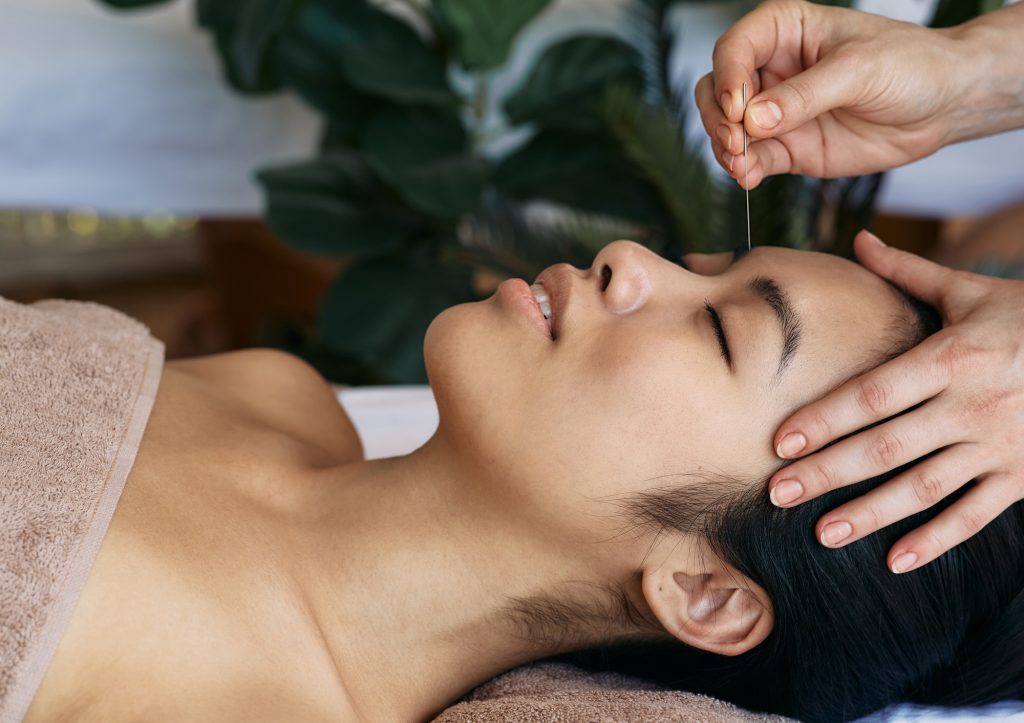
Relaxing Session – You’ll lie down while fine needles are gently placed at key points. Most people feel calm or even sleepy during the session.
Follow-Up Care – We may also recommend Chinese herbs, foot reflexology, or cupping to support your healing.
Each session lasts about 30–45 minutes. Many people feel relief after the first few visits. If headaches are stopping you from enjoying life, don’t wait. Try acupuncture for headache at G&G TCM and experience the natural relief you’ve been searching for.
Visit our website now at G&G TCM to learn more or book your first consultation. Our friendly team is here to help you feel better naturally. Check out also our previous blog about how TCM herbs benefits your body, mind and energy.
FAQs Section
Is acupuncture really effective for headaches?
Yes, many people find relief from headaches after acupuncture treatment. It helps reduce pain, improve blood flow, and relax muscles. At G&NG TCM, we focus on finding the root cause of your headache and giving you a personalized treatment plan.
How many acupuncture sessions do I need for headache relief?
Not at all. Most people say it feels like a tiny pinch or nothing at all. The needles are very thin, and many patients feel relaxed or sleepy during treatment.
Can acupuncture help with migraines too?
Yes! Acupuncture is known to reduce the frequency and intensity of migraines. It also helps manage related symptoms like nausea, light sensitivity, and stress.
What should I do before my acupuncture session?
Just eat a light meal, wear loose clothes, and arrive a little early to relax. Avoid caffeine right before your appointment.
In today’s fast-paced world, more people are looking for natural ways to stay healthy. That’s why Traditional Chinese Medicine (TCM) is becoming more popular. One of the most important parts of TCM is the use of herbs, and these herbs have been trusted for thousands of years.
At G&G TCM, we’ve seen how these natural remedies can truly change lives. Whether you’re dealing with stress, poor sleep, low energy, or chronic illness, there’s a herbal solution that could help. In this article, we’ll explain the top TCM herbs benefits and why you might want to try them.
What Are TCM Herbs?
TCM herbs are natural plants, roots, seeds, and minerals used to balance the body and support healing. Unlike Western medicine, which often focuses on symptoms, TCM looks at the whole body. We believe that when your body’s energy (or Qi) is in balance, you stay healthy.
Herbs are chosen based on your body’s needs. They’re often used in teas, powders, capsules, or added to soups. At G&NG TCM, we carefully select and mix herbs to match your personal health goals.
1. Boosts Your Immune System
One of the top TCM herbs benefits is stronger immunity. Herbs like Astragalus and Lingzhi (Reishi mushroom) are known to protect your body from illness. Your immune system is your body’s natural defense against sickness. When it’s strong, you can fight off colds, viruses, and even long-term health issues. But when it’s weak, you might feel tired all the time or get sick easily.
How TCM Sees Immunity
In TCM, your immune system is closely related to something we call “Wei Qi”, your body’s protective energy. Wei Qi acts like a shield, guarding you from outside attacks like wind, cold, or germs. When your Wei Qi is weak, you’re more likely to get sick.
Instead of just treating symptoms, TCM focuses on making your whole body stronger from the inside. By balancing your energy and improving organ function, especially the lungs and spleen. We can support your immune system in a deeper way.
Backed by Both Tradition and Science
TCM herbs have been used for thousands of years, but modern science is now catching up. Studies show that many TCM herbs contain compounds that:
Improve the activity of white blood cells.
Fight viruses and bacteria.
Lower inflammation.
Help the body recover faster from illness.
At G&NG TCM, we blend traditional knowledge with up-to-date research to give you the best of both worlds.
2. Reduces Stress and Calms the Mind
Modern life can be stressful. Luckily, TCM herbs can help relax your mind and body. Herbs like Chai Hu (Bupleurum) and Suan Zao Ren (Sour Jujube Seed) are often used to ease anxiety and support better sleep.
In today’s busy world, stress is everywhere. From work deadlines to family responsibilities, many people feel anxious, overwhelmed, or mentally tired every day. But here’s the good news: TCM herbs offer a natural, gentle way to bring your mind and body back into balance.
At G&G TCM, we’ve helped many patients. Students, working adults, even the elderly manage stress and improve their emotional well-being using time-tested herbal formulas.
Herbs like Chai Hu (Bupleurum) and Suan Zao Ren (Sour Jujube Seed) work by:
Balancing the nervous system.
Lowering stress hormones.
Helping you sleep more deeply.
At G&NG TCM, we regularly treat patients with stress, anxiety, or insomnia using herbal formulas with excellent results.
How TCM Understands Stress
In Traditional Chinese Medicine (TCM), stress is often seen as a sign of Qi stagnation, when energy gets “stuck” in your body, especially in the Liver meridian. This blockage can cause emotional tension, poor sleep, headaches, digestive problems, or even chest tightness.
Instead of masking symptoms, TCM aims to restore the smooth flow of Qi (energy) and blood. When your body is in balance, your mind naturally feels calm and focused.
Unlike chemical drugs, TCM herbs work with your body, not against it. They restore balance rather than forcing an effect. And because they are customized, side effects are rare when prescribed by a trained TCM professional.
3. Supports Digestive Health
Your digestive system is like your body’s engine. If it’s not working well, everything else feels off. In TCM, digestion is closely tied to your Spleen and Stomach Qi, these organs are responsible for turning food into energy.
When your digestive Qi is weak, you might feel:
Bloated after meals.
Gassy or uncomfortable.
Tired all the time.
Struggle with constipation or loose stools.
TCM herbs can help bring your digestive system back into balance. For example:
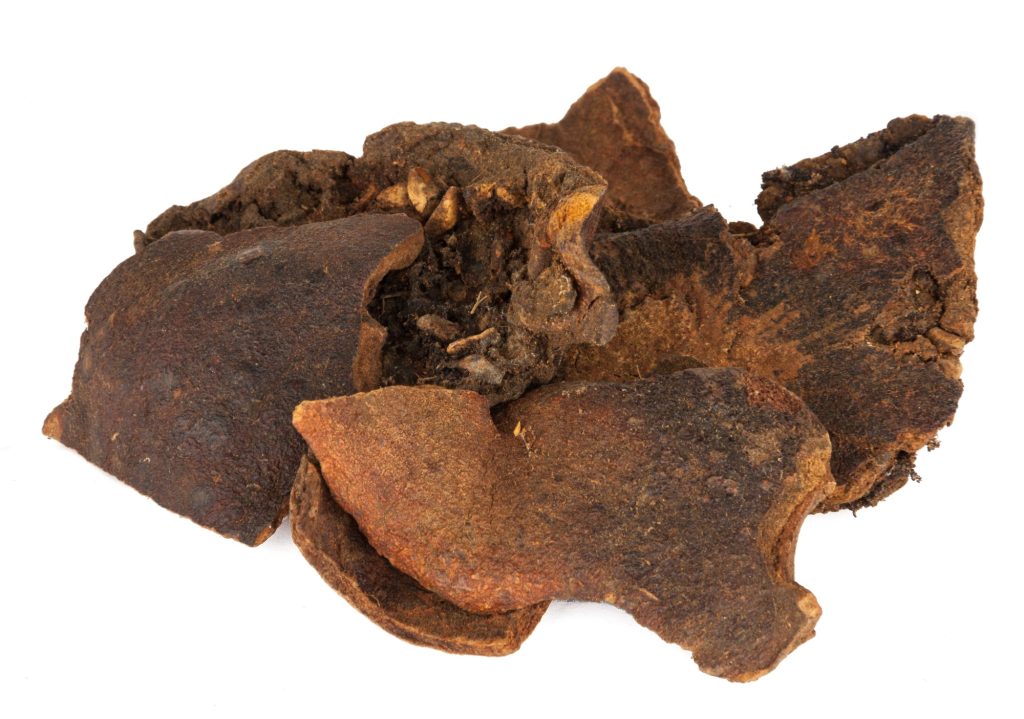
Chen Pi (Aged Tangerine Peel) helps move stuck energy in the stomach and reduce bloating.
Shan Zha (Hawthorn Berry) is great for breaking down fatty foods and easing indigestion.
Bai Zhu strengthens the Spleen Qi to support better absorption and reduce fatigue caused by poor digestion.
At G&G TCM, we’ve helped many patients with issues like IBS, acid reflux, or slow digestion using a combination of herbs and lifestyle tips. We look at your full body condition, not just the symptoms, so the treatment is personalized and more effective.
4. Improves Women’s Health
Women go through many changes in life, puberty, menstruation, pregnancy, and menopause. Each phase brings different challenges, and TCM has herbal solutions to support women at every stage.
For menstrual problems like cramps, irregular cycles, or heavy flow, herbs like:
Dang Gui (Chinese Angelica) helps nourish the blood and relieve cramps.
Bai Shao (White Peony) relaxes the muscles and eases pain.
Chuan Xiong improves blood flow and reduces stagnation, which can cause sharp period pain.
If you’re dealing with PMS or mood swings, we can create a formula to calm your mind, balance hormones, and help you feel more like yourself. For women in menopause, herbs like Zhi Mu and Huang Bai help cool the body and reduce hot flashes and night sweats. TCM also supports emotional balance, helping with irritability, sadness, or sleep problems that can come with hormonal shifts.
5. Increases Energy and Reduces Fatigue
Feeling tired all the time isn’t just normal, it’s a sign your body is out of balance. In TCM, fatigue often comes from a weakness in your Qi (life energy), Blood, or Yang (body heat and strength).
There are many types of tiredness, and each one needs a different herbal approach. At G&G TCM, we take time to understand your lifestyle, stress levels, diet, and sleep so we can recommend the right herbs for your energy needs.
Here are a few powerful TCM herbs that boost energy:
Ren Shen (Ginseng): One of the most famous herbs in the world. It strengthens your Qi, supports mental focus, and boosts physical stamina.
Huang Qi (Astragalus): Supports immunity and gives you clean, lasting energy without the crash.
Dang Shen: A gentler version of ginseng that helps rebuild energy after illness or long-term stress.
Cordyceps (Dong Chong Xia Cao): A rare mushroom that helps with physical performance, lung strength, and fatigue.
Whether your energy is low from overwork, stress, poor sleep, or recovery from sickness, herbal therapy can help recharge your system safely and naturally.
Final Thought: Choose The Best TCM in Chinatown Singapore
At G&G TCM, we bring together ancient wisdom and modern expertise. Our certified TCM practitioners have years of experience helping people heal through herbal medicine.
We don’t give one-size-fits-all solutions. Instead, we take time to understand your health, lifestyle, and body type. Then, we create a personalized herbal formula just for you.
Our herbs are:
High quality and safe.
Carefully selected and balanced.
Backed by centuries of traditional use and modern research.
You’ll be supported every step of the way, from your first consultation to ongoing care. Visit our website G&G TCM to learn more about our services and book a consultation with our expert team today. Let us help you feel your best naturally.
What are the most common TCM herbs and what do they do?
Some popular TCM herbs include Ginseng (boosts energy), Dang Gui (supports women’s health), Astragalus (strengthens immunity), and Licorice root (balances other herbs and eases digestion).
Are TCM herbs safe to use?
Yes, when prescribed by a certified TCM practitioner, TCM herbs are safe and tailored to your body’s needs. At G&NG TCM, we use only high-quality, lab-tested herbs and follow strict safety standards.
How long does it take to see results from herbal treatment?
It depends on your condition. Some people feel better in a few days, while others may need several weeks. Herbal therapy focuses on long-term balance, not just quick fixes.
Do TCM herbs have side effects?
When used correctly, side effects are rare. Some mild effects like changes in digestion or sleep may occur as your body adjusts. Our practitioners closely monitor your response and make adjustments as needed.
How do I start TCM herbal treatment at G&G TCM?
Just visit G&G TCM and book a consultation. Our team will assess your health and recommend a personalized herbal plan that fits your lifestyle and health goals.
When was the last time you gave your feet the care they deserve? We use our feet every single day, to walk, stand, run, and support our entire body. But most of the time, we forget to take care of them. That’s where a foot massage comes in!
At G&G TCM, we’ve helped many people relax, heal, and feel better through the benefits of foot massage. It’s not just about feeling good (though that’s a big part), it also helps your whole body feel balanced, calm, and energized.
Let’s explore how this simple treatment can make a big difference in your health and well-being.
What Is Foot Massage?
Foot massage, also known as reflexology, is a healing practice where pressure is applied to certain points on the feet. These points are connected to different parts of your body, like your organs, muscles, and nerves.
At G&G TCM, our therapists are trained in Traditional Chinese Medicine (TCM) techniques that go beyond simple rubbing. We focus on your body’s energy flow (called “Qi”) and use proven methods to support natural healing from head to toe.
Benefits of Foot Massage
1. Reduces Stress and Helps You Relax
One of the most common reasons people try foot massage is for stress relief. And it works! Foot massage helps calm the nervous system and sends signals to your brain that say, “It’s time to relax.”
Just 30 minutes of a foot massage can:
Lower your heart rate.
Reduce anxiety.
Help you breathe more deeply.
Give you a clear and calm mind.
If you’re feeling stressed from work or daily life, this is a great way to unwind without medication.
2. Improves Blood Circulation
When your blood flows well, your body gets more oxygen and nutrients. But long hours of sitting or standing can slow down your circulation—especially in your legs and feet.
A proper foot massage helps:
Move blood through your veins and muscles.
Reduce swelling in the legs.
Warm up cold feet and hands.
Boost overall energy.
Better blood flow also means your body heals faster, fights off illness, and stays strong.
3. Supports Better Sleep
Having trouble sleeping? You’re not alone. But before turning to sleeping pills, try a relaxing foot massage instead. Massage can:
Calm the nervous system.
Lower cortisol (stress hormone).
Release feel-good hormones like serotonin and dopamine.
Prepare your body for restful, deep sleep.
Many of our patients at G&NG TCM say they sleep better after foot massage treatments—especially when they get them regularly.
4. Eases Foot Pain and Muscle Tension
Whether you’ve been standing all day, wearing tight shoes, or just dealing with tired feet, massage can bring fast relief.
Foot massage helps:
Relax tight muscles.
Reduce soreness or cramping.
Improve flexibility.
Release built-up tension in the arch, heel, or toes
It’s especially helpful for people with plantar fasciitis, heel pain, or tired legs. Our expert therapists know just where to press to help you feel light on your feet again.
5. Balances Your Body’s Energy (Qi)
In TCM, the body is connected by energy channels called meridians. When energy gets stuck, it can cause pain, stress, or illness. Foot massage helps unblock that energy and restore flow.
By working on reflex points in the feet, we can support the health of:
The liver and kidneys.
The digestive system.
The immune system.
Hormonal balance
It’s not just about the feet, it’s about total body wellness.
Why Choose G&NG TCM?
At G&G TCM, we have years of experience helping people improve their health through foot massage and other traditional treatments. Our team includes certified TCM physicians and massage therapists who understand the body inside and out.
We don’t just give random massages. We listen, we assess your needs, and we create a plan that’s made just for you. Whether you’re coming in for stress relief, pain support, or to boost your body’s balance, you’ll be treated with skill, care, and respect.
What to Expect During Your Visit
When you come to our clinic, you’ll be welcomed by our friendly staff. You’ll sit in a comfy chair or lie down, and your therapist will start by gently working on the reflex points of your feet.
We use high-quality natural oils and traditional techniques to make sure every session feels amazing and healing. You’ll leave feeling lighter, calmer, and refreshed.
The benefits of foot massage go far beyond your feet. It supports your mind, body, and energy. Whether you’re looking for pain relief, better sleep, or just a moment to relax, we’re here to help.
Visit our website G&G TCM to learn more or book your first session today. Let us help you walk through life with comfort and balance. To discover simple bedtime routines enhanced by foot massage, read our Foot Massage for Sleep guide.
FAQs Section
Is foot massage only for relaxation, or does it have health benefits too?
Foot massage is not just for relaxation, it also supports your body’s natural healing. It can help with muscle tension, circulation problems, and even balance energy in the body, especially when done by trained TCM therapists like at G&G TCM.
How often should I get a foot massage?
For general wellness, once a week is a great routine. If you’re dealing with specific pain or sleep issues, we may recommend 1–2 sessions per week at first. Our team at G&G TCM will help you create a schedule that fits your needs.
Can foot massage help with conditions like plantar fasciitis or heel pain?
Yes! Foot massage is very effective for relieving pain caused by plantar fasciitis, heel spurs, and other foot-related problems. It relaxes tight tissues, improves flexibility, and reduces inflammation.
Is it safe for seniors to get foot massages?
Absolutely. Foot massage is gentle and safe for people of all ages, including seniors. In fact, it can help older adults with circulation, arthritis, and general foot discomfort. Our therapists at G&NG TCM are experienced in working with elderly clients.
Knee pain can make everyday things harder—walking, climbing stairs, or even standing too long. Whether it’s caused by an old injury, arthritis, or just wear and tear, the pain can be frustrating. But there’s good news: acupuncture for knee pain is a natural, proven way to help you feel better.
At G&G TCM, we’ve helped many people find relief from knee pain using Traditional Chinese Medicine, a trusted Chinese medical practice with thousands of years of history. With years of experience, trained experts, and personalized care, we’re here to help you get moving again without the pain..
How Acupuncture Helps Knee Pain
Knee pain can happen for many reasons—maybe from an old injury, arthritis, too much walking, or just getting older. For many people, the pain becomes chronic, meaning it stays for weeks or months and affects everyday life.
Acupuncture for knee pain works by helping your body heal in a natural, gentle way. It’s an important part of integrative therapy, combining traditional healing with modern understanding of how the body works. Here’s how it helps:
1. Reduces Inflammation
When your knee is sore, it’s often because there’s inflammation, which means the area is swollen, hot, or stiff. Acupuncture helps bring down inflammation by improving your blood flow and calming the body’s immune response.
In research studies, acupuncture has been shown to help reduce inflammatory symptoms, especially for people with chronic knee conditions. Once the inflammation goes down, the pain gets much better.
2. Improves Blood Flow to the Joint
Good blood flow means your knee gets the oxygen and nutrients it needs to heal. When you’re in pain, your blood might not be flowing well in that area. Acupuncture gently stimulates specific points around your knee to improve circulation.
With better blood flow, your knee can start repairing damaged tissues faster—like cartilage, ligaments, and muscles. This is why acupuncture is often used together with physiotherapy or gentle exercise.
3. Relaxes Tight Muscles and Tendons
Sometimes knee pain doesn’t come from the joint itself, but from muscles and tendons around it being too tight or unbalanced. This tension can pull on the knee and worsen the pain.
Acupuncture helps those muscles relax and release tension. When your muscles aren’t pulling so hard on your knee, your whole leg can move more easily and with less pain. This is a common approach in many Chinese medical practices.
4. Releases Natural Painkillers in the Brain
When acupuncture needles touch certain specific points, your body sends signals to the brain. This triggers your brain to release endorphins—your natural painkillers. They help block pain and make you feel calmer and more comfortable.
Some patients even say they feel a “happy buzz” or deeply relaxed after a session, like after a warm bath or a good workout. This also improves overall energy and mood.
5. Improves Joint Mobility and Flexibility
Stiff knees can make bending, squatting, or walking difficult. Acupuncture improves movement by increasing circulation, reducing swelling, and loosening tight tissues around the joint.
Many of our patients report feeling less stiff and more flexible after a few sessions, especially in the morning or after sitting for a long time.
6. Supports Long-Term Healing
Unlike painkillers that only hide the pain, acupuncture supports your body’s natural healing from the inside out. It doesn’t just block the pain—it helps fix what’s causing the pain.
This makes acupuncture effective for both short-term relief and long-term recovery, especially for chronic conditions like osteoarthritis, tendonitis, runner’s knee, and old sports injuries.
Why Choose Acupuncture Instead of Medicine or Surgery?
There are many treatments for knee pain. Some people take pain pills, get injections, or even go through surgery. But these options come with risks, side effects, or long recovery times.
Acupuncture for knee pain is different. It’s:
Natural and Safe: No drugs, no harmful side effects—just your body healing itself with a little help from a trusted medical approach. Personalized for You: At G&G TCM, we don’t give one-size-fits-all treatments. We create a plan just for you—based on your symptoms, pain level, and lifestyle. Backed by Experience: Our practitioners are licensed professionals with years of hands-on experience. Our center has treated all kinds of knee pain—from athletes to seniors.
What to Expect During Treatment
When you visit G&G TCM, we start by listening. We ask questions about your knee pain, how long it’s been going on, where it hurts, and what makes it better or worse. Then we check your overall health to make sure your treatment fits your body and needs.
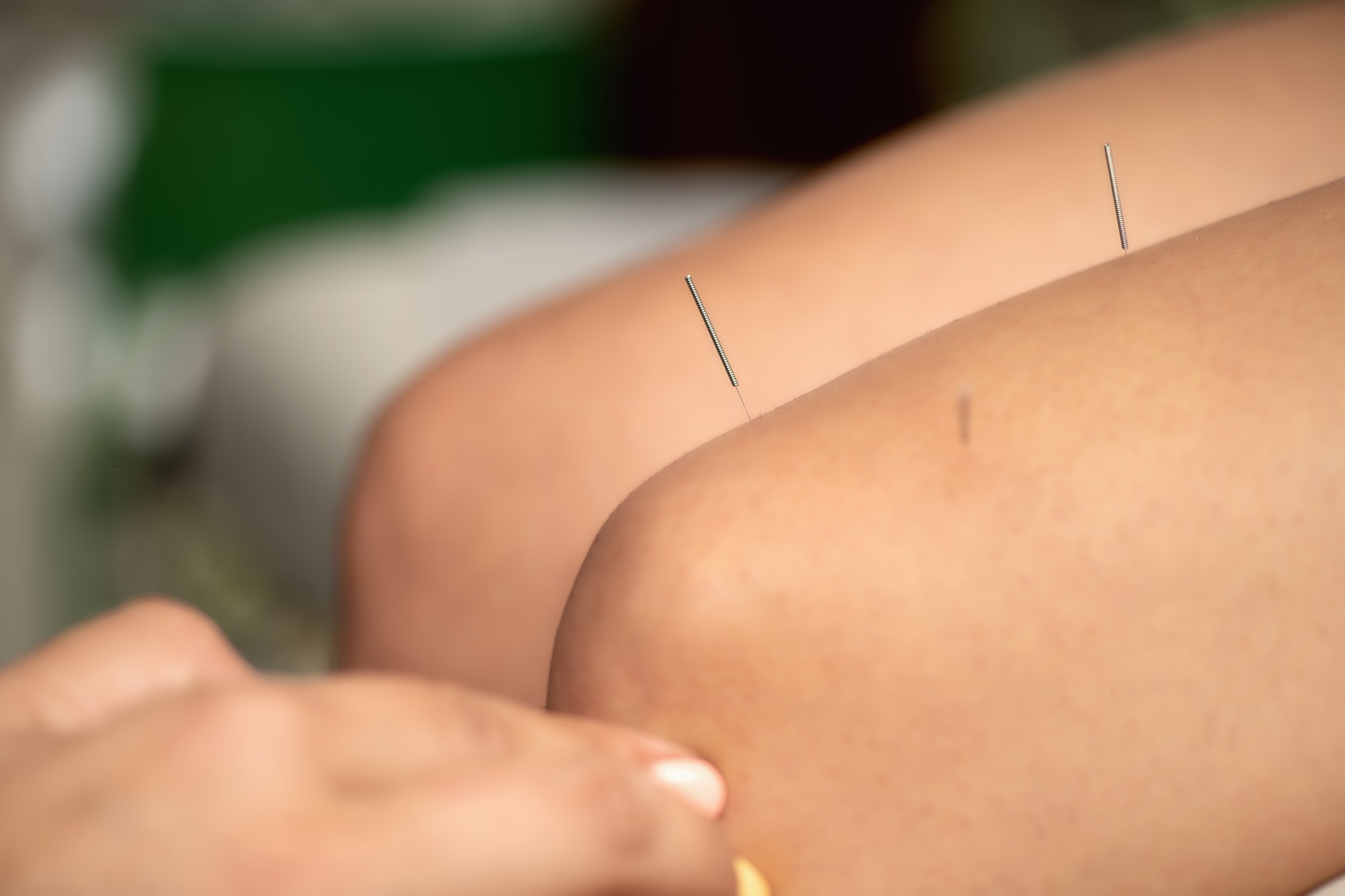
During your acupuncture session, you’ll lie comfortably on a treatment bed. The practitioner will gently place tiny needles on your knee and sometimes on other parts of your body connected to the pain. These specific points are carefully chosen based on TCM diagnosis.
You’ll rest for 20–30 minutes while the treatment works. Many people feel relaxed, lighter, and even notice less pain right away. Most patients feel better after a few sessions, with continued improvement over time.
Real Experiences from Our Patients
We’ve helped many people just like you find relief.
One patient, Mr. Tan, came to us with knee pain from an old sports injury. He dealt with chronic stiffness every morning. After six sessions of acupuncture and some herbal therapy, he said, “I can finally walk my dog again without pain.”
Another patient, a 65-year-old woman with knee arthritis, told us she was able to avoid surgery thanks to her acupuncture sessions. Her symptoms reduced, her sleep improved, and she could enjoy gardening again.
Trust G&G TCM for Your Healing
At G&G TCM, we bring together traditional Chinese medicine and modern care to give you the best of both worlds. Our team is trained, licensed, and passionate about helping people heal naturally. With years of experience, proven techniques, and many happy patients, we’re confident we can help you too. Read also our blog about acupuncture for back pain.
FAQs Section
Is acupuncture really effective for knee pain?
Yes, acupuncture has been shown to help reduce knee pain—especially for people with arthritis, injuries, or chronic inflammation. It improves blood flow, relaxes muscles, and triggers your body’s natural healing system. Many people report feeling better after just a few sessions.
How many sessions will I need to feel better?
It depends on the cause and how long you’ve had the pain. Some people feel relief after 1–2 sessions, while others may need 6–10 treatments for full results. At G&NG TCM, we’ll create a treatment plan that fits your body and your condition.
Is acupuncture safe for older adults with arthritis?
Yes. Acupuncture is gentle and safe for all ages, including seniors. It’s often recommended for people who want natural pain relief without strong medications or surgery. Our team at G&NG TCM has experience treating elderly patients with knee arthritis.
Can acupuncture help if I’ve had knee surgery in the past?
Yes. Acupuncture is often used as a natural recovery support after surgery. It can help reduce swelling, ease pain, and improve your knee’s range of motion during the healing process.
Acupuncture for back pain is a therapeutic approach within Traditional Chinese Medicine (TCM) that uses fine, sterile needles inserted at specific body points (acupoints) to relieve pain, enhance circulation, and stimulate the body’s natural healing mechanisms.
At G&G TCM Medical Singapore, acupuncture is performed by certified TCM physicians trained in anatomy, meridian theory, and pain management, ensuring both safety and measurable relief for conditions like lower back pain, sciatica, and muscle tension.
How Acupuncture Relieves Back Pain
The TCM Perspective
In Traditional Chinese Medicine, back pain often arises from Qi (energy) stagnation, blood stasis, or kidney deficiency. When Qi flow in the meridians is blocked, pain and stiffness appear.
Acupuncture helps by:
Unblocking meridians to restore natural energy flow
Reduces nerve sensitivity associated with chronic pain
Common Types of Back Pain Treated with Acupuncture
Type of Back Pain
Common Symptoms
Typical Acupoints Used
Expected Outcomes
Lower Back Pain (Lumbago)
Dull ache, stiffness
BL23, BL25, GV3
Relieves pain and improves flexibility
Sciatica
Radiating pain down leg
BL40, GB30, BL54
Reduces nerve pressure and restores function
Muscle Strain
Tightness, soreness
Ashi points, SI3, BL60
Loosens muscles and reduces inflammation
Postural Back Pain
Pain from long sitting
BL17, GV4, GB34
Corrects alignment and relaxes tissues
Acupuncture is also used in combination with Tuina massage, moxibustion, or herbal therapy for long-term results.
Research and Clinical Evidence
Several modern studies have demonstrated acupuncture’s effectiveness for chronic and acute back pain:
A 2020 study in Annals of Internal Medicine found that acupuncture reduced chronic back pain intensity by up to 50% compared to standard physiotherapy.
A Singapore-based clinical trial (National University Health System, 2021) showed that acupuncture improved mobility scores and reduced pain medication dependency after just 6 sessions.
According to the World Health Organization (WHO), acupuncture is recognized as a proven therapy for lumbar pain, sciatica, and muscle spasm.
At G&G TCM Medical, our experienced practitioners combine modern diagnostic methods with classical TCM theory to ensure evidence-based, personalized pain relief.
Step-by-Step: What Happens During an Acupuncture Session
Initial Consultation – The TCM doctor performs a health assessment using pulse and tongue diagnosis to identify the root cause of pain.
Treatment Planning – A customized acupuncture plan is created, targeting specific meridians linked to the lower back and kidneys.
Needle Insertion – Fine, sterile needles are inserted at precise points; sensations of warmth or tingling may occur.
Stimulation & Relaxation – The needles remain for 20–30 minutes while energy flow is balanced.
Post-Treatment Advice – The practitioner may suggest stretching, posture correction, or herbal therapy to maintain results.
Duration: Most patients notice improvement after 3–5 sessions, depending on the chronicity of the pain.
Benefits of Acupuncture for Back Pain
Provides natural pain relief without drugs or surgery
Improves range of motion and flexibility
Reduces stress and muscle tension
Supports nerve recovery and tissue repair
Promotes whole-body wellness and energy balance
Complementary Treatments
For patients with related conditions such as sleep disturbance or anxiety, acupuncture can also be combined with other therapies. Explore our article on acupuncture for insomnia treatment to see how acupuncture promotes holistic healing beyond pain management.
Case Study: Chronic Lower Back Pain Recovery
Patient Profile:
Age: 45-year-old office worker
Symptoms: 2-year history of lower back stiffness and numbness in right leg
Results: After 5 weeks, patient reported 70% reduction in pain intensity and improved flexibility. Follow-up MRI showed reduced muscle tension in lumbar region. This demonstrates the synergistic benefits of integrating acupuncture and TCM herbal therapy for chronic pain management.
Actionable Tips: Maintaining a Healthy Back After Acupuncture
Maintain good posture during work and sleep
Practice gentle stretching or yoga daily
Avoid prolonged sitting or heavy lifting
Stay hydrated and eat anti-inflammatory foods
Schedule regular TCM checkups to maintain body balance
(Tip: Your TCM doctor can also recommend herbal supplements to support muscle recovery and prevent relapse.)
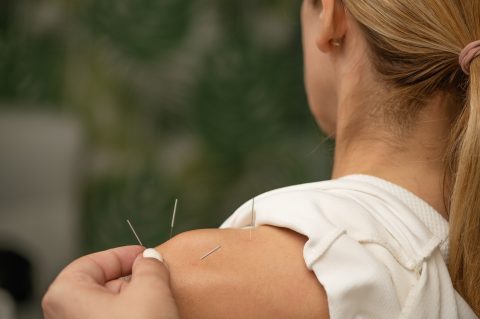
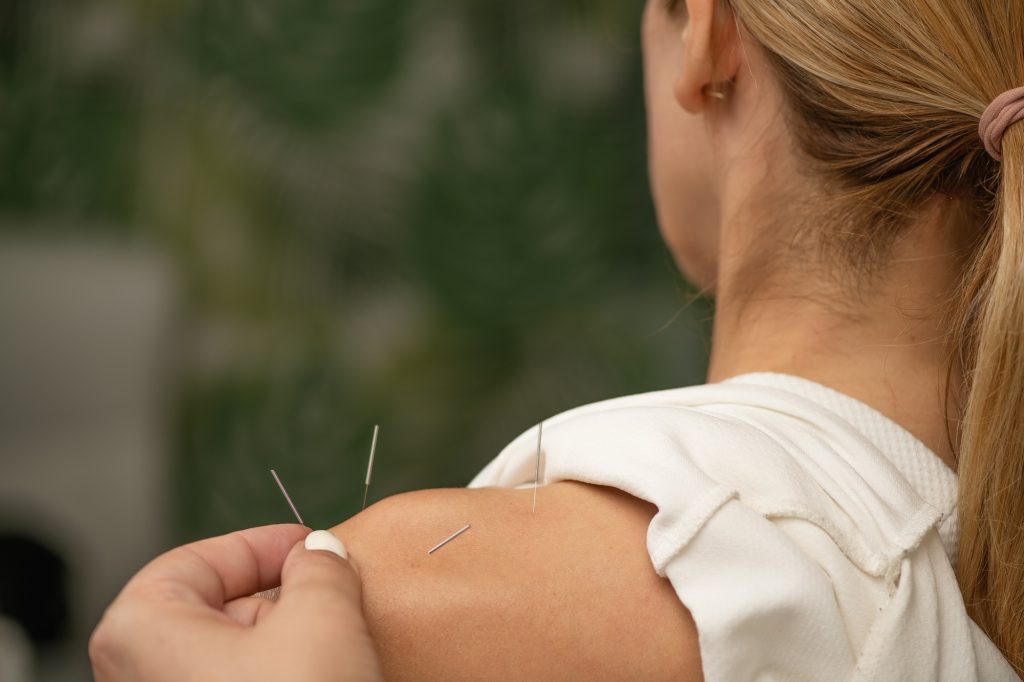
Acupuncture treatment for chronic shoulder pain
Conclusion: Natural, Safe, and Proven Relief with G&G TCM Medical
Acupuncture is more than a pain management tool, it’s a holistic system that restores energy balance, strengthens internal organs, and promotes long-term spinal health. At G&G TCM Medical Singapore, our certified TCM practitioners combine traditional expertise with modern evidence to provide safe, effective solutions for back pain, sciatica, and spinal tension. Experience the healing benefits of acupuncture today, visit our Chinatown clinic or reach out for a consultation: Contact Us or Learn More About Our Services.
FAQs Section
Is acupuncture painful?
No. Most patients describe the sensation as a mild tingling or dull ache that quickly subsides. The needles used are extremely fine and professionally handled.
How many sessions are needed for relief?
Mild cases may improve within 3–5 treatments, while chronic conditions could require 8–10 sessions for lasting benefits.
Can acupuncture be combined with physiotherapy or medication?
Yes. Many patients use acupuncture alongside physiotherapy or Western treatments to enhance recovery. Always inform your practitioners to coordinate care safely.
Are there any side effects?
When performed by licensed TCM doctors, side effects are rare and minor (slight redness or soreness at needle sites).
Who should avoid acupuncture?
Patients with bleeding disorders, pacemakers, or severe infections should consult their physician before undergoing treatment.