Integrating TCM in modern healthcare refers to the systematic combination of time-tested Traditional Chinese Medicine (TCM) therapies with contemporary medical practices to enhance patient outcomes, preventive care, and long-term wellness. Rather than replacing conventional medicine, integrating TCM in modern healthcare focuses on collaboration, using the strengths of both systems to address complex, chronic, and lifestyle-related health conditions. As global healthcare systems shift toward personalized and preventive models, the integration of TCM has gained increasing recognition among hospitals, clinics, and patients seeking holistic yet clinically responsible care.
What Does Integrating TCM in Modern Healthcare Mean?
Integrating TCM in modern healthcare means applying Traditional Chinese Medicine principles alongside biomedical diagnostics and treatments in a coordinated, patient-centered manner.
This integration commonly includes:
Combining TCM therapies with conventional medical treatment plans
Using modern diagnostics to guide traditional interventions
Emphasizing prevention, lifestyle balance, and long-term health
Core TCM Modalities Used in Modern Healthcare Settings
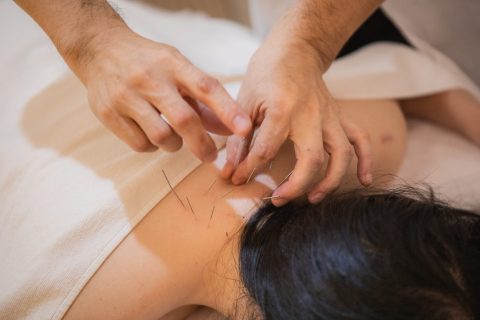
Acupuncture and electro-acupuncture
Herbal medicine (standardized and regulated)
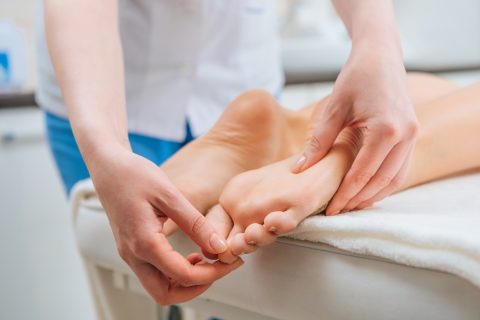
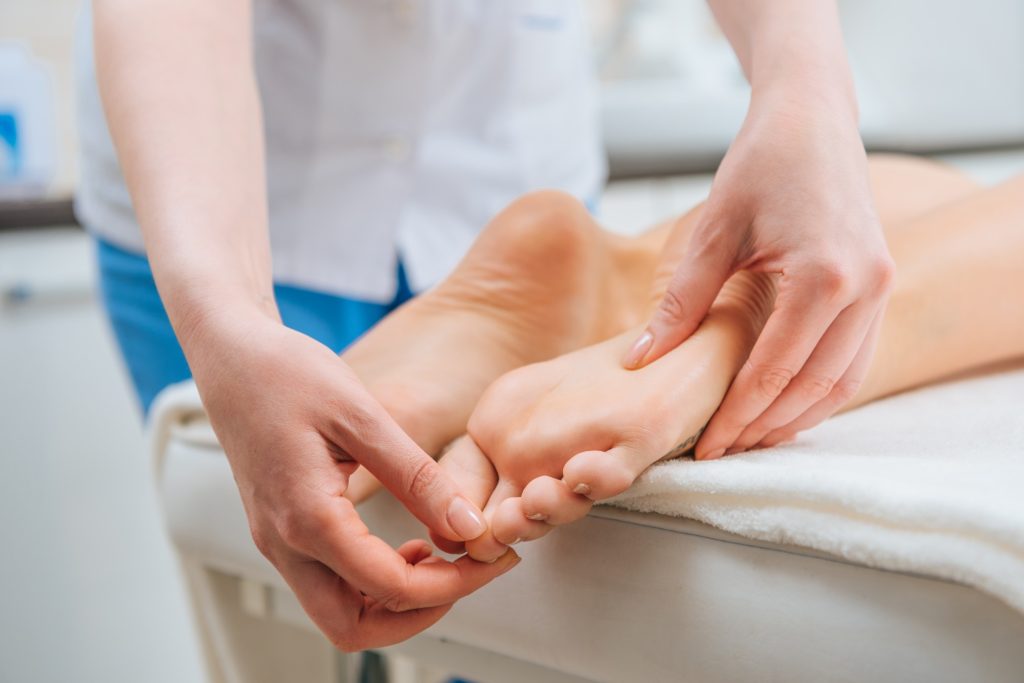
Tui Na therapeutic massage
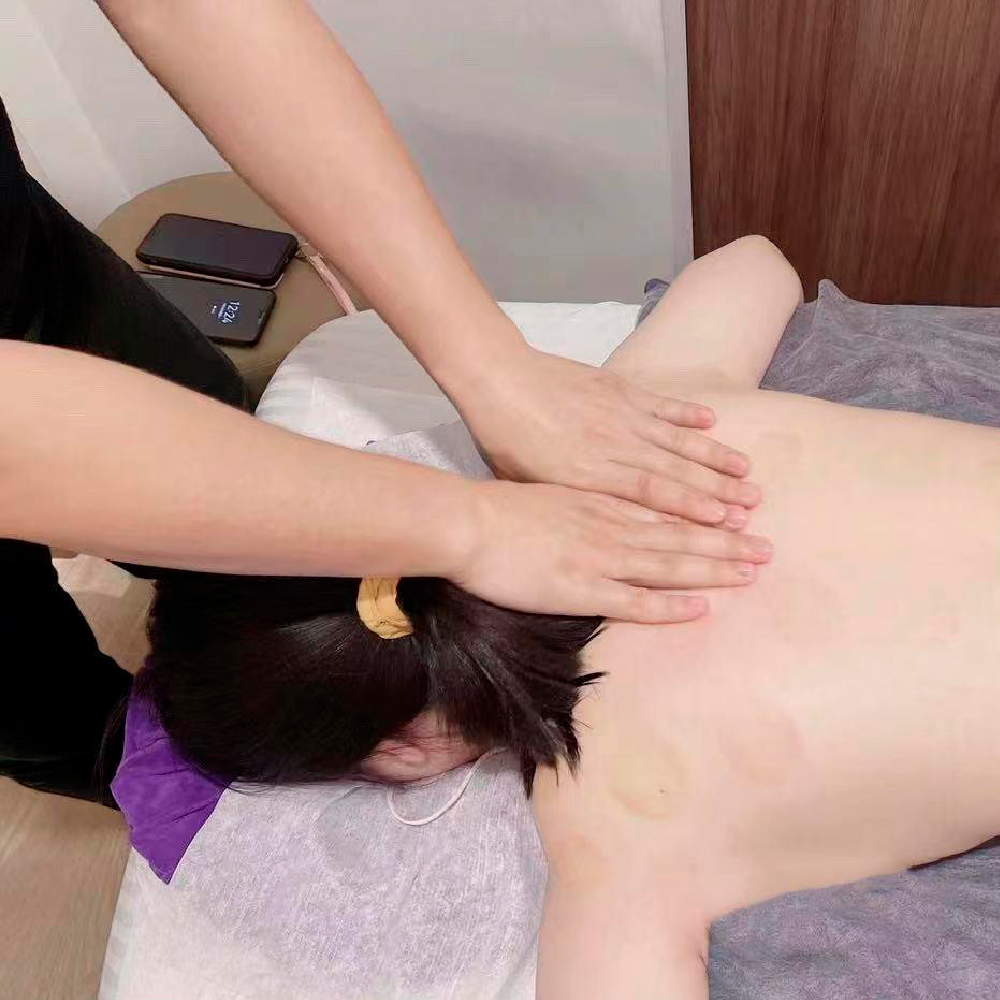
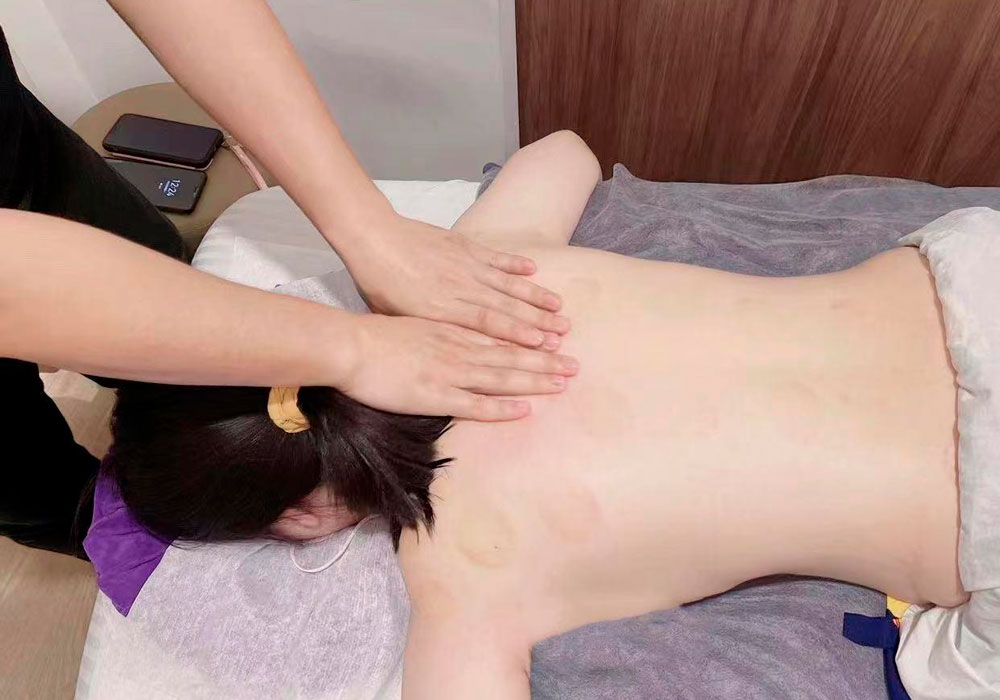
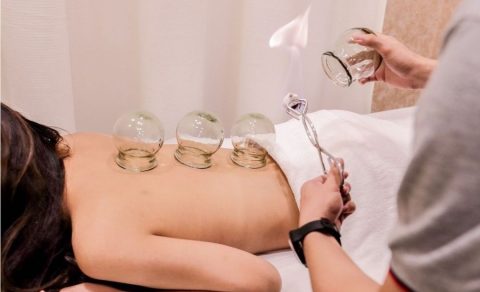
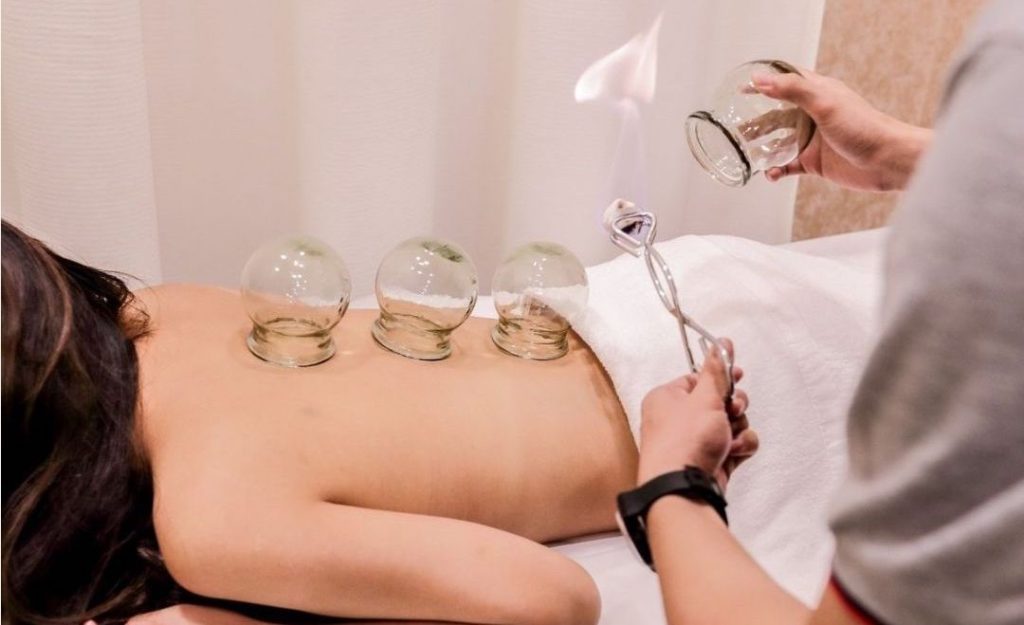
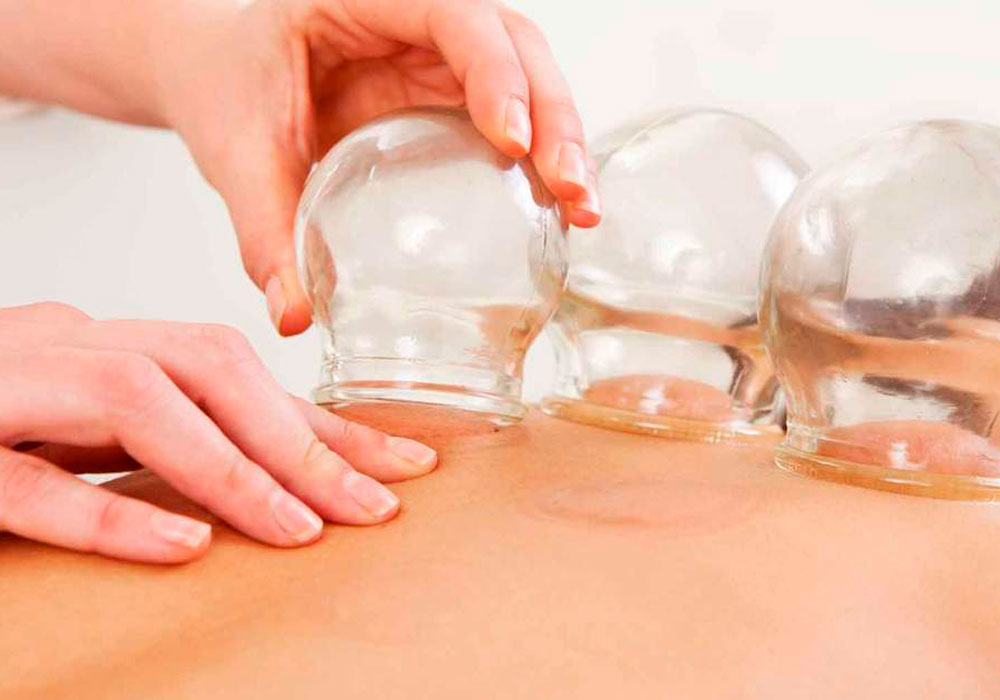
Cupping and moxibustion
Dietary therapy and lifestyle counseling
These modalities are increasingly used in integrative clinics, rehabilitation centers, and wellness-focused medical institutions.
Why Integrating TCM in Modern Healthcare Is Gaining Global Attention
The growing interest in integrating TCM in modern healthcare is driven by several global healthcare challenges that conventional medical systems alone often struggle to address. As healthcare costs rise and chronic conditions become more prevalent, patients and providers alike are seeking more comprehensive, preventive, and patient-centered care models.
Integrating TCM in modern healthcare offers a complementary approach that emphasizes early intervention, lifestyle regulation, and whole-body balance, making it especially relevant for managing long-term conditions, stress-related disorders, and age-associated health issues. This integrative model aligns well with global trends toward personalized medicine, value-based care, and improved quality of life rather than symptom-focused treatment alone.
Rising Chronic Disease Burden
According to the World Health Organization, over 70% of global deaths are caused by chronic non-communicable diseases such as cardiovascular disease, diabetes, and musculoskeletal disorders. These conditions often require long-term management rather than short-term treatment, placing a significant burden on healthcare systems worldwide.
Integrative approaches that combine symptom management with root-cause prevention are increasingly valued because many chronic diseases are closely linked to lifestyle factors, stress, inflammation, and functional imbalance. Integrating TCM in modern healthcare helps address these underlying contributors through personalized treatment, lifestyle guidance, and regulation of bodily systems, offering a more sustainable strategy for long-term health management and improved patient quality of life.
Patient Demand for Holistic Care
Modern patients seek care that addresses:
Physical symptoms
Mental and emotional wellbeing
Lifestyle and stress factors
TCM naturally complements this demand by focusing on balance, system regulation, and individualized treatment.
Integrating TCM in Modern Healthcare: Evidence and Clinical Outcomes
Research and Clinical Observations
A 2022 integrative medicine review found that combining acupuncture with conventional treatment reduced chronic pain scores by 30–50% compared to standard care alone.
Hospital-based integrative programs in Asia and Europe report improved patient satisfaction, reduced medication dependence, and shorter recovery times for musculoskeletal and post-operative patients.
Case Example (Integrative Musculoskeletal Care)
Aspect
Conventional Care
Integrated TCM Approach
Pain Management
Analgesics
Acupuncture + Tui Na
Recovery Time
Moderate
Faster functional recovery
Long-Term Outcome
Symptom control
Reduced recurrence
Safety, Regulation, and Professional Standards
Integrating TCM in modern healthcare requires:
Licensed and professionally trained TCM practitioners
Standardized herbal formulations
Clear communication between healthcare providers
Patient education and informed consent
Countries like Singapore, China, and several EU nations have established regulatory frameworks to ensure TCM integration meets modern healthcare safety standards.
The Role of Specialized Integrative TCM Clinics
Dedicated integrative clinics play a critical role in bridging traditional and modern care. These clinics combine clinical expertise, evidence-based practice, and holistic philosophy under one coordinated system. You can explore how this integration works in practice through Traditional Chinese Medicine and Modern Healthcare, which highlights real-world applications of integrative TCM care in a modern clinical setting.
How Patients Can Benefit from Integrating TCM in Modern Healthcare
Patients who choose integrative care often experience:
More personalized treatment plans
Improved symptom management
Reduced reliance on long-term medication
Better quality of life and functional health
Conclusion: Why Integrating TCM in Modern Healthcare Matters
Integrating TCM in modern healthcare represents a forward-thinking approach that combines traditional wisdom with scientific rigor. By addressing both symptoms and underlying imbalances, integrative care supports sustainable health outcomes and patient-centered healing.At GNG TCM, we specialize in delivering integrative Traditional Chinese Medicine services that align with modern healthcare standards, evidence-based practice, and individualized patient needs. If you are considering a holistic yet medically responsible approach to your health, we welcome you to learn more about our services and speak directly with our professional team through our official contact page.
FAQs Section
Is integrating TCM with modern healthcare safe?
Yes. When provided by licensed practitioners and coordinated with medical professionals, integrative TCM care is considered safe and effective.
Can TCM replace conventional medical treatment?
No. Integrating TCM in modern healthcare is designed to complement—not replace—modern medical care.
What conditions benefit most from integrative TCM care?
Chronic pain, stress-related disorders, musculoskeletal issues, digestive conditions, and preventive health programs benefit most.
Is integrative TCM supported by research?
Yes. Growing clinical evidence supports acupuncture, herbal medicine, and manual therapy as complementary treatments when properly integrated.
Do I need a referral to see an integrative TCM practitioner?
In most clinics, no referral is required, but coordination with your primary healthcare provider is recommended.
What to Expect in a TCM Consultation is a common question for first-time patients exploring Traditional Chinese Medicine. A TCM consultation is a holistic health assessment that examines not only your symptoms, but also your lifestyle habits, emotional balance, digestion, sleep quality, and overall constitution. Unlike Western evaluations that focus on isolated symptoms, TCM identifies underlying disharmonies that disrupt the body’s natural equilibrium.
During the consultation, a licensed TCM physician uses classical diagnostic techniques—tongue assessment, pulse reading, physical observation, and detailed questioning—to uncover root causes. Understanding what to expect in a TCM consultation helps reduce anxiety and ensures you are fully prepared for the healing process.
What to Expect in a TCM Consultation: Key Diagnostic Methods
Initial Interview
The first step in what to expect in a TCM consultation is a comprehensive conversation with your physician. This includes:
Current symptoms and duration
Energy level and emotional state
Sleep patterns and appetite
Menstrual cycle (for female patients)
Work routines and lifestyle habits
Past treatments and medications
This initial discussion helps physicians link symptoms to pattern imbalances such as qi deficiency, yin deficiency, dampness, or stagnation.
Physical Observation
Another essential part of what to expect in a TCM consultation is observation. The physician may note:
Facial complexion
Voice tone and breathing
Body posture
Skin or eye condition
Overall vitality
These external signs reflect internal organ health and circulation.
Tongue Diagnosis
Tongue diagnosis in Traditional Chinese Medicine (TCM) is a diagnostic method that evaluates a patient’s internal health by observing the tongue’s color, shape, coating, and moisture. The tongue is believed to reflect the condition of the body’s organs, qi, blood, and body fluids. Variations such as a pale or red tongue, swollen or thin shape, and thick or thin coating can indicate patterns like heat, cold, deficiency, dampness, or stagnation. Because these visual changes often appear before symptoms become noticeable, tongue diagnosis provides practitioners with a quick and reliable insight into overall health and underlying imbalances.
Below is a table summarizing what to expect in a TCM consultation regarding tongue assessment:
Aspect Observed
Interpretation
Color
Heat, cold, deficiency, stagnation
Shape
Fluid balance, blood flow, qi strength
Coating
Digestive function, dampness, phlegm
Cracks or Spots
Chronic imbalances
A thick yellow coating, for example, often signals damp-heat, while a pale tongue may indicate qi and blood deficiency.
Pulse Diagnosis
Pulse reading is another major element of what to expect in a TCM consultation. The physician assesses 28 classical pulse qualities across three wrist positions to evaluate:
Organ strength
Circulation
Temperature imbalances
Stress levels
Dampness or stagnation
Combined with tongue assessment, pulse diagnosis forms a complete picture of internal patterns.
What to Expect in a TCM Consultation: Treatment Planning
Once the diagnosis is clear, your physician will explain your body pattern and present a tailored treatment plan. This may include:
Acupuncture for pain relief, stress, insomnia, menstrual balance
Tui Na massage for muscle tension
Herbal medicine for digestion, sleep, immunity, and women’s health
Cupping or Gua Sha for stagnation and detoxification
Moxibustion for cold-related issues (learn more via our internal article: moxibustion therapy)
Lifestyle and dietary recommendations based on your constitution
This step-by-step explanation is central to what to expect in a TCM consultation because personalisation is the foundation of TCM.
What to Expect in a TCM Consultation: Step-by-Step Timeline
Here is a simple breakdown of what to expect in a TCM consultation from beginning to end:
Arrival and registration
Health interview and symptom analysis
Tongue and pulse examination
Diagnosis explanation
Treatment on the same day (optional)
Herbal prescription if needed
Lifestyle recommendations
Scheduling follow-up sessions
Most consultations last 45–75 minutes depending on complexity.
How to Prepare: What to Expect in a TCM Consultation Before Your Visit
Pregnant patients, individuals with bleeding disorders, or those with acute infections should inform the physician beforehand.
Case Example to Illustrate What to Expect in a TCM Consultation
A 32-year-old professional visits a TCM clinic with chronic headaches and persistent fatigue. During the consultation, the practitioner reviews her lifestyle, diet, sleep patterns, and stress levels, followed by tongue and pulse diagnosis. Her tongue appears slightly pale with a thin white coating, and her pulse feels weak—signs commonly associated with qi and blood deficiency. The practitioner explains that prolonged stress and irregular sleep may be draining her energy. A personalized treatment plan is then recommended, which may include acupuncture to improve circulation, herbal formulas to tonify qi and blood, and lifestyle adjustments such as regular meals, better sleep hygiene, and stress-reduction practices.
Findings:
Tongue: red edges, thin white coating
Pulse: wiry, rapid
Lifestyle: long working hours, high stress
In this case, the practitioner diagnoses the patient with liver qi stagnation with rising yang, a pattern often linked to stress, tension, and emotional strain. The treatment plan includes acupuncture to regulate qi flow, Tui Na to release muscle tension, and a customized herbal formula to calm rising yang. After four treatment sessions, the patient reports a 60% improvement in headache intensity and energy levels. This real scenario illustrates what to expect in a TCM consultation when managing stress-related conditions, showing how a tailored combination of therapies can effectively address underlying imbalances.
Conclusion
Understanding what to expect in a TCM consultation helps you feel more confident and prepared for your first visit. Through comprehensive diagnostic methods—such as pulse reading, tongue analysis, and lifestyle assessment—practitioners can identify underlying imbalances and create a personalised treatment plan. This plan may include acupuncture, herbal medicine, cupping, moxibustion, or Tui Na, all designed to support your body’s natural healing processes. By addressing the root cause rather than just the symptoms, TCM promotes deeper recovery and long-term wellness. If you would like to explore our therapies or book a consultation, please visit our website. For direct assistance or to schedule an appointment, you may reach us through our contact page.
FAQs Section
Does a TCM consultation hurt?
No. Consultations are non-invasive.
How long does the first session last?
Around 45–75 minutes.
Can I do acupuncture on the first visit?
Yes, in most clinics.
Is TCM safe?
Licensed physicians follow strict hygiene and MOH guidelines.
How many sessions are needed?
Depends on the condition—acute issues respond faster than chronic ones.