

Acupuncture aftercare refers to the simple steps you can take after a treatment session to support comfort, monitor your body’s response, and reduce the risk of unnecessary discomfort. Understanding what to avoid after acupuncture can help you make better decisions about exercise, food, daily activities, and rest.
Although many people return to their normal routines shortly after acupuncture, others may experience temporary tiredness, mild soreness, light-headedness, or small bruises around the treated areas. These reactions can vary depending on the individual, treatment technique, and personal health condition.
At G&G TCM Medical, acupuncture is part of a broader Traditional Chinese Medicine (TCM) approach to pain management and wellness. Knowing how to care for yourself after a session is an important part of making informed decisions about your treatment and overall health.
1. Avoid Strenuous Exercise Immediately After Acupuncture
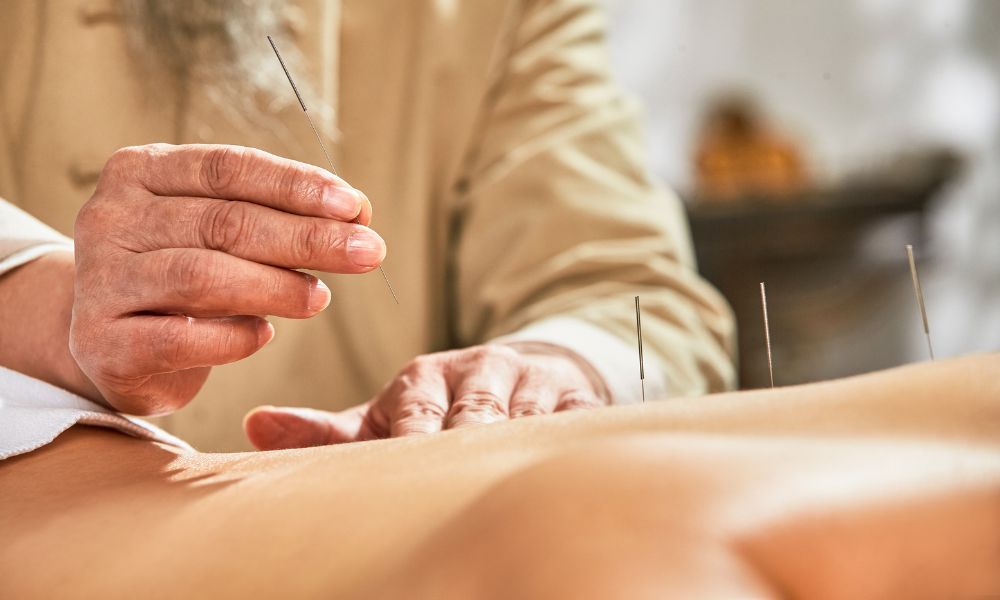
One of the most important things to avoid after acupuncture is intense physical activity, particularly if you feel tired, sore, or light-headed.
After treatment, some individuals may feel relaxed or experience temporary muscle tenderness. Going straight into demanding physical activities may make existing discomfort more noticeable.
Why Should You Avoid Intense Exercise?
Strenuous activities place additional demands on your muscles and body. If you are already experiencing temporary fatigue after acupuncture, intense exercise may make you feel more uncomfortable.
Activities to postpone if you do not feel fully recovered include:
- Heavy weightlifting.
- High-intensity interval training (HIIT).
- Long-distance running.
- Intense sports training.
- Physically demanding workouts.
This does not mean you must remain inactive throughout the day. Gentle walking and ordinary daily movements are generally suitable if you feel comfortable.
2. Avoid Drinking Alcohol After Acupuncture
Another recommendation is to avoid alcohol immediately after acupuncture, particularly on the day of treatment.
Alcohol can affect alertness, coordination, and hydration. These effects may make it harder to distinguish normal post-treatment tiredness from other symptoms.
How Can Alcohol Affect Your Recovery?
Some people experience mild dizziness or fatigue after acupuncture. Alcohol may worsen these sensations and make it difficult to assess how they are feeling.
It is also important to remember that alcohol can interact with certain medications and herbal products.
For these reasons, avoiding alcohol after acupuncture is a sensible precaution.
If you take prescription medication or Chinese herbal products, discuss possible interactions with an appropriate healthcare professional.
3. Avoid Skipping Meals After Acupuncture
Skipping meals is another habit worth avoiding after an acupuncture session.
Your body still requires regular nutrition to support normal daily functions. Going for long periods without eating may contribute to weakness, fatigue, or light-headedness, particularly if you have not eaten enough before your appointment.
What Should You Eat After Acupuncture?
There is generally no need for a special recovery diet following a routine acupuncture session.
Instead, focus on balanced meals containing:
- Protein from eggs, fish, tofu, or lean meat.
- Vegetables and fruits.
- Whole grains such as brown rice or oats.
- Healthy fats from nuts and seeds.
You should also drink water according to your normal needs.
There is no established requirement to consume excessive amounts of water after acupuncture. Maintaining your usual hydration habits is generally sufficient unless your healthcare professional has provided different instructions.
4. Avoid Excessive Heat If the Treated Area Feels Sensitive
Some people prefer taking a hot shower, visiting a sauna, or using a hot tub after a treatment session.
However, excessive heat may not be comfortable if the treated area is already sensitive or if you feel light-headed.
Should You Shower After Acupuncture?
Guidance on showering after acupuncture can differ between healthcare providers.
For example, TTSH recommends avoiding showers within two hours after acupuncture, while Sengkang General Hospital states that patients can shower as usual after treatment.
This difference highlights why following the specific instructions provided by your treating practitioner is important.
If you have small areas of bleeding, skin irritation, or tenderness, ask your practitioner how to care for the treated area.
Other activities to approach carefully include:
- Visiting a sauna immediately after treatment.
- Taking extremely hot baths.
- Using hot tubs when treated skin is irritated.
- Applying strong heat directly to sensitive areas.
5. Avoid Rubbing or Scratching the Needle Sites
After acupuncture, you may notice mild tenderness, itching, or sensitivity around the areas where the needles were inserted.
These sensations are sometimes temporary. However, repeatedly touching, rubbing, or scratching the treated areas can cause additional irritation.
How Should You Care for Needle Sites?
Simple skin care is usually sufficient.
Consider these precautions:
- Keep the treated areas clean.
- Avoid scratching irritated skin.
- Do not apply unapproved creams or products.
- Avoid aggressive massage over sensitive areas.
- Follow your practitioner’s instructions if minor bleeding occurs.
Minor bruising or slight bleeding can happen after acupuncture. However, increasing redness, swelling, warmth, or worsening pain should not be ignored.
If these symptoms develop, seek appropriate medical advice.
6. Avoid Driving or Operating Machinery If You Feel Dizzy
Although acupuncture is generally well tolerated, some individuals experience temporary drowsiness or light-headedness.
This is particularly important to consider before driving, cycling in traffic, or operating machinery.
Why Is This Important?
Your ability to concentrate and respond quickly may be affected when you feel unusually tired or dizzy.
If you experience these sensations:
- Sit down and rest.
- Tell your acupuncture practitioner.
- Wait until you feel fully alert before travelling independently.
- Arrange assistance with transportation if necessary.
Never assume that you are ready to drive simply because your appointment has finished.
7. Avoid Ignoring Unusual Symptoms After Treatment
Mild and temporary reactions can occur after acupuncture. However, not every symptom should automatically be considered a normal response.
Understanding the difference between common reactions and warning signs is important for safe aftercare.
What Reactions Can Occur After Acupuncture?
Some possible temporary reactions include:
- Mild soreness around the treated area.
- Small bruises.
- Minor bleeding.
- Temporary tiredness.
- Light-headedness.
- Mild nausea.
These experiences do not necessarily indicate a problem, but persistent or worsening symptoms should be discussed with a healthcare professional.
When Should You Seek Medical Attention?
Seek prompt medical assessment if you experience:
- Increasing redness or swelling around a treated area.
- Fever or signs of infection.
- Persistent or worsening pain.
- Unusual or prolonged bleeding.
Sudden chest pain, difficulty breathing, fainting, or severe allergic symptoms require urgent medical attention.
Do not wait for your next acupuncture appointment if you experience serious symptoms.
8. Avoid Changing Your Medication Without Professional Advice
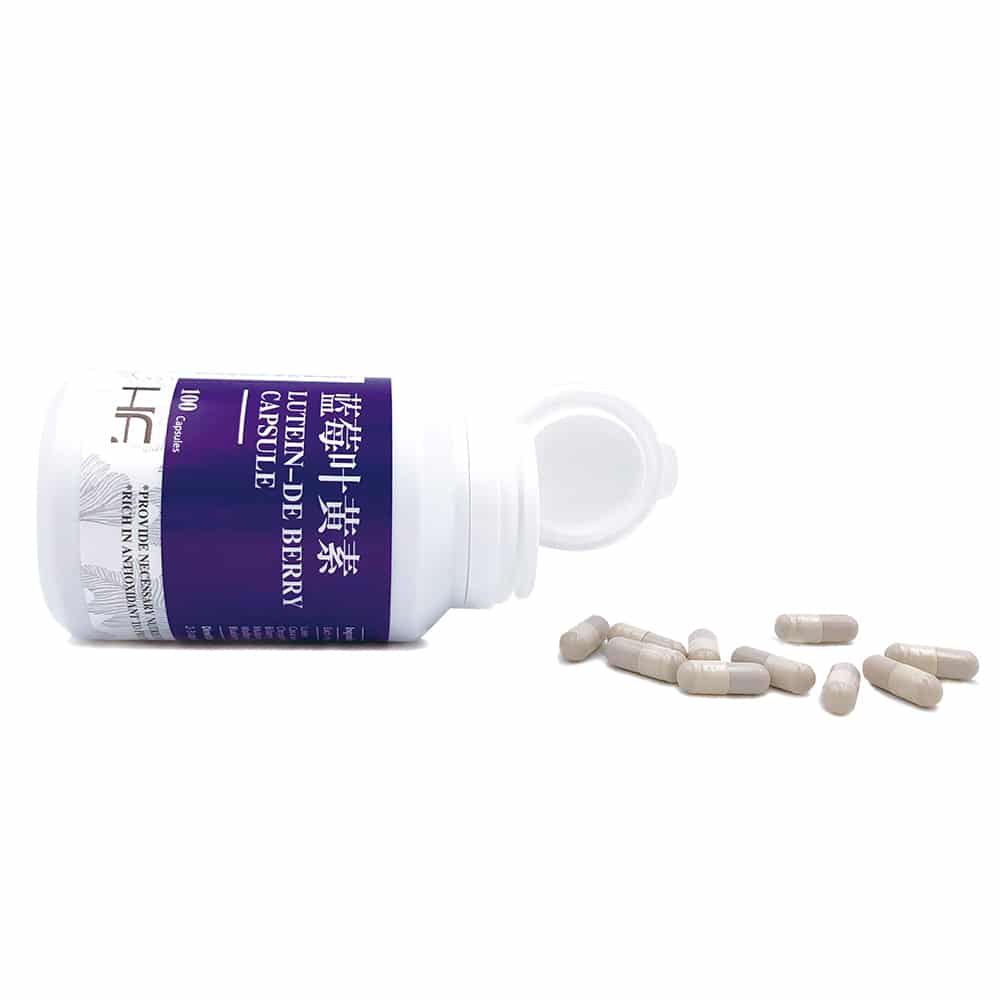
Some people receive acupuncture alongside other healthcare treatments. This may include prescription medication, physiotherapy, or Traditional Chinese Medicine therapies.
However, receiving acupuncture does not mean that you should stop or change other treatments.
Why Should You Discuss Medication Changes?
Your prescribed medication may be important for managing an existing health condition.
Stopping medication without professional advice can affect your health and treatment progress.
Before combining acupuncture with other treatments, inform your healthcare providers about:
- Prescription medication.
- Over-the-counter medication.
- Chinese herbal products.
- Existing medical conditions.
- Previous treatment reactions.
This information allows your healthcare providers to consider possible interactions and make appropriate recommendations.
What Should You Do After Acupuncture Instead?
Knowing what to avoid is useful, but understanding what you can do is equally important.
A simple aftercare routine can help you stay comfortable while monitoring your body’s response.
| Aftercare activity | Recommendation |
|---|---|
| Drinking water | Maintain normal hydration |
| Eating | Have balanced, regular meals |
| Exercise | Choose gentle activity if comfortable |
| Rest | Take a break if you feel tired |
| Showering | Follow your practitioner’s instructions |
| Skin care | Keep treated areas clean |
| Medication | Follow your prescribed treatment plan |
| Follow-up | Discuss persistent symptoms with your practitioner |
A Simple Post-Acupuncture Routine
You can use the following routine as a general guide:
Step 1: Take a short break
After your appointment, allow yourself time to sit and relax, especially if you feel tired.
Step 2: Drink water and eat normally
Maintain your regular eating and drinking habits rather than following unnecessary dietary restrictions.
Step 3: Keep physical activity comfortable
Avoid strenuous exercise if you feel sore, dizzy, or unusually tired.
Step 4: Monitor your symptoms
Notice whether your original symptoms improve, remain unchanged, or become worse.
Step 5: Follow professional advice
Contact your practitioner if you have questions about your recovery or need clarification about aftercare.
How Does Acupuncture Fit Into Traditional Chinese Medicine?
Acupuncture is one of the established treatment methods used in Traditional Chinese Medicine.
It involves inserting fine, sterile needles into selected points on the body. In traditional Chinese medicine, these points are associated with meridians and the movement of Qi.
From a modern medical perspective, research suggests that acupuncture may influence pain-processing pathways and other physiological responses. However, its effects vary depending on the condition, individual, and quality of treatment.
At G&G TCM Medical, acupuncture forms part of a broader approach to personalized TCM care.
Patients interested in understanding the treatment can explore the clinic’s acupuncture treatment service to learn more about the available approach.
Can Acupuncture Be Combined With Other TCM Treatments?
Depending on an individual’s needs and professional assessment, acupuncture may be considered alongside other TCM approaches.
One example is Tuina, a traditional Chinese therapeutic technique involving manual pressure, kneading, and movement.
Unlike acupuncture, Tuina does not involve inserting needles.
People interested in learning about this complementary approach can explore our service at G&G TCM Medical.
However, combining treatments is not necessary for everyone. A qualified practitioner should determine whether additional therapy is appropriate.
Pro Tips: 7 Things to Remember After Acupuncture
If you cannot remember every aftercare recommendation, focus on these seven practical points:
- Avoid strenuous exercise if you feel tired or uncomfortable.
- Avoid alcohol on the day of treatment.
- Eat regular, balanced meals.
- Maintain normal hydration.
- Avoid rubbing or scratching sensitive needle sites.
- Do not drive if you feel dizzy or drowsy.
- Follow your practitioner’s instructions and seek medical advice for concerning symptoms.
The most important principle is to listen to your body without assuming that every unusual sensation is part of the healing process.
Conclusion: Follow the Right Aftercare Guidance With G&G TCM Medical
Understanding what to avoid after acupuncture can help you make informed decisions about your daily activities following treatment. Avoiding strenuous exercise when uncomfortable, limiting alcohol, maintaining regular meals, and monitoring unusual symptoms are practical ways to support your well-being.
Remember that acupuncture aftercare is not identical for everyone. Your health condition, treatment method, and individual response all influence the recommendations you should follow.
At G&G TCM Medical, personalized Traditional Chinese Medicine care includes approaches such as acupuncture and Tuina therapy for individuals seeking professional guidance on pain management and wellness.
If you are considering acupuncture or would like to understand whether it may suit your needs, visit G&G TCM to explore its services and arrange a consultation.
Taking an informed approach to treatment and aftercare is an important step towards making thoughtful decisions about your health.
FAQs Section
What should you avoid immediately after acupuncture?
Avoid strenuous exercise, alcohol, and activities that cause excessive fatigue. Rest if you feel tired or uncomfortable.
Can I shower after acupuncture?
Yes, but follow your practitioner’s advice. Avoid extremely hot showers if your skin feels sensitive after treatment.
Can I exercise after acupuncture?
Yes. Gentle activities such as walking are generally fine if you feel comfortable. Avoid intense workouts if you experience soreness or dizziness.
Why should I avoid alcohol after acupuncture?
Alcohol can affect hydration, coordination, and alertness. Avoiding it after treatment is a sensible precaution.
How long should I rest after acupuncture?
There is no fixed recovery period for everyone. Many people can resume normal activities shortly after treatment, while others may need additional rest depending on how they feel.