

Tuina massage in Singapore is a traditional Chinese medicine (TCM) therapy that uses hands-on techniques such as pressing, kneading, rolling, and stretching to help manage muscle tension and support comfortable movement. Unlike a conventional relaxation massage, Tuina focuses on specific areas of discomfort and applies techniques according to an individual’s needs and the practitioner’s assessment.
Modern lifestyles can put considerable strain on the body. Spending hours at a desk, carrying heavy bags, exercising regularly, or performing repetitive tasks may contribute to stiff shoulders, a tight neck, and lower back discomfort. When these issues begin to interfere with everyday activities, some people explore Tuina as a complementary approach to managing muscular discomfort.
Singapore offers various TCM treatment options, making it important to understand what Tuina involves before choosing a clinic. Knowing how the therapy works, what happens during a session, and which safety precautions matter can help you make a more informed decision.
What Is Tuina Massage?
Tuina, written as 推拿 in Chinese, is a hands-on therapeutic technique used in Traditional Chinese Medicine. The word combines two actions: pushing and grasping. Practitioners use different manual movements to address areas of muscular tension, stiffness, and restricted movement.
Unlike massage treatments designed primarily for relaxation, Tuina is commonly used within TCM to support musculoskeletal comfort and function. The practitioner selects techniques according to the person’s symptoms, health history, and treatment goals.
Common Tuina techniques include:
- Pressing: Applying controlled pressure to selected areas.
- Kneading: Using circular movements to work on soft tissues.
- Rolling: Applying rhythmic movements across muscles.
- Grasping: Gently lifting or holding soft tissue.
- Stretching: Supporting comfortable flexibility and movement.
- Joint mobilisation: Using appropriate movements to support joint mobility.
The techniques and pressure used depend on the individual. A professional session should never rely on excessive force or assume that stronger pressure produces better results.
What Are the Benefits of Tuina Massage in Singapore?
People seek Tuina for different reasons, from everyday muscle tightness to discomfort associated with repetitive activities. Although some research suggests that Tuina may help certain musculoskeletal conditions, the strength of evidence varies by condition and study quality. Results are not guaranteed, and Tuina should not replace necessary medical assessment.
1. Managing Neck and Shoulder Tension
Long hours at a computer can leave the neck and shoulders feeling stiff. Poor workstation positioning, limited movement, and repetitive tasks may contribute to muscular discomfort.
Tuina uses targeted manual techniques to address areas of tension and may help some people experience temporary relief. A practitioner can also discuss movement habits and other factors that may contribute to recurring discomfort.
For better everyday comfort, consider taking regular movement breaks, adjusting your screen height, and avoiding prolonged positions that aggravate your symptoms.
2. Supporting Lower Back Comfort
Lower back discomfort can develop for many reasons, including muscle strain, prolonged sitting, and certain musculoskeletal conditions.
Tuina may be considered as a complementary treatment for some types of lower back pain following an appropriate assessment. However, not every cause of back pain is suitable for massage-based therapy.
If your pain follows a significant injury or occurs alongside leg weakness, numbness around the groin, or new bladder or bowel problems, seek urgent medical attention instead of arranging a massage.
3. Helping With General Muscle Tightness
Muscles can feel tight after exercise, physically demanding work, or remaining in the same position for too long. Depending on the cause, gentle movement and appropriate manual therapy may help improve comfort.
During Tuina, a practitioner can adjust pressure and techniques to the areas that need attention. The goal is to provide suitable treatment without aggravating sensitive tissues.
If you experience sudden pain, significant swelling, or a suspected muscle tear, obtain a medical assessment before considering Tuina.
4. Supporting Comfortable Movement
Restricted movement can make everyday activities such as reaching overhead, turning your neck, or bending uncomfortable.
Tuina may help some people manage muscular discomfort and move more comfortably. Combining appropriate treatment with regular physical activity, ergonomic adjustments, and exercises recommended by a healthcare professional can provide a more comprehensive approach to mobility.
How Is Tuina Different From a Regular Massage?
Although both treatments involve hands-on techniques, their primary goals and approaches may differ.
| Feature | Tuina Massage | General Relaxation Massage |
|---|---|---|
| Main focus | Musculoskeletal comfort and function within a TCM approach | Relaxation and general comfort |
| Techniques | Pressing, kneading, rolling, and selected mobilisation techniques | Often includes stroking, kneading, and rhythmic movements |
| Treatment approach | May be tailored to specific symptoms following assessment | Commonly tailored to relaxation preferences |
| Pressure | Adjusted according to the treatment plan and individual tolerance | Adjusted according to preference and treatment style |
| Suitable concerns | Certain types of muscular tension and musculoskeletal discomfort | General tension and relaxation |
| Safety considerations | Requires screening for injuries and contraindications | Also requires screening for relevant health concerns |
The distinction is not absolute. Massage styles vary, and some relaxation massages also use targeted techniques. The important consideration is whether the treatment suits your needs and is delivered by an appropriately qualified practitioner.
What Happens During a Tuina Massage Session?
If you are trying Tuina for the first time, understanding the process can make your visit more comfortable.
Step 1: Consultation and Assessment
The practitioner asks about your symptoms, medical history, daily activities, and previous injuries. They may assess posture and comfortable movement to understand the problem more clearly.
Tell the practitioner about any medication, recent surgery, pregnancy, osteoporosis, skin conditions, or other health concerns that could affect treatment safety.
Step 2: Choosing Suitable Techniques
Following the assessment, the practitioner selects techniques based on your condition and treatment goals. They may focus on one area, such as the neck or lower back, rather than treating the entire body.
The planned treatment should reflect your individual needs, not simply follow a standard routine.
Step 3: Receiving the Treatment
During the session, the practitioner applies selected manual techniques and adjusts the pressure according to your response.
You may notice a feeling of pressure or pulling, particularly around tight muscles. However, sharp pain, burning, or intense discomfort should not be ignored. Tell the practitioner immediately if a technique feels too strong.
Step 4: Aftercare and Follow-Up
After treatment, the practitioner may recommend gentle movement, appropriate rest, or changes to daily habits. The need for additional sessions depends on your symptoms, response to treatment, and overall goals.
There is no single session schedule that suits everyone. If discomfort persists or worsens, seek further assessment rather than repeatedly treating the symptoms without understanding their cause.
How to Choose a Tuina Massage Clinic in Singapore

Finding a suitable clinic involves more than comparing prices or choosing the nearest location. Consider the following factors before booking.
Check Practitioner Qualifications
Choose a clinic that clearly explains who performs the treatment and what qualifications or professional registration they hold. In Singapore, you can check relevant practitioner registration information through the Traditional Chinese Medicine Practitioners Board.
Ask questions if the practitioner’s credentials or scope of practice are unclear.
Look for an Individual Assessment
A suitable treatment should begin with a discussion of your symptoms and relevant health history. Be cautious if a provider recommends strong pressure without asking about your condition or previous injuries.
Understand the Treatment and Fees
Before your appointment, confirm:
- The treatment duration.
- The techniques that may be used.
- The total price and any additional charges.
- Whether consultation fees are separate.
- The cancellation and appointment policies.
Clear information helps you compare clinics and avoid unexpected costs.
Consider Location and Accessibility
A convenient location can make attending appointments easier, particularly if you are balancing treatment with work or family commitments.
When searching for Tuina massage in Singapore, consider travel time, public transport access, appointment availability, and whether the clinic provides clear directions.
For readers comparing treatment options, G&G TCM also provides a guide to best tuina in singapore, with further information about its approach to Tuina therapy.
Is Tuina Massage Safe for Everyone?
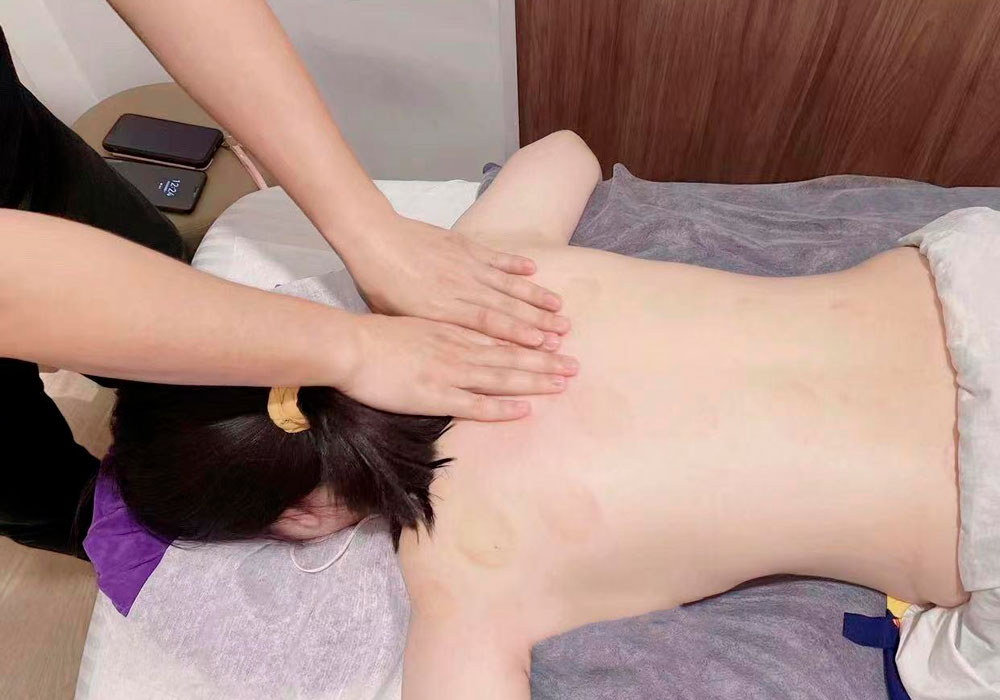
Tuina is generally well tolerated when appropriate techniques are used, but it is not suitable for every person or every condition. Temporary soreness or tenderness may occur after treatment, particularly when pressure is applied to sensitive areas.
Extra caution is needed if you have:
- A suspected fracture or recent significant injury.
- Severe osteoporosis or fragile bones.
- A bleeding disorder or take blood-thinning medication.
- An open wound, skin infection, or significant bruising.
- Recent surgery or a medical condition affecting healing.
- Unexplained swelling, numbness, or weakness.
Pregnant individuals and people with complex medical conditions should discuss suitability with an appropriate healthcare professional before receiving treatment.
Tuina should not be used to delay medical care for severe or unexplained symptoms. Seek urgent assessment for sudden weakness, significant neurological symptoms, or pain associated with a serious injury.
Simple Tips to Get More From Your Tuina Session
Tuina works best as part of a broader approach to physical wellbeing rather than as a substitute for healthy daily habits.
Before your appointment:
- Explain where you feel discomfort and when it started.
- Share your relevant medical history and medication use.
- Wear comfortable clothing and ask about preparation requirements.
- Avoid requesting intense pressure simply because an area feels tight.
After your appointment:
- Follow the practitioner’s aftercare advice.
- Keep moving gently if movement feels comfortable.
- Maintain good posture and take regular breaks from prolonged sitting.
- Stay hydrated and get adequate sleep.
- Monitor your symptoms and seek medical advice if they worsen.
Pro tip: Consistency with healthy movement and workstation habits can be more useful for recurring muscular tension than relying on massage alone. If a problem keeps returning, consider an assessment to identify its possible causes.
Conclusion: Is Tuina Massage in Singapore Right for You?
Tuina massage in Singapore offers a traditional, hands-on approach that may help some people manage muscle tension, stiffness, and certain types of musculoskeletal discomfort. Its suitability depends on your symptoms, medical history, and the practitioner’s assessment. While research supports potential benefits for some conditions, outcomes vary, and Tuina is not a guaranteed treatment or a replacement for necessary medical care.
Start by identifying your main concern, checking the practitioner’s qualifications, and confirming the treatment plan and fees before booking. Communicate openly about your comfort during the session and seek medical advice if your symptoms are severe, unusual, or persistent.
If you would like to learn more about Tuina and other Traditional Chinese Medicine services, visit G&G TCM Medical. Explore the available services and contact the clinic to discuss your needs and arrange an appointment.
FAQs Section
What is Tuina massage used for?
Tuina is used in TCM to help manage certain types of muscular tension, stiffness, and musculoskeletal discomfort.
Is Tuina massage painful?
You may feel pressure, but treatment should be adjusted to your comfort. Tell the practitioner if it hurts.
How long does a Tuina session take?
Duration varies by clinic, treatment area, and individual needs. Confirm the session length when booking.
How often should I get Tuina massage?
Frequency depends on your symptoms and treatment goals. Ask your practitioner for an individual recommendation.
Is Tuina massage safe?
It can be suitable for many people, but some injuries and medical conditions require caution or medical assessment first.