

A sedentary lifestyle involves spending extended periods sitting or engaging in activities with very little physical movement. Common examples include working at a desk, studying, driving, and spending long hours using computers or mobile devices. Over time, these habits may contribute to muscle stiffness, neck and shoulder discomfort, back tension, and reduced mobility.
Tui Na for sedentary lifestyle is a traditional Chinese manual therapy that uses techniques such as pressing, kneading, rolling, and rhythmic manipulation to address muscular tension and promote relaxation. Based on Traditional Chinese Medicine (TCM) principles, Tui Na considers the body’s meridian pathways alongside muscle and joint structures.
For people who spend much of their day sitting, Tui Na may be considered as part of a broader approach to physical comfort and wellbeing. When combined with regular movement, appropriate stretching, and better workstation habits, it may help individuals manage everyday muscle tension.
Why Does a Sedentary Lifestyle Cause Muscle Tension?
Sitting for long periods may seem harmless, particularly when work or study requires concentration. However, remaining in the same position for extended periods can place repeated demands on certain muscles and joints.
The body is designed to move regularly. When movement becomes limited, some muscle groups may remain in relatively fixed positions while others receive less activity.
Here are several common reasons why sedentary habits can contribute to physical discomfort.
1. Prolonged Sitting and Reduced Movement
Remaining seated for hours can reduce opportunities for normal muscle movement. The hips, lower back, shoulders, and neck may feel stiff after maintaining the same posture.
People who work remotely or spend most of their day at a computer may notice discomfort particularly towards the end of the day.
2. Poor Sitting Posture
An unsuitable workstation setup can encourage people to lean forward, round their shoulders, or tilt their heads towards a screen.
Common posture-related concerns include:
- Neck tension from looking down at screens.
- Shoulder discomfort from rounded shoulders.
- Lower back stiffness from prolonged sitting.
- Hip tightness after extended periods in a seated position.
- Wrist and forearm discomfort from repetitive computer use.
Maintaining a comfortable posture and changing positions regularly can help reduce unnecessary strain.
3. Limited Physical Activity
A lack of regular movement may affect general fitness, muscle endurance, and flexibility.
For example, someone who spends most of the day sitting may find that simple movements feel less comfortable after a particularly busy working week.
Introducing short movement breaks throughout the day is a practical way to encourage more consistent activity.
What Is Tui Na and How Does It Work?

Tui Na is a form of Traditional Chinese Medicine manual therapy that involves applying controlled hand techniques to different areas of the body.
The name Tui Na comes from two Chinese terms: Tui, meaning to push, and Na, meaning to grasp. Practitioners use different movements depending on the individual’s needs and assessment.
Unlike a general relaxation massage, Tui Na incorporates traditional Chinese medicine concepts, including meridian pathways and acupoints, alongside an understanding of muscles and body structures.
Common Tui Na Techniques
Several techniques may be incorporated during a session.
| Technique | Description | General purpose |
|---|---|---|
| Pushing | Applying controlled pressure along selected areas | Addressing local tension |
| Kneading | Using circular movements with the hands or fingers | Promoting relaxation |
| Pressing | Applying pressure to selected points | Addressing areas of discomfort |
| Rolling | Using rhythmic hand movements | Working with surrounding soft tissues |
| Grasping | Gently holding and manipulating selected tissues | Supporting muscle relaxation |
The techniques and pressure used should be adjusted according to the individual’s comfort, health history, and treatment needs.
How Can Tui Na for Sedentary Lifestyle Help?
Tui Na may offer several supportive benefits for people who spend long hours sitting. However, individual responses vary, and it should not be considered a guaranteed solution for posture-related discomfort or underlying medical conditions.
1. Helps Address Everyday Muscle Tension
One of the reasons people explore Tui Na is to address areas that feel tight after prolonged sitting.
The neck, shoulders, upper back, and lower back are common areas of concern among people who spend significant time working at desks.
Through controlled manual techniques, Tui Na may help promote relaxation in areas experiencing muscular tension.
For example, someone who spends most of the day working on a laptop may experience shoulder tightness towards the evening. A practitioner can assess the area and determine whether Tui Na is appropriate.
2. Supports Relaxation After Long Working Hours
A demanding work schedule can make it difficult to find time to relax.
Tui Na involves structured, hands-on treatment that may help individuals feel more relaxed and comfortable. The combination of rhythmic movements and controlled pressure can provide a calming experience for some people.
Relaxation is particularly relevant for individuals who experience physical tension alongside stressful daily routines.
3. Encourages Awareness of Physical Discomfort
People who work continuously may become accustomed to ignoring mild discomfort.
A professional consultation provides an opportunity to discuss recurring stiffness, movement habits, and areas that feel uncomfortable.
Through this process, individuals may become more aware of how their daily routines affect their physical comfort.
4. May Support Comfortable Movement
Muscle stiffness can make certain everyday movements feel less comfortable, such as turning the head, reaching overhead, or standing after sitting for a long time.
Tui Na may help some individuals feel more relaxed around affected areas.
However, persistent mobility limitations should be properly assessed rather than treated as ordinary muscle tension.
5. Complements a More Active Lifestyle
Tui Na should not replace physical activity.
Instead, it may be considered alongside practical lifestyle improvements, such as walking, gentle stretching, and regular changes in sitting position.
This combination provides a more balanced approach to managing the physical demands of a sedentary routine.
Which Body Areas Commonly Experience Discomfort?
Different areas may become uncomfortable depending on a person’s sitting habits, workstation arrangement, and daily activities.
| Body area | Common contributing habit | Practical consideration |
|---|---|---|
| Neck | Looking down at screens | Adjust screen height |
| Shoulders | Reaching forward while typing | Keep equipment within comfortable reach |
| Upper back | Rounded sitting posture | Change position regularly |
| Lower back | Remaining seated for long periods | Alternate between sitting and standing |
| Hips | Limited movement throughout the day | Include regular walking breaks |
| Wrists | Repetitive computer use | Maintain a comfortable keyboard position |
It is important to remember that discomfort can have different causes. Not every case of neck or back pain is related to sitting posture, and persistent symptoms deserve professional assessment.
What Happens During a Tui Na Session?
For someone considering Tui Na for the first time, understanding the general treatment process can make the experience less unfamiliar.
Although individual sessions may differ, a typical process includes several stages.
Step 1: Initial Consultation
The practitioner asks about the individual’s concerns, daily activities, medical history, and previous injuries.
For sedentary individuals, useful information may include:
- How many hours are spent sitting daily.
- Whether work involves repetitive movements.
- Which areas feel uncomfortable.
- Whether discomfort affects everyday activities.
- Whether there are existing medical conditions.
This information helps determine whether Tui Na is suitable.
Step 2: Individual Assessment
The practitioner assesses the reported areas of discomfort and considers relevant movement patterns.
The assessment helps establish which treatment approach may be appropriate.
Step 3: Tui Na Treatment
The practitioner applies suitable manual techniques according to the assessment.
Pressure and movements should be adjusted based on individual tolerance. Treatment should not involve forcing joints or causing significant pain.
Step 4: Aftercare Recommendations
Following treatment, the practitioner may discuss general lifestyle habits that can support physical comfort.
These may include taking movement breaks, adjusting workstation arrangements, and incorporating appropriate physical activity.
Tui Na vs Regular Massage: What Is the Difference?
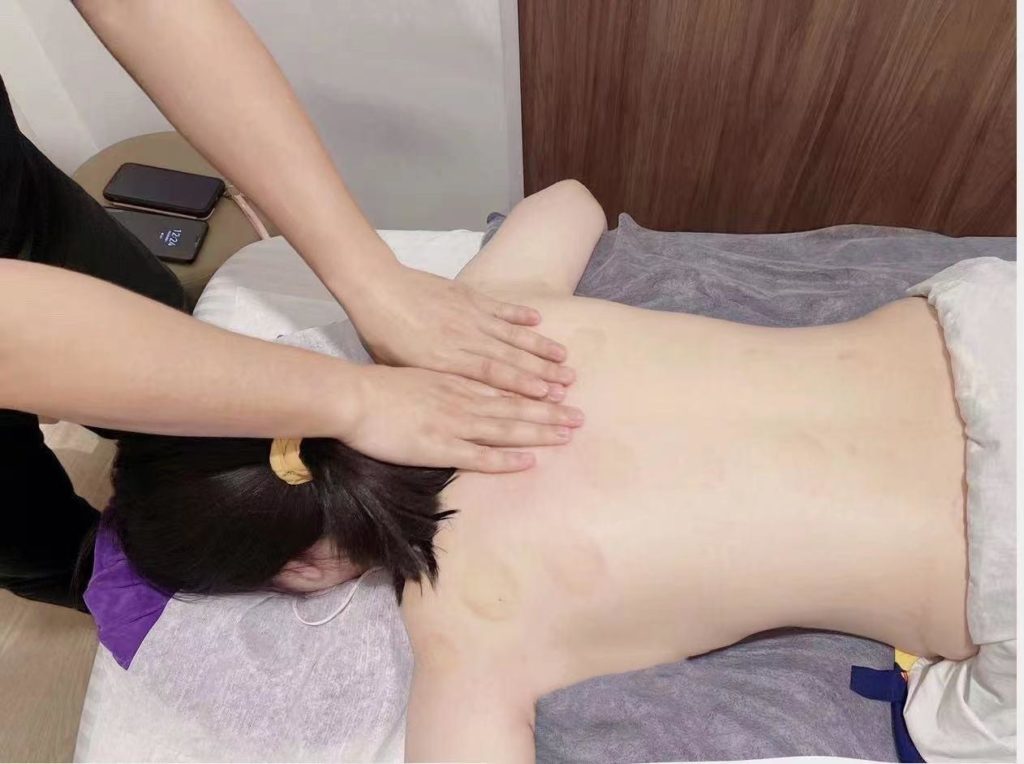
Although both Tui Na and regular massage involve hands-on techniques, their approaches and treatment philosophies can differ.
| Comparison | Tui Na | General Relaxation Massage |
|---|---|---|
| Treatment approach | Based on TCM principles and manual techniques | Generally focused on relaxation |
| Techniques | Pressing, pushing, kneading, rolling, and other manipulations | Commonly uses stroking and kneading |
| Main focus | Individual assessment and targeted treatment | General relaxation and comfort |
| Treatment considerations | May incorporate meridian and acupoint concepts | Often follows massage-specific techniques |
| Personalisation | Adjusted according to assessment | Adjusted according to client preference |
Neither approach is automatically suitable for everyone. The right choice depends on individual needs, health conditions, and treatment preferences.
Practical Ways to Reduce the Effects of a Sedentary Lifestyle
Tui Na can be one part of a broader wellness routine. Daily habits remain important for people who spend extended periods sitting.
Here are some practical changes worth incorporating.
1. Take Regular Movement Breaks
Avoid remaining seated continuously for several hours.
Try standing, walking briefly, or changing positions throughout the working day. Even short movement breaks can help interrupt prolonged sitting.
2. Improve Your Workstation Setup
A comfortable workstation can make daily activities easier.
Consider the following adjustments:
- Position your screen at a comfortable viewing height.
- Keep your feet supported.
- Use a chair that supports your back.
- Position your keyboard and mouse within easy reach.
- Avoid leaning forward for extended periods.
3. Include Gentle Daily Movement
Walking, light mobility exercises, and appropriate stretching can help maintain general physical activity.
Choose activities that suit your fitness level and avoid movements that cause pain.
4. Pay Attention to Early Discomfort
Do not ignore recurring stiffness or discomfort.
Notice when symptoms appear, which activities make them worse, and whether they interfere with normal daily routines.
This information can be useful when discussing your concerns with a qualified healthcare professional.
5. Maintain a Consistent Routine
Small lifestyle changes are often easier to maintain than major changes made all at once.
A consistent routine involving movement, adequate rest, and an appropriate workstation can support long-term physical wellbeing.
Who May Consider Tui Na for a Sedentary Lifestyle?
Tui Na may be worth discussing with a qualified practitioner for individuals who:
- Spend long hours working at a desk.
- Frequently experience everyday muscle tightness.
- Have physically demanding study or work routines.
- Want to explore TCM manual therapy.
- Prefer an individually assessed approach to physical relaxation.
However, Tui Na is not suitable for every condition.
People with recent injuries, fractures, unexplained swelling, significant pain, bleeding disorders, or other medical concerns should seek appropriate medical advice before considering manual therapy. Avoid massage over injured or inflamed areas unless a healthcare professional confirms it is appropriate.
Seek prompt medical attention for severe or sudden symptoms, new weakness or numbness, or other concerning changes.
Pro Tips: Build a Healthier Routine Around Tui Na
Getting more comfortable during the working day does not necessarily require major lifestyle changes.
Consider these simple tips:
- Move frequently: Avoid staying in one position for too long.
- Check your posture: Make sure your workstation supports a comfortable sitting position.
- Stay active: Include suitable walking and physical activities in your routine.
- Listen to your body: Pay attention to recurring discomfort instead of ignoring it.
- Choose professional guidance: Discuss your needs with a qualified practitioner before starting manual therapy.
- Maintain consistency: Combine appropriate treatment with healthier daily habits.
Conclusion: Is Tui Na for a Sedentary Lifestyle Worth Considering?
Spending long hours sitting can contribute to muscle stiffness, reduced movement, and everyday physical discomfort. Tui Na for sedentary lifestyle offers a traditional Chinese manual therapy approach that may help promote relaxation and address muscular tension for suitable individuals.
However, maintaining physical comfort requires more than occasional treatment. Regular movement, a comfortable workstation, appropriate exercise, and professional guidance are equally important.
At G&G TCM, Tui Na is offered using a combination of TCM meridian concepts and knowledge of muscle anatomy. The clinic provides different treatment durations to accommodate individual needs.
If you are interested in learning more about the treatment, explore our Tui Na service at G&G TCM to understand the available service options.
You can also read our guide on tcm massage for stiff muscles for more information about managing everyday muscle tension.
FAQs Section
What is Tui Na for a sedentary lifestyle?
Tui Na is a traditional Chinese manual therapy that uses pressing, kneading, and rolling techniques to address muscle tension and promote relaxation.
Can Tui Na help with muscle stiffness from sitting too long?
Tui Na may help relieve everyday muscle tension and promote relaxation in areas such as the neck, shoulders, and back.
How often should I consider Tui Na treatment?
Treatment frequency depends on individual needs, physical condition, and practitioner recommendations. There is no single schedule suitable for everyone.
Is Tui Na suitable for people who work at a desk all day?
It may be suitable for some desk workers experiencing muscle tension. However, individuals with injuries or existing medical conditions should consult a healthcare professional first.
What can I do alongside Tui Na to reduce discomfort from prolonged sitting?
Take regular movement breaks, practise gentle stretching, maintain a comfortable workstation, and include suitable physical activities in your daily routine.