

TCM massage for stiff muscles is a traditional Chinese medicine approach that uses manual techniques to address muscle tension, physical discomfort, and restricted movement. It commonly includes Tuina massage, a hands-on therapy involving pressing, kneading, rolling, and other controlled movements applied to muscles and soft tissues.
Muscle stiffness is a common experience. It can happen after sitting at a desk for extended periods, exercising, carrying heavy items, or maintaining the same posture throughout the day. Sometimes, even simple activities such as turning the neck, reaching for an object, or getting out of bed can feel uncomfortable.
Traditional Chinese Medicine (TCM) approaches muscle stiffness by considering the body’s overall condition, movement patterns, and individual symptoms. Rather than focusing only on the area that feels tight, a TCM practitioner may assess surrounding muscles and general physical comfort before recommending an appropriate treatment.
For people looking for traditional approaches to muscle relaxation, TCM massage may be one option to explore following a professional assessment.
Why Do Muscles Become Stiff?
Muscle stiffness can develop for several reasons. It does not always indicate an underlying medical condition, but persistent or recurring stiffness should not be ignored.
Some common contributing factors include:
1. Prolonged Sitting and Poor Posture
Spending hours working at a computer, looking down at a mobile phone, or sitting without changing positions can contribute to muscle tension.
The neck, shoulders, lower back, and hips are common areas where people experience discomfort after prolonged sitting.
2. Physical Activity and Exercise
Muscles may feel tight after unfamiliar physical activities, repetitive movements, or an increase in exercise intensity.
Post-exercise soreness and stiffness can occur as muscles adapt to physical demands. Appropriate recovery, hydration, and gentle movement can help support the recovery process.
3. Repetitive Daily Movements
Repeating the same movements at work or during daily activities may place repeated demands on particular muscle groups.
For example, carrying bags on one shoulder or performing repetitive lifting tasks can contribute to discomfort in the shoulders and upper back.
4. Stress and Muscle Tension
Stress can influence how the body responds physically. Some people unconsciously tighten their shoulders, clench their jaw, or maintain tension in their neck muscles when feeling stressed.
Relaxation techniques and suitable physical therapies may help improve overall comfort.
5. Insufficient Movement and Recovery
Long periods of inactivity may contribute to a feeling of tightness, especially around the hips, back, and legs.
Regular movement breaks and gentle stretching can help maintain mobility.
How Does TCM Massage Help with Stiff Muscles?
TCM massage focuses on manual stimulation of muscles and surrounding soft tissues. One commonly used approach is Tuina, which is traditionally practised within Chinese medicine.
Tuina uses different hand techniques depending on the individual’s condition and treatment goals.
1. Helps Relax Tense Muscles
Tuina practitioners use controlled pressure and kneading movements to work on areas experiencing tension.
These techniques may help some people feel more relaxed and comfortable, particularly when stiffness is associated with everyday physical strain.
2. Supports Comfortable Movement
Muscle tightness can make ordinary movements feel restricted.
A suitable massage session may help improve the sensation of flexibility and comfort. However, results vary depending on the cause and severity of stiffness.
3. Encourages Localised Circulation
Manual massage stimulates the tissues in the treated area and may temporarily influence local blood flow.
Within TCM, practitioners also consider the traditional concept of Qi and the body’s meridian pathways when planning treatment.
These traditional concepts are part of TCM theory and should not be confused with established anatomical explanations of circulation.
4. Promotes Relaxation
A comfortable massage environment and appropriate manual techniques may help reduce feelings of physical tension.
For individuals whose muscle stiffness is associated with daily stress, relaxation may be an important part of their overall wellness routine.
What Is Tuina Massage and How Is It Different from Regular Massage?
Tuina is a traditional Chinese manual therapy that uses specific hand movements and pressure techniques.
Although it shares similarities with conventional massage, its approach and treatment framework are different.
| Feature | TCM Tuina Massage | Regular Relaxation Massage |
|---|---|---|
| Main approach | Traditional Chinese manual therapy | General massage techniques |
| Techniques | Pressing, kneading, rolling and other manual movements | Stroking, rubbing and kneading |
| Treatment focus | Individual symptoms and TCM assessment | Relaxation and physical comfort |
| Pressure | Adjusted according to individual needs | Depends on massage style |
| Treatment plan | May be guided by TCM principles | Depends on the therapist and massage type |
Neither approach is automatically better for everyone. The appropriate choice depends on personal preferences, health considerations, and the reason for seeking treatment.
Which Areas of the Body Can Experience Muscle Stiffness?
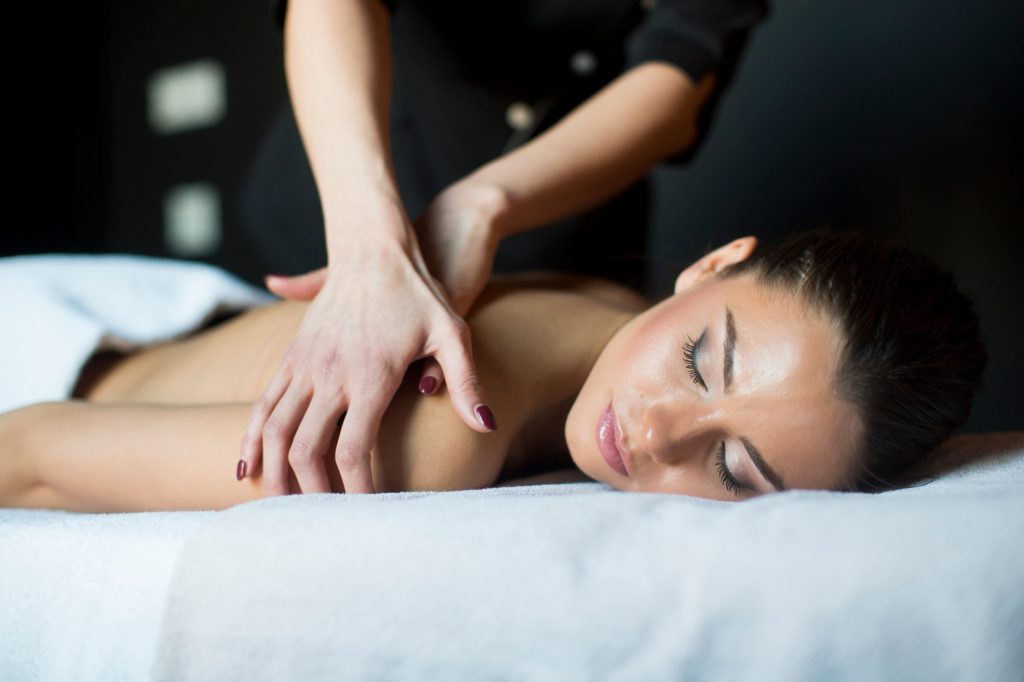
Muscle stiffness can affect different parts of the body depending on daily habits, physical activity, and individual circumstances.
Here are some commonly affected areas.
Neck and Shoulders
Neck and shoulder stiffness is common among people who spend extended periods working at computers or using mobile devices.
A TCM practitioner may assess the surrounding muscles and discuss suitable treatment options.
Upper and Lower Back
The back supports many everyday movements, including bending, lifting, and sitting.
Prolonged sitting, repetitive movements, and physical strain may contribute to back discomfort.
Arms and Legs
Muscle tightness in the arms and legs may occur following exercise, repetitive activities, or prolonged periods of inactivity.
The treatment approach should depend on the location, severity, and suspected cause of the discomfort.
What Happens During a TCM Massage Session?
If you have never experienced Tuina massage, knowing what to expect can make your first appointment more comfortable.
A typical session may involve the following steps:
Step 1: Initial Consultation
The practitioner asks about your symptoms, lifestyle, daily activities, and relevant health history.
This helps identify areas of concern and determine whether manual therapy is appropriate.
Step 2: Individual Assessment
The practitioner evaluates the affected area and considers factors such as movement, discomfort, and muscle tension.
If symptoms suggest a condition that requires medical assessment, massage may not be appropriate.
Step 3: Treatment Selection
The practitioner selects suitable techniques based on the assessment.
These may include controlled pressing, kneading, rolling, and other Tuina movements.
Step 4: Treatment Session
The treatment is performed with pressure adjusted to the individual’s comfort and tolerance.
You should communicate immediately if a technique feels painful, uncomfortable, or causes unusual symptoms.
Step 5: Aftercare Guidance
After the session, the practitioner may recommend general self-care measures, such as gentle movement, adequate rest, and maintaining comfortable posture.
The number of sessions required, if any, depends on individual circumstances.
TCM Massage vs Other Ways to Manage Muscle Stiffness
TCM massage is one of several approaches people may consider when managing muscle stiffness.
Other options include:
| Approach | Potential Role |
|---|---|
| Gentle stretching | Helps maintain flexibility and comfortable movement |
| Warm compress | May temporarily ease muscle tightness |
| Regular movement | Reduces prolonged periods of inactivity |
| Physiotherapy | Supports assessment and rehabilitation of movement problems |
| TCM Tuina | Traditional manual therapy for muscle tension and physical discomfort |
| Adequate rest | Supports normal recovery after physical activity |
Combining appropriate self-care with professional advice may be more helpful than relying on one treatment alone.
Is TCM Massage Suitable for Everyone?
Although TCM massage may be suitable for some people experiencing everyday muscle tension, it is not appropriate for every condition.
A practitioner should be informed about existing health concerns, injuries, medications, and recent medical procedures before treatment.
Massage may need to be avoided or modified in situations involving:
- Recent fractures or significant injuries.
- Suspected blood clots.
- Open wounds, skin infections, or severe inflammation.
- Unexplained swelling or severe pain.
- Recent surgery.
- Certain bleeding or bone-related conditions.
Seek medical assessment if stiffness is persistent, worsening, or accompanied by symptoms such as numbness, weakness, fever, or unexplained swelling. Sudden severe pain, chest pain, or difficulty breathing requires urgent medical attention.
TCM massage should complement appropriate healthcare rather than replace necessary medical diagnosis or treatment.
How Can You Prevent Muscle Stiffness in Everyday Life?
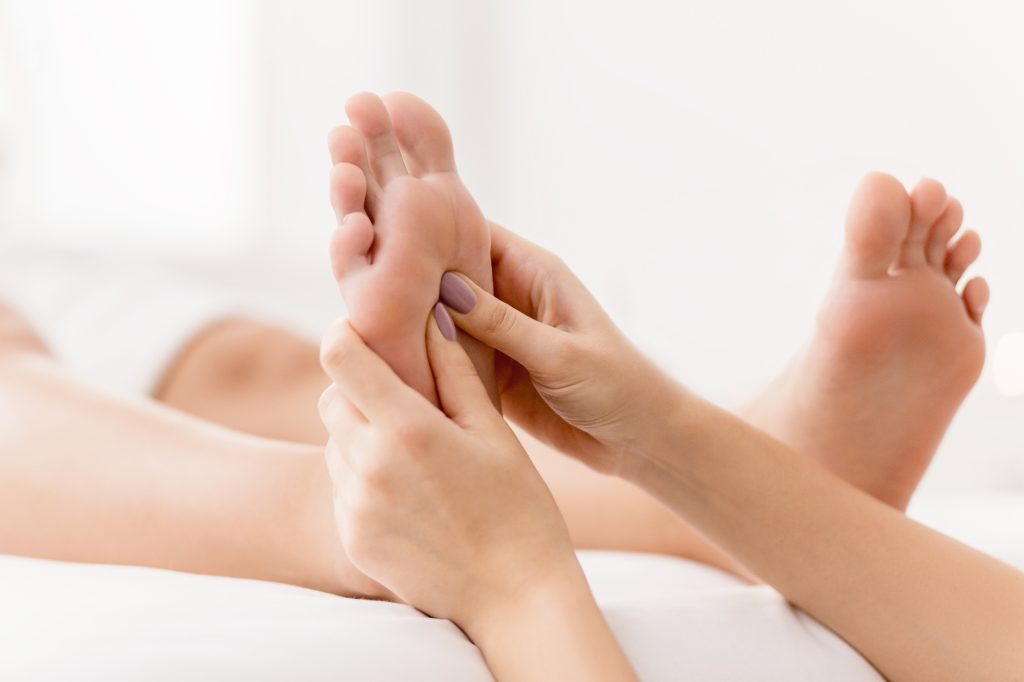
Alongside professional treatment, simple lifestyle adjustments can help reduce common contributors to muscle stiffness.
Consider incorporating these habits into your daily routine:
- Take regular movement breaks: Avoid remaining in the same sitting position for too long.
- Maintain comfortable posture: Adjust your workstation so your screen and chair support a natural working position.
- Stretch gently: Include comfortable stretches for the neck, shoulders, back, and legs.
- Stay physically active: Choose activities appropriate for your fitness level and health condition.
- Allow sufficient recovery: Give your body time to recover after physically demanding activities.
- Manage daily stress: Relaxation, breathing exercises, and adequate sleep may support general wellbeing.
Sleep quality is also an important part of overall recovery. If sleep difficulties are affecting your daily routine, you can learn more about traditional herbal approaches in our guide to TCM herbs for poor sleep.
How to Choose a TCM Massage Clinic in Singapore
Choosing a suitable clinic is important when considering TCM massage for stiff muscles.
Before making an appointment, consider the following:
- Practitioner qualifications: Check whether the practitioner is appropriately registered and qualified to provide the relevant TCM services in Singapore.
- Consultation process: Look for a clinic that assesses your symptoms and health history before treatment.
- Treatment transparency: Ask about the techniques, expected duration, pricing, and possible discomfort.
- Hygiene standards: Ensure the treatment environment is clean and professionally maintained.
- Individual care: Treatment pressure and techniques should be adjusted according to your comfort and needs.
Avoid choosing a clinic based only on promotional claims or promises of guaranteed results.
Pro Tips: Simple Ways to Keep Your Muscles Comfortable
You do not need to wait until muscle stiffness becomes disruptive before paying attention to your body.
Here are a few practical tips to remember:
- Move around regularly if you work at a desk.
- Avoid carrying heavy bags on the same shoulder every day.
- Warm up before physical activity.
- Stretch gently rather than forcing tight muscles.
- Drink enough water throughout the day.
- Choose comfortable sleeping and working positions.
- Seek professional advice if stiffness keeps returning.
Conclusion: Explore TCM Massage for Stiff Muscles at G&G TCM
TCM massage for stiff muscles offers a traditional approach to managing muscle tension through techniques such as Tuina. By combining individual assessment with controlled manual movements, this therapy may help some people feel more relaxed and comfortable.
However, muscle stiffness can have different causes, and the right approach depends on individual symptoms and health conditions. Professional assessment is important before beginning any treatment, especially when discomfort is persistent or unexplained.
If you are considering traditional Chinese medicine for muscle tension, G&G TCM provides TCM services in Singapore, including Tuina therapy. Visit G&G TCM to explore its services, learn more about available treatments, and enquire about a consultation.
FAQs Section
What is TCM massage for stiff muscles?
TCM massage is a traditional therapy that uses manual techniques, such as pressing and kneading, to help relieve muscle tension and promote relaxation.
Can Tuina massage help with muscle stiffness?
Tuina massage may help relax tense muscles and improve physical comfort through controlled manual movements.
Which areas can benefit from TCM massage?
Common areas include the neck, shoulders, back, arms, and legs, depending on individual symptoms and treatment suitability.
How often should I get TCM massage for stiff muscles?
Frequency depends on your condition, symptoms, and practitioner’s assessment. There is no single schedule suitable for everyone.
Is TCM massage painful?
TCM massage may involve varying pressure depending on the technique. It should be adjusted to your comfort level, and you should inform the practitioner if you experience pain.