

TCM herbs for poor sleep are Chinese herbal ingredients and traditional herbal formulas used in Traditional Chinese Medicine (TCM) to support people experiencing difficulties with sleep. Depending on an individual’s symptoms and overall health, a qualified TCM practitioner may consider herbal preparations as part of a personalised approach to sleep concerns.
Poor sleep can affect almost every part of daily life. You might lie awake for hours, wake up several times during the night, or find yourself feeling tired even after spending enough time in bed. Over time, disrupted sleep can affect concentration, mood, energy levels, and your ability to enjoy everyday activities.
Traditional Chinese Medicine approaches sleep concerns by considering a person’s overall pattern of symptoms rather than treating every case in exactly the same way. Chinese herbal medicine is one approach used in this tradition, and certain herbal formulas have been investigated for their potential effects on sleep quality.
However, traditional use does not automatically establish effectiveness. Scientific evidence for Chinese herbal medicine varies, and some studies have important limitations. Herbal products can also cause side effects or interact with medications, so choosing a remedy without professional guidance is not recommended.
In this guide, we explore how TCM approaches poor sleep, commonly discussed Chinese herbs and formulas, the available research, and practical steps that may help you develop healthier sleeping habits.
What Is Poor Sleep in Traditional Chinese Medicine?
Poor sleep is a broad term that describes difficulties with falling asleep, staying asleep, or feeling refreshed after waking. When these problems occur frequently and affect daytime functioning, they may indicate insomnia or another sleep disorder.
In Traditional Chinese Medicine, sleep concerns are assessed through a broader picture of a person’s symptoms. A practitioner may ask about sleep patterns, stress, digestion, energy levels, and other aspects of well-being before considering an appropriate treatment approach.
This assessment may guide the selection of Chinese herbal ingredients or formulas. Two people who both struggle to sleep may receive different recommendations because their symptoms and health circumstances are not necessarily the same.
How Does TCM Understand Sleep Problems?
Traditional Chinese Medicine uses its own diagnostic framework to interpret patterns of health and well-being.
For example, a practitioner may explore whether sleep difficulties occur alongside restlessness, frequent waking, stress, or digestive discomfort. These observations may inform the traditional treatment approach.
It is important to understand that TCM diagnostic concepts are not always equivalent to diagnoses used in modern medicine. Persistent insomnia can have many causes, including anxiety, chronic pain, medication effects, sleep apnoea, and other medical conditions.
A comprehensive approach should consider these possibilities rather than assuming that every sleep problem can be addressed with herbs.
Why Do People Experience Poor Sleep?
Before exploring TCM herbs for poor sleep, it helps to understand the factors that may interfere with a good night’s rest.
1. Stress and Mental Overactivity
A demanding workday, financial concerns, or personal responsibilities can make it difficult to relax at bedtime.
You may feel physically tired while your mind continues to replay conversations, plan tomorrow’s tasks, or worry about unfinished work.
Stress management and a consistent bedtime routine can help create more favourable conditions for sleep. When stress or anxiety is persistent, professional support may also be beneficial.
2. Irregular Sleep Schedules
Going to bed at different times every night can disrupt the body’s normal sleep-wake rhythm.
Late-night screen use, shift work, frequent travel, and sleeping in significantly later on weekends may contribute to irregular sleep patterns.
Maintaining a reasonably consistent bedtime and wake-up time can help establish a more predictable routine.
3. Physical Discomfort
Pain, muscular tension, and joint discomfort may make it difficult to find a comfortable sleeping position.
For instance, someone with shoulder discomfort may repeatedly change positions throughout the night. Addressing the cause of the pain may be an important part of improving sleep.
Depending on the cause, treatment options may include medical care, appropriate exercises, or other professionally recommended approaches. For readers exploring traditional hands-on therapy for a separate concern, G&G TCM Medical also provides information about tui na for shoulder pain.
4. Caffeine and Evening Habits
Coffee, tea containing caffeine, energy drinks, and nicotine can interfere with sleep, particularly when used later in the day.
Alcohol may make someone feel sleepy initially, but it can disrupt sleep later in the night.
Large meals close to bedtime and bright light exposure may also make it harder for some people to settle down.
5. Underlying Health Conditions
Poor sleep can sometimes be associated with medical or psychological conditions, including chronic pain, depression, anxiety, restless legs syndrome, and obstructive sleep apnoea.
Loud snoring accompanied by gasping or breathing pauses, for example, may warrant an assessment for sleep apnoea.
If sleep difficulties continue or significantly affect your daily life, consult a healthcare professional to identify possible causes before relying on herbal remedies.
Common TCM Herbs and Formulas Discussed for Poor Sleep
Chinese herbal medicine includes individual ingredients and multi-herb formulas. Traditionally, practitioners select combinations according to the person’s symptoms and overall assessment.
The following examples are commonly discussed in the context of traditional Chinese herbal medicine and sleep. They are not interchangeable treatments, and the information below should not be interpreted as a recommendation to take any particular herb.
1. Suan Zao Ren (Sour Jujube Seed)
Suan Zao Ren is the seed of Ziziphus jujuba var. spinosa and is a well-known ingredient in traditional Chinese herbal medicine.
It appears in several traditional formulas associated with sleep difficulties and restlessness. Researchers have investigated preparations containing Suan Zao Ren for their potential effects on sleep.
However, results from studies of herbal formulas cannot automatically establish the effectiveness of the individual ingredient. Research quality, preparation methods, dosage, and other ingredients can all affect the findings.
What to know: Suan Zao Ren has a traditional history of use for sleep concerns, but its suitability and effectiveness for a particular person should be assessed professionally.
2. Bai Zi Ren (Biota Seed)
Bai Zi Ren, commonly known as Biota seed, is another ingredient used in traditional Chinese herbal medicine.
Within the TCM framework, it is traditionally associated with certain patterns involving restlessness and sleep difficulties. It may appear alongside other ingredients in multi-herb formulas.
The evidence supporting a specific effect on insomnia remains limited, and traditional descriptions should not be confused with established clinical outcomes.
What to know: Bai Zi Ren should be selected as part of a professionally assessed herbal approach rather than used as a universal sleep remedy.
3. Fu Shen (Poria with Pine Root)
Fu Shen is a traditional Chinese medicinal material associated with Poria and used in certain herbal preparations.
In traditional practice, it may be included in formulas intended for people whose symptoms involve restlessness or sleep disturbances.
The effects of a formula depend on its complete composition and preparation. Evidence for one ingredient does not establish that every product containing it will produce the same results.
What to know: The traditional role of Fu Shen provides context for its use, but stronger clinical evidence is needed to establish its effectiveness for particular sleep disorders.
4. Gan Cao (Licorice Root)
Gan Cao, or licorice root, is used in various Chinese herbal formulas. Its traditional role can include helping harmonise the ingredients within a preparation.
Licorice should not be assumed to be a direct treatment for poor sleep. More importantly, certain licorice preparations can cause adverse effects, including elevated blood pressure, reduced potassium levels, and fluid retention.
These risks may be particularly important for people with heart or kidney conditions or those taking certain medications.
What to know: Licorice-containing formulas require appropriate professional assessment, especially when a person has an existing medical condition or uses prescription medication.
5. Gui Pi Tang (A Traditional Chinese Herbal Formula)
Gui Pi Tang is a traditional multi-ingredient formula used within TCM for selected symptom patterns that may include fatigue, restlessness, and sleep difficulties.
Because it contains multiple ingredients, its effects and safety cannot be attributed to a single herb. The exact composition may also vary between preparations.
Some clinical research has investigated Gui Pi Tang and other Chinese herbal formulas for insomnia. Nevertheless, study limitations mean that findings should be interpreted cautiously rather than treated as proof of a guaranteed benefit.
What to know: Gui Pi Tang is an example of a traditional formula that a qualified practitioner may consider in an appropriate clinical context, not a universal solution for insomnia.
Quick Comparison of Traditional Ingredients
| Herb or formula | Traditional context | Important consideration |
|---|---|---|
| Suan Zao Ren | Commonly used in formulas for sleep concerns | Clinical evidence remains limited |
| Bai Zi Ren | Traditionally associated with restlessness and sleep difficulties | Suitability depends on individual circumstances |
| Fu Shen | Used in selected traditional formulas | Evidence for specific outcomes is not conclusive |
| Gan Cao | Included in various herbal combinations | Can cause significant adverse effects in some people |
| Gui Pi Tang | Multi-herb formula used for selected symptom patterns | Formula composition and safety require professional assessment |
This table provides general educational information, not a prescription or a recommendation to combine these ingredients.
How Do TCM Herbs for Poor Sleep Work?

Chinese herbal medicine is based on a traditional framework that considers patterns of symptoms and the relationship between different aspects of health.
From a modern research perspective, herbal preparations contain various chemical compounds that may interact with biological processes. However, the effects depend on the ingredients, preparation, quality, and individual circumstances.
Researchers have studied Chinese herbal medicine for insomnia, but the findings are not definitive.
A 2025 umbrella review examined 36 systematic reviews and meta-analyses covering several TCM approaches, including Chinese herbal medicine, acupuncture, and Tuina massage. The authors reported potentially beneficial effects on overall sleep quality, but they also identified limitations in the methodological quality and certainty of the underlying evidence. These findings support further research rather than proving that all TCM treatments or herbal formulas are effective.
Traditional Assessment and Personalised Treatment
A TCM practitioner may consider several factors when assessing poor sleep:
- Whether you struggle to fall asleep or frequently wake during the night.
- Whether stress or restlessness accompanies the sleep difficulties.
- Whether you also experience fatigue or digestive discomfort.
- Your existing medical conditions and medication use.
- How long the sleep problems have continued.
This assessment helps inform the practitioner’s traditional treatment approach.
However, personalisation does not remove the need to evaluate possible medical causes of insomnia. A person with persistent sleep difficulties may benefit from a medical assessment alongside any complementary care they choose to pursue.
Why Herbal Formulas Are Not One-Size-Fits-All
Two products marketed for sleep may contain different ingredients, concentrations, and preparation methods.
Even when products use the same traditional formula name, their composition and quality may vary.
For this reason, it is important to verify the product’s ingredients and obtain guidance from a qualified practitioner. Avoid combining several herbal products simply because each is advertised as supporting relaxation or sleep.
What Does Scientific Research Say About Chinese Herbal Medicine for Insomnia?
Interest in TCM herbs for poor sleep has led to research examining individual ingredients and multi-herb formulas.
A 2025 systematic review and network meta-analysis published in Medicine examined 186 randomised controlled trials involving 13 herbal interventions for insomnia. The researchers reported differences in the results among the herbal treatments studied. However, the review also identified limitations in the underlying evidence, and its findings do not establish that any formula will work reliably for every individual.
The wider research landscape also contains conflicting findings. A 2012 systematic review concluded that the available trials were generally of insufficient quality to establish the effectiveness of Chinese herbal medicine for insomnia.
These findings highlight an important distinction: a treatment may have a long history of traditional use without having the same level of evidence as an established clinical treatment.
What Can Readers Reasonably Conclude?
| Research question | Practical interpretation |
|---|---|
| Have Chinese herbal formulas been studied for insomnia? | Yes. Numerous clinical trials and reviews have examined them. |
| Have some studies reported improvements in sleep? | Yes, but findings vary across formulas and studies. |
| Does every TCM herb improve sleep? | No. Evidence for one ingredient cannot be applied to all herbs. |
| Are herbal remedies guaranteed to be safe because they are natural? | No. Herbal products can cause adverse effects and interactions. |
| Can herbal medicine replace established insomnia treatment? | It should not automatically replace evidence-based assessment and treatment. |
For persistent insomnia, cognitive behavioural therapy for insomnia (CBT-I) is a strongly recommended treatment. It addresses habits, thoughts, and behaviours that can maintain sleep difficulties. A healthcare professional can help determine whether CBT-I or another treatment is appropriate.
The most responsible approach is to consider Chinese herbal medicine within a broader care plan, with realistic expectations and attention to safety.
Is It Safe to Use TCM Herbs for Poor Sleep?
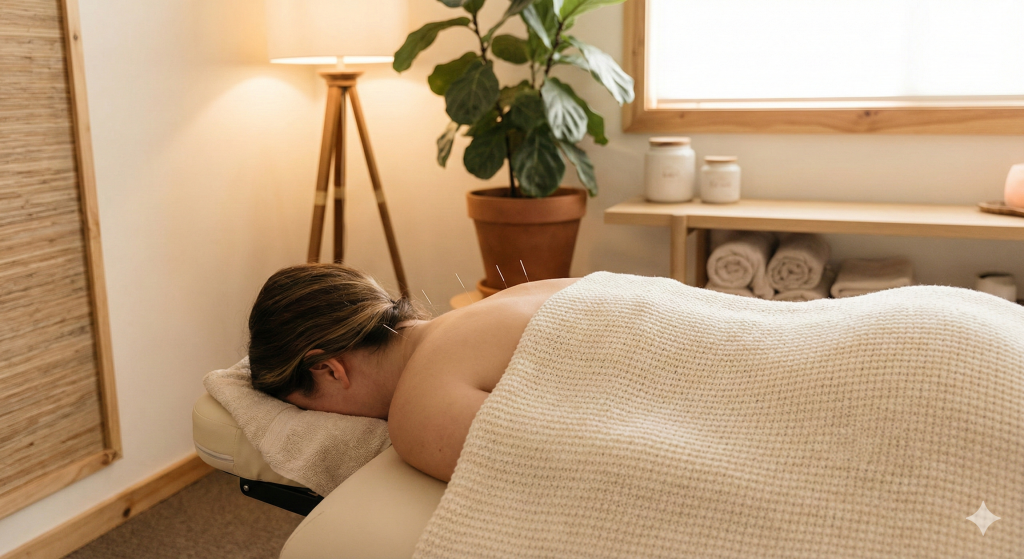
Safety is an essential part of any discussion about Chinese herbal medicine.
Herbal products can contain active compounds that affect the body. Some may interact with prescription medicines, over-the-counter products, or other supplements. Product quality can also vary.
The US National Center for Complementary and Integrative Health warns that some TCM products have been found to contain contaminants, undeclared ingredients, heavy metals, or incorrectly identified herbs. Some of these problems have resulted in serious health complications.
Important Safety Precautions
Before using an herbal formula for sleep, consider these precautions:
1. Consult a qualified practitioner. Discuss your sleep symptoms, medical history, and current medications before starting treatment.
2. Check every ingredient. Do not rely on marketing descriptions such as “natural sleep support” without reviewing the product’s actual composition.
3. Avoid self-prescribing complex formulas. Multi-herb products may have effects and interactions that are difficult to assess without appropriate expertise.
4. Tell your healthcare provider about supplements. This is particularly important if you take sleeping medication, antidepressants, blood thinners, or medicines for heart or kidney conditions.
5. Take extra care during pregnancy or breastfeeding. Herbal products may not be appropriate during these periods, and safety information can be limited.
6. Do not stop prescribed medication independently. Speak with the prescribing clinician before making changes to your treatment.
7. Seek medical help for persistent symptoms. Herbal treatment should not delay assessment for conditions such as sleep apnoea, depression, or other medical problems.
Remember that a product being traditional, herbal, or sold without a prescription does not automatically make it safe.
How Can You Improve Sleep Alongside TCM Care?
Whether or not you decide to explore TCM herbs for poor sleep, everyday habits can help create better conditions for rest.
These steps are practical, relatively low-risk, and can complement a healthcare professional’s recommendations.
1. Maintain a Consistent Sleep Schedule
Try to go to bed and wake up at approximately the same times each day.
A regular schedule helps reinforce your body’s sleep-wake rhythm. If your current routine is irregular, make gradual changes rather than forcing a sudden adjustment.
2. Create a Relaxing Bedtime Routine
Give yourself time to wind down before bed.
You might take a warm shower, read a book, listen to quiet music, or practise gentle breathing exercises.
If work-related thoughts keep you awake, consider writing down tomorrow’s tasks earlier in the evening so you do not need to keep mentally reviewing them in bed.
3. Reduce Caffeine and Late-Night Stimulation
Consider limiting caffeine later in the day, particularly if you notice that coffee or tea makes it harder to sleep.
Reduce bright screen exposure close to bedtime and avoid activities that leave you feeling overly alert.
4. Make Your Bedroom Comfortable
A quiet, dark, and comfortably cool bedroom may support better sleep.
Choose bedding that feels comfortable, reduce disruptive light where possible, and address noise that regularly wakes you.
5. Get Regular Daytime Activity
Regular physical activity can support overall health and may help maintain healthy sleep patterns.
Choose an activity that suits your fitness level, such as walking, cycling, or gentle stretching. If vigorous exercise close to bedtime makes you feel more alert, try moving it earlier in the day.
6. Know When to Seek Professional Help
If poor sleep continues for weeks, repeatedly affects your daily activities, or occurs alongside significant anxiety or low mood, seek professional advice.
Consult a healthcare professional if you experience loud snoring with gasping, breathing pauses during sleep, or persistent daytime sleepiness.
Do not rely solely on herbal remedies when an underlying sleep disorder may require specific treatment.
Pro Tips: Making Informed Choices About TCM Herbs for Poor Sleep
Choosing an approach to poor sleep does not have to be complicated. Start with a clear understanding of your symptoms and focus on decisions that support your long-term health.
Here are five practical tips:
- Identify your sleep pattern: Record whether you have difficulty falling asleep, staying asleep, or waking too early.
- Review your daily habits: Note caffeine intake, bedtime routines, stress levels, and changes in your schedule.
- Seek qualified guidance: Discuss the potential benefits and risks of Chinese herbal medicine with an appropriately qualified practitioner.
- Check product quality: Verify ingredients, product registration where applicable, and the source of the herbal preparation.
- Track your progress: Keep a sleep diary and review changes with your healthcare provider instead of assuming that a supplement is working.
A Simple Sleep Improvement Plan
| Time | Practical step |
|---|---|
| Morning | Wake at a consistent time and get some daylight |
| Afternoon | Stay physically active and monitor caffeine intake |
| Evening | Reduce stimulating activities and allow time to unwind |
| Before bed | Follow a relaxing routine in a comfortable bedroom |
| Over the following weeks | Track sleep patterns and seek professional advice if problems continue |
This plan does not require herbal supplements. If you choose to explore TCM herbs, use them only as part of an informed approach that considers safety, individual needs, and established treatments.
Conclusion: Can TCM Herbs for Poor Sleep Support Better Rest?
TCM herbs for poor sleep have a long history of traditional use, and scientific research has investigated several Chinese herbal ingredients and formulas for insomnia. Some studies report potential improvements in sleep quality, but the overall evidence varies, and important questions about effectiveness and safety remain.
The best approach is to understand what may be causing your sleep difficulties, develop consistent sleep habits, and seek professional guidance when symptoms persist. Chinese herbal medicine may be considered as a complementary option when appropriate, but it should not replace necessary medical assessment or established insomnia treatments.
For readers interested in Traditional Chinese Medicine, G&G TCM Medical provides information about its TCM services and approaches to personalised care. Visit the clinic’s website to explore available services and learn more about the options that may be relevant to your health needs.
Better sleep starts with informed decisions, realistic expectations, and a care plan that puts your well-being first.
FAQs Section
What are TCM herbs for poor sleep?
They are Chinese herbal ingredients and formulas traditionally used to address selected sleep-related symptoms. Their effectiveness varies, and evidence remains limited for many preparations.
Which Chinese herbs are traditionally used for sleep?
Suan Zao Ren, Bai Zi Ren, and certain multi-herb formulas are traditionally associated with sleep concerns. A qualified practitioner should assess suitability.
Are TCM herbs safe for insomnia?
Not always. Herbs can cause side effects, interact with medication, or contain contaminants. Seek professional guidance before using them.
How long do Chinese herbs take to improve sleep?
There is no established timeframe that applies to every formula or individual. Discuss expectations and monitoring with a qualified practitioner.
Can I use TCM herbs instead of sleeping medication?
Do not stop or replace prescribed medication without consulting your healthcare provider. Persistent insomnia may require evidence-based treatment such as CBT-I.