

What Is Tui Na for Poor Sleep?
Tui Na for poor sleep refers to the application of Traditional Chinese Medicine (TCM) therapeutic massage techniques to address sleep problems such as difficulty falling asleep, frequent waking, light sleep, or non-restorative rest. Unlike conventional massage, Tui Na focuses on regulating Qi (energy), harmonizing internal organs, and calming the Shen (mind/spirit), all of which are essential for healthy sleep. Poor sleep is increasingly common due to stress, screen exposure, irregular routines, and emotional overload. Tui Na offers a drug-free, holistic solution that treats the root causes of sleep disturbances rather than masking symptoms.
How Poor Sleep Is Explained in TCM
From a TCM perspective, sleep problems are rarely isolated issues. They are signs of internal imbalance, often related to disharmony between the Heart, Liver, Spleen, and Kidney systems. Factors such as emotional stress, overthinking, poor digestion, and disrupted daily routines can interfere with the smooth flow of Qi and blood, preventing the mind (Shen) from settling at night. As a result, the body struggles to transition into deep, restorative sleep, leading to difficulty falling asleep, frequent waking, or unrefreshing rest.
Common TCM Patterns Behind Poor Sleep
1. Heart and Mind (Shen) Disturbance
- Overthinking, anxiety, emotional stress
- Difficulty falling asleep
- Vivid dreams or restless sleep
2. Liver Qi Stagnation
- Stress-related insomnia
- Waking between 1–3 a.m.
- Irritability or tension
3. Blood or Yin Deficiency
- Light sleep
- Frequent waking
- Dry mouth or night sweats
4. Digestive Disharmony
- Poor sleep after late or heavy meals
- Bloating or discomfort at night
Tui Na is designed to correct these imbalances through targeted manual techniques.
What Is Tui Na and How It Works for Sleep
Tui Na is a hands-on TCM therapy that uses rhythmic pressure, rolling, kneading, and acupressure along meridians and specific points related to sleep regulation. These techniques work together to release physical tension, stimulate circulation, and regulate the flow of Qi, helping the nervous system shift from a state of alertness into relaxation. By targeting areas connected to the Heart, Liver, and Kidney meridians, which play key roles in emotional balance and rest, Tui Na supports the calming of the Shen (mind) and prepares the body for deeper, more restorative sleep.
How Tui Na Improves Sleep
| Mechanism | Effect on Sleep |
|---|---|
| Regulates Qi flow | Reduces restlessness |
| Calms nervous system | Eases anxiety |
| Improves circulation | Promotes relaxation |
| Harmonizes organs | Supports natural sleep cycle |
Unlike sleeping pills, Tui Na does not sedate the body. Instead, it helps the body return to its natural sleep rhythm.
Key Tui Na Techniques Used for Poor Sleep
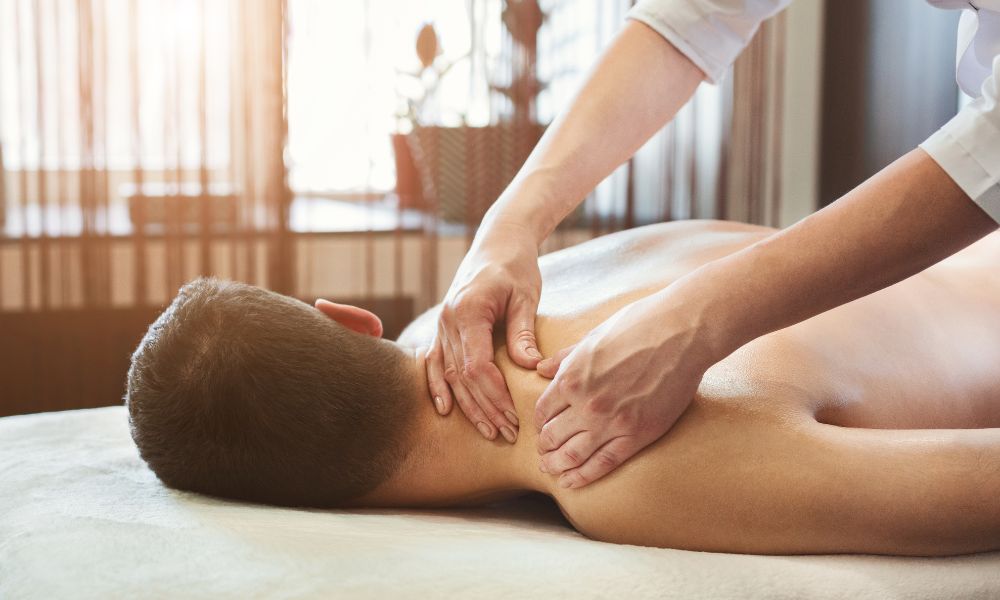
1. Head, Neck, and Shoulder Work
- Releases tension that interferes with relaxation
- Reduces headaches and mental fatigue
2. Back and Spine Meridian Stimulation
- Regulates the Heart, Liver, and Kidney meridians
- Encourages deeper, longer sleep
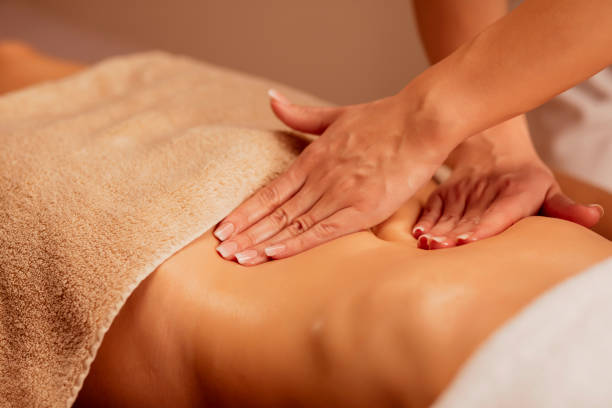
3. Abdominal Tui Na
- Supports digestion
- Prevents sleep disruption from bloating or discomfort
4. Acupressure for Sleep
Common points include:
- Shenmen (HT7) – calms the mind
- Anmian – promotes restful sleep
- Yintang – reduces stress and overthinking
Tui Na vs Other Sleep Treatments
| Treatment | Focus | Best For |
|---|---|---|
| Tui Na | Root imbalance | Chronic poor sleep |
| Medication | Sedation | Short-term relief |
| Aromatherapy | Relaxation | Mild stress |
| Acupuncture | Nervous regulation | Anxiety-related insomnia |
Many patients benefit most from Tui Na combined with other TCM therapies, such as acupuncture or herbal guidance.
Clinical Insight & Observations
At G&G TCM Medical, patients receiving Tui Na for sleep-related concerns often report:
- Faster sleep onset within 2–3 sessions
- Reduced nighttime waking
- Improved daytime energy
- Lower stress and muscle tension
These outcomes are consistent with regional TCM clinical observations across Asia, where manual therapies remain a frontline approach to sleep regulation.
Tui Na and Combined TCM Therapies
For enhanced results, Tui Na is often paired with complementary treatments such as cupping therapy in Singapore. Cupping helps release deep muscle tension and improve circulation, making it easier for the body to fully relax before sleep. Cupping helps release deep muscle tension and improve circulation, making it easier for the body to fully relax before sleep. In TCM practice, cupping is also used to clear Qi and blood stagnation along the back and shoulder meridians, which are commonly affected by stress and prolonged sitting. By opening these pathways, the nervous system becomes calmer, breathing slows naturally, and the body transitions more smoothly into a restful sleep state. When combined with Tui Na, this layered approach supports both physical relaxation and internal balance, leading to deeper and more restorative sleep.
Who Is Tui Na for Poor Sleep Suitable For?
Tui Na is suitable for:
- Adults with stress-related insomnia
- People who wake frequently at night
- Those who prefer non-medicated solutions
- Office workers with tension-related sleep issues
Caution
Tui Na may need modification if you:
- Are pregnant
- Have acute injuries
- Have severe medical conditions
A professional consultation ensures safety and effectiveness.
Actionable Sleep Recovery Guide
After a Tui Na Session
- Avoid screens for 1 hour before bed
- Drink warm water or herbal tea
- Eat light dinners
- Sleep before 11 p.m.
- Maintain consistent bedtime routines
Conclusion: Restore Natural Sleep with Tui Na Therapy
Tui Na for poor sleep offers a safe, natural, and effective way to restore deep, restorative rest by calming the mind, regulating Qi, and rebalancing the body. Rather than forcing sleep, it helps your body remember how to rest naturally. If you are seeking professional guidance grounded in Traditional Chinese Medicine, explore expert-led care at a trusted TCM clinic in Singapore. For personalized consultation, treatment planning, or appointment booking, connect with our professional team via the contact page on our website and begin your journey toward better sleep with confidence and clarity.
FAQs Section
Can Tui Na help chronic insomnia?
Yes. When caused by stress or internal imbalance, Tui Na addresses root causes rather than symptoms.
How many sessions are needed?
Many people notice improvement within 2–4 sessions, depending on severity.
Is Tui Na relaxing or painful?
It is firm but comfortable. Pressure is adjusted to individual tolerance.
Can Tui Na replace sleep medication?
Some patients reduce reliance on medication, but changes should be guided by professionals.
Can Tui Na be combined with cupping or acupuncture?
Yes. Combined TCM approaches often produce stronger and longer-lasting results.