

Natural Chinese medicine for anxiety refers to Traditional Chinese Medicine (TCM) approaches, such as acupuncture, individualized herbal treatments, and mind-body practices, that some people explore to support relaxation and emotional well-being. These approaches may complement a broader anxiety-management plan, but evidence for their effectiveness varies. They should not replace professional mental health assessment or established treatments when needed.
Anxiety can affect sleep, concentration, mood, and everyday activities. While occasional worry is a normal response to stress, persistent or overwhelming anxiety may require professional support. Understanding how TCM approaches emotional well-being can help people make informed decisions about complementary care.
What Is Natural Chinese Medicine for Anxiety?
Natural Chinese medicine for anxiety uses traditional approaches that aim to support overall balance and well-being. In TCM theory, practitioners may consider a person’s sleep, digestion, stress levels, energy, and emotional patterns when developing an individualized care plan. These traditional explanations are part of the TCM framework and should not be interpreted as medically established causes of anxiety disorders.
Common approaches include acupuncture, Chinese herbal medicine, gentle movement, breathing exercises, and lifestyle adjustments. Research into these methods has produced mixed results, so benefits cannot be guaranteed. The most appropriate approach depends on the person’s symptoms, health history, preferences, and existing treatment plan.
How Does TCM Understand Anxiety?
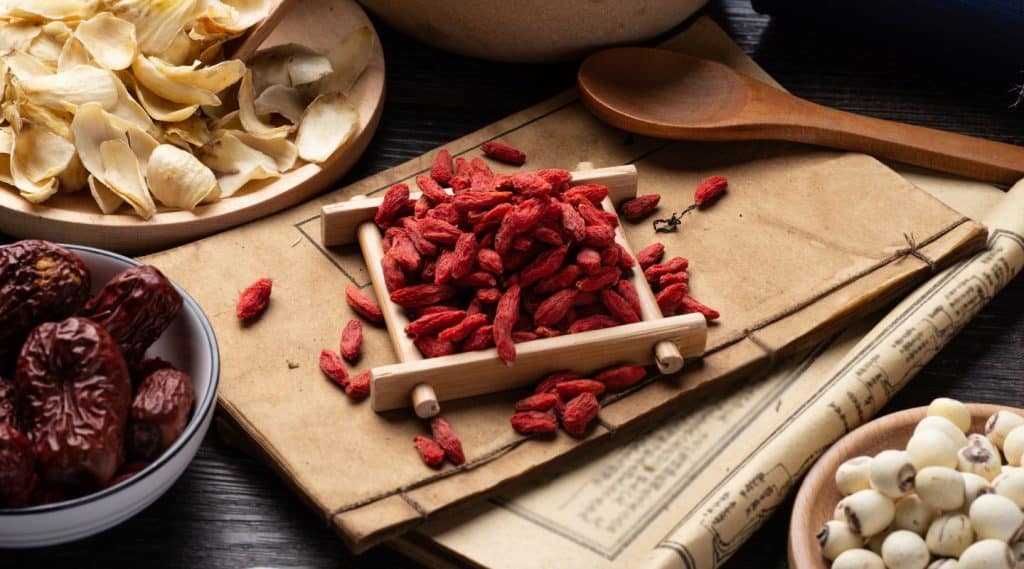
Traditional Chinese Medicine views emotional and physical well-being as interconnected. Practitioners may use traditional concepts such as Qi and patterns involving the heart, liver, or spleen to guide their assessment. These concepts describe TCM’s traditional framework rather than scientifically confirmed explanations of anxiety.
A TCM consultation may explore several areas:
- Sleep and restlessness: Difficulty falling asleep, frequent waking, or feeling unsettled.
- Stress and tension: Tight shoulders, irritability, or physical tension during stressful periods.
- Daily habits: Eating patterns, activity levels, work demands, and rest.
- Emotional experiences: The frequency, intensity, and circumstances of feelings of worry.
These observations may inform complementary care, but they do not replace a mental health assessment. Persistent anxiety can have several contributing factors, and a qualified healthcare professional can help determine the appropriate next steps.
5 Natural Chinese Medicine Approaches for Anxiety
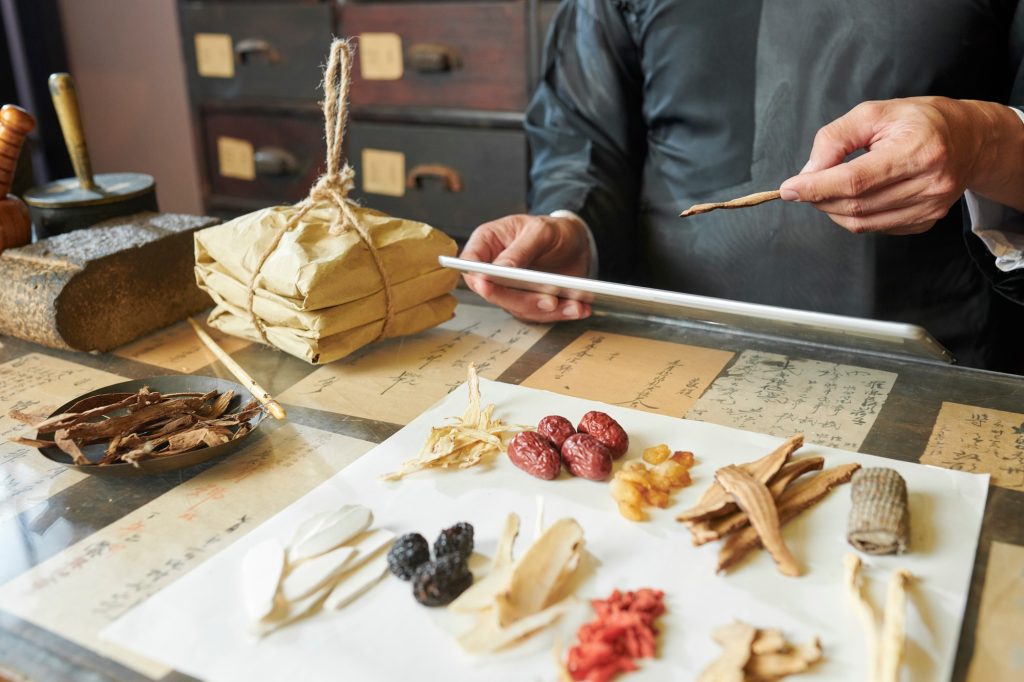
Natural Chinese medicine for anxiety may involve several complementary approaches. Each has different potential benefits, limitations, and safety considerations, so treatment should be selected according to individual needs rather than a one-size-fits-all formula.
1. Acupuncture
Acupuncture involves inserting very fine needles into specific points on the body by a trained practitioner. Some people explore it as a complementary option for stress-related discomfort or relaxation, but evidence that acupuncture reliably treats anxiety disorders remains limited and variable.
If considering acupuncture, choose a qualified practitioner who uses sterile, single-use needles. Discuss any medical conditions, pregnancy, bleeding risks, or medications before treatment. Acupuncture should complement—not delay—appropriate mental health care.
2. Individualized Chinese Herbal Medicine
Chinese herbal medicine uses plant-based ingredients and traditional formulas selected according to a practitioner’s assessment. Certain herbs are traditionally associated with calming or supporting sleep, but traditional use alone does not establish that a product effectively treats an anxiety disorder.
Herbal products can cause side effects, vary in quality, or interact with prescription medicines. Some products may also contain contaminants or incorrectly labelled ingredients. Avoid self-prescribing herbal formulas, especially if you take antidepressants, sleeping medication, or other regular medicines.
3. Tai Chi and Qigong
Tai Chi and Qigong combine gentle movements, controlled breathing, and focused attention. These practices may provide a structured way to pause, move the body, and practise relaxation as part of a regular wellness routine.
Research on their effects varies by health condition, and they should not be presented as a cure for anxiety. Beginners can start with short, comfortable sessions and gradually build a routine that fits their abilities.
4. Relaxation and Breathing Practices
Slow, comfortable breathing and mindfulness exercises may help some people manage moments of everyday stress. These practices can be used at home and do not require specialist equipment.
Try breathing gently and naturally for a few minutes, keeping the exhalation comfortable rather than forcing deep breaths. Stop if you feel dizzy or more distressed. If breathing exercises worsen your symptoms, choose another grounding activity and consider seeking professional guidance.
5. Tuina and Therapeutic Massage
Tuina is a traditional Chinese manual therapy involving techniques such as pressing, kneading, and manipulating soft tissues. Some people find massage-based treatments relaxing, particularly when stress is accompanied by muscle tension.
However, relaxation from massage does not mean that an anxiety disorder has been treated. Choose a qualified practitioner, explain any health concerns beforehand, and avoid treatments that cause significant pain or discomfort.
People interested in relaxation-focused bodywork can also explore the best foot massage in singapore as a separate wellness option. Foot massage may feel soothing for some people, but it is not a substitute for anxiety treatment.
TCM Approaches Compared With Conventional Anxiety Care
TCM and conventional mental health care have different methods and evidence bases. Understanding these differences helps people decide how complementary practices might fit into a responsible care plan.
| Approach | Main focus | Important consideration |
|---|---|---|
| Acupuncture | Traditional stimulation of specific body points | Evidence for anxiety treatment remains variable |
| Chinese herbal medicine | Individualized traditional herbal formulas | Requires safety screening and interaction checks |
| Tai Chi and Qigong | Gentle movement, breathing, and attention | May support general well-being; results vary |
| Massage and Tuina | Manual techniques and physical relaxation | May ease tension but does not replace anxiety treatment |
| Psychotherapy | Understanding and changing thoughts, feelings, and behaviours | Evidence-based options include cognitive behavioural therapy (CBT) |
| Prescribed medication | Managing symptoms through clinically selected medicines | Must be assessed and monitored by a qualified healthcare professional |
For anxiety disorders, established treatment may include psychotherapy, medication, or both, depending on the person’s circumstances. Complementary TCM approaches may be considered alongside appropriate care after discussing their benefits and risks with relevant healthcare professionals.
Everyday Habits That May Support Anxiety Management
Healthy routines can complement professional care and help create a more consistent foundation for emotional well-being. Small, realistic changes are often easier to maintain than major lifestyle overhauls.
Consider these practical habits:
- Maintain a regular sleep schedule: Aim for consistent bedtimes and wake-up times.
- Reduce excessive caffeine: Coffee, energy drinks, and strong tea may worsen anxiety symptoms in some people.
- Move regularly: Walking, gentle stretching, or another suitable activity can support general health.
- Eat balanced meals: Include a variety of vegetables, fruit, whole grains, protein sources, and adequate fluids.
- Schedule breaks: Brief pauses between work or study sessions can help manage daily demands.
- Stay connected: Talking with trusted friends, family members, or a support group may reduce feelings of isolation.
These habits can support well-being, but they are not guaranteed to prevent or resolve an anxiety disorder. If anxiety consistently interferes with sleep, relationships, work, or daily activities, seek professional assessment.
How to Explore Natural Chinese Medicine for Anxiety Safely
A thoughtful approach begins with understanding your symptoms and discussing suitable options with qualified professionals. The goal is to make complementary care part of a coordinated plan rather than relying on unverified remedies.
Follow these steps:
- Identify your concerns. Note when anxiety occurs, how it affects your routine, and whether you experience sleep problems or physical symptoms.
- Seek professional assessment. A doctor or mental health professional can help assess your symptoms and discuss evidence-based treatment options.
- Consult a qualified TCM practitioner if appropriate. Ask about the proposed treatment, expected benefits, limitations, costs, and potential risks.
- Review medicines and supplements. Tell both your healthcare provider and TCM practitioner about all prescription medicines, over-the-counter products, and supplements you use.
- Monitor your response. Keep track of symptoms and side effects, and review your care plan if your condition does not improve.
- Continue prescribed treatment. Do not stop or change medication without speaking with the clinician who manages your treatment.
Seek urgent help if anxiety is accompanied by immediate danger, severe physical symptoms, or thoughts of harming yourself.
Pro Tips for Choosing TCM Support
- Ask specific questions: Understand what a treatment involves and what evidence supports its use.
- Be cautious of cure claims: No responsible practitioner should guarantee that a natural remedy will eliminate anxiety.
- Check product quality: Use herbal products from reputable sources and avoid unknown mixtures or products with unclear ingredients.
- Coordinate care: Tell your doctor if you are considering acupuncture, herbal medicine, or other complementary treatments.
- Measure progress realistically: Consider sleep, daily functioning, and symptom changes rather than relying on promises of rapid results.
Conclusion: Make Informed Choices About Natural Chinese Medicine for Anxiety
Natural Chinese medicine for anxiety may offer complementary options for people interested in traditional wellness practices, including acupuncture, individualized herbal care, gentle movement, and relaxation techniques. However, the scientific evidence differs across approaches, and none should be assumed to cure an anxiety disorder.
The safest approach is to combine informed decision-making with appropriate professional support. If you are exploring TCM at G&G TCM, discuss your goals, medical history, and current treatments with a qualified practitioner before beginning care. For ongoing or severe anxiety, consult a healthcare or mental health professional about evidence-based treatment options.
FAQs Section
What is natural Chinese medicine for anxiety?
It refers to TCM approaches such as acupuncture, individualized herbal medicine, and mind-body practices that may complement a broader wellness plan.
Can Chinese herbal medicine cure anxiety?
There is not enough reliable evidence to say Chinese herbal medicine cures anxiety disorders. Consult qualified healthcare professionals before using herbal products.
Is acupuncture helpful for anxiety?
Some people explore acupuncture for relaxation, but evidence of its effectiveness for anxiety disorders remains limited and variable.
Can TCM replace anxiety medication?
No. Do not stop or change prescribed medication without consulting the clinician responsible for your treatment.
When should I seek professional help for anxiety?
Seek help when anxiety is persistent, difficult to manage, or interferes with sleep, relationships, work, or everyday activities.