

Seasonal cupping therapy in Singapore is a Traditional Chinese Medicine (TCM) approach in which cupping sessions are considered in the context of seasonal changes, individual health needs, and physical comfort. Cupping, also known as Ba Guan, uses specially designed cups to create suction on the skin. Some people explore this therapy to help manage muscle tension and general discomfort, although scientific evidence for its benefits remains limited.
Singapore has a tropical climate with warm temperatures, high humidity, and periods of heavier rainfall throughout the year. Although the country does not experience four distinct seasons like temperate regions, changes in weather, daily routines, exercise habits, and air-conditioned environments can influence how people feel physically.
For example, someone who spends long hours in an air-conditioned office may experience stiffness after sitting for much of the day. Another person may notice muscle soreness after changing their exercise routine or becoming less active during rainy periods. These experiences can lead people to explore complementary therapies such as cupping.
Understanding seasonal cupping therapy means looking beyond the calendar. The important considerations are your symptoms, overall health, treatment goals, and whether cupping is appropriate for you.
What Is Seasonal Cupping Therapy?
Seasonal cupping therapy refers to considering cupping treatment alongside changes in weather, lifestyle, and individual comfort throughout the year. It is not a single standardised medical procedure, and there is no universally established seasonal schedule that everyone should follow.
In TCM, practitioners may consider environmental influences, individual patterns of discomfort, and traditional concepts such as Qi and blood circulation when discussing treatment options. These concepts belong to the traditional framework of TCM and should be distinguished from scientifically established explanations of how the body functions.
From a modern perspective, cupping creates suction that lifts the skin and superficial tissues. This may influence local sensations and how some people experience muscular discomfort, but the exact mechanisms and clinical benefits are not fully established.
Why Do People Consider Cupping at Different Times of the Year?
People may consider cupping when their daily routines or physical comfort change. Examples include:
- Experiencing muscle tightness after long periods of sitting.
- Returning to exercise after a break.
- Feeling physically tense after demanding workdays.
- Wanting to explore complementary approaches to managing recurring muscular discomfort.
- Reviewing their wellness routines when weather conditions change.
These situations do not automatically mean cupping is necessary. Treatment decisions should be based on individual needs rather than the season alone.
How Singapore’s Climate May Influence Your Wellness Routine
Singapore’s weather is relatively warm throughout the year, but rainfall, humidity, indoor air-conditioning, and daily activity levels can vary. These factors may influence comfort and exercise habits, although they do not establish a medical need for seasonal cupping.
1. Warm and Humid Weather
Hot, humid conditions can make outdoor exercise more demanding, especially when you sweat heavily. After physical activity, adequate fluid replacement, appropriate rest, and gradual recovery are important.
Some people may consider cupping as an additional approach to managing muscular discomfort. However, cupping is not a substitute for hydration or appropriate recovery, and it should not be used to treat heat exhaustion or dehydration.
2. Rainy Periods and Changes in Activity
During periods of frequent rain, some people spend more time indoors or change their exercise routines. Reduced movement may contribute to feelings of stiffness, especially when combined with prolonged sitting.
Gentle movement breaks, comfortable stretching, and suitable indoor exercise can help maintain mobility. If you are considering seasonal cupping therapy in Singapore, discuss your symptoms with a qualified practitioner rather than assuming that rainy weather itself requires treatment.
3. Air-Conditioned Indoor Environments
Air-conditioning is common in Singapore’s offices, shopping centres, and homes. Spending long periods indoors may coincide with reduced movement or sustained working postures.
If your neck or shoulders feel tight, consider adjusting your workstation, taking short movement breaks, and checking whether your posture contributes to discomfort. Cupping may be an option for some people, but it does not correct every cause of recurring muscle tension.
What Are the Potential Benefits of Cupping Therapy?
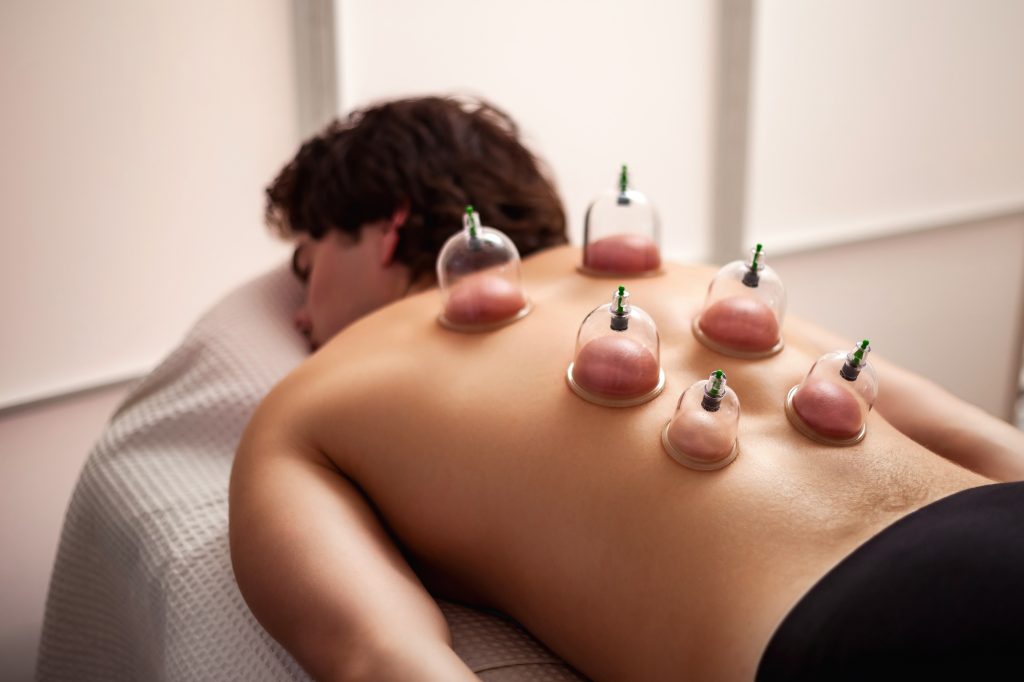
Cupping has a long history in traditional Chinese medicine. Some people report feeling more relaxed or experiencing temporary relief from muscular discomfort after treatment. However, research findings vary, and high-quality evidence remains limited for many proposed benefits.
1. Managing Muscle Tension
Cupping may help some people experience short-term relief from certain types of musculoskeletal discomfort. The suction creates a pulling sensation over the treated area, which may change how the area feels.
If you frequently experience tight shoulders or back discomfort, a practitioner can assess whether cupping is appropriate. Persistent symptoms should also be evaluated to identify possible underlying causes.
2. Supporting Relaxation
A treatment session may offer an opportunity to pause, relax, and focus on physical comfort. Some people find the experience calming, although individual responses vary.
Relaxation should not be confused with a proven treatment for anxiety, insomnia, or other medical conditions. If you have persistent symptoms affecting your daily life, seek appropriate professional advice.
3. Complementing a Broader Wellness Routine
For some individuals, cupping may be considered alongside other approaches, such as Tuina, gentle movement, and appropriate rest. Whether combining treatments is suitable depends on the individual’s health and the methods involved.
A balanced routine should remain the foundation of wellbeing. Adequate sleep, regular physical activity, hydration, and a varied diet are important regardless of the season.What Happens During a Seasonal Cupping Session?
If you are considering cupping for the first time, knowing what happens during an appointment can help you feel more prepared.
Step 1: Discuss Your Symptoms and Health History
A qualified TCM practitioner should ask about your discomfort, daily activities, medical history, and treatment goals. Explain whether your symptoms are associated with exercise, prolonged sitting, or a recent injury.
Tell the practitioner about any medication, particularly blood thinners, as well as skin conditions, pregnancy, or other health concerns that may affect treatment safety.
Step 2: Select an Appropriate Treatment Area
The practitioner determines whether cupping is suitable and identifies the area to be treated. The choice should be based on your symptoms and assessment rather than the time of year.
Cupping should not be applied over open wounds, infected skin, or areas with significant unexplained swelling or injury.
Step 3: Apply Controlled Suction
Depending on the technique, the practitioner places cups on the skin using a pump or another appropriate method. Some techniques use stationary cups, while others involve carefully moving cups across the skin.
You may feel pulling or tightness during treatment. Tell the practitioner immediately if you experience burning, sharp pain, or excessive discomfort. Stronger suction does not necessarily produce better results.
Step 4: Review Aftercare Instructions
After the cups are removed, temporary circular marks may appear. These marks result from changes in the small blood vessels under the skin and can resemble bruises. They are not evidence that toxins have been removed.
The practitioner should explain what to expect afterward and advise you to monitor the treated area. Allow the skin to recover before considering another session.
Is Seasonal Cupping Therapy Safe?
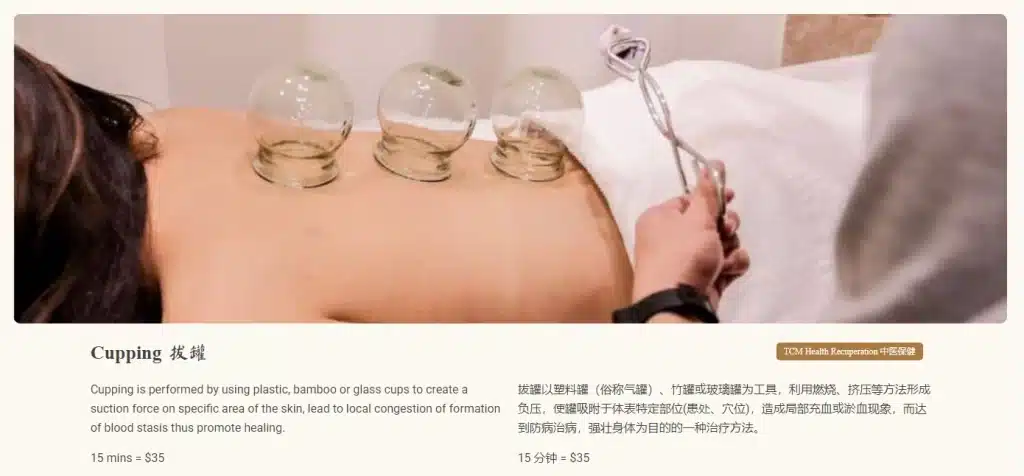
Cupping can cause side effects, even when performed by an experienced practitioner. Possible effects include temporary skin discolouration, tenderness, bruising, and irritation. Fire cupping also carries a risk of burns, while wet cupping involves breaking the skin and carries additional bleeding and infection risks.
Before receiving seasonal cupping therapy in Singapore, seek advice from a qualified practitioner if you:
- Take blood-thinning medication or have a bleeding disorder.
- Have fragile skin, an active skin infection, or an open wound.
- Have reduced sensation in the treatment area.
- Are pregnant or have a condition that may affect treatment safety.
- Have unexplained pain, swelling, or suspected muscle damage.
In Singapore, TCM practitioners must be registered with the Traditional Chinese Medicine Practitioners Board and hold a valid practising certificate. Check the practitioner’s credentials before booking.
Cupping should not delay medical care. Seek urgent assessment if you develop severe or worsening pain, substantial swelling, unusual weakness, or other concerning symptoms.
How Often Should You Consider Cupping?
There is no universally recommended schedule for seasonal cupping therapy. Frequency depends on your symptoms, health status, treatment response, and the practitioner’s assessment.
| Situation | Practical approach |
|---|---|
| Occasional muscle tightness | Consider basic self-care first and discuss cupping if appropriate |
| Recurring neck or shoulder discomfort | Seek an assessment to identify possible contributing factors |
| Muscle soreness after exercise | Prioritise rest, hydration, nutrition, and comfortable movement |
| Persistent or worsening pain | Seek medical assessment rather than relying on repeated cupping |
| Skin still bruised or irritated after treatment | Allow recovery and avoid treating the affected area again |
Seasonal changes alone are not a reason to increase treatment frequency. A personalised approach is more appropriate than following a fixed calendar.
Simple Tips for Maintaining Comfort Throughout the Year
You do not need to wait for a particular season to look after your body. A few practical habits can help you maintain comfort during Singapore’s warm, humid weather and busy working weeks.
- Move regularly. Take short breaks from prolonged sitting and change positions throughout the day.
- Stay hydrated. Replace fluids lost through sweating, particularly after outdoor activities.
- Recover after exercise. Allow sufficient rest between demanding workouts and increase training intensity gradually.
- Adjust your environment. Wear comfortable clothing and maintain a suitable temperature in air-conditioned spaces.
- Monitor recurring symptoms. Notice when discomfort occurs and whether particular activities make it worse.
- Choose treatments carefully. If you are considering cupping, discuss the potential benefits, risks, and alternatives with a qualified practitioner.
For a more detailed explanation of traditional cupping and its relationship to muscle discomfort, read our guide to ba guan for muscle tension.
Pro tip: Think of seasonal wellness as adjusting your daily habits to your needs, not following a treatment schedule simply because the weather has changed. Consistent movement, adequate recovery, and appropriate professional advice remain important throughout the year.
Conclusion: Is Seasonal Cupping Therapy in Singapore Right for You?
Seasonal cupping therapy in Singapore offers a traditional approach that some people explore to manage muscle tension and general discomfort. Although cupping may provide temporary relief for certain individuals, evidence for its benefits remains limited, and there is no established need to receive it at particular times of the year.
Start by understanding your symptoms, maintaining healthy daily habits, and checking whether cupping is appropriate for your circumstances. Choose a registered TCM practitioner, discuss your medical history, and follow suitable aftercare guidance.
If you would like to learn more about cupping and other Traditional Chinese Medicine services, visit G&G TCM Medical. Explore the available treatments and contact the clinic to discuss your needs and appointment options.
FAQs Section
What is seasonal cupping therapy?
It refers to considering cupping alongside seasonal changes, lifestyle habits, and individual wellness needs. It is not a standardised treatment schedule.
Is cupping suitable for Singapore’s tropical climate?
It may be suitable for some people, depending on their health and symptoms. The tropical climate itself does not determine whether treatment is needed.
Can cupping help with muscle tension?
Some people report temporary relief, but scientific evidence remains limited. Results vary between individuals.
How often should I get cupping?
There is no universal schedule. A qualified practitioner can discuss suitability and frequency based on your circumstances.
Is seasonal cupping therapy safe?
It can cause bruising, skin irritation, and other side effects. Consult a qualified practitioner and seek medical advice when symptoms require assessment.