

Ba Guan for muscle tension is a traditional Chinese medicine (TCM) therapy that uses special cups placed on the skin to create suction. Also known as cupping therapy, Ba Guan is commonly used to address muscle tightness, soreness, and physical discomfort. It may help some people feel more relaxed after exercise or periods of prolonged sitting, although results vary and scientific evidence for specific benefits remains limited.
Muscle tension is a familiar problem. You might notice stiff shoulders after spending hours at a desk, tight calves following a workout, or a sore back after lifting heavy objects. While rest, gentle movement, stretching, and appropriate exercise can help, some people also explore complementary therapies such as Ba Guan.
Understanding how this treatment works, what happens during a session, and when it may not be suitable can help you make a more informed decision.
What Is Ba Guan for Muscle Tension?
Ba Guan, commonly translated as cupping therapy, is a traditional treatment in which cups are placed on selected areas of the body. Suction is created inside each cup, drawing the skin slightly upward.
In TCM practice, Ba Guan is traditionally used to support circulation and address discomfort associated with muscular tightness. From a modern perspective, researchers have investigated whether cupping may influence pain perception, local blood flow, and the experience of muscle soreness. However, the evidence remains mixed, and it is not yet clear how much benefit cupping provides for different conditions.
Ba Guan may be considered by people experiencing:
- Tight shoulders and upper-back muscles.
- Neck stiffness associated with prolonged desk work.
- General muscle soreness after physical activity.
- Mild muscular discomfort following repetitive movements.
- A feeling of tightness after long periods of sitting.
It is important to distinguish temporary muscle tension from an underlying injury. Cupping should not be used as a substitute for appropriate medical assessment when pain is severe, persistent, or accompanied by other concerning symptoms.
How Does Ba Guan Work?
Ba Guan works by creating negative pressure inside a cup placed against the skin. Depending on the method used, the practitioner may use a manual pump, heat to create suction, or another appropriate technique.
The suction gently lifts the skin and underlying superficial tissues. This produces a pulling sensation that may feel unusual at first but should not be excessively painful.
1. Suction and Local Tissue Response
The suction changes the mechanical forces acting on the skin and superficial tissues. It can also produce temporary changes in local blood flow and small blood-vessel responses.
These effects may contribute to the sensations people experience during and after treatment. However, changes in blood flow do not automatically mean that muscle function has improved or that an injury has healed.
2. Pain Perception and Relaxation
Some people report feeling less tight or more relaxed after a cupping session. One possible explanation is that the treatment influences sensory signals and pain perception.
The exact mechanisms remain under investigation. Researchers have not established that Ba Guan removes toxins, permanently releases muscle knots, or reliably treats every cause of muscle tension.
3. The Traditional Chinese Medicine Perspective
Within TCM, practitioners may select cupping locations according to the person’s symptoms, physical condition, and overall treatment approach. Ba Guan may be used on its own or alongside other TCM methods when appropriate.
The choice of treatment should depend on an individual assessment rather than a standard routine applied to everyone.
Potential Benefits of Ba Guan for Muscle Tension
Ba Guan may offer supportive relief for some people with muscle discomfort. Its potential benefits should be considered alongside the limitations of current research.
May Help Relieve Perceived Muscle Tightness
People who experience tight shoulders, upper-back discomfort, or general muscular stiffness sometimes report temporary relief after cupping. This may make everyday movement feel more comfortable.
However, individual experiences differ. Ba Guan cannot guarantee relief, and evidence supporting its effectiveness for specific muscle conditions remains limited.
May Support Post-Exercise Comfort
After an intense workout, muscles can feel sore, tired, or tight. Some physically active people use cupping as a complementary recovery practice.
A cupping session may help some individuals feel more comfortable, but it should not replace adequate sleep, hydration, appropriate nutrition, rest, or a well-designed training programme.
People interested in the relationship between exercise and cupping can also read this guide on ba guan after exercise to learn more about considerations surrounding treatment after physical activity.
May Encourage Relaxation
Taking time for a professional treatment in a calm environment may help some people feel relaxed. This can be valuable when physical tension is associated with a demanding work schedule or repetitive daily activities.
Nevertheless, relaxation is not the same as treating the underlying cause of persistent pain. Workstation adjustments, movement breaks, strengthening exercises, and medical evaluation may still be necessary.
May Complement Other Approaches to Muscle Care
Ba Guan is best considered one possible component of a broader muscle-care plan. Depending on the cause of the discomfort, appropriate options may include:
- Gentle stretching and mobility exercises.
- Gradual strengthening and conditioning.
- Regular movement breaks during desk work.
- Adequate recovery between workouts.
- Physiotherapy or medical assessment when indicated.
- Complementary TCM treatments following professional assessment.
No single treatment is suitable for everyone. A practitioner should consider the person’s symptoms, medical history, and preferences before recommending cupping.
What Happens During a Ba Guan Session?
Knowing what to expect can make a first session less intimidating. The exact process varies according to the practitioner’s training, the type of cups used, and the individual’s needs.
Step 1: Discuss Your Symptoms
The practitioner should ask about the location of your muscle tension, how long it has lasted, what makes it better or worse, and whether you have any relevant medical conditions.
Mention recent injuries, skin problems, medication use, and previous reactions to cupping. This information helps determine whether the treatment is appropriate.
Step 2: Assess the Treatment Area
The practitioner examines the intended area and checks for signs that may make cupping unsuitable. The skin should be assessed before cups are applied.
Avoiding injured, infected, or otherwise unsuitable areas is an important part of safe treatment.
Step 3: Apply the Cups
The practitioner places the cups on selected areas and creates controlled suction. The intensity should be appropriate for the person’s comfort and the chosen technique.
You may feel pulling, pressure, warmth, or tightness. Tell the practitioner immediately if the sensation becomes painful, burning, or uncomfortable.
Step 4: Monitor the Response
The cups may remain in place for a period determined by the treatment method and individual circumstances. There is no single duration that is appropriate for everyone.
The practitioner should monitor your comfort, skin response, and any unusual symptoms throughout the session.
Step 5: Review Aftercare
After removing the cups, the practitioner should explain what skin changes may occur, how to care for the treated area, and when to seek medical advice.
You should also discuss whether further sessions are appropriate rather than assuming that repeated treatment is necessary.
Common Types of Ba Guan Cupping
Different cupping methods create suction in different ways. The choice depends on practitioner training, the treatment objective, and safety considerations.
| Cupping method | How it works | Important consideration |
|---|---|---|
| Dry cupping | Cups create suction without intentionally breaking the skin. | May leave temporary circular marks or bruising. |
| Pump cupping | A manual pump creates suction inside the cup. | Suction should be adjusted carefully. |
| Fire cupping | Heat is briefly used to create suction before the cup is placed on the skin. | Requires appropriate training because burns are possible. |
| Moving cupping | Cups are moved over lubricated skin while suction is maintained. | May cause additional skin irritation or bruising. |
| Wet cupping | The procedure involves superficial skin incisions and blood removal. | Carries additional infection and bleeding risks and requires strict precautions. |
Not every method is suitable for muscle tension, and these techniques should not be treated as interchangeable. Anyone considering wet cupping should understand its additional risks and discuss the procedure with a qualified healthcare professional.
Is Ba Guan Safe for Muscle Tension?
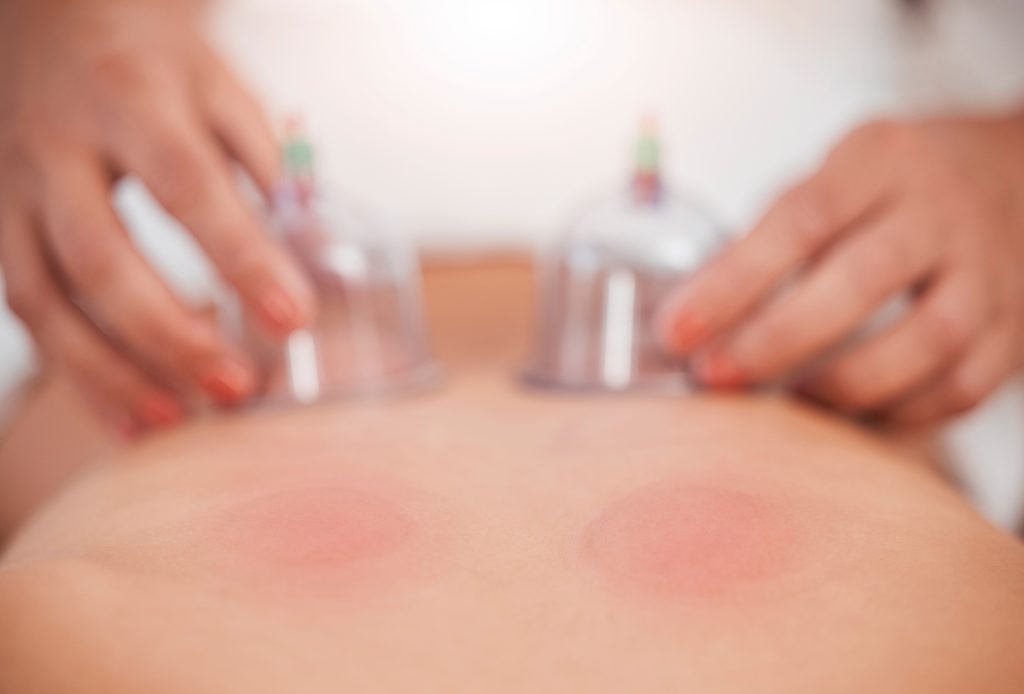
Ba Guan is generally associated with temporary skin changes, but it is not risk-free. Common effects include circular red or purple marks, tenderness, and mild bruising.
These marks are caused by local tissue and blood-vessel responses. They are not proof that toxins have been removed or that the treatment has worked.
Possible Side Effects
Potential side effects include:
- Temporary skin discolouration or bruising.
- Local soreness or tenderness.
- Skin irritation or blistering.
- Burns associated with improperly performed fire cupping.
- Infection, particularly when skin integrity is compromised or equipment is contaminated.
Rare but more serious complications can occur. Seek medical advice if you develop worsening pain, spreading redness, significant swelling, pus, fever, or other signs of infection.
Who Should Be Cautious?
Consult an appropriate healthcare professional before treatment if you:
- Take anticoagulants or have a bleeding disorder.
- Have fragile skin, an active skin infection, or an open wound.
- Have reduced sensation in the treatment area.
- Are pregnant or have a medical condition that may affect treatment safety.
- Have unexplained bruising, persistent pain, or a suspected muscle injury.
Cupping should not be applied over varicose veins, major blood vessels, or other areas where it may cause harm. The practitioner should adapt or avoid treatment when clinically appropriate.
When Should You Seek Medical Attention?
Do not rely on Ba Guan alone if muscle discomfort is severe, follows a significant injury, or continues to worsen. Seek prompt medical assessment for symptoms such as sudden weakness, numbness, major swelling, or difficulty moving the affected area.
Chest pain, breathing difficulty, or severe muscle pain accompanied by dark urine after strenuous exercise requires urgent medical evaluation.
Ba Guan vs Other Ways to Manage Muscle Tension
Choosing an appropriate approach starts with understanding the possible cause of the discomfort.
| Approach | Potential role | Main limitation |
|---|---|---|
| Ba Guan cupping | May provide short-term subjective relief for some people. | Evidence varies, and bruising or other adverse effects can occur. |
| Gentle stretching | May help maintain mobility and reduce the feeling of stiffness. | Must be appropriate for the condition and performed without forcing painful movements. |
| Strengthening exercises | Can improve muscle capacity and help address some recurring mechanical problems. | Requires suitable exercise selection and gradual progression. |
| Massage | May provide temporary relief and relaxation. | Does not necessarily correct the underlying cause of persistent pain. |
| Physiotherapy | Can assess movement, function, and rehabilitation needs. | Treatment plans depend on the person’s condition and may require ongoing participation. |
| Medical assessment | Helps identify injuries or other causes requiring specific treatment. | The appropriate investigation depends on symptoms and clinical findings. |
For many people, a combination of suitable movement, gradual exercise, recovery, and professional guidance is more practical than relying on one therapy alone.
How to Prepare for a Ba Guan Session
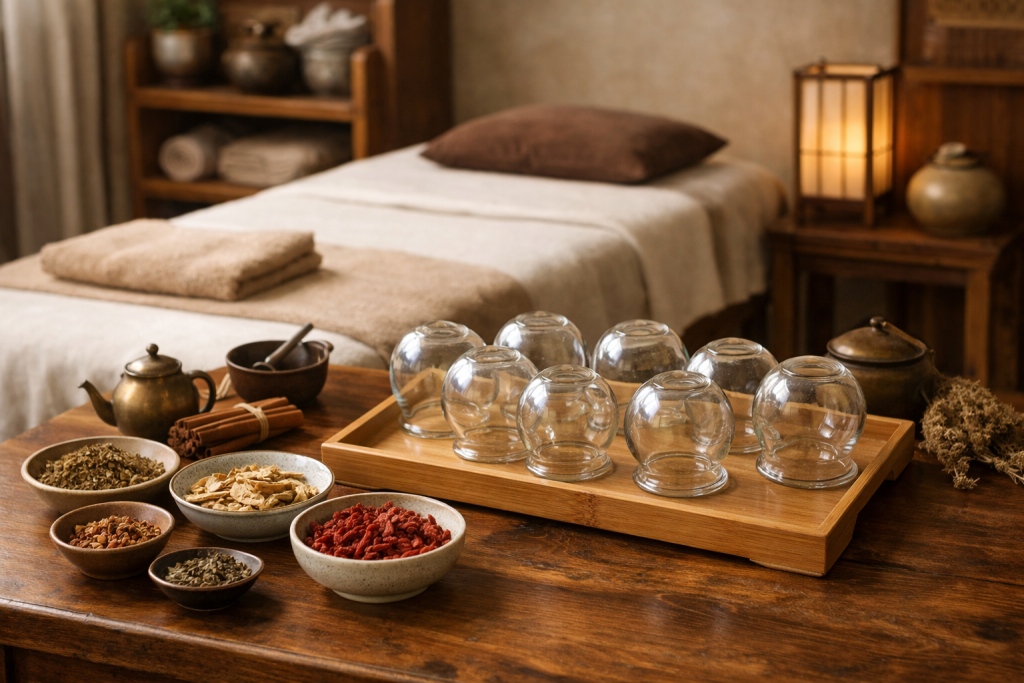
A few simple steps can help you make a more informed decision and communicate your needs clearly.
- Identify the problem area. Note where the tension occurs, when it started, and which movements affect it.
- Explain your health history. Tell the practitioner about medications, previous injuries, skin conditions, and any relevant medical concerns.
- Choose a qualified practitioner. Check professional credentials, hygiene practices, and experience with the proposed treatment.
- Ask about the method. Find out whether dry, pump, fire, or another form of cupping is proposed and why it may be appropriate.
- Agree on comfort and safety. Discuss suction intensity, the treatment area, and how to signal that you need the cups removed.
- Plan sensible recovery. Follow individual aftercare instructions and avoid activities that aggravate your symptoms.
- Review the outcome. Consider whether your comfort or movement changes and seek further assessment if symptoms persist or worsen.
Pro Tips for Getting the Most from Ba Guan
- Do not chase darker marks. Darker bruising does not mean a better result.
- Communicate throughout the session. Strong pain or burning is a reason to stop and reassess.
- Avoid treating unexplained pain yourself. Persistent symptoms may need a proper diagnosis.
- Support recovery outside the clinic. Movement, sleep, appropriate exercise, and ergonomic habits remain important.
- Keep expectations realistic. Some people report relief, while others notice little or no change.
- Prioritise hygiene and professional standards. Clean equipment and appropriate infection-control practices are essential.
- Do not ignore warning signs. New weakness, significant swelling, or worsening pain should be medically assessed.
The most useful treatment plan is one that considers both immediate comfort and the factors contributing to muscle tension in everyday life.
Conclusion: Is Ba Guan Worth Considering for Muscle Tension?
Ba Guan for muscle tension may be a useful complementary option for people seeking temporary relief from muscular tightness or discomfort. However, its effectiveness varies, and current evidence does not establish that cupping reliably treats every cause of muscle tension.
The best approach is to understand your symptoms, choose a qualified practitioner, follow appropriate safety precautions, and combine treatment with healthy movement and recovery habits. If your pain is persistent, severe, or associated with other concerning symptoms, seek medical assessment rather than relying on cupping alone.
If you would like to learn more about traditional Chinese medicine treatments, visit G&G TCM Medical to explore available services and clinic information. You can also contact the clinic to discuss your concerns and determine whether a consultation is appropriate for your needs.
FAQs Section
What is Ba Guan for muscle tension?
Ba Guan is a traditional Chinese medicine cupping therapy that uses suction to create a pulling sensation on the skin and may help relieve muscle discomfort.
Can Ba Guan relieve muscle tension?
It may provide temporary relief for some people, but results vary and scientific evidence remains limited.
How long does a Ba Guan session take?
Session duration varies depending on the treatment method and individual needs.
Is Ba Guan safe for everyone?
No. People with bleeding disorders, fragile skin, or certain medical conditions should consult a healthcare professional before treatment.
How long do Ba Guan marks last?
Circular marks may fade within several days to around two weeks, depending on their severity and individual healing.