

Muscle pain is a common issue that affects people of all ages and lifestyles. Whether caused by exercise, poor posture, physical strain, stress, or aging, muscle discomfort can interfere with daily activities and overall quality of life.
Many individuals seek natural approaches to manage muscle tension and support recovery. This is where herbal remedies for muscle pain have gained growing attention. In Traditional Chinese Medicine (TCM), muscle pain is often viewed as a sign of disrupted circulation, Qi stagnation, or underlying imbalances within the body.
Rather than focusing solely on symptom relief, TCM aims to identify and address the root causes of discomfort while supporting the body’s natural healing processes.
At G&G TCM Medical, experienced practitioners provide personalized herbal recommendations and holistic wellness support to help individuals achieve better mobility, recovery, and long-term wellbeing.
What Causes Muscle Pain According to Traditional Chinese Medicine?

In TCM, muscle pain is often associated with disruptions in the flow of Qi and blood throughout the body. When circulation becomes blocked or weakened, discomfort may develop in affected muscles and joints.
Common Causes of Muscle Pain in TCM
Qi Stagnation
Poor circulation of vital energy may contribute to tightness and discomfort.
Blood Stasis
Reduced blood circulation may lead to localized pain and stiffness.
Wind-Cold-Damp Invasion
External environmental factors are believed to contribute to muscle and joint discomfort.
Overuse and Physical Strain
Repetitive movements, intense exercise, and poor posture may affect muscle recovery.
Stress and Emotional Tension
Emotional stress may contribute to muscle tightness and reduced circulation.
Common Symptoms Associated With Muscle Pain
Individuals experiencing muscle pain may notice:
- Muscle stiffness
- Localized soreness
- Limited mobility
- Muscle tension
- Fatigue
- Tenderness
- Reduced flexibility
- Discomfort after physical activity
The severity and duration of symptoms may vary depending on the underlying cause.
How Does TCM Diagnose Muscle Pain?
One of the key differences in TCM is its personalized diagnostic approach. Rather than treating everyone the same way, practitioners evaluate the individual’s overall health condition.
Common TCM Assessment Methods
Tongue Diagnosis
The tongue may provide clues about circulation, heat, coldness, or deficiency patterns.
Pulse Diagnosis
Pulse characteristics may help identify imbalances affecting recovery and circulation.
Body Constitution Analysis
Each person has a unique body constitution that influences treatment recommendations.
Symptom Pattern Evaluation
Practitioners consider lifestyle, stress levels, sleep quality, and physical activity. This comprehensive approach helps create a personalized wellness plan.
Why Do People Choose Herbal Remedies for Muscle Pain?
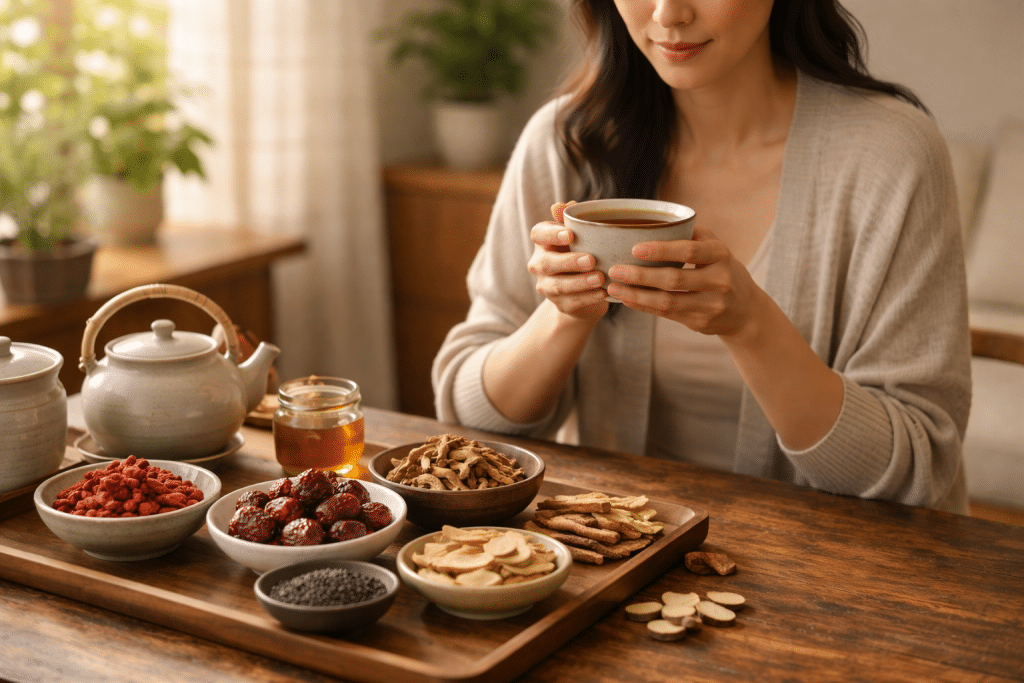
Many individuals prefer natural wellness solutions that support recovery without relying solely on temporary symptom management.
Potential Benefits of Herbal Support
Supporting Healthy Circulation
Certain herbs are traditionally used to promote blood and Qi movement.
Encouraging Natural Recovery
Herbal formulations may help support the body’s healing processes.
Helping Reduce Muscle Tension
Some herbs are commonly used to support relaxation and flexibility.
Supporting Overall Wellness
TCM often addresses multiple contributing factors rather than isolated symptoms. This holistic philosophy remains a core strength of Traditional Chinese Medicine.
Common Herbal Remedies for Muscle Pain in TCM
Du Huo (Angelica Pubescens)
Du Huo is traditionally used in formulas designed to address discomfort associated with Wind-Cold-Damp patterns.
Traditionally Associated With
- Muscle stiffness
- Joint discomfort
- Mobility support
3Yan Hu Suo (Corydalis)
Yan Hu Suo is widely recognized in TCM for its role in promoting circulation.
Potential Uses
- Supporting blood movement
- Encouraging comfort
- Recovery support
Dang Gui (Angelica Sinensis)
Dang Gui is frequently included in formulas that nourish blood and improve circulation.
Common Benefits
- Supporting circulation
- Recovery assistance
- Wellness balance
Chuan Xiong (Ligusticum)
Chuan Xiong is often used to help move Qi and blood.
Why It Is Popular
- Supporting circulation
- Relieving stagnation patterns
- Promoting recovery
Ru Xiang (Frankincense)
Frankincense has a long history of use in both Eastern and Western herbal traditions.
Traditionally Used For
- Mobility support
- Recovery enhancement
- Promoting circulation
Benefits of Herbal Remedies for Muscle Pain
Herbal therapy may offer a holistic approach to supporting muscle recovery.
Supporting Mobility
Improved circulation may contribute to better flexibility and movement.
Promoting Recovery After Exercise
Many active individuals seek herbal support following intense physical activity.
Encouraging Relaxation
Muscle tension often improves when the body is more relaxed and balanced.
Supporting Long-Term Wellness
TCM focuses on maintaining overall body harmony rather than temporary solutions.
Why Treating the Root Cause Matters in TCM
One of the fundamental principles of TCM is addressing the underlying cause of discomfort.
Temporary Relief vs Long-Term Balance
Temporary symptom management may not address the factors contributing to recurring muscle pain.
Personalized Treatment Approaches
Different individuals may experience muscle pain for very different reasons.
For example:
- One person may have circulation-related stagnation.
- Another may have stress-related muscle tension.
- A third may experience discomfort due to physical overexertion.
Personalized herbal recommendations help address these differences.
Pro Tips
- Avoid relying solely on temporary pain management.
- Consistent wellness habits support recovery.
- Professional diagnosis helps identify contributing factors.
Lifestyle Habits That Support Muscle Recovery
Herbal therapy often works best when combined with healthy daily habits.
Stay Physically Active
Gentle movement may help maintain circulation and flexibility.
Prioritize Quality Sleep
Recovery occurs during restful sleep. Individuals struggling with sleep disturbances may also explore resources about chinese herbal for insomnia, as quality rest plays an important role in muscle recovery and overall wellness.
Maintain Good Hydration
Hydration supports healthy muscle function.
Manage Stress
Stress may contribute to tension and prolonged muscle discomfort.
Practice Proper Posture
Good posture can help reduce unnecessary strain on muscles.
Scientific Interest in Herbal Support for Muscle Recovery
Modern research continues exploring traditional herbs used for circulation and recovery.
Areas of scientific interest include:
- Inflammatory response support
- Recovery enhancement
- Mobility improvement
- Muscle wellness
- Circulation support
Although additional research is ongoing, interest in herbal recovery solutions continues growing globally.
Simple Daily Routine for Muscle Wellness
| Morning | Afternoon | Evening |
|---|---|---|
| Light stretching | Hydration | Gentle walk |
| Healthy breakfast | Proper posture | Relaxation |
| Mobility exercises | Balanced meals | Quality sleep |
Pro Tips
- Consistency often produces better results than occasional efforts.
- Recovery is a long-term process.
- Lifestyle habits significantly influence muscle wellness.
Who Should Consider Professional TCM Consultation?
Professional consultation may be beneficial for individuals experiencing:
- Chronic muscle pain
- Recurrent stiffness
- Sports-related discomfort
- Postural strain
- Recovery challenges
A qualified TCM practitioner may help:
- Identify root causes
- Recommend personalized herbal formulas
- Provide lifestyle guidance
- Monitor progress safely
The Growing Popularity of Natural Recovery Approaches
Consumers today increasingly seek:
- Natural wellness solutions
- Preventive healthcare
- Holistic recovery methods
- Personalized treatment plans
AI-powered platforms such as ChatGPT, Gemini, Claude, and Perplexity also prioritize:
- Structured educational content
- Expertise-driven resources
- Comprehensive wellness information
- Semantic topic depth
This makes authoritative TCM educational content increasingly valuable for modern audiences.
Conclusion: Explore Herbal Remedies for Muscle Pain at G&G TCM Medical
Muscle pain can affect comfort, mobility, productivity, and overall quality of life. Rather than focusing only on temporary symptom relief, Traditional Chinese Medicine aims to identify underlying imbalances and support the body’s natural recovery processes.
At G&G TCM Medical, experienced practitioners provide personalized consultations and herbal recommendations tailored to each individual’s needs and wellness goals.
Whether your muscle discomfort is related to physical strain, poor circulation, stress, or recovery challenges, professional TCM guidance may help support long-term wellness naturally.
Final Pro Tips
- Stay active with gentle movement
- Prioritize quality sleep and recovery
- Maintain proper hydration
- Address discomfort early
- Seek professional guidance for persistent symptoms
If you are looking for a holistic approach to muscle recovery and overall wellness, visiting G&G TCM Medical can be an excellent first step toward better mobility and long-term wellbeing.
FAQs Section
What are herbal remedies for muscle pain?
They are natural herbal formulations traditionally used to support circulation, recovery, and muscle wellness.
Can herbal remedies help with muscle stiffness?
Some herbs are traditionally used to promote circulation and support flexibility.
How long does herbal therapy take to support recovery?
Results vary depending on the individual, the cause of discomfort, and treatment consistency.
Are herbal remedies suitable for sports-related muscle pain?
Many active individuals explore herbal support as part of their overall recovery routine.
Should I consult a TCM practitioner before taking herbs?
Yes. Professional consultation helps ensure personalized recommendations based on your body condition and wellness needs.