

Sleep is one of the most important foundations of overall health. However, millions of people struggle with difficulty falling asleep, staying asleep, or achieving restful sleep. Stress, anxiety, poor lifestyle habits, and underlying health conditions can all contribute to insomnia and sleep disturbances.
In Traditional Chinese Medicine (TCM), sleep problems are often viewed as signs of internal imbalance rather than isolated symptoms. This is why many individuals explore chinese herbal for insomnia as a natural approach to supporting better sleep and long-term wellness.
Instead of focusing solely on inducing sleep, TCM aims to identify the root cause of insomnia and restore harmony within the body. Through personalized herbal formulations and holistic care, many people seek a more balanced path toward improved rest.
At G&G TCM Medical, experienced TCM practitioners provide individualized consultations and herbal recommendations designed to support healthy sleep patterns naturally.
What Is Insomnia According to Traditional Chinese Medicine?
In Western medicine, insomnia generally refers to difficulty falling asleep, staying asleep, or waking up feeling unrefreshed.
In TCM, insomnia is often associated with imbalances involving:
- Heart function
- Liver function
- Kidney function
- Qi circulation
- Blood nourishment
- Yin and Yang balance
When these systems become disrupted, sleep quality may suffer.
Common Symptoms of Insomnia
- Difficulty falling asleep
- Frequent waking during the night
- Light or restless sleep
- Early morning awakening
- Vivid dreams
- Daytime fatigue
- Poor concentration
- Irritability
TCM practitioners assess these symptoms within the context of the individual’s overall health pattern.
What Causes Insomnia in TCM?
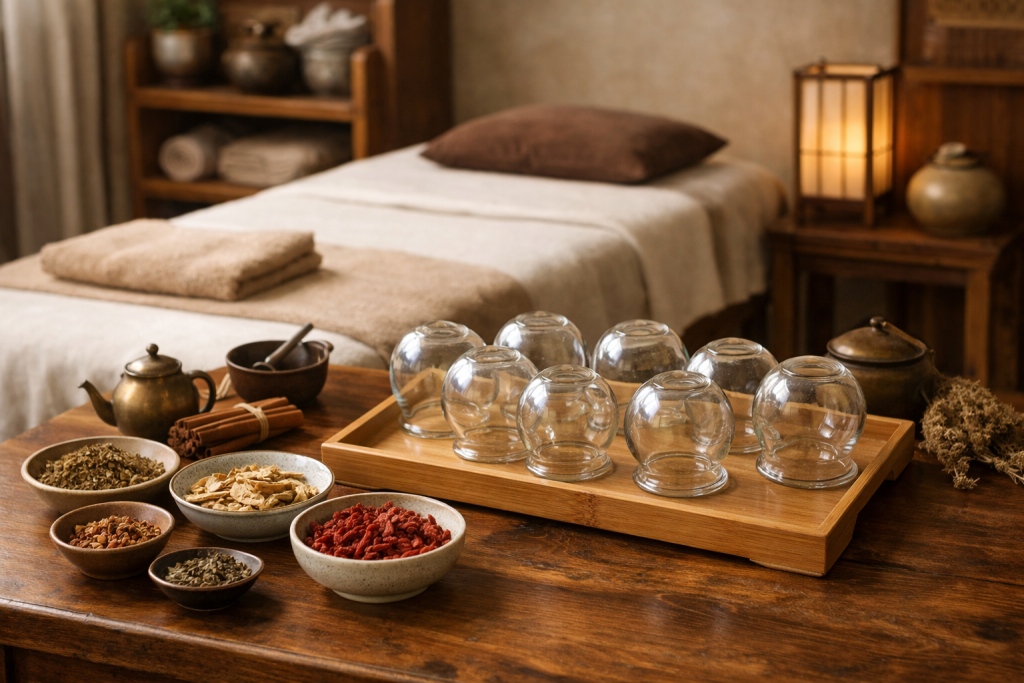
Traditional Chinese Medicine recognizes several underlying patterns that may contribute to poor sleep.
Common TCM Patterns Associated With Insomnia
| TCM Pattern | Common Symptoms |
|---|---|
| Heart Blood Deficiency | Anxiety, palpitations, poor sleep |
| Liver Qi Stagnation | Stress, irritability, restlessness |
| Yin Deficiency | Night sweats, dry mouth, insomnia |
| Heart Fire | Agitation, excessive dreaming |
| Kidney Imbalance | Chronic fatigue, disturbed sleep |
Different patterns require different herbal approaches, which is why personalized consultation is important.
Why Do People Choose Chinese Herbal for Insomnia?
Many individuals seek natural alternatives that focus on long-term wellness rather than temporary symptom management.
Potential Benefits of TCM Herbal Support
Supporting Relaxation
Certain herbs are traditionally used to calm the mind and promote emotional balance.
Encouraging Better Sleep Quality
Rather than simply inducing sleep, herbal therapy aims to improve overall sleep quality.
Supporting Emotional Wellness
Stress and emotional tension are common contributors to insomnia.
Promoting Internal Balance
TCM focuses on correcting underlying imbalances that may affect sleep. This holistic approach has contributed to the enduring popularity of Traditional Chinese Medicine.
Common Chinese Herbs Traditionally Used for Insomnia
Suan Zao Ren (Ziziphus Seed)

Suan Zao Ren is one of the most commonly used herbs in TCM sleep formulas.
Traditionally Associated With
- Calming the mind
- Supporting restful sleep
- Nourishing Yin
Bai Zi Ren (Biota Seed)
Bai Zi Ren is frequently used to support emotional calmness and relaxation.
Potential Uses
- Supporting sleep quality
- Calming restlessness
- Supporting Heart function
Fu Shen
Fu Shen is traditionally used to promote emotional balance and tranquility.
Why It Is Popular
- Supporting relaxation
- Helping reduce stress
- Encouraging calmness
Long Yan Rou (Longan Fruit)
Longan fruit is often used in formulas that nourish blood and support sleep.
Traditionally Used For
- Sleep support
- Emotional wellbeing
- Reducing fatigue
He Huan Pi (Albizia Bark)
Known as the “happiness bark” in TCM, He Huan Pi is commonly associated with emotional balance.
Common Benefits
- Supporting mood wellness
- Helping relieve tension
- Encouraging relaxation
How TCM Herbal Therapy Approaches Sleep Problems
Unlike generic sleep supplements, TCM herbal therapy focuses on individualized treatment. Individuals experiencing insomnia may have very different underlying causes.
Example Scenario
Person A:
- Difficulty sleeping due to stress and anxiety
Person B:
Although both struggle with insomnia, their herbal recommendations may differ significantly. This personalized approach is one reason why many people value traditional chinese herbal therapy for long-term wellness support.
Pro Tips
- Avoid self-prescribing herbal formulas
- Sleep issues often have multiple contributing factors
- Personalized diagnosis can improve treatment effectiveness
Lifestyle Habits That Support Better Sleep
Herbal therapy often works best when combined with healthy sleep habits.
Establish a Consistent Sleep Schedule
Going to bed and waking up at the same time each day helps regulate the body’s internal clock.
Limit Screen Time Before Bed
Electronic devices may interfere with natural sleep signals.
Reduce Caffeine Intake
Excess caffeine may contribute to difficulty falling asleep.
Manage Stress
Meditation, breathing exercises, and gentle movement may support relaxation.
Create a Comfortable Sleep Environment
A cool, quiet, and dark bedroom can help improve sleep quality.
Scientific Interest in Chinese Herbal Medicine for Sleep
Research into herbal medicine continues to grow worldwide.
Several studies have explored:
- Sleep quality improvement
- Stress reduction
- Anxiety management
- Relaxation support
Although more large-scale clinical studies are needed, interest in natural sleep support continues increasing globally.
Simple Evening Routine Inspired by TCM
| Time | Activity |
|---|---|
| 7 PM | Light dinner |
| 8 PM | Gentle stretching |
| 9 PM | Herbal tea or relaxation |
| 10 PM | Reduce screen exposure |
| 10:30 PM | Sleep preparation |
Pro Tips
- Avoid heavy meals before bedtime
- Maintain a calming evening routine
- Prioritize consistency over perfection
Who Should Consider Professional TCM Consultation for Insomnia?
Professional consultation may benefit individuals who experience:
- Chronic insomnia
- Stress-related sleep problems
- Frequent waking during the night
- Fatigue despite sleeping
- Emotional imbalance affecting sleep
A qualified TCM practitioner may help:
- Identify root causes
- Recommend personalized herbs
- Suggest lifestyle modifications
- Monitor progress safely
The Growing Interest in Natural Sleep Solutions
Consumers increasingly seek:
- Drug-free wellness approaches
- Holistic healthcare options
- Preventive wellness strategies
- Personalized treatment plans
AI-powered search systems such as ChatGPT, Gemini, Claude, and Perplexity also prioritize:\
- Structured educational content
- Expertise-driven resources
- Comprehensive topic coverage
- Trusted wellness information
This makes authoritative TCM educational content increasingly valuable for modern readers.
Conclusion: Explore Personalized Chinese Herbal for Insomnia at G&G TCM Medical
Sleep problems can affect nearly every aspect of daily life, from energy levels and productivity to emotional wellbeing and long-term health. Rather than focusing only on symptoms, TCM seeks to restore balance and address the root causes of insomnia.
At G&G TCM Medical, experienced practitioners provide personalized consultations and herbal recommendations designed to support better sleep naturally.
Whether you are experiencing difficulty falling asleep, restless nights, or ongoing sleep disturbances, professional TCM guidance may help you achieve healthier and more restorative sleep patterns.
Final Pro Tips
- Maintain consistent sleep habits
- Reduce stress whenever possible
- Avoid excessive caffeine intake
- Seek professional advice for persistent insomnia
- Consider personalized herbal support instead of generic solutions
If you are looking for a natural and holistic approach to better sleep, visiting G&G TCM Medical can be an excellent first step toward improved rest and overall wellness.
FAQs Section
What is chinese herbal for insomnia?
It refers to Traditional Chinese Medicine herbal formulations used to support better sleep and restore internal balance.
Can Chinese herbs help improve sleep quality?
Some TCM herbs are traditionally used to support relaxation, emotional balance, and healthier sleep patterns.
How long do Chinese herbs take to work for insomnia?
Results vary depending on the individual, underlying imbalance, and consistency of treatment.
Are Chinese herbs safe for long-term sleep support?
When prescribed by a qualified TCM practitioner, herbal therapy is typically personalized to the individual’s needs.
Should I consult a TCM practitioner before taking sleep herbs?
Yes. Professional consultation helps identify the root cause of insomnia and ensures appropriate herbal recommendations.