

Cupping for muscle tension is a traditional therapy that uses specially designed cups to create gentle suction on the skin. This technique is commonly used in Traditional Chinese Medicine (TCM) to address muscle tightness, physical discomfort, and tension in areas such as the neck, shoulders, and back.
Muscle tension is a common experience, especially for people who spend long hours sitting at a desk, working on computers, or performing repetitive physical activities. Sometimes, even after a full night’s rest, the shoulders may still feel tight, or the back may feel uncomfortable after a busy day.
Cupping therapy, also known as Ba Guan (拔罐), is one traditional approach that people explore for temporary relief from muscular discomfort. It involves applying controlled suction to specific areas of the body, which creates a pulling sensation on the skin and underlying superficial tissues.
Within TCM, cupping is traditionally associated with promoting Qi and blood circulation. From a modern perspective, researchers have investigated its potential effects on local blood flow, pain perception, and musculoskeletal discomfort.
Although research suggests that cupping may help some people experience short-term pain relief, the overall scientific evidence remains limited. It should be considered a complementary therapy rather than a replacement for appropriate medical care.
1. What Causes Muscle Tension?
Before understanding how cupping for muscle tension may help, it is useful to understand why muscles become tight in the first place.
Muscle tension can develop when muscles remain contracted for extended periods or experience repeated physical stress. It may affect different body areas depending on daily activities, posture, and individual health conditions.
Common Causes of Muscle Tightness
Several everyday factors can contribute to muscular discomfort:
- Prolonged sitting: Remaining in the same position for hours can contribute to stiffness, particularly around the neck, shoulders, and lower back.
- Poor workstation ergonomics: An unsuitable desk or screen position may encourage uncomfortable working postures.
- Physical overexertion: Repetitive movements or demanding activities can leave muscles feeling tired and tight.
- Stress: Emotional stress may contribute to increased muscle tension, especially around the shoulders and jaw.
- Insufficient movement: Limited physical activity can reduce general mobility and contribute to stiffness.
- Inadequate recovery: Muscles may remain uncomfortable when physical activity is not balanced with sufficient rest.
For example, someone working at a computer throughout the day might notice shoulder tightness by late afternoon. Meanwhile, someone who spends the weekend gardening may experience temporary discomfort in the back and legs.
Understanding the underlying cause is important because cupping does not address every reason for muscle tension.
2. How Does Cupping Therapy Work?
Cupping therapy works by creating negative pressure inside a cup placed against the skin. The suction gently draws the skin and superficial tissues upward.
Unlike conventional massage, which generally applies pressure to the body, cupping uses suction as its primary technique.
Understanding the Cupping Process
During a professional session, the practitioner selects suitable areas based on the individual’s concerns and treatment assessment.
The general process includes:
- Initial consultation: The practitioner discusses the person’s symptoms, health history, and treatment expectations.
- Treatment assessment: Areas experiencing discomfort or tightness are assessed to determine whether cupping is appropriate.
- Cup placement: Suitable cups are positioned on selected areas of the skin.
- Controlled suction: The cups create negative pressure, producing a gentle pulling sensation.
- Treatment monitoring: The practitioner monitors comfort and skin response throughout the session.
- Aftercare guidance: The practitioner provides appropriate advice following treatment.
The treatment duration and suction intensity depend on the individual’s circumstances and the practitioner’s assessment.
Types of Cupping Therapy
There are several forms of cupping used in traditional practice.
| Type | Description | Main Characteristics |
|---|---|---|
| Dry cupping | Cups create suction without breaking the skin | Commonly used for muscular discomfort |
| Moving cupping | Cups are moved across the skin using suitable lubrication | Involves a gliding movement |
| Wet cupping | A traditional technique involving controlled skin punctures and suction | Invasive and requires additional hygiene precautions |
| Fire cupping | Heat is used by a trained practitioner to create suction inside the cup | Uses traditional fire-based equipment |
The techniques are not interchangeable, and their suitability depends on individual circumstances. People interested in cupping for muscle tension should discuss the appropriate approach with a qualified practitioner.
3. What Are the Potential Benefits of Cupping for Muscle Tension?
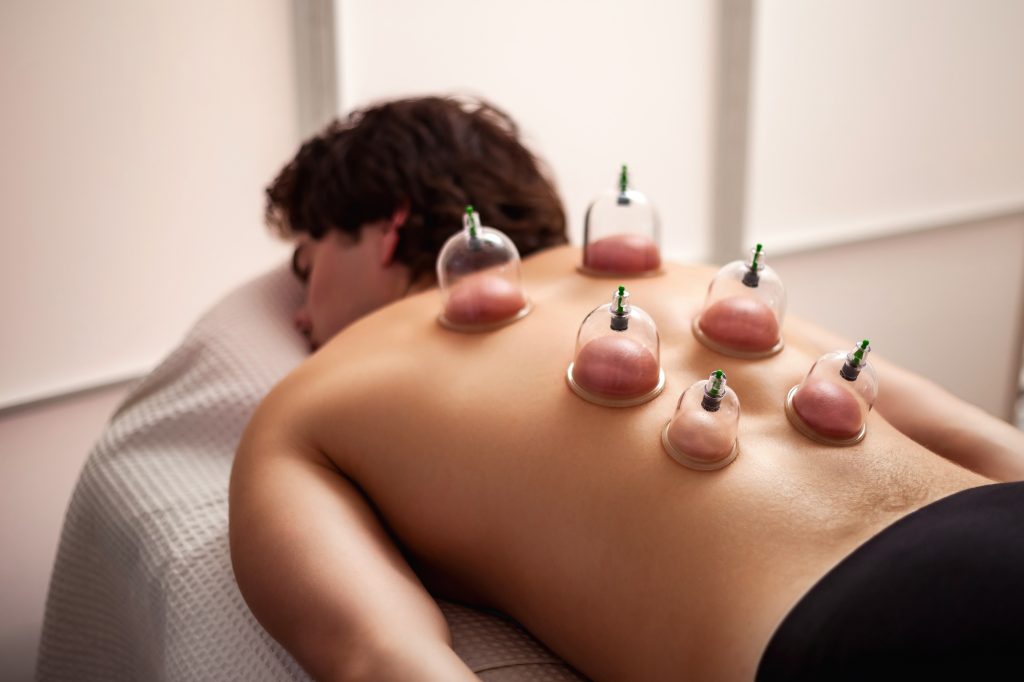
Cupping therapy has been used in Traditional Chinese Medicine for centuries. Today, it is also explored as a complementary approach to musculoskeletal wellness.
While individual experiences vary, research has investigated several potential benefits.
A. May Help Reduce Muscle Discomfort
One reason people explore cupping is to manage muscular discomfort.
The suction created during treatment may influence local tissue responses and pain perception. Some research suggests that cupping could provide short-term relief for certain musculoskeletal pain conditions.
However, it is important to understand that pain relief does not necessarily mean the underlying cause has been corrected.
B. May Support Local Circulation
The suction produced by cupping creates visible changes in the treated skin.
Researchers have investigated whether these changes are associated with alterations in local blood flow and tissue responses.
Within TCM, this practice is traditionally associated with improving the circulation of Qi and blood.
However, the appearance of circular marks should not be interpreted as proof that toxins have been removed or that circulation throughout the body has improved.
C. May Promote Relaxation
Some people find the sensation of cupping relaxing.
For individuals experiencing everyday physical stress, a professionally supervised treatment may form part of a broader wellness routine.
Relaxation may also be supported by other healthy habits, including adequate sleep, gentle movement, and appropriate stress management.
D. May Complement Musculoskeletal Care
Cupping may be considered alongside other approaches to managing muscular discomfort.
Depending on individual needs, these may include:
- Gentle stretching.
- Regular movement breaks.
- Appropriate physical activity.
- Posture and workstation adjustments.
- Professional massage or manual therapy.
- Medical assessment when symptoms persist.
It should not replace treatments recommended by a healthcare professional.
4. What Does Scientific Research Say About Cupping for Muscle Tension?
Although cupping has a long history in traditional healthcare, scientific research is still developing.
A 2025 systematic review and meta-analysis published in BMJ Open examined cupping therapy for chronic musculoskeletal pain.
The researchers included clinical trials investigating pain intensity, functional disability, and mental health.
The findings suggested that cupping may reduce pain intensity in some people with chronic musculoskeletal pain. However, the research did not demonstrate significant improvements in functional disability or mental health.
The researchers also identified substantial variation between studies, highlighting the need for further investigation.
Another 2025 systematic review published in the Journal of Traditional Chinese Medicine examined 72 clinical trials involving 5,720 participants. Although several studies reported improvements in pain-related outcomes, the authors identified high risks of bias across the included trials.
These findings demonstrate why cupping should be approached with realistic expectations.
Key research takeaways:
- Cupping may offer short-term relief for certain types of musculoskeletal discomfort.
- Results can vary depending on the individual and the condition being studied.
- Evidence does not establish cupping as a cure for muscle tension.
- More high-quality clinical research is needed to understand its effectiveness and long-term outcomes.
Scientific references:
- Effects of Cupping Therapy on Chronic Musculoskeletal Pain and Collateral Problems (2025), BMJ Open.
- Update Evidence of Effectiveness on Pain Relieving of Cupping Therapy (2025), Journal of Traditional Chinese Medicine.
5. Which Areas of the Body Are Commonly Considered for Cupping?
Muscle tension can affect different parts of the body. Cupping may be considered for selected areas following an appropriate assessment.
Neck and Shoulder Area
The neck and shoulders are common areas of discomfort among people who spend extended periods working at desks.
Prolonged sitting, repetitive movements, and workstation habits may contribute to muscular tightness.
Cupping may be explored as a complementary option for selected cases of neck and shoulder discomfort.
Upper and Lower Back
Back discomfort can develop due to prolonged sitting, physical activity, or muscular strain.
Some clinical research has investigated cupping for chronic lower back pain. However, persistent or severe back pain requires proper medical assessment rather than relying on complementary treatment alone.
Arms and Legs
Repetitive activities and physical exertion can contribute to discomfort in the arms and legs.
A practitioner should assess the affected area before considering treatment, particularly when discomfort is associated with swelling, weakness, numbness, or an injury.
6. What Should You Expect During a Cupping Session?
If you have never experienced cupping before, understanding the general process can make the experience less unfamiliar.
Before Treatment
A professional consultation should establish whether cupping is appropriate.
You should inform the practitioner about:
- Existing medical conditions.
- Skin sensitivity or skin disorders.
- Previous experiences with cupping.
- Current medications, particularly blood-thinning medication.
- Pregnancy or other relevant health circumstances.
- Any unexplained pain or recent injury.
The practitioner can then discuss the potential benefits, limitations, and risks.
During Treatment
Most people describe the sensation as gentle pulling or tightness.
It should not be excessively painful. The practitioner should monitor the treatment and respond to any discomfort.
After Treatment
Temporary circular marks may appear where the cups were placed.
These marks can range from pink to darker purple and usually fade gradually. Their colour does not reliably indicate the severity of muscle tension or the effectiveness of treatment.
Following treatment, people may notice temporary skin sensitivity or mild soreness.
It is important to follow the practitioner’s aftercare advice and seek medical attention if unexpected or concerning symptoms develop.
7. Is Cupping for Muscle Tension Safe?
Cupping can cause side effects, even when performed by an experienced practitioner.
According to the US National Center for Complementary and Integrative Health (NCCIH), potential side effects include:
- Temporary skin discolouration.
- Skin irritation.
- Scarring.
- Burns.
- Skin infections.
- Worsening of certain skin conditions.
Wet cupping also carries additional risks because it involves breaking the skin.
People with bleeding disorders, skin conditions, circulation problems, or other relevant medical concerns should seek professional advice before considering treatment.
Cupping should also be avoided over damaged, infected, or irritated skin.
When Should You Seek Medical Attention?
Not all muscle discomfort is caused by ordinary muscle tension.
Seek appropriate medical assessment if you experience:
- Severe or unexplained pain.
- Persistent symptoms that do not improve.
- Numbness or weakness.
- Significant swelling.
- Pain following a serious injury.
- Fever or other symptoms alongside muscular discomfort.
Cupping should never delay an assessment when symptoms may indicate an underlying medical condition.
8. How Can You Support Muscle Relaxation Between Sessions?
Cupping is only one possible part of a broader approach to muscular wellness.
Daily habits can also play an important role in maintaining comfortable movement.
Here are some practical suggestions:
1. Take regular movement breaks
If you work at a desk, avoid remaining in the same position for extended periods. Stand up, walk around, and change your posture regularly.
2. Maintain a comfortable workstation
Position your computer screen at a comfortable viewing height and ensure your chair supports a relaxed working posture.
3. Practise gentle stretching
Gentle neck, shoulder, and back movements may help maintain flexibility. Avoid movements that increase pain.
4. Prioritise adequate sleep
Rest allows the body to recover from everyday physical demands.
5. Balance physical activity
Regular movement is beneficial, but physical activity should be appropriate for your fitness level and recovery needs.
6. Address recurring discomfort early
If muscle tension repeatedly affects your daily activities, consider seeking professional advice to understand its underlying cause.
9. How Is Cupping Different from Tuina Massage?
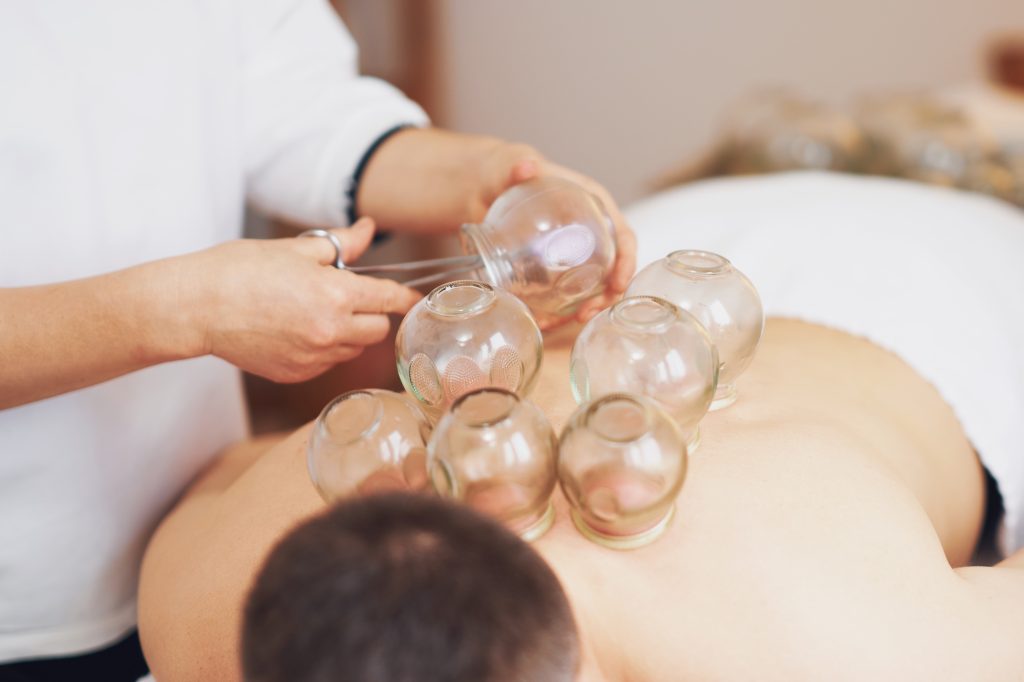
Both cupping and Tuina are traditional TCM therapies, but they use different treatment techniques.
Understanding their differences can help people make more informed decisions when discussing treatment options.
| Comparison | Cupping Therapy | Tuina Massage |
|---|---|---|
| Main technique | Suction using specialised cups | Manual pressure and massage techniques |
| Contact method | Negative pressure | Direct hand contact |
| Treatment focus | Selected areas of the skin and superficial tissues | Muscles, soft tissues, and selected acupoints |
| Sensation | Pulling or tightness | Pressure and massage movements |
| Common purpose | Complementary support for muscular discomfort | Traditional manual therapy for muscular and physical discomfort |
Cupping and Tuina may be considered separately or as part of a broader TCM treatment plan, depending on individual needs.
People interested in learning more about traditional manual therapy can explore the Tuina Therapy service at G&G TCM.
A qualified practitioner can explain which approach may be appropriate following an assessment.
10. Why Consider Professional Cupping Therapy in Singapore?
Choosing a suitable provider is an important part of exploring complementary therapies.
A professional setting should prioritise individual assessment, treatment suitability, hygiene, and clear communication.
At G&G TCM Medical, the clinic offers various Traditional Chinese Medicine services, including cupping, acupuncture, Tuina, and other traditional therapies.
Its approach combines traditional TCM practices with individual consultations to understand each person’s concerns and wellness needs.
People interested in learning how treatment approaches may relate to seasonal wellness can also explore seasonal cupping therapy in Singapore.
Seasonal treatment is not medically necessary for everyone, and there is no established requirement to receive cupping at particular times of the year. Suitability should always be considered individually.
11. Conclusion: Is Cupping for Muscle Tension Worth Considering?
Cupping for muscle tension is a traditional therapy that may help some individuals experience temporary relief from muscular discomfort and promote relaxation.
By using controlled suction, the treatment creates a different physical sensation from conventional massage and has been explored as a complementary approach to musculoskeletal wellness.
However, its effectiveness varies, and current scientific evidence does not establish it as a cure for muscle tension or its underlying causes.
The best approach is to combine healthy daily habits with appropriate professional guidance and medical assessment when necessary.
Pro Tips:
- Understand what is causing your muscle tension before choosing a treatment.
- Consult a qualified practitioner to discuss whether cupping is suitable.
- Choose a provider that prioritises hygiene and individual assessment.
- Do not interpret cupping marks as proof of treatment effectiveness.
- Maintain regular movement, adequate rest, and healthy working habits.
At G&G TCM Medical, individuals can explore traditional therapies such as cupping, acupuncture, and Tuina as part of a personalised wellness approach.
Visit G&G TCM to learn more about available services and discuss your treatment options with the clinic.
Taking care of muscular health starts with understanding your body, choosing suitable treatments, and maintaining healthy everyday habits.
FAQs Section
Can cupping help relieve muscle tension?
Cupping may help reduce short-term muscular discomfort and promote relaxation. However, results vary, and it should be considered a complementary therapy rather than a cure.
Which areas of the body can benefit from cupping therapy?
Cupping is commonly explored for discomfort around the neck, shoulders, back, arms, and legs, depending on individual suitability.
How long do cupping marks usually last?
Cupping marks typically fade within several days to around two weeks. Their appearance varies between individuals.
Is cupping therapy painful?
Most people experience a pulling or tight sensation rather than pain. Treatment intensity should be adjusted to maintain comfort.
Can I combine cupping with Tuina massage?
Cupping and Tuina may be considered as complementary TCM therapies. A qualified practitioner should assess whether combining them is appropriate for your individual needs.