

Common myths about cupping therapy often create confusion about its benefits, risks, and how it works. Cupping therapy is a traditional treatment that uses suction cups placed on the skin. It is commonly associated with Traditional Chinese Medicine (TCM) and is used by some people to help manage muscle tightness, discomfort, and certain types of pain. However, claims that cupping removes toxins, cures diseases, or guarantees faster recovery are not all supported by strong scientific evidence.
Understanding the facts can help you make informed decisions about whether cupping therapy is appropriate for your needs. While some research suggests that cupping may provide short-term pain relief, the overall evidence remains limited, and results can vary between individuals.
In this guide, we will explore the most common myths about cupping therapy, explain what is known about its potential benefits, and highlight important safety considerations before booking a session.
What Is Cupping Therapy?
Cupping therapy is a complementary treatment in which a practitioner places cups on the skin and creates suction. This suction draws the skin upward into the cup, producing temporary marks that may resemble bruises. The treatment has a long history in traditional healing systems, including Traditional Chinese Medicine.
In TCM, cupping is traditionally used to support the flow of Qi and blood and address patterns of discomfort or tension. From a modern medical perspective, researchers have investigated whether the suction created by cupping may help with certain pain conditions. However, the exact mechanisms behind its potential effects are not fully understood.
There are two main types of cupping:
- Dry cupping: Cups create suction on the skin without cutting or piercing it.
- Wet cupping: The skin is superficially pierced or incised, allowing a small amount of blood to enter the cup.
Some practitioners also use moving cupping, in which cups are gently moved over the skin after applying lubricant.
The techniques differ in their procedures and risks. Understanding these differences is important because cupping is not suitable for everyone, and wet cupping carries additional risks associated with bleeding and infection.
7 Common Myths About Cupping Therapy
Myth 1: Cupping Therapy Removes Toxins from the Body
One of the most widespread common myths about cupping therapy is that the treatment draws toxins out through the skin.
The fact: There is insufficient reliable scientific evidence that cupping removes toxins from the body. The liver and kidneys play major roles in processing and eliminating waste products, while the lungs and digestive system also contribute to normal waste removal.
The circular marks left by dry cupping are generally caused by suction affecting small blood vessels near the skin’s surface. They are not evidence that harmful substances have been extracted.
Wet cupping involves blood removal, but this does not establish that toxins are being eliminated or that the procedure detoxifies the body.
Cupping may still be considered by some people as a complementary approach to managing discomfort. However, it is important to evaluate the treatment based on realistic expectations rather than detoxification claims.
Myth 2: Darker Cupping Marks Mean More Toxins Are Present
After a cupping session, the skin may develop red, purple, or dark circular marks. Some people believe that darker marks indicate a higher level of toxins or more severe health problems.
The fact: The colour of cupping marks does not provide a reliable measurement of toxins, blood quality, or overall health.
The appearance of these marks can vary according to suction strength, treatment duration, skin characteristics, and individual responses. The marks may look similar to bruises because suction can affect tiny blood vessels beneath the skin.
Cupping marks usually fade over several days to a couple of weeks, although the duration varies. Persistent discolouration, blistering, significant pain, or other unusual symptoms should not be dismissed as signs that the treatment is working.
A qualified practitioner should explain what is normal after treatment and when further medical assessment may be needed.
Myth 3: Cupping Therapy Can Cure Any Disease
Another common misconception is that cupping therapy can cure a wide range of conditions, from chronic pain to digestive disorders and other internal illnesses.
The fact: Cupping is not a universal treatment, and strong clinical evidence does not support claims that it can cure diseases.
Some studies suggest that cupping may help reduce certain types of pain, including back or neck discomfort. However, many studies have limitations, and the evidence for its effectiveness remains uncertain. More high-quality research is needed to determine which conditions may benefit, how much benefit is possible, and how long the effects last.
Cupping should therefore be viewed as a possible complementary option rather than a replacement for appropriate medical care.
If you have persistent pain, unexplained symptoms, or a diagnosed medical condition, consult a qualified healthcare professional. Do not delay recommended investigations or stop prescribed medication because of claims about cupping therapy.
Myth 4: Cupping Therapy Must Be Painful to Work
Some people assume that stronger suction, greater discomfort, or darker marks mean a cupping session is more effective.
The fact: Cupping should not require severe pain to be useful. Stronger suction does not automatically produce better results, and excessive suction can increase the risk of skin damage.
During dry cupping, you may feel pulling, pressure, or tightness as the skin is drawn into the cup. Mild tenderness afterward is possible, but severe or worsening pain is not something to ignore.
A practitioner should adjust the suction and treatment duration to suit your comfort, skin condition, and individual circumstances. Communicate immediately if you experience sharp pain, burning, numbness, or unusual discomfort during the session.
A careful, individualised approach is more appropriate than assuming that a more intense treatment will deliver better outcomes.
Myth 5: Cupping Marks Mean the Treatment Has Damaged the Muscles
The circular marks left after cupping can look alarming, especially for people who are trying the treatment for the first time. This sometimes leads to the belief that cupping has injured the muscles.
The fact: Typical cupping marks are generally related to changes in small blood vessels near the skin’s surface, rather than direct damage to muscle fibres. However, this does not mean that every mark or skin reaction is harmless.
Temporary redness, tenderness, or bruise-like discolouration can occur. Excessive suction or poor technique may lead to blistering, burns, scarring, or other complications.
It is important to distinguish expected temporary marks from signs of injury. Seek medical advice if you develop severe pain, spreading redness, warmth, pus, fever, or persistent skin changes.
People with skin conditions such as eczema or psoriasis should also seek appropriate advice before treatment because cupping may aggravate affected areas.
Myth 6: Cupping Therapy Is Completely Safe Because It Is Natural
Because cupping has been practised for centuries, some people believe it is automatically safe for everyone.
The fact: A traditional treatment can still carry risks. Safety depends on the technique, the practitioner’s training, the equipment used, and the person’s health history.
Potential side effects of cupping include:
- Temporary redness and skin discolouration.
- Tenderness or soreness around the treated area.
- Burns, particularly with fire-based techniques.
- Blisters, scars, or persistent skin changes.
- Skin infections caused by inadequate hygiene.
- Blood loss or bloodborne infections associated with unsafe wet cupping.
People with bleeding disorders, those taking anticoagulant medication, and individuals with certain skin or medical conditions may need to avoid cupping or obtain medical advice before considering it. Extra caution is also appropriate during pregnancy because safety information is limited.
Choose a trained practitioner who explains the procedure, screens for relevant health risks, maintains proper hygiene, and uses appropriate equipment. For wet cupping, sterile single-use instruments and proper blood-handling procedures are especially important.
Myth 7: Cupping Therapy Works the Same Way for Everyone
Some people expect identical results from every cupping session. Others believe that one treatment will provide lasting relief regardless of the underlying cause of their discomfort.
The fact: Responses to cupping vary from person to person. Factors such as the type of pain, overall health, treatment technique, and individual sensitivity can influence the experience.
Research suggests that cupping may provide short-term relief for some pain conditions, but the quality of evidence is limited. It is not possible to guarantee that everyone will experience the same benefit or that relief will last.
For example, someone experiencing mild muscle tightness after exercise may have different needs from someone with persistent back pain caused by an underlying medical condition.
A practitioner should consider your symptoms, medical history, and treatment goals before recommending a session. Cupping may be used alongside other appropriate approaches, such as exercise, stretching, rehabilitation, or medical treatment, depending on the circumstances.
What Are the Potential Benefits of Cupping Therapy?
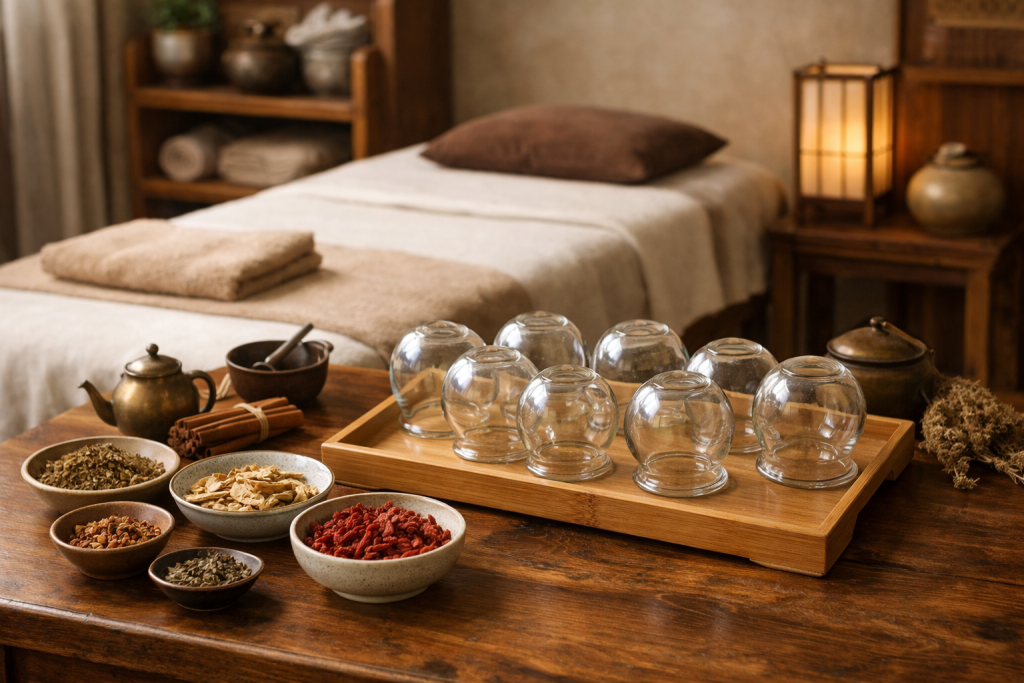
Once the myths are separated from the facts, it becomes easier to understand what cupping may realistically offer.
Potential benefits that have been explored in research include:
- Temporary pain relief: Some studies suggest that cupping may reduce certain types of musculoskeletal pain, although the evidence is not conclusive.
- Reduced feelings of muscle tightness: Some people report feeling less tense or uncomfortable after a session.
- Relaxation: The treatment experience may feel relaxing for some individuals, although responses differ.
- A complementary approach to care: Cupping may be considered alongside other appropriate treatments rather than as a standalone cure.
These potential benefits should be interpreted cautiously. The National Center for Complementary and Integrative Health notes that much of the research on cupping is of low quality and that the evidence supporting pain relief is not strong.
Cupping should not be promoted as a guaranteed method for improving circulation, enhancing athletic performance, strengthening immunity, or treating internal diseases. More research is needed to establish its effects for specific conditions.
How to Prepare for a Safe Cupping Session
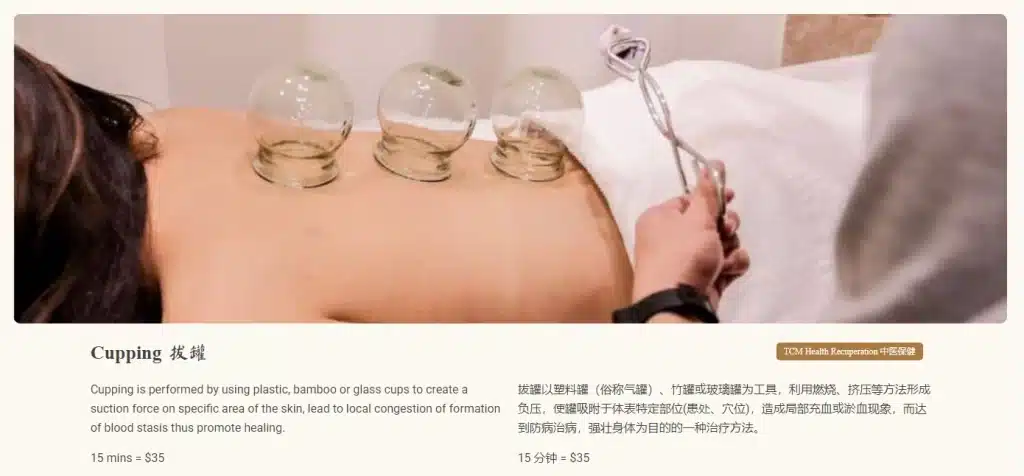
If you are considering cupping therapy, taking a few precautions can help you make a more informed decision.
1. Discuss Your Health History
Tell the practitioner about your medical conditions, medications, allergies, skin problems, and any previous reactions to cupping. This is especially important if you have a bleeding disorder, take blood-thinning medication, or are pregnant.
2. Understand the Technique
Ask whether the session involves dry cupping, moving cupping, or wet cupping. Make sure you understand what the procedure involves, its potential benefits, and its risks before agreeing to treatment.
3. Check Hygiene Practices
Confirm that the practitioner follows appropriate infection-control procedures. Equipment should be properly cleaned or sterilised as appropriate, and any instruments that penetrate the skin must be sterile and handled safely.
4. Communicate During Treatment
Tell the practitioner if the suction feels too strong or causes pain. Treatment should be adjusted when necessary rather than continued through significant discomfort.
5. Monitor Your Skin Afterwards
Temporary marks can be expected, but monitor the treated area for unusual symptoms. Seek medical advice if you notice signs of infection, burns, severe pain, or persistent skin changes.
Pro tip: Before booking, ask the practitioner three questions: What is the treatment intended to help with? What risks apply to my health history? How will we evaluate whether it is helping? Clear answers can help you set realistic expectations.
Conclusion: Understand the Facts Before Trying Cupping Therapy
Understanding the common myths about cupping therapy helps you make better decisions about this traditional treatment. Cupping may offer short-term relief for some types of pain, but it does not remove toxins, cure every disease, or guarantee the same results for everyone. Its benefits and limitations should be considered alongside the available scientific evidence.
Safety is equally important. Choosing a qualified practitioner, discussing your health history, and following appropriate hygiene practices can help reduce avoidable risks. Cupping should complement suitable healthcare rather than replace medical assessment or necessary treatment.
If you are interested in learning how cupping may fit into your approach to muscle discomfort, explore our guide to ba guan for muscle soreness. For personalised guidance, consider consulting a qualified TCM practitioner at G&G TCM to discuss your needs and whether cupping is an appropriate option for you.
FAQs Section
Does cupping therapy remove toxins?
There is no strong scientific evidence that cupping removes toxins from the body.
Why does cupping leave circular marks?
Suction affects small blood vessels near the skin’s surface, causing temporary redness or bruise-like marks.
Is cupping therapy painful?
You may feel pulling or pressure, but severe pain is not expected and should be reported.
Can cupping cure chronic pain?
Cupping may help some people with certain types of pain, but evidence is limited and it is not a guaranteed cure.
Is cupping therapy safe for everyone?
No. Certain medical conditions, medications, and skin problems may make cupping unsuitable. Seek professional advice when needed.