

Ba Guan for muscle soreness is a traditional Chinese medicine (TCM) practice that uses suction cups on the skin as part of cupping therapy. Also known as Chinese cupping, Ba Guan is used to address muscle tightness and discomfort and may help some people feel more relaxed after physical activity. However, research on cupping for muscle soreness is still limited, and it should not be considered a guaranteed way to speed up muscle recovery.
After a challenging workout, a long run, or a physically demanding day, sore muscles can make even simple movements uncomfortable. Stretching, resting, drinking enough water, and getting adequate sleep are important parts of recovery. Some people also explore traditional therapies, including Ba Guan, to complement their recovery routine.
Understanding how Ba Guan works, what a session feels like, and when to avoid cupping can help you decide whether this approach is appropriate for you.
What Is Ba Guan in Traditional Chinese Medicine?
Ba Guan, commonly called cupping therapy in English, is a traditional Chinese medicine technique in which cups are placed on the skin to create suction. The suction gently draws the skin upward, producing a pulling sensation in the treated area.
Depending on the method used, practitioners may use glass, plastic, silicone, or other specially designed cups. Traditional fire cupping creates suction using heat, while modern vacuum cups use a mechanical pump. Both methods require appropriate training and careful application.
In TCM practice, Ba Guan is traditionally used for complaints such as muscle tightness and general bodily discomfort. From a modern perspective, researchers have investigated cupping for pain relief, but the available evidence remains uncertain.
How Does Cupping Work?
During a typical session, a practitioner places cups on selected areas of the body. The suction creates a lifting force on the skin and underlying superficial tissues. Cups may remain stationary for several minutes or be moved across the skin using a suitable lubricant.
The experience varies depending on the suction strength, cup placement, and individual sensitivity. Most people describe a pulling or tight sensation rather than sharp pain.
Cupping may influence local sensations and pain perception, but its exact mechanisms are not fully established. It is important to distinguish traditional explanations from mechanisms demonstrated through high-quality clinical research.
How Can Ba Guan Help With Muscle Soreness?
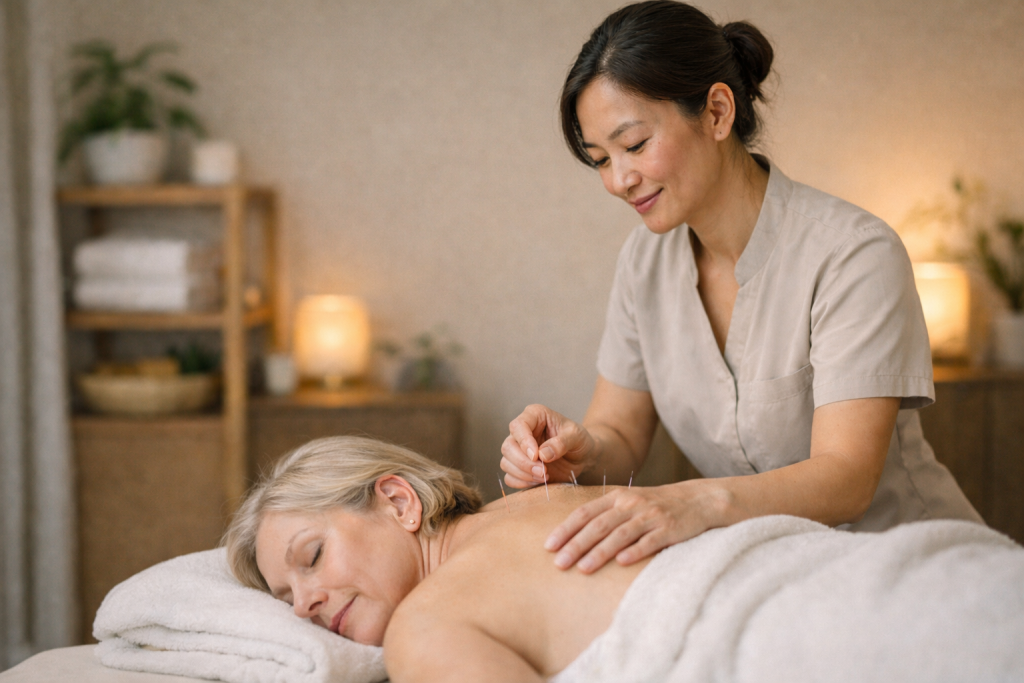
Muscle soreness can develop after unfamiliar exercise, intense training, repetitive movement, or prolonged physical activity. Delayed-onset muscle soreness (DOMS), for example, often becomes noticeable 12–24 hours after exercise and may peak within 24–72 hours.
Ba Guan for muscle soreness is often considered by people who want an additional way to manage discomfort or muscle tightness. Some small studies and reviews suggest that cupping may help reduce certain types of pain, but the evidence varies in quality and does not establish that it reliably improves post-workout recovery.
1. It May Help You Feel Less Muscle Tension
The pulling sensation created by cupping may change how the treated area feels. Some people report that their muscles feel more relaxed afterward.
However, a subjective feeling of relaxation does not necessarily mean that muscle damage has healed faster or that strength has recovered sooner. More research is needed to establish the specific benefits of cupping for exercise-related soreness.
2. It May Provide Temporary Pain Relief
Some research has explored cupping for musculoskeletal pain, including back and neck discomfort. Certain studies report improvements in pain scores, but differences in treatment methods, study quality, and participant groups make the results difficult to generalise.
For muscle soreness after exercise, cupping should therefore be viewed as a complementary option rather than a proven replacement for established recovery practices.
3. It Can Be Part of a Relaxation Routine
A cupping session may give you dedicated time to slow down and pay attention to your body’s comfort. For some people, this relaxing experience is an appealing addition to a broader recovery routine.
Still, relaxation is different from repairing muscle fibres. Adequate rest, nutrition, and a gradual return to exercise remain essential.
Ba Guan vs Other Muscle Recovery Methods
Not every recovery method serves the same purpose. The best choice depends on the severity of your soreness, your exercise routine, and your general health.
| Recovery method | Potential role | Important consideration |
|---|---|---|
| Ba Guan cupping | May provide temporary relief of discomfort for some people | Evidence for post-workout soreness remains limited |
| Gentle movement | Helps maintain comfortable movement after exercise | Avoid movements that worsen pain |
| Adequate sleep | Supports normal recovery and physical performance | Prioritise consistent, sufficient sleep |
| Balanced nutrition | Provides energy and nutrients needed for recovery | Include adequate protein and overall calories |
| Hydration | Replaces fluid lost through sweating | Needs vary with activity and environment |
| Appropriate rest | Allows recovery from demanding training | Avoid repeating intense exercise on severely sore muscles |
A sensible approach is to use established recovery habits as the foundation. If you are considering Ba Guan, discuss it with a qualified practitioner who can assess whether it is appropriate for your situation.
What Happens During a Ba Guan Session?
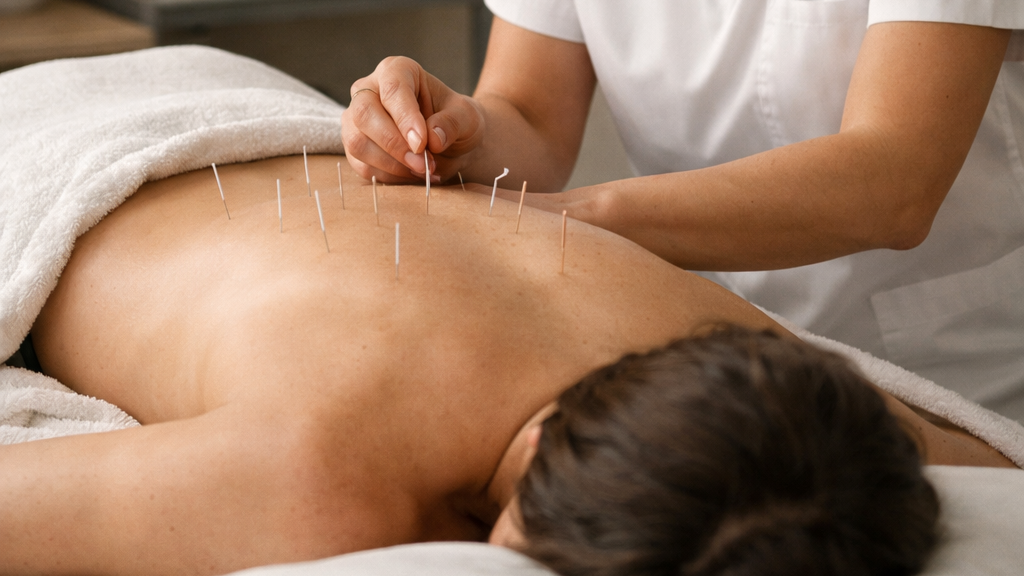
If you have never tried cupping before, knowing what to expect can make the experience less intimidating.
Step 1: Discuss Your Symptoms
A qualified practitioner should ask about your soreness, recent exercise, medical history, medications, skin condition, and any previous reactions to cupping. Tell them if your pain is severe, unusual, or accompanied by swelling or weakness.
This initial discussion helps determine whether cupping is suitable or whether medical assessment should come first.
Step 2: Choose the Treatment Area
The practitioner identifies the area to be treated and selects an appropriate cup size and method. The placement should be based on your symptoms, anatomy, and safety considerations rather than simply covering as much skin as possible.
Avoid cupping directly over broken skin, irritated areas, active skin infections, or significant bruising.
Step 3: Apply Controlled Suction
The practitioner applies the cups and adjusts the suction to an appropriate level. You may feel tightness or pulling, but the treatment should not cause intense pain.
Communicate immediately if the suction feels too strong, you experience burning, or you develop unusual discomfort. Stronger suction does not automatically produce better results.
Step 4: Remove the Cups and Check the Skin
After the cups are removed, the practitioner checks the treated area and explains suitable aftercare. Circular red, purple, or darker marks may appear because of the suction. These marks are common, but they are not proof that toxins have been removed or that the treatment has worked.
Marks often fade over several days and sometimes take longer to disappear.
Is Ba Guan Safe for Muscle Soreness?
Cupping is not risk-free. Possible side effects include temporary skin discolouration, tenderness, bruising, irritation, and discomfort. Fire cupping can also cause burns if performed incorrectly. Inadequate equipment hygiene may increase the risk of infection.
Wet cupping, which involves breaking the skin, carries additional risks, including bleeding and infection. It should not be treated as interchangeable with dry cupping.
Who Should Be Careful With Cupping?
Speak with a qualified healthcare professional before treatment if you:
- Take anticoagulants or have a bleeding or clotting disorder.
- Have fragile skin, a skin infection, open wounds, or a condition that affects skin healing.
- Have reduced sensation in the treatment area.
- Are pregnant or have a medical condition that may affect treatment safety.
- Have unexplained swelling, severe pain, or a suspected muscle tear.
Avoid using cupping as a way to treat a suspected serious injury. Seek medical assessment if muscle pain is severe or worsening, you cannot move normally, or you experience marked swelling, unusual weakness, or dark, tea-coloured urine after intense exercise. These symptoms may require urgent evaluation.
How to Care for Sore Muscles After Cupping
Good aftercare helps you monitor how your body responds and avoid adding unnecessary irritation to an already sore area.
- Keep the treated skin comfortable. Avoid scratching the area or applying irritating products to sensitive skin.
- Choose gentle movement. Walking or comfortable mobility exercises may be appropriate if they do not increase your pain.
- Drink fluids regularly. Replace fluids according to your activity level and sweating.
- Eat balanced meals. Include protein, carbohydrates, and other nutrients that support normal recovery.
- Prioritise sleep. Give your body sufficient time to recover before returning to demanding training.
- Monitor your symptoms. If pain worsens, the skin becomes increasingly red or hot, or you develop signs of infection, seek medical advice.
If you are curious about treatment timing, cup placement, and precautions around exercise, read this guide to cupping after workout.
Remember that cupping marks can persist after a session. Avoid another treatment on an area that remains painful, irritated, or bruised until it has recovered and a qualified practitioner has advised that treatment is appropriate.
Conclusion: Should You Consider Ba Guan for Muscle Soreness?
Ba Guan for muscle soreness is a traditional cupping practice that some people use to manage discomfort and muscle tightness. It may offer temporary relief for certain individuals, but scientific evidence for improving exercise-related soreness and accelerating recovery remains limited.
Pro tips: Start with the basics—rest, sleep, hydration, balanced nutrition, and comfortable movement. If you want to explore cupping, consult a qualified practitioner, explain your symptoms and medical history, and choose a treatment approach that prioritises safety over strong suction.
For more information about traditional Chinese medicine services, treatment options, and appointment arrangements, visit G&G TCM. A consultation can help you understand which options may be appropriate for your needs and when further medical assessment is necessary.
FAQs Section
Does Ba Guan help with muscle soreness?
Some people report temporary relief of discomfort or tightness after cupping. However, evidence specifically supporting Ba Guan for delayed-onset muscle soreness remains limited.
How long do cupping marks last?
Cupping marks commonly fade over several days, although some may remain visible for a week or longer. Their duration depends on suction strength, skin sensitivity, and individual factors.
Can I do Ba Guan immediately after a workout?
Timing depends on your condition and the intensity of exercise. Avoid cupping over acutely injured, very tender, or significantly bruised tissue. Ask a qualified practitioner whether the treatment is appropriate before scheduling a session.
Is Ba Guan painful?
Most people describe a pulling or tight sensation. Strong pain, burning, or excessive discomfort is not a desirable treatment response and should be communicated to the practitioner immediately.
Is cupping better than stretching or rest?
There is insufficient evidence to conclude that cupping is better than established recovery methods for post-workout soreness. Gentle movement, adequate sleep, balanced nutrition, and appropriate rest should remain the foundation of recovery.