

Cupping after workout is a Traditional Chinese Medicine (TCM) therapy that some people use after physical activity to help ease muscle tension, promote relaxation, and support recovery. It involves placing cups on selected areas of the skin to create suction. Depending on the technique used, cupping may be incorporated into a broader TCM treatment plan alongside therapies such as acupuncture or Tuina.
After a demanding workout, it is normal for muscles to feel tired, tight, or mildly sore. Recovery usually depends on fundamentals such as adequate rest, hydration, nutrition, and appropriate movement. Cupping should be viewed as a complementary therapy rather than a replacement for these basic recovery habits.
At G&G TCM Medical, cupping is part of a wider range of Traditional Chinese Medicine services. Treatment can be personalized according to an individual’s symptoms, lifestyle, and physical condition.
What Is Cupping After Workout?
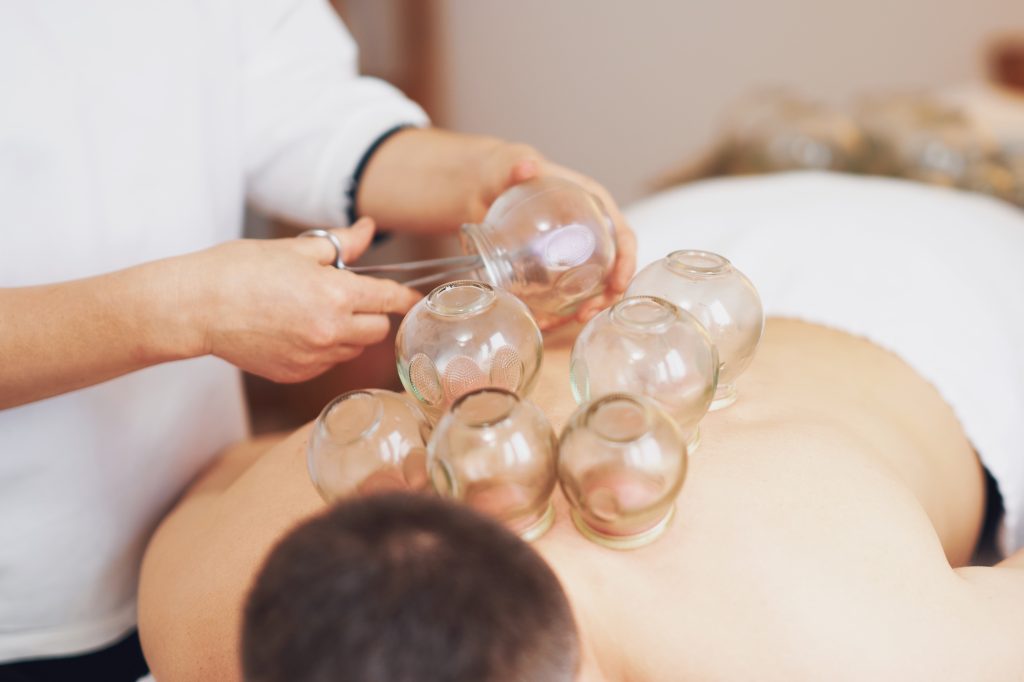
Cupping after workout refers to having a cupping session following exercise or physical activity. The cups create suction against the skin, producing a pulling sensation over the treated area.
In TCM practice, cupping is traditionally used to address areas of tension and what practitioners describe as stagnation. From a modern wellness perspective, people commonly seek cupping for relaxation, temporary relief of muscle tightness, and post-exercise comfort.
The treatment may be considered after activities such as:
- Gym workouts
- Strength training
- Running
- Cycling
- Swimming
- Sports training
- Dance and fitness classes
- Recreational physical activities
The key point is timing. Cupping is not necessarily something you need after every workout. It may be more relevant when you experience persistent muscle tightness or discomfort and want to explore a complementary recovery approach.
Why Do People Try Cupping After Exercise?
Imagine finishing a challenging workout. Your muscles feel worked, your shoulders are tight, and you simply want your body to relax. This is where some people consider cupping.
Cupping creates localized suction on the skin and underlying tissues. The sensation can feel unusual at first, but many people describe it as a feeling of pressure or pulling rather than sharp pain.
G&G TCM Medical describes cupping as a therapy that can be used to support circulation, ease muscle tension, and promote relaxation. The clinic also combines cupping with other TCM approaches when appropriate.
Cupping and Muscle Tension
Exercise places stress on muscles. This is a normal part of training, but repeated activity can leave certain areas feeling tight.
Cupping may be considered for areas such as:
- Upper back
- Lower back
- Shoulders
- Thighs
- Calves
- Hamstrings
The goal is not to “erase” normal exercise soreness instantly. Instead, it can be part of a broader strategy for managing muscle tension and supporting relaxation.
Cupping and Relaxation
Recovery is not only physical. Your body also benefits from periods of rest and relaxation.
A calm cupping session may provide a relaxing experience after a physically demanding day. For people who carry tension in their shoulders, back, or legs, this can make complementary TCM treatment appealing.
Potential Benefits of Cupping After Workout
Cupping should not be presented as a guaranteed solution for muscle recovery. However, people may choose it because of several potential benefits.
| Potential Benefit | What It May Support |
|---|---|
| Muscle relaxation | Helps the body feel less tense |
| Local circulation | Supports blood flow around treated areas |
| Temporary comfort | May help with exercise-related muscle discomfort |
| Relaxation | Provides a calm recovery experience |
| Targeted treatment | Cups can be placed around specific areas |
| TCM wellness | Can form part of an individualized TCM approach |
Research into cupping has explored pain and musculoskeletal conditions, but the quality and consistency of evidence vary between conditions and study designs. Therefore, cupping is best considered a complementary therapy rather than a proven replacement for conventional sports injury treatment.
When Should You Get Cupping After a Workout?
There is no universal rule saying that you must wait a specific number of hours after exercising.
The right timing depends on the type and intensity of your workout, how your body feels, and whether you have any injury or unusual symptoms.
A simple approach is:
- Finish your workout.
- Cool down gradually.
- Drink enough fluids.
- Allow your breathing and heart rate to settle.
- Pay attention to how your muscles feel.
- Discuss your condition with a qualified TCM practitioner if you are considering cupping.
For a normal workout followed by ordinary muscle fatigue, you may simply need rest, food, fluids, and sleep.
If you have significant pain, swelling, weakness, or an injury, do not assume cupping is the appropriate solution. A professional assessment should come first.
What Happens During a Cupping Session?
If you have never experienced cupping before, the process is usually straightforward.
At G&G TCM Medical, cupping is listed as one of the clinic’s TCM health recuperation services. The clinic describes the treatment as using cups to create suction over selected areas of the skin.
A typical process may involve:
1. Consultation
The practitioner discusses your concerns, physical activity, symptoms, and relevant health information.
2. Assessment
The practitioner identifies areas that may benefit from treatment and considers whether cupping is appropriate.
3. Cup Placement
Cups are positioned on selected areas of the body. The suction creates a pulling sensation on the skin.
4. Treatment
The cups remain in position for an appropriate period based on the treatment approach.
5. Aftercare
You receive guidance about what to expect after the session and how to look after yourself.
The experience can vary from person to person. Some people find the sensation relaxing, while others may initially notice tightness or pressure.
What About the Marks After Cupping?
Circular marks are one of the most recognizable effects of cupping.
These marks occur because suction temporarily changes blood flow in the superficial tissues and can cause localized discoloration. They are not necessarily an indication that the treatment was more effective.
The appearance and duration of marks can vary depending on the person, treatment technique, suction intensity, and treatment area.
Before your session, it is useful to understand that temporary discoloration can occur.
For a more detailed explanation of what you may notice afterward, see after cupping effects.
Is Cupping After Workout Safe?
Cupping is generally considered safe when performed appropriately by a trained practitioner, but it is not suitable for every situation.
Before treatment, tell your practitioner about relevant health conditions, medications, injuries, or skin problems.
Extra caution may be needed if you:
- Have an open wound or active skin infection
- Have significant swelling or unexplained pain
- Are recovering from an acute injury
- Take medicines that affect blood clotting
- Have a medical condition that may affect healing
- Are pregnant and are considering treatment in certain areas
Cupping should also not be used to delay proper medical assessment when an injury may be serious.
If pain is severe, persistent, or associated with major swelling, weakness, numbness, or loss of normal function, seek appropriate medical care rather than relying on complementary therapy alone.
Can Cupping Be Combined With Other TCM Treatments?
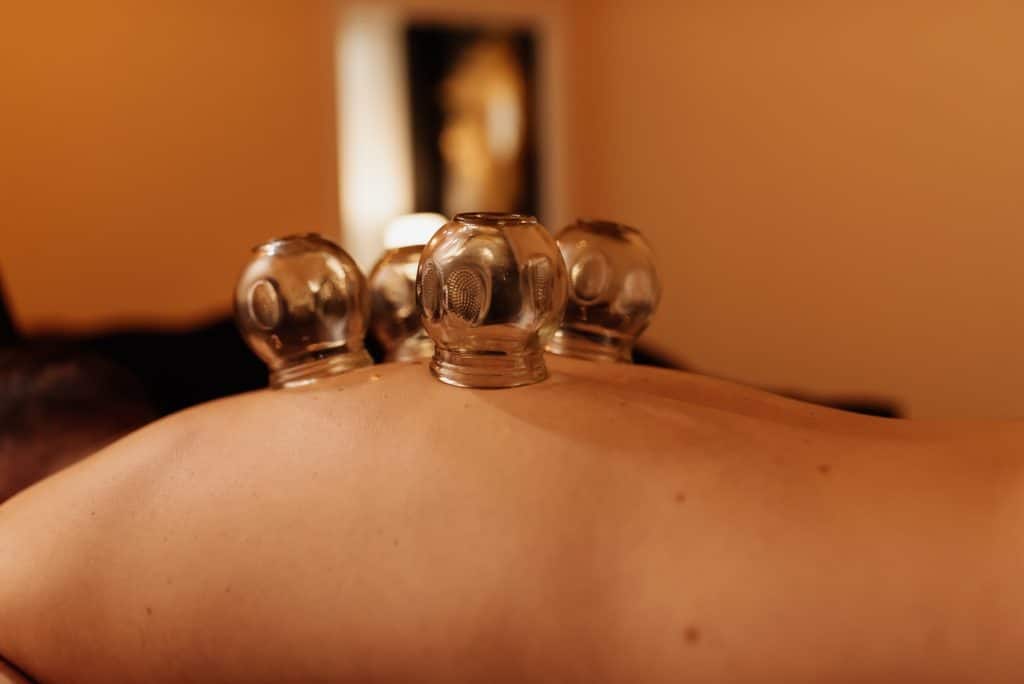
Yes. One advantage of a TCM approach is that treatment can be individualized rather than relying on one technique for everyone.
Depending on your condition, a practitioner may consider therapies such as:
- Cupping
- Acupuncture
- Tuina
- Chinese herbal medicine
- Moxibustion
- Lifestyle guidance
For example, someone with exercise-related muscle tension may benefit from a combination of assessment, Tuina, and cupping rather than cupping alone.
G&G TCM Medical also explains that cupping can be combined with acupuncture, herbal formulas, or Tuina as part of an integrated TCM approach.
You can explore the clinic’s full range of TCM services to understand which treatments may be relevant to your needs.
Cupping After Workout: A Simple Recovery Guide
If you are considering cupping after exercise, keep the process simple.
Before Cupping
- Complete your workout and cool down.
- Make sure you are adequately hydrated.
- Tell the practitioner what type of exercise you performed.
- Mention any unusual pain or previous injuries.
- Discuss medications or health conditions that may affect treatment.
During Cupping
- Communicate if the sensation becomes uncomfortable.
- Ask what technique is being used.
- Follow the practitioner’s instructions.
- Avoid assuming stronger suction means better results.
After Cupping
- Give your body time to relax.
- Follow the aftercare advice provided.
- Be aware that temporary circular marks may appear.
- Continue your normal recovery habits.
- Monitor any unusual or worsening symptoms.
Who May Consider Cupping After Workout?
Cupping may be worth discussing with a qualified TCM practitioner if you:
- Exercise regularly and experience recurring muscle tightness.
- Participate in sports or strength training.
- Prefer complementary wellness approaches.
- Want a targeted treatment for areas of tension.
- Are interested in combining TCM therapies.
- Want professional guidance rather than trying to self-treat.
However, the important question is not simply, “Does cupping work after exercise?”
A better question is:
“Is cupping appropriate for my body and my current condition?”
That is why professional assessment matters.
Cupping After Workout: Key Takeaways
Here is the quick version:
| Question | Short Answer |
|---|---|
| Is cupping useful after exercise? | It may support relaxation and help manage muscle tension for some people. |
| Does everyone need cupping? | No. Normal recovery habits remain essential. |
| Does cupping replace medical treatment? | No. It is a complementary therapy. |
| Can it be combined with TCM? | Yes, depending on individual needs. |
| Will cupping leave marks? | Temporary circular discoloration can occur. |
| Should injured areas automatically be cupped? | No. Injuries should be assessed first. |
| Is stronger suction better? | Not necessarily. Treatment should be individualized. |
Conclusion: Is Cupping After Workout Right for You?
Cupping after workout can be a complementary option for people looking to manage muscle tension, promote relaxation, and support a broader recovery routine. It should not replace sleep, hydration, nutrition, sensible training, or appropriate medical care when an injury is present.
The best approach is personalized. Instead of choosing cupping simply because you had a hard workout, consider how your body feels and discuss your goals with a qualified TCM practitioner.
At G&G TCM Medical, cupping is offered as part of a broader Traditional Chinese Medicine approach, alongside services such as Tuina and other TCM therapies. The clinic focuses on individualized care based on the patient’s condition and treatment needs.
If you want to understand whether cupping may fit your recovery or wellness goals, visit the G&G TCM Medical website to learn more about the clinic, available treatments, and consultation options.
FAQs Section
Is cupping after workout good for muscle recovery?
Cupping after workout may help support relaxation and relieve feelings of muscle tightness. It works best as a complementary approach alongside proper rest, hydration, nutrition, and recovery.
How soon can I get cupping after a workout?
There is no universal waiting period. It is generally sensible to cool down, hydrate, and allow your body to settle before treatment. A qualified practitioner can advise based on your condition.
Does cupping help with post-workout soreness?
Cupping may provide temporary relief from muscle discomfort or tension for some people. However, normal exercise recovery and appropriate medical care remain important.
Will cupping leave marks after a workout?
Yes. Cupping can cause temporary circular discoloration on the skin. The appearance and duration of these marks vary between individuals and treatment techniques.
Can I combine cupping with other TCM treatments?
Yes. Depending on your needs, cupping may be combined with TCM approaches such as acupuncture, Tuina, or Chinese herbal medicine as part of an individualized treatment plan.