Discover the Healing Power of Chinese Medicine Herbs: What You Need to Know

TCM herbs for boosting immunity

Why Chinese Medicine Herbs Still Matter Today

When we think about wellness today, it often feels like a constant chase, the newest diet trend, another supplement, or yet another app promising better sleep. But what if the solution isn’t new at all? What if it’s been with us for centuries?

That’s where Chinese medicine herbs come in. Rooted in ancient wisdom, these natural remedies continue to offer powerful support for modern health problems. As advocates of Traditional Chinese Medicine (TCM), we believe these herbs don’t just treat symptoms, they help bring the body back into balance.

We’ve seen firsthand how these herbal formulas work in real-life situations, from managing stress and digestion to supporting immunity and sleep. And the best part? They’re natural, time-tested, and often surprisingly simple.

What Are Chinese Medicine Herbs, Really?

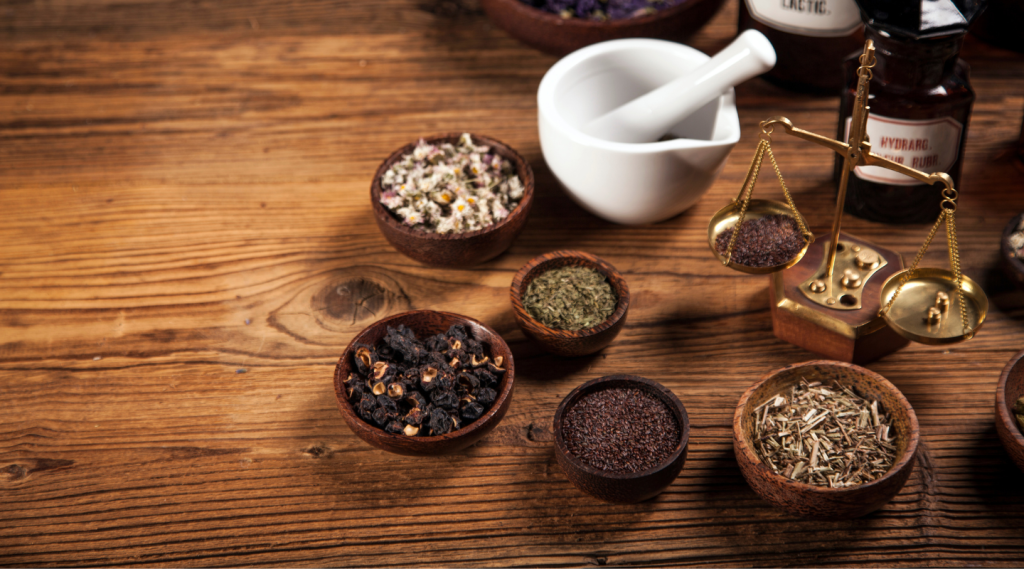
In TCM, herbs aren’t just taken randomly. They’re carefully selected and combined based on your body type, condition, and the harmony of your internal organs.

Rather than focusing on a single active ingredient like Western medicine often does, Chinese medicine herbs work in synergy, a blend of roots, flowers, seeds, or fungi, all balancing each other out.

These combinations are used to support the flow of Qi (energy), restore Yin-Yang balance, and nourish the body over time. Some are meant for short-term use during illness, others are for long-term vitality. It’s not one-size-fits-all, and that’s the beauty of it.

Popular Chinese Medicine Herbs and What They Do

Let’s walk through a few of the most commonly used herbs in TCM. If you’ve been curious but overwhelmed, this is a good place to start.

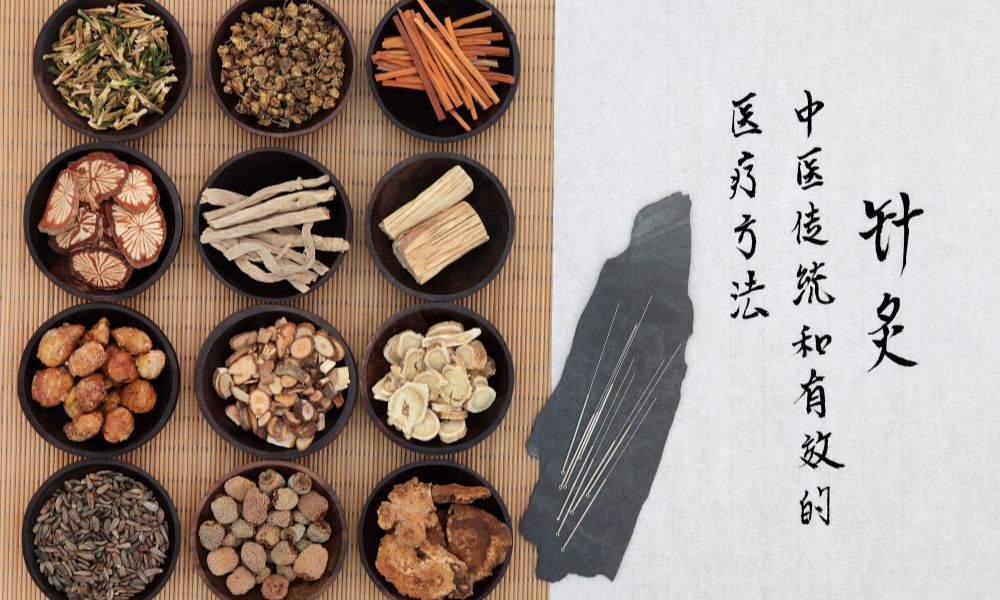
1. Ginseng (Ren Shen)

Known for boosting energy and focus, ginseng is a classic Qi tonic. We recommend it for those feeling drained or recovering from illness.

2. Licorice Root (Gan Cao)

Often used to harmonize formulas, this herb is both soothing and anti-inflammatory. It’s great for the digestive tract and helps moderate the strength of other herbs.

3. Astragalus (Huang Qi)

We often use this one for immune support and long-term stamina. It’s gentle, safe for regular use, and excellent during seasonal changes.

4. Chrysanthemum Flower (Ju Hua)

If you suffer from headaches or eye strain, this herb helps clear heat and soothes the liver, especially helpful in high-stress environments.

5. Reishi Mushroom (Ling Zhi)

A favorite among herbalists, Reishi is known for its calming effect and deep immune support. It’s especially helpful for people dealing with anxiety and poor sleep.

How We Choose Herbs in TCM

You might be wondering, how do we know which herbs to use? TCM doesn’t guess. It’s based on patterns and principles passed down over thousands of years.

We look at your symptoms, yes, but also your body temperature (hot or cold), energy level, mood, digestion, and more. The goal is to treat the root cause, not just mask the discomfort.

For example, two people with insomnia may receive entirely different herbal formulas, one may need cooling herbs to calm an overactive liver, while another needs warming herbs to boost kidney energy. That’s the level of customization we’re talking about.

The Science, Tradition, and Effectiveness Behind TCM Herbal Therapy

While Chinese herbal therapy is rooted in ancient practice, its effectiveness today is supported by both traditional wisdom and growing modern research. In TCM, medicinal herbs are not used randomly, they are selected based on how they support the balance of the body, improve energy flow, and regulate the systems connected to blood, digestion, stress levels, and overall wellness. Many formulas have been used for thousands of years, and clinical studies continue to explore how these natural remedies may help reduce symptoms, support immune function, and improve chronic conditions.

TCM practitioners consider the root cause of disease, not just the outward discomfort. A herb that is commonly used for one patient may not work for another, because each person’s balance of yin and yang, body temperature, and organ function is different. This is why TCM herbs often come in unique combinations, plants, roots, fruits, and fungi working together in ways that single-ingredient supplements cannot. Some formulas are designed to help the body recover from cold illnesses, others to reduce inflammation, nourish the blood, or support long-term vitality.

Ingredients such as ginseng, astragalus, and other medicinal herbs are often used to help the body adapt to stress, support natural healing, and maintain healthy energy levels. These remedies, when used correctly, may help with various conditions including chronic pain, fatigue, digestive issues, or immunity challenges. And because the therapy is natural, the goal is always to promote wellness with minimal side effects, creating results that feel grounded, safe, and deeply connected to how the body actually works.

When to Use Chinese Herbs (And When Not To)

chinese medicine herbs

Chinese herbs are powerful, but they’re not magic. We don’t believe in one-cure-fits-all. In fact, improper use can cause imbalance, which is why we always recommend consulting a trained TCM practitioner.

Still, there are times when Chinese herbs shine:

  • Recovery from colds, flu, or fatigue
  • Menstrual or menopausal support
  • Stress-related tension or poor sleep
  • Boosting immunity during seasonal changes

However, herbs alone won’t fix everything. They work best when paired with proper rest, diet, and lifestyle. That’s when the real magic happens.

A Natural Link to Stronger Immunity

As we talk more about herbal healing, we’d be remiss not to mention the growing interest in boosting the immune system. One of our favorite resources on this is an article on the Top TCM Herbs That Strengthen Immunity, a great deep dive into which herbs to consider and how they interact with the body. It’s worth checking out if you’re serious about building resilience the natural way.

Rediscovering Balance with Ancient Wisdom

Modern medicine absolutely has its place. But so does tradition. In our experience, when we embrace the holistic and personalized nature of TCM, something clicks. Health stops being a checklist, and becomes a relationship with your body. Many of us are just tired. Tired of quick fixes. Tired of feeling out of sync.

That’s why these Chinese medicine herbs still matter. They remind us that healing doesn’t always have to be complicated. Sometimes it’s a cup of bitter tea, a grounding ritual, or a blend of roots and leaves handed down through generations.

And when you’re ready to explore further, we’d love to help. At G&G TCM Medical, we share more than treatments, we share a philosophy of balance, care, and listening to the body. The kind of wellness that lasts.

FAQs Section

Are Chinese medicine herbs safe?

Yes, when used correctly and under guidance. Always consult a TCM practitioner to ensure proper dosage and combinations.

Can I take Chinese herbs with Western medicine?

How long do Chinese herbs take to work?

Do I need a prescription for these herbs?

Are there side effects?

Unlock Better Rest: Discover the Most Effective Acupressure Points for Sleep

acupressure points for sleep

Why We All Need Better Sleep, And How Acupressure Can Help

Let’s be honest, we’ve all had those nights when no matter how tired we feel, sleep just won’t come. Whether it’s stress, overthinking, or simply poor habits, struggling with sleep has become a modern-day epidemic. That’s where acupressure points for sleep come in.

We believe natural healing methods, especially those rooted in Traditional Chinese Medicine (TCM), offer powerful ways to rebalance our bodies. Acupressure, a cousin of acupuncture, stimulates key energy points, without needles, to encourage deep relaxation and improve sleep quality. If you’re new to the concept or skeptical, stay with us. It’s surprisingly simple, and yes, it works.

What Is Acupressure and How Does It Work?

Acupressure is a healing technique that’s been used for thousands of years in TCM. It’s all about stimulating specific pressure points on the body to release tension, enhance circulation, and bring balance to the body’s energy, or Qi.

Unlike acupuncture, which uses needles, acupressure only requires your hands. That makes it easy to do at home, anytime, especially right before bed.

When it comes to sleep, certain points are believed to regulate the nervous system, calm the mind, and reduce overthinking. If you’ve ever found yourself lying awake with a racing brain, you know how crucial that can be.

Top 5 Acupressure Points for Sleep That We Recommend

Let’s dive into the real gems, the acupressure points for sleep that we’ve found most effective. Try these as part of your wind-down routine and see how your body responds.

1. Anmian (Peaceful Sleep Point)

Located just behind your ear, this point lives up to its name. Gently massaging it for 2–3 minutes on each side before bed can help quiet your thoughts and ease you into a restful state.

2. Shenmen (Heart 7)

This point lies on the inner wrist, right where your hand meets your forearm. It’s known to calm the spirit and relieve anxiety, two major sleep disruptors. We like to press this point when winding down from a hectic day.

3. Yintang (Third Eye Point)

Right between your eyebrows, this spot is perfect for reducing stress and grounding the mind. Use gentle circular motions and you’ll notice a surprising calm wash over you.

4. KD1 (Bubbling Spring)

Found on the sole of your foot, near the top third of your foot pad, KD1 is great for drawing energy downward and releasing tension. Perfect after a long day of mental overdrive.

5. SP6 (Sanyinjiao)

Located a few finger-widths above the inner ankle bone, this point helps harmonize the spleen, liver, and kidney meridians. It’s not just good for sleep, but also for hormonal balance.

Tips on How to Use Acupressure Before Bed

You don’t have to hit all five points every night. We suggest experimenting with one or two at a time and seeing how your body reacts. Here’s how we recommend you approach it:

  • Create a calm setting, dim the lights, silence your phone, maybe light a candle.
  • Use steady pressure, not too hard, but firm enough to feel.
  • Breathe deeply while applying pressure, and focus on relaxing each part of your body.

Remember, this isn’t a quick fix, but a gentle and consistent practice. That’s how nature works, slowly, quietly, and deeply.

What Science Says About Acupressure and Sleep

While acupressure may sound mystical, there’s growing evidence supporting its benefits for sleep. Multiple studies have shown that regular stimulation of certain points can:

  • Reduce time taken to fall asleep
  • Improve overall sleep quality
  • Decrease symptoms of insomnia and anxiety

In fact, a 2020 study in the Journal of Sleep Research found that participants who practiced acupressure for just two weeks showed measurable improvements in sleep latency and efficiency. Still, we’re not saying this is the only solution. But as part of a holistic routine, it can make a real difference, and unlike medication, it has zero side effects.

Gentle Transition to TCM Approaches

If you’re interested in exploring deeper practices, there are other holistic options worth considering. For example, TCM acupuncture for stress has shown promising effects not only on mental tension but also on improving sleep indirectly. It’s another natural step forward if you feel ready to go beyond self-administered acupressure.

acupressure points for sleep

Sleep Is the First Step Toward Balance

Deep down, we all long for restful nights, the kind that leave us refreshed and ready to take on what life throws our way. And sometimes, the answer doesn’t lie in a new pillow or another sleep app, but in reconnecting with age-old methods that honor the body’s natural rhythms.

These simple yet powerful acupressure points for sleep might just be the shift your evenings need. Over time, with consistent practice, they can help bring a sense of calm that modern life often disrupts.

If this approach resonates with you, and you’re curious about how Traditional Chinese Medicine can support your overall wellbeing, not just your sleep, we welcome you to discover more through G&G TCM Medical. The path to healing might be gentler than you think.

FAQs Section

Can children or elderly people try acupressure?

How long should I press each acupressure point for sleep?

Can acupressure replace sleep medication?

Are there any side effects?

How soon will I see results?

Experience the Amazing Benefits of Reflexology TCM in Singapore

reflexology TCM in Singapore

Unlocking the Benefits of Reflexology TCM in Singapore

When you think about reflexology TCM in Singapore, you’re looking at more than just a relaxing foot massage. Reflexology in the context of Traditional Chinese Medicine (TCM) is a holistic therapy that targets specific pressure points in the feet, hands, and ears to influence overall health. It’s based on the belief that these points correspond to different organs and systems in the body. At G&G TCM Medical, our team blends centuries‑old TCM wisdom with modern therapeutic techniques. This allows us to deliver reflexology sessions that not only relieve tension but also support your body’s natural healing processes.

Why Choose Reflexology TCM Over Standard Reflexology?

While standard reflexology can feel relaxing, reflexology TCM in Singapore is rooted in a deeper understanding of the body’s meridians and energy flow. Our practitioners work on specific acupressure points to improve circulation, release blockages, and restore balance to the body’s Qi (vital energy). The result is a therapy that not only soothes tired feet but also benefits your entire system, from digestion to stress management.

Key Health Benefits of Reflexology TCM in Singapore

  • Stress relief – Calms the mind and reduces anxiety through deep relaxation.
  • Improved blood circulation – Enhances oxygen delivery to tissues and speeds recovery.
  • Better sleep quality – Helps regulate sleep cycles and promotes deeper rest.
  • Pain management – Eases discomfort in the back, neck, and other areas linked to reflex points.
  • Boosted immune system – Supports the body’s defense mechanisms for overall wellness.

These benefits make reflexology TCM a great choice for people seeking natural ways to manage both physical and emotional well‑being.

What to Expect During a Reflexology TCM Session

Your session begins with a brief consultation so we can understand your needs. We start with a warm foot soak to relax your muscles and prepare your body. Our practitioner then applies gentle to firm pressure on specific points in your feet, following the pathways of TCM meridians. This is not a generic massage it is targeted, precise, and personalized to your health concerns. Some points may feel tender, which often indicates an area of imbalance that needs attention.

Who Can Benefit from Reflexology TCM?

The beauty of reflexology TCM in Singapore is that it’s suitable for almost everyone. It’s particularly helpful for:

  • Office workers with chronic tension and fatigue
  • Individuals with poor circulation or cold extremities
  • Those experiencing stress, anxiety, or mild depression
  • People dealing with insomnia or restless sleep
  • Anyone looking for a gentle yet effective wellness treatment

Reflexology TCM vs. Foot Massage: The Difference

A common question we hear is how reflexology TCM in Singapore differs from a regular foot massage. While both can feel relaxing, reflexology is a therapeutic practice with specific health goals. It focuses on stimulating precise acupressure points linked to different organs, which can trigger systemic healing effects. A foot massage mainly targets muscle relaxation, while reflexology addresses deeper energy and organ function according to TCM principles.

Aftercare Tips for Best Results

To maximize the benefits of your reflexology TCM session:

  • Drink warm water afterward to help flush toxins.
  • Avoid caffeine and alcohol immediately after treatment.
  • Rest and allow your body to integrate the effects of the therapy.
  • Keep your feet warm to maintain improved circulation.

Following these steps can help extend the positive effects of your treatment.

reflexology TCM in Singapore

Start Your Journey to Balance and Relaxation

Reflexology has been part of Traditional Chinese Medicine for centuries, and it continues to be a trusted therapy for restoring balance in today’s fast‑paced world. By choosing reflexology TCM in Singapore, you’re tapping into a proven method for holistic well‑being that complements modern lifestyles.

The reflexology TCM in Singapore offered by our skilled team at G&G TCM Medical is more than just a foot treatmentit’s a complete wellness experience. Let us help you relieve stress, improve circulation, and restore balance naturally. Learn more and book your session today at G&G TCM Medical to discover how reflexology can transform your health. To learn more about the many ways this therapy can improve your well‑being, explore our detailed guide on Reflexology Benefits.

FAQs Section

What is reflexology TCM in Singapore?

Reflexology TCM in Singapore is a therapeutic treatment based on Traditional Chinese Medicine principles, applying pressure to specific points on the feet, hands, and ears that correspond to different organs and systems in the body. It aims to restore balance, improve circulation, and promote overall wellness.

How is TCM reflexology different from regular foot massage?

Does reflexology TCM hurt?

How long is a reflexology TCM session?

What conditions can reflexology TCM help with?

Transform Your Health with the Powerful Cupping and Tui Na Combo

cupping and tui na combo

Experience the Power of the Cupping and Tui Na Combo

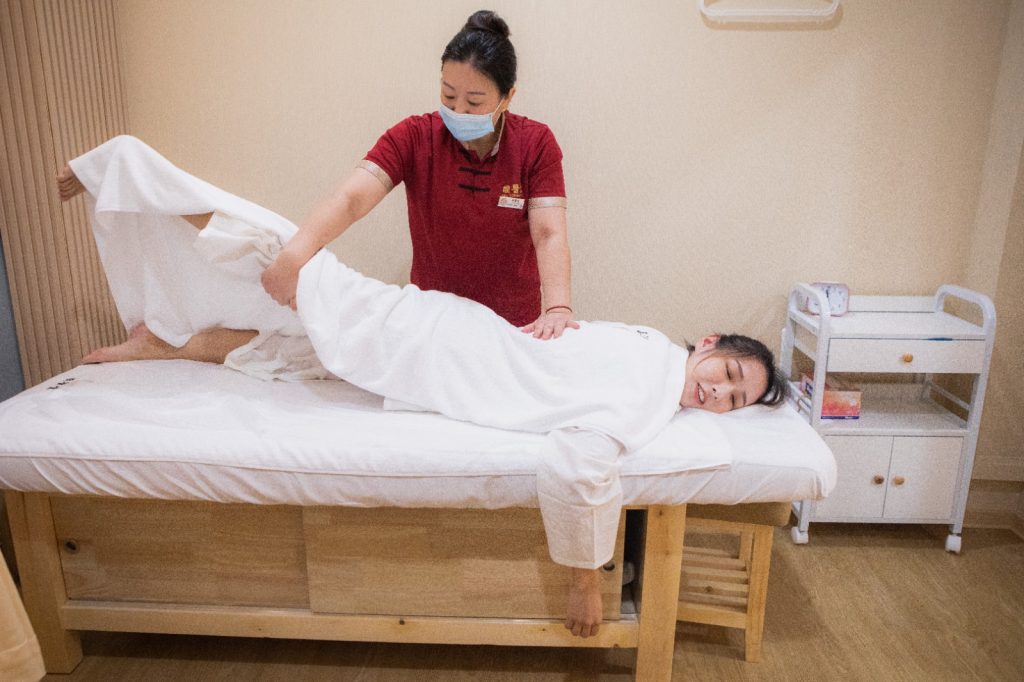
When you think about the cupping and tui na combo, you picture a deeply therapeutic treatment that addresses both surface tension and deep muscle issues. This powerful Traditional Chinese Medicine (TCM) combination is designed to promote blood flow, relieve muscle stiffness, and support overall wellness. Unlike stand‑alone therapies, this duo works together to deliver more comprehensive results for body and mind.

At G&G TCM Medical, our team offers expert‑guided sessions that combine the suction therapy of cupping with the skilled manual techniques of tui na. We tailor each session to your needs, ensuring that you receive the maximum benefit from every treatment.

Why Combine Cupping and Tui Na?

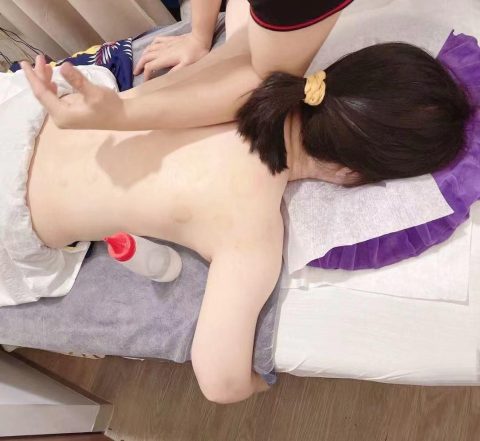
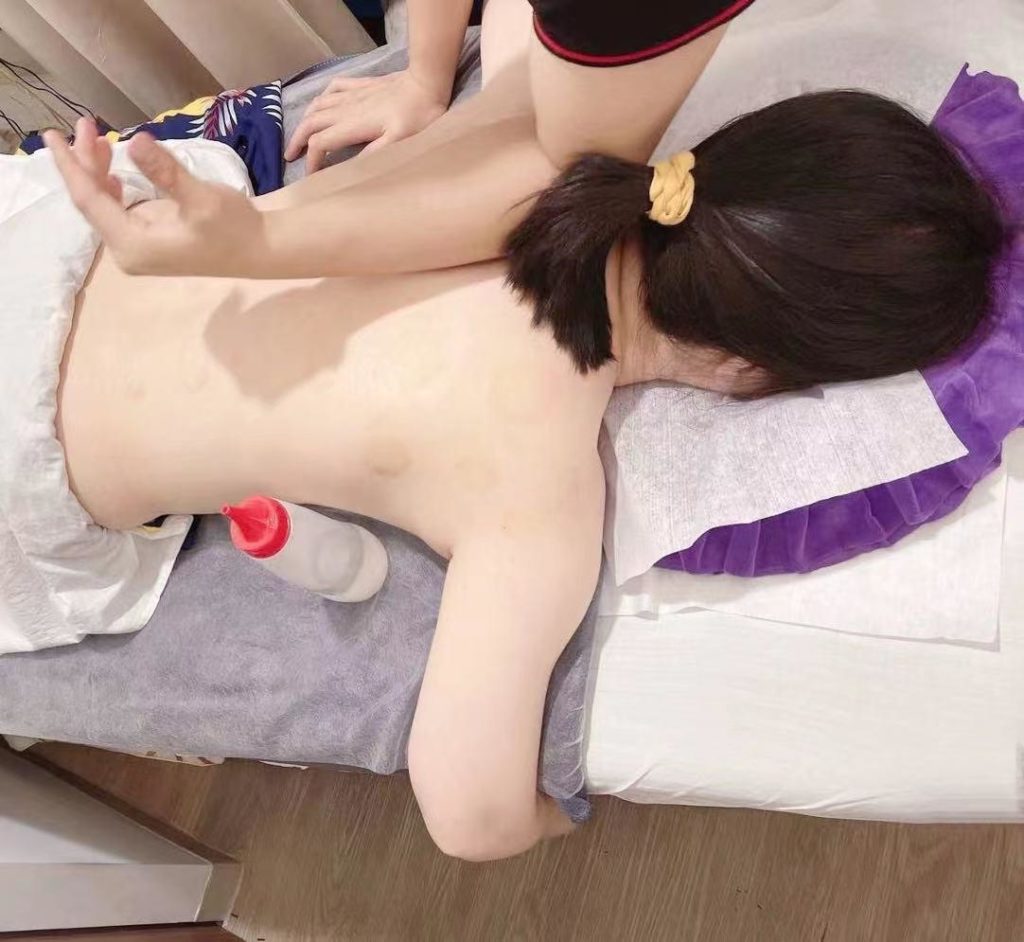
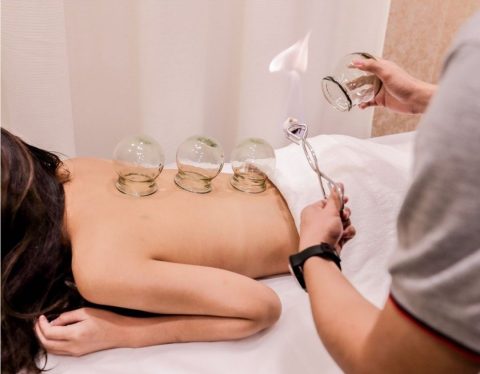
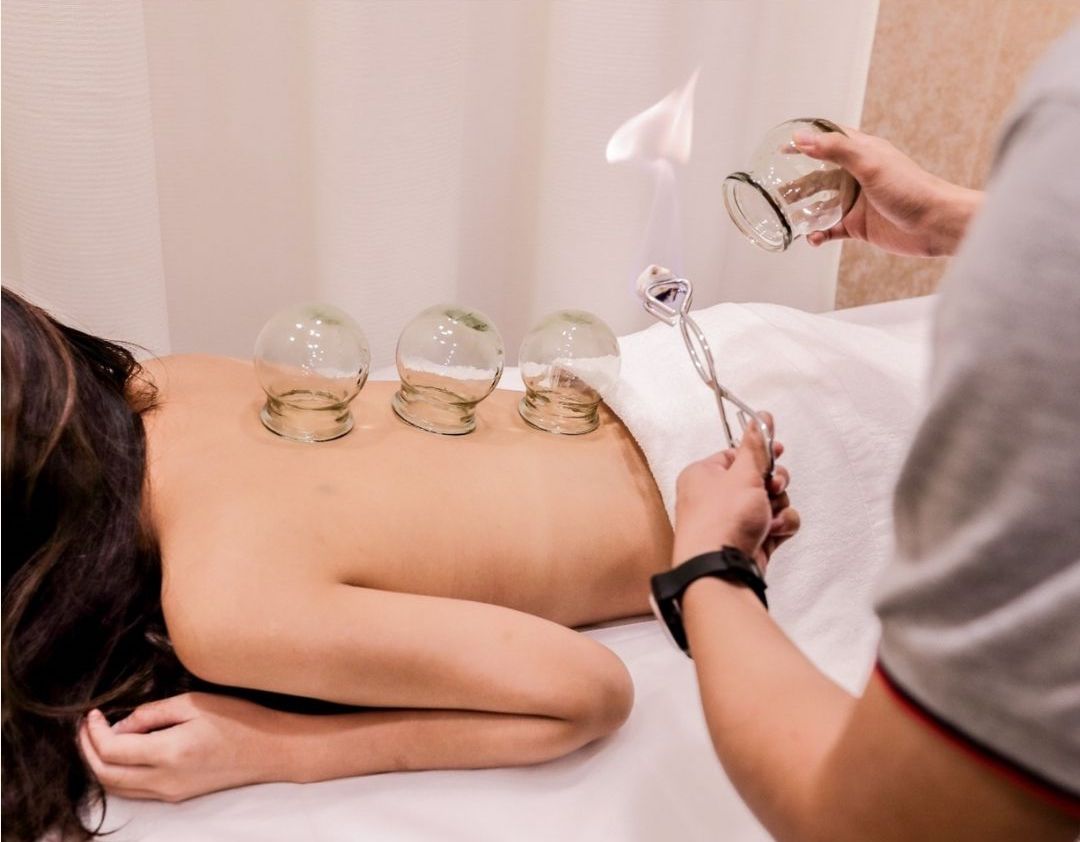
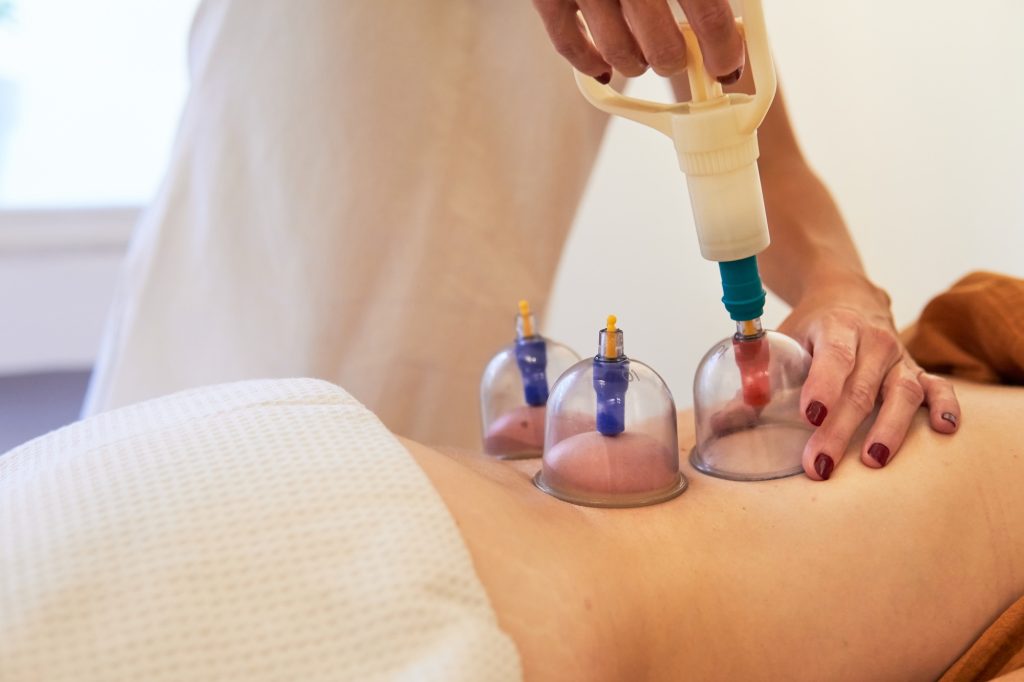
Cupping uses gentle suction to lift the skin and underlying tissue, encouraging circulation and easing tension. Tui na, on the other hand, is a therapeutic massage technique that uses kneading, rolling, and pressing to target muscle stiffness and joint issues.

When combined, these therapies amplify each other’s benefits. Cupping prepares the muscles by improving blood flow, while tui na works more effectively on relaxed tissue, reducing pain and improving flexibility. The result is faster relief, deeper relaxation, and longer‑lasting effects compared to either treatment alone.

Health Benefits of the Cupping and Tui Na Combo

  • Pain relief – Alleviates chronic muscle and joint pain by improving circulation and reducing inflammation.
  • Stress reduction – Releases built‑up tension and promotes a calm, balanced state of mind.
  • Improved mobility – Restores range of motion and helps maintain joint health.
  • Detoxification – Encourages lymphatic drainage, helping remove metabolic waste from the body.
  • Enhanced recovery – Speeds up muscle repair after intense activity or injury.

These benefits make the cupping and tui na combo ideal for athletes, office workers, and anyone seeking effective natural pain management.

What to Expect During a Session

Our team begins with a detailed consultation to understand your health concerns and goals. Cupping is typically performed first, using either traditional fire cupping or modern suction cups. This stage improves circulation and loosens tight muscle fibers.

Next, tui na techniques are applied to target specific problem areas. Depending on your condition, we may use deep tissue pressure, gentle rolling motions, or joint mobilization. Each session is adapted to suit your comfort level and physical needs.

Aftercare Tips for Best Results

To maximize the benefits of your cupping and tui na combo session:

  • Stay warm and avoid exposure to cold immediately after treatment.
  • Drink plenty of water to aid in detoxification.
  • Rest and allow your body time to recover.
  • Avoid intense exercise for 24 hours after your session.

Following these guidelines helps extend the positive effects of the treatment and supports overall healing.

Traditional Roots, Modern Care

While rooted in ancient TCM practices, the cupping and tui na combo remains highly relevant today. It is used worldwide to address musculoskeletal pain, promote relaxation, and improve overall health. At G&G TCM Medical, we blend this traditional wisdom with modern clinical expertise to provide a safe, effective, and personalized therapy experience.

How Often Should You Get the Cupping and Tui Na Combo?

Frequency depends on your health goals and current condition. For acute pain or recent injuries, our team may recommend weekly sessions for the first few weeks to promote faster recovery. For chronic pain, posture issues, or ongoing stress relief, scheduling the cupping and tui na combo every two to four weeks can help maintain results and prevent symptoms from returning.

If you are using the treatment for general wellness and relaxation, a monthly session is often enough to keep muscles supple and your body in balance. We always assess your progress and adjust the treatment plan to ensure you get the most benefit without over‑treating.

cupping and tui na combo

Experience Holistic Healing Today

The cupping and tui na combo is more than just a therapy, it’s a complete approach to restoring balance and relieving discomfort. Our skilled practitioners at G&G TCM Medical combine decades of TCM knowledge with compassionate care to help you achieve lasting wellness. Learn more and book your session at G&G TCM Medical to experience the difference for yourself. If you’re interested in gentle, effective therapy for your little ones, explore our dedicated service for Tui Na for Kids to support their health and development naturally.

FAQs Section

What is the cupping and tui na combo?

The cupping and tui na combo is a Traditional Chinese Medicine treatment that combines suction therapy (cupping) with therapeutic massage techniques (tui na) to improve circulation, relieve muscle tension, and promote overall wellness.

Is the cupping and tui na combo painful?

How long does a typical session last?

How often should I get the cupping and tui na combo?

Who should avoid this treatment?

Gentle Healing: Why Tuina for Kids Is the Natural Therapy Parents Trust

tuina for kids

Why More Parents Are Turning to Tuina for Kids

All parents constantly look for safe and effective ways to support their children’s health. Whether it’s recurring colds, digestion issues, or sleep troubles, it’s difficult to watch little ones struggle. That’s where tuina for kids becomes a valuable option. This traditional Chinese therapy offers a gentle, natural way to help children thrive.

Tuina (pronounced twee-nah) is a form of therapeutic massage rooted in Traditional Chinese Medicine (TCM). Its adaptability makes it particularly effective for children. Unlike treatments designed for adults, tuina uses soft, targeted massage techniques that are safe and suitable for young, developing bodies.

Understanding the Benefits of Tuina for Children

More Than Just Massage

Tuina is far more than a relaxing therapy. It is a clinical technique used to support internal balance by regulating the flow of Qi, or energy, throughout the body. Since children’s energy tends to be more dynamic and sensitive, they are especially responsive to tuina treatments.

This therapy works by gently stimulating meridians and acupoints that correspond to different organs and systems. Many families have observed notable improvements in digestion, sleep, behavior, and overall well-being after their children receive consistent sessions. Because tuina is non-invasive and external, there is no need to worry about pharmaceutical side effects. It supports healing in a natural, holistic manner.

Strengthening the Immune System

Children encounter pathogens frequently at school, daycare, or in crowded public spaces. A strong immune system is essential, and tuina for kids can help boost immune function through the stimulation of specific acupoints tied to lung and spleen health.

Many parents have reported that their children recover more quickly from minor illnesses and experience fewer infections throughout the year. Improvements in sleep and digestion often follow, creating a stable foundation for physical and emotional development.

Tuina Techniques Designed for Young Bodies

Tuina sessions for children are shorter and more delicate than those for adults. Most treatments last between 20 to 30 minutes and are customized based on the child’s constitution, age, and specific symptoms.

Practitioners use light techniques such as stroking, pressing, rolling, or rubbing along key meridian points often beginning with the arms or hands. These movements help calm the nervous system and support proper organ function. Children usually find tuina pleasant and easy to tolerate. Over time, many even look forward to their sessions as a source of relaxation and comfort.

What Conditions Can Tuina Address?

Tuina is not meant to replace conventional medical care, but it offers supportive therapy for a variety of common pediatric health concerns, including:

  • Digestive discomfort such as gas, bloating, constipation, or poor appetite
  • Frequent colds, cough, nasal congestion, or wheezing
  • Sleep disturbances or irregular sleep cycles
  • Hyperactivity, anxiety, or difficulty focusing
  • Bedwetting and nighttime restlessness
  • Emotional tension or behavioral sensitivity

By promoting balance within the child’s energy systems, tuina helps the body return to a healthier, more stable state.

Family-Centered Healing

Our team encourages parents and caregivers to become active participants in their child’s healing journey. Many families benefit from learning simple tuina techniques that can be practiced safely at home. These daily routines reinforce the progress made during clinic visits and strengthen the caregiver-child bond.

With guidance from trained TCM professionals, parents gain valuable tools to support their child’s health consistently and naturally—without the need for constant medication or invasive procedures.

Our Commitment to Safe and Gentle Care

Tuina is one of the safest forms of therapeutic care available for children when performed by trained professionals. Our team is certified in both Traditional Chinese Medicine and pediatric care, ensuring every child receives focused, age-appropriate treatment.

Before any session, our practitioners take time to evaluate the child’s symptoms, constitution, and needs. A personalized treatment plan is created to ensure the therapy is effective, comfortable, and reassuring for both the child and their family.

tuina for kids

Discover the Benefits of Tuina for Kids

Families looking for a safe, holistic, and effective solution to support their children’s health often find tuina to be an excellent choice. It promotes balance, strengthens immunity, and improves well-being without relying on medication. Those interested in exploring how this ancient therapy can enhance a child’s wellness are welcome to visit G&G TCM Medical. Our team provides personalized care that respects both ancient principles and modern pediatric needs. To better understand what happens during a typical treatment, explore what to expect in a child-focused tuina therapy session.

FAQs Section

What is Tui Na for kids?

Tui Na for kids is a gentle Traditional Chinese Medicine massage therapy designed specifically for children. It uses soft hand techniques to stimulate acupressure points, improve circulation, and support healthy growth without causing pain.

What conditions can Tui Na help treat in children?

Is Tui Na safe for children?

How is a Tui Na session for kids different from adults?

At what age can my child start Tui Na therapy?

Transform Your Well-Being: How TCM Acupuncture for Stress Offers Natural Relief

TCM acupuncture for stress

Embrace a Calmer Life with TCM Acupuncture for Stress

Stress touches every part of modern life. Whether it’s work pressure, digital overload, or sleepless nights, many of you feel overwhelmed and drained. That’s where this ancient healing approach offers a breakthrough. As advocates of holistic wellness, we believe TCM acupuncture for stress helps restore balance, not just emotionally but physically as well. By working with the body’s natural systems, acupuncture provides an alternative to pharmaceutical solutions. It doesn’t just mask symptoms. It addresses root causes. That’s why more people are turning to Traditional Chinese Medicine when seeking long-term peace of mind.

What Makes TCM Acupuncture Effective?

Understanding the TCM Approach

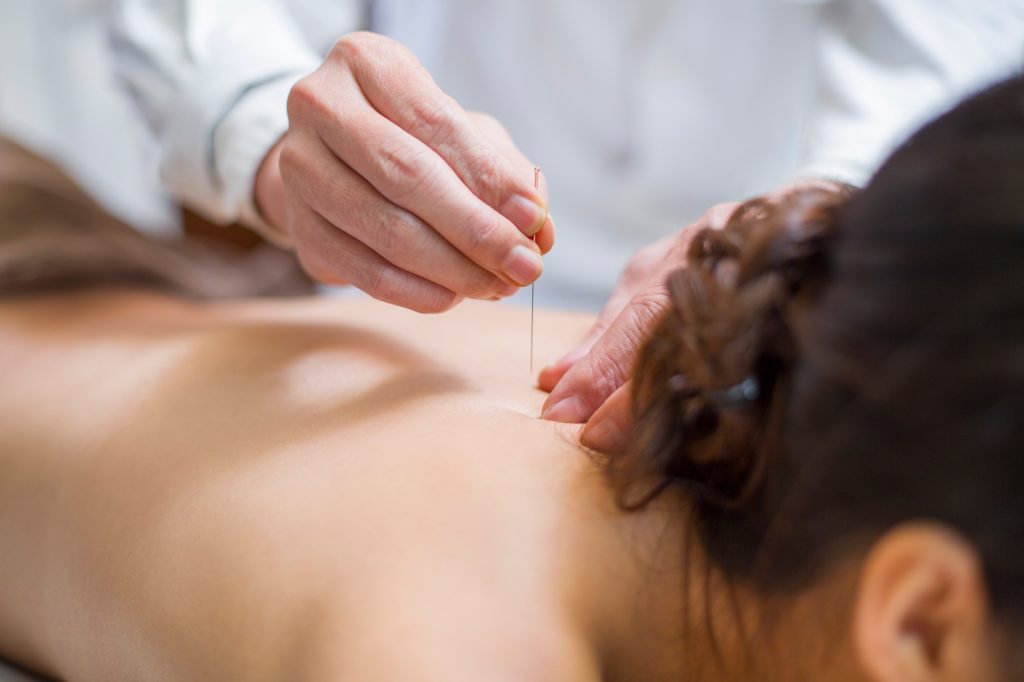
Unlike conventional treatments that target isolated symptoms, TCM acupuncture for stress views the body as an interconnected system. Energy or Qi, flows through meridians across the body. When stress disrupts this flow, many experience tension, fatigue, irritability, or insomnia. Acupuncture restores harmony by stimulating specific points on the body, encouraging Qi to move freely again. We’ve seen how this process gradually reduces emotional strain and brings a sense of grounded calm that lingers long after the session ends.

The Science Supporting It

Western research increasingly supports what traditional Chinese medicine has known for centuries. Studies reveal that acupuncture can influence the brain’s stress response, lower cortisol levels, and activate the parasympathetic nervous system. Simply put, the body shifts from “fight or flight” to “rest and recover.” This shift is exactly why TCM acupuncture for stress delivers such long-lasting impact. We’re not just talking about temporary relaxation we’re helping your body relearn how to stay calm under pressure.

What to Expect from an Acupuncture Session

The first time you walk into our TCM clinic, the environment already sets a different tone. It’s quieter, more personal, and centered around your well-being. Before any needles are used, one of our licensed practitioners will assess your symptoms, pulse, and energy flow. Some patients feel immediate changes like tension lifting or mood improving. Others notice progress over a few sessions as the treatment works deeper within the system. We assure you that the needles used in TCM acupuncture for stress relief are ultra-fine and typically painless. Many first-timers feel uncertain at first, but most leave surprised by how gentle and comforting the experience truly is.

Why Acupuncture Is Ideal for Managing Modern Stress

Non-Invasive and Drug-Free

In an age when quick fixes are everywhere, TCM acupuncture for stress offers something rare: true support without side effects. There’s no dependency, no harsh chemicals, and no withdrawal. That matters when your goal is sustained wellness. For those who prefer natural healing or are managing multiple conditions, this is a welcome option. It allows you to approach stress from a place of care, not suppression.

Tailored to Each Individual

No two people experience stress the same way, and TCM honors that. Our acupuncture treatments are personalized based on your energy type, lifestyle, and symptoms. Some sessions might focus on liver meridians for irritability, while others target the heart for restlessness or the kidneys for exhaustion. This individual care makes the results more meaningful. You’re not receiving a one-size-fits-all approach. You’re receiving care that respects your story.

Enhancing the Benefits with Lifestyle Integration

While acupuncture is powerful on its own, its effects are amplified when supported by other TCM practices. Many patients incorporate herbal remedies, Tui Na massage, breathing exercises, or nutritional therapy to strengthen the treatment. We encourage you to see acupuncture as part of a wider wellness commitment. When paired with mindfulness, adequate sleep, and intentional rest, the results speak for themselves: fewer outbursts, better sleep, and improved focus.

Thousands have turned to acupuncture for stress and found more than relief, they found transformation. It’s not just about feeling better in the moment. It’s about gaining tools that help you respond to life’s pressures with grace. We’ve supported working professionals who now sleep soundly, parents who feel more patient, and entrepreneurs who finally feel at peace. TCM acupuncture doesn’t change your responsibilities it changes how you carry them.

TCM acupuncture for stress

Begin Your Stress Relief Journey with Us

If you’re ready to explore TCM acupuncture for stress, we welcome you to experience our clinic’s warm, thoughtful approach. At G&G TCM Medical, our team integrates acupuncture with holistic diagnosis to help you manage stress naturally and effectively. From personalized consultations to gentle, targeted treatments, we are committed to restoring your balance and well-being one session at a time. To learn more about how each session is tailored and the full range of benefits it offers, explore our detailed overview of acupuncture treatment.

FAQs Section

What is TCM acupuncture for stress?

TCM acupuncture for stress is a traditional healing method that uses fine needles inserted at specific points on the body to balance energy flow (Qi), improve circulation, and promote relaxation. It is aimed at reducing stress, anxiety, and related symptoms naturally.

Is acupuncture safe for stress relief?

How many sessions will I need?

Does acupuncture for stress hurt?

Can acupuncture help with insomnia caused by stress?

Transform Your Health: What to Expect During a Tuina Therapy Session with Trusted TCM Experts

benefits of tuina before chinese new year

Discover the Healing Power: What to Expect During a Tuina Therapy Session

When you’re seeking natural solutions to pain, stress, or chronic imbalances, Traditional Chinese Medicine offers a path worth exploring. One of the most practical and transformative methods we use is Tuina therapy. Understanding what to expect during a Tuina therapy session can help you feel more confident and relaxed as you step into your healing journey.

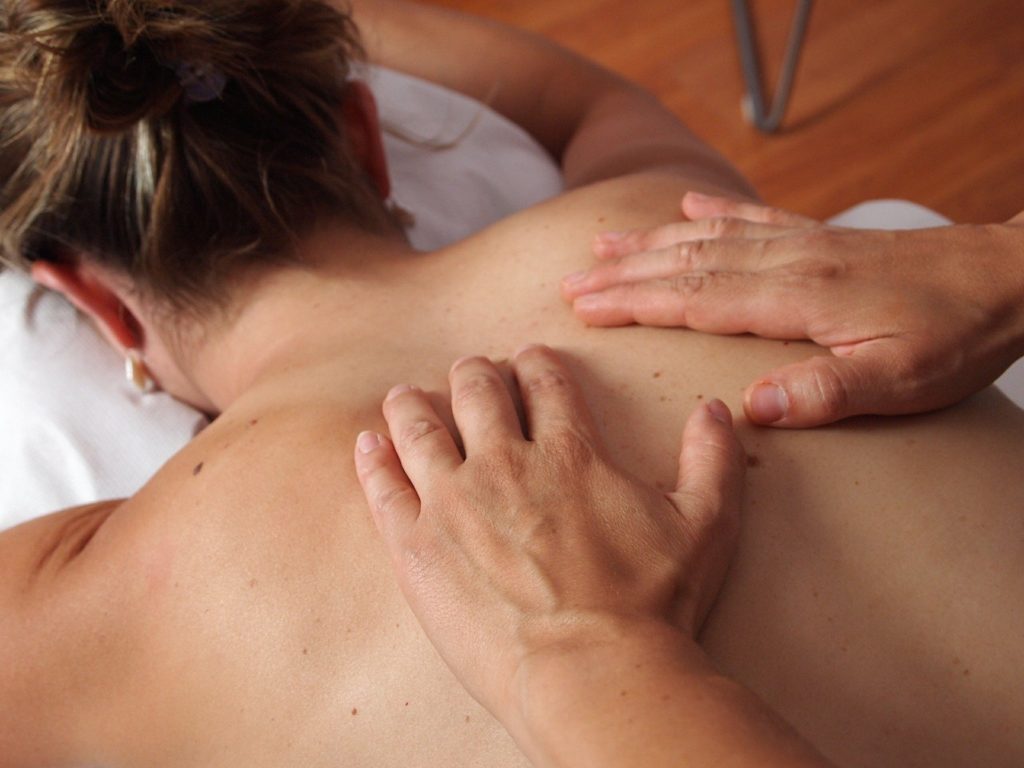
At our clinic, we’ve seen firsthand how Tuina works to realign the body and restore flow. This hands-on therapy focuses on stimulating meridian points and improving qi circulation. It’s not just another massage it’s a targeted, therapeutic treatment rooted in ancient techniques that still deliver results today.

Why Choose Tuina? The Ancient Practice with Modern Relevance

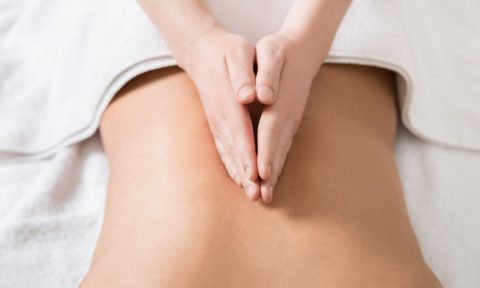
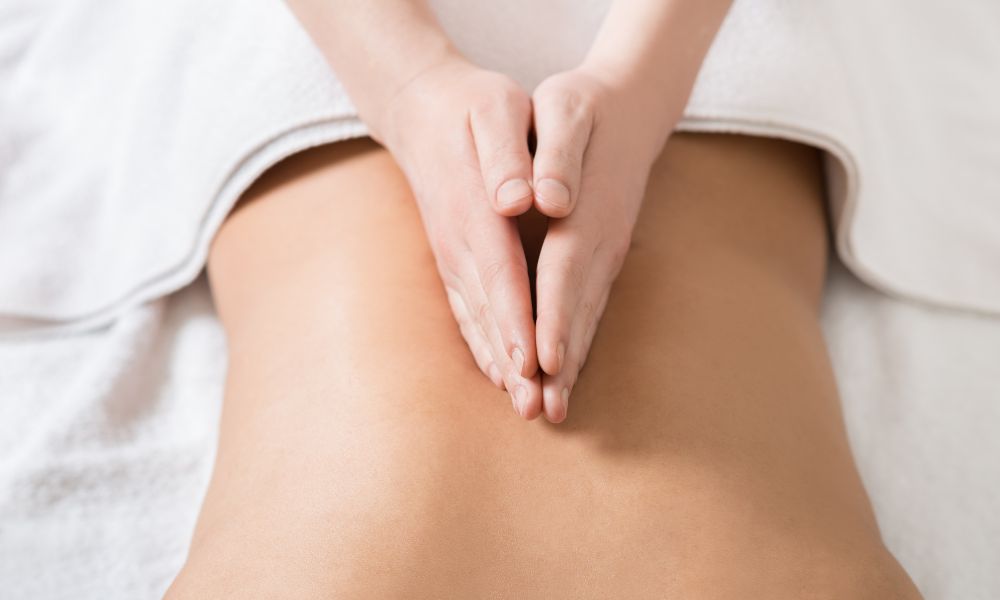
Unlike Western massages that primarily focus on relaxation, Tuina aims to resolve blockages and promote harmony in your body’s internal systems. We use it to support musculoskeletal concerns, joint stiffness, fatigue, and even digestive problems. It’s deeply connected to acupuncture and other TCM methods, but requires no needles making it perfect for those seeking a non-invasive experience.

As your body is guided through gentle kneading, pressing, and rolling motions, the effects go deeper than your muscles. Tuina addresses the source of your discomfort, not just the symptoms. That’s why we often recommend it as a first step in a larger wellness plan.

What to Expect During a Tuina Therapy Session

Before starting any treatment, our team ensures you receive a thorough consultation. We take time to understand your medical history, lifestyle, and specific symptoms. This step allows us to tailor the session to your unique needs, ensuring every movement has purpose and intention.

The Tuina Environment

You’ll be welcomed into a calm, clean, and quiet space designed for healing. Unlike a spa setting, our Tuina rooms focus on function over luxury. You’ll remain fully clothed, and we’ll use towels or cloth barriers to maintain modesty and comfort throughout the session.

The atmosphere is serene, but this isn’t a passive experience. Some movements may feel strong, especially when we’re addressing areas with tension or stagnant qi. Still, the goal is always therapeutic not painful.

Techniques You’ll Experience

During your session, our practitioner may use a range of techniques depending on your condition. These include:

  • Kneading to relax soft tissue.
  • Pressing and rolling to open meridian pathways.
  • Grasping and pushing to disperse blockages.
  • Joint mobilization for improving flexibility.

We may also focus on acupressure points to stimulate organ function and boost circulation. The session often includes rhythmic motions that guide your body back into alignment. Some people feel energized afterward. Others may feel deeply relaxed or sleepy. Both are normal responses as your body adjusts and begins to heal.

Duration and Frequency

A typical Tuina therapy session lasts about 30 to 60 minutes. We recommend an initial series of treatments usually once or twice a week depending on the severity of your condition. Chronic issues may take longer, but many of our patients report noticeable relief within the first few visits. We’ll regularly assess your progress to adapt the approach if needed. Our goal is not just temporary relief, but long-term balance.

Who Benefits Most from Tuina Therapy?

We’ve worked with a wide range of clients from athletes recovering from injuries to office workers battling postural strain. Tuina is particularly effective for:

  • Neck and shoulder pain
  • Lower back discomfort
  • Joint stiffness or immobility
  • Headaches and migraines
  • Insomnia and fatigue
  • Menstrual irregularities

What makes Tuina especially versatile is its adaptability. Whether you’re managing stress or recovering from surgery, we adjust our approach to suit your body and healing timeline.

Precautions and Aftercare

Although Tuina is safe for most people, we take every precaution to ensure your comfort. If you have conditions like fractures, infections, or severe cardiovascular problems, we’ll modify the technique or suggest alternative therapies.

After a session, it’s common to feel a bit sore similar to how your body might feel after a good workout. We recommend staying hydrated, avoiding heavy meals immediately afterward, and allowing your body to rest. Our team will offer specific advice based on how your body responds.

tuina therapy session

Let Us Guide You Toward Lasting Relief

Knowing what to expect during a Tuina therapy session helps you prepare both mentally and physically. From the moment you arrive, our team ensures your comfort and safety while delivering effective treatment tailored to your body’s needs. Tuina may just be the reset your body has been craving. At G&G TCM Clinic, we’re committed to helping you feel better, naturally. Whether you’re new to TCM or looking for a complementary therapy, we’re here to support your wellness journey every step of the way. From kneading and rolling to acupressure and joint release, each movement delivers results and you can learn more about how these methods support healing in our detailed guide on Tuina benefits.

FAQs Section

What is a Tuina therapy session and how does it work?

Tuina is a therapeutic massage rooted in Traditional Chinese Medicine. It uses techniques like kneading, pressing, rolling, and stretching to stimulate meridian pathways and restore balance in the flow of qi (energy) and blood throughout the body.

What should I expect during a Tuina therapy session?

How long is a typical Tuina session and how often should I have one?

Is Tuina therapy safe? Are there any side effects?

Can Tuina be combined with other TCM treatments?

Unlock Incredible Vitality: Top TCM Herbs That Strengthen Immunity Naturally and Effectively

tcm diet guide

Ancient Wisdom, Modern Strength: Top TCM Herbs That Strengthen Immunity

When it comes to building long-term health, boosting your immune system is one of the smartest choices you can make. As you face stress, changing seasons, and environmental toxins, it’s important to protect your body from within. That’s where our understanding of the top TCM herbs that strengthen immunity comes in. We believe that with the right herbal support, your body can become more resilient and better prepared to stay well.

At the heart of Traditional Chinese Medicine lies the principle of prevention. Our approach focuses on strengthening the body’s internal balance before illness has a chance to take root. For generations, trusted herbs have been used to enhance vitality and immune function, and today, these remedies remain just as relevant if not more so.

Why Strengthening Immunity Is Essential

Your immune system works nonstop to defend your body. From battling infections to regulating inflammation, it’s your most loyal line of protection. However, modern living often wears it down. Lack of rest, constant screen time, and environmental exposure take a toll on your energy and natural defenses.

As practitioners of TCM, we offer a holistic view. Instead of just targeting symptoms, we focus on improving qi, supporting your organ systems, and encouraging harmony throughout your entire body. Herbal remedies play a key role in this strategy and we’re proud to guide you in choosing the right ones.

Top TCM Herbs That Strengthen Immunity

Each of the following herbs has a well-established reputation in Chinese Medicine. These are the time-tested remedies our team relies on to help patients restore energy, protect their health, and prevent illness.

Astragalus Root (Huang Qi)

Astragalus is one of the most reliable herbs in our TCM toolkit for immune enhancement. Known for boosting qi and reinforcing vitality, it encourages white blood cell activity and helps your body respond more effectively to threats. We often recommend astragalus in soups or herbal brews, especially during times of seasonal change or recovery. Our team values astragalus for its ability to strengthen without overstimulating. It offers steady support ideal for those with low energy, frequent colds, or poor immune response.

Reishi Mushroom (Ling Zhi)

Reishi is much more than a mushroom. It’s an adaptogen, a calming tonic, and a powerhouse of immune regulation. Reishi supports your natural defenses, reduces inflammation, and promotes restful sleep. These benefits combine to make it a foundational herb in many of our formulations. We include reishi in our wellness programs for those recovering from burnout, emotional stress, or long-term fatigue. Its ability to support liver function also enhances detoxification, a critical part of staying healthy.

Ginseng (Ren Shen)

Panax ginseng plays a central role in our immune-boosting strategies. It invigorates qi, improves concentration, and strengthens the body’s resistance to external pathogens. This herb is especially useful for individuals who feel drained, mentally foggy, or vulnerable to illness.

In many of our customized prescriptions, ginseng is combined with other herbs for greater synergy. It’s not just an energy booster it’s a full-body tonic that supports the immune, endocrine, and nervous systems simultaneously.

Cordyceps (Dong Chong Xia Cao)

Cordyceps stands out for its ability to enhance lung function and support respiratory health. We often suggest this herb during flu season or for patients recovering from respiratory infections. Cordyceps also supports both yin and yang balance, making it suitable for older adults or those with chronic fatigue. Our team uses it alongside qi-tonifying herbs to encourage deeper energy restoration and immunity building.

Schisandra Berries (Wu Wei Zi)

These berries are known as the “five flavor fruit” in Chinese Medicine. Schisandra contains all five TCM tastes, which speaks to its harmonizing properties. We use it to preserve energy, calm the mind, and protect the liver. Our team often includes schisandra in formulas for emotional resilience and antioxidant protection. A calmer nervous system, after all, contributes to a stronger immune response.

tcm diet guide

Don’t Wait for Illness Start Strengthening Your Body Now

TCM teaches us that the best time to strengthen your immunity is before you feel sick. By supporting your body daily, you reduce the chance of falling ill and recover faster when challenges arise. With consistent use and the right combinations, TCM herbs help train the body to respond more effectively to stress, bacteria, and viral threats. Whether you’re navigating seasonal changes, recovering from burnout, or simply aiming for better balance, these herbal allies can be a powerful part of your journey.

Ready to explore the benefits of the top TCM herbs that strengthen immunity? Our team at G & G TCM Clinic is here to support you with expert diagnosis, custom prescriptions, and compassionate care. We blend ancient wisdom with a modern approach, so you receive personalized support that fits your needs naturally and effectively. To deepen your knowledge of how Chinese herbal formulas work in holistic healing, explore our comprehensive guide to Chinese Herbal Medicine.

FAQs Section

What are the most effective TCM herbs for boosting immunity?

Many of the top TCM herbs recommended for immunity include Astragalus (Huang Qi), Reishi mushroom (Ling Zhi), Ginseng (Ren Shen), Cordyceps, and Schisandra berries (Wu Wei Zi). These herbs are known for reinforcing qi, enhancing white blood cell activity, and supporting organ function.

Are TCM herbs safe to take with my current medications?

How should I consume these herbs powder, decoction, or capsules?

Can I take immune-boosting herbs on an empty stomach?

How long does it take to see results from TCM herbs?

Powerful Natural Relief: Acupuncture For Fertility That Supports Your Journey

acupuncture for fertility

A Natural Ally In Your Conception Journey

If you’re exploring ways to enhance your chances of pregnancy, acupuncture for fertility may be the solution you’ve been looking for. We believe in combining ancient wisdom with modern understanding to help support your reproductive goals safely and effectively.

As your body faces hormonal fluctuations and lifestyle pressures, acupuncture offers a gentle, time-tested way to bring balance and circulation where it matters most. Whether you’re preparing to conceive naturally or undergoing IVF, this method nurtures your body at every stage of the journey.

Why Acupuncture Works For Fertility

Acupuncture focuses on stimulating specific energy points to support blood flow, reduce stress, and balance hormone production. In Traditional Chinese Medicine (TCM), fertility is tied to the health of your Kidney energy, Liver function, and Qi circulation.

When these systems are out of sync, conception becomes more difficult. Through precise treatments tailored to your condition, we help restore natural flow so your reproductive organs receive better oxygen and nutrient supply giving you a stronger foundation for pregnancy.

Key Benefits Of Acupuncture For Fertility

While individual experiences may vary, many who receive regular treatment report consistent improvements in their reproductive health. Some of the most common benefits include:

  • Improved hormonal balance
    Regulating estrogen and progesterone levels naturally.
  • Enhanced blood flow
    Nourishing the uterus and supporting healthy ovulation.
  • Reduced stress
    Helping calm the nervous system and stabilize emotional states.
  • Better menstrual health
    Cycles become more regular, and symptoms like PMS or painful cramps may ease.
  • Support for male fertility
    Improving sperm count and motility in a natural, drug-free way.

A Strong Partner To IVF And IUI Treatments

We’ve seen how acupuncture for fertility becomes even more powerful when paired with medical fertility treatments. During IVF or IUI, your body undergoes hormonal shifts and emotional stress. Acupuncture helps by reducing inflammation, optimizing blood flow to the uterus, and regulating your body’s stress response.

By aligning treatment sessions with each phase of your IVF cycle, we help your body respond better—from the stimulation phase to embryo transfer. This dual approach can improve implantation rates and overall outcomes, all while supporting your emotional resilience.

Emotional Well-being Matters Too

Trying to conceive can take a toll on your mental health. Stress, anxiety, and emotional fatigue are common even when you’re doing everything “right.” Acupuncture offers a sanctuary where your mind and body can slow down and reset. Each session promotes deep relaxation. By reducing cortisol and helping your nervous system recover, acupuncture supports emotional clarity. It’s not just a side benefit it’s a vital part of restoring your reproductive balance.

What To Expect From Treatment

Your journey is personal, and so is your treatment plan. We typically recommend:

  • Weekly sessions for at least three menstrual cycles
  • Adjustments based on your ovulation phase and symptoms
  • Continued support through early pregnancy if needed

Results build over time. Within a few weeks, many notice reduced PMS symptoms, clearer ovulation patterns, and better energy levels. With consistent care, your body becomes more receptive to conception naturally and without invasive procedures.

acupuncture for fertility

Start Your Journey With Support That Respects Your Body

You deserve care that sees the whole picture your body, your stress, your hopes. That’s what makes acupuncture for fertility such a powerful option. It doesn’t force your body. It works with it, guiding it back into balance and readiness. At G&G TCM Medical, we offer personalized acupuncture services rooted in Traditional Chinese Medicine and guided by years of clinical experience. Let us support your path to parenthood with the care, knowledge, and attention your body deserves. For women who are later navigating hormonal changes in life, Traditional Chinese Medicine also provides natural support beyond fertility. Learn how TCM helps manage menopause symptoms effectively here.

FAQs Section

How does acupuncture help improve fertility?

Acupuncture helps regulate your body’s hormonal balance, improves blood flow to reproductive organs, and reduces stress levels. These factors collectively support natural conception and improve the success of assisted reproductive treatments like IVF.

Is acupuncture for fertility safe?

How many acupuncture sessions are recommended for fertility support?

Can acupuncture be used with Western fertility treatments like IVF or IUI?

How soon will I see results from acupuncture for fertility?

Empowered Healing: Discover the Natural Benefits of TCM for Menopause Relief

TCM for menopause

Regain Balance Naturally with TCM for Menopause

When navigating hormonal changes, many women search for solutions that feel safe, effective, and aligned with the body’s natural rhythm. TCM for menopause offers just that. We believe in a holistic approach that addresses not just symptoms, but your overall well-being something Western treatments often overlook.

Traditional Chinese Medicine has supported women for centuries through all life stages. For menopause, it offers relief by restoring harmony between the mind, body, and internal energy systems. Through acupuncture, herbal remedies, and lifestyle recommendations, TCM helps you feel like yourself again.

A Holistic View: Understanding Menopause in TCM

In Traditional Chinese Medicine, menopause is not just about a hormonal drop it signals an energetic transition. TCM for menopause sees this phase as a shift in Kidney energy and a disruption between Yin and Yang forces. These imbalances cause the typical symptoms like hot flashes, insomnia, or mood swings.

Rather than treat symptoms in isolation, we use TCM to address the root causes. This personalized approach helps restore the natural rhythm your body needs to thrive.

Common Menopause Symptoms TCM Can Treat

Gentle Relief, Naturally

Menopause may bring hot flashes, insomnia, anxiety, mood swings, fatigue, and irregular periods. In our experience, TCM treats these symptoms by strengthening the organs and systems involved.

  • Hot flashes & night sweats: Often caused by Yin deficiency. Herbal prescriptions can help cool the body and restore internal moisture.
  • Insomnia & anxiety: Linked to imbalances in the Heart and Kidney systems. Acupuncture calms the nervous system, promoting restful sleep.
  • Fatigue & brain fog: TCM addresses Qi deficiency to improve energy and focus.
  • Irregular menstruation: Treated through a combination of herbs and meridian stimulation to balance hormones.

Core TCM Therapies for Menopause Support

Acupuncture

We’ve seen remarkable results using acupuncture to manage menopause symptoms. By targeting specific meridian points, acupuncture regulates internal systems, boosts circulation, and promotes relaxation. Most women report reduced hot flashes, improved mood, and better sleep within a few sessions.

Herbal Medicine

Chinese herbal formulas are the foundation of TCM menopause care. Unlike synthetic hormone therapy, herbs are gentle, adaptive, and non-invasive. Popular remedies may include:

  • Liu Wei Di Huang Wan (for Yin deficiency)
  • Zhi Bai Di Huang Wan (to reduce internal heat)
  • Tian Wang Bu Xin Dan (for insomnia and anxiety)

These are never prescribed blindly. We always customize blends to match your constitution, symptoms, and stage of menopause.

Tuina & Moxibustion

We often include tuina massage or moxibustion to amplify the effects of acupuncture and herbs. These therapies relax tense muscles, improve circulation, and warm the body key in managing menopausal symptoms rooted in Qi stagnation or Yang deficiency.

The TCM Advantage Over Hormone Replacement Therapy (HRT)

Many women hesitate to begin HRT due to side effects or long-term risks. While HRT can reduce certain symptoms, it often comes with concerns around heart health, stroke, and breast cancer. TCM, on the other hand, supports your body without introducing synthetic hormones. We work with your body’s rhythm, not against it. That’s why so many women turn to us when conventional approaches don’t feel right or have failed to deliver the results they expected.

TCM for menopause

Take the First Step Toward Natural Menopause Relief

Choosing TCM for menopause gives you the power to heal naturally, without compromising on safety or results. It’s about more than managing symptoms it’s about reclaiming your comfort, your rhythm, and your peace of mind. If you’re ready to explore how Traditional Chinese Medicine can support your journey, visit G&G TCM Medical. Our experienced team will guide you with warmth, precision, and respect for your individual needs. If you’re interested in how TCM can support reproductive health beyond menopause, explore our insightful guide to Acupuncture for Fertility.

FAQs Section

How does TCM treat menopause differently from Western medicine?

Traditional Chinese Medicine (TCM) focuses on restoring internal balance rather than suppressing symptoms. TCM aims to address the root cause—such as Kidney Yin deficiency or Liver Qi stagnation through acupuncture, herbal therapy, and lifestyle adjustments, helping you transition smoothly without relying solely on hormone replacement therapy.

Is TCM safe for managing menopause symptoms?

How soon can I expect results from TCM treatment for menopause?

Can TCM help with hot flashes and night sweats?

Do I need to take Chinese herbs daily during treatment?