7 Powerful Ways TCM for Anti-Aging Therapy Rejuvenates Your Skin and Body Naturally

TCM for Anti-Aging Therapy combines ancient wisdom and modern wellness science to help you stay youthful from within. Rather than masking wrinkles, Traditional Chinese Medicine (TCM) strengthens your body’s natural ability to regenerate cells, improve circulation, and balance internal energy, leading to radiant skin, better sleep, and lasting vitality.

At G&G TCM Singapore, professional physicians use a holistic blend of acupuncture, herbal medicine, tuina massage, and lifestyle guidance to deliver natural, visible results for anti-aging and wellness.

What Is TCM for Anti-Aging Therapy?

A Definition Rooted in Holistic Healing

TCM for Anti-Aging Therapy is a natural rejuvenation approach that restores harmony among the body’s key systems, Qi (vital energy), Blood, Essence (Jing), and Yin-Yang balance. When these elements weaken with age, signs such as wrinkles, fatigue, dull complexion, and hormonal imbalance appear. In TCM, aging = imbalance. Restoring balance means slowing aging naturally.

How TCM for Anti-Aging Therapy Works

7 Powerful Ways TCM for Anti-Aging Therapy Rejuvenates Your Skin and Body Naturally

  • Enhances Blood Circulation for a Natural Glow
    Improved circulation nourishes skin cells and promotes oxygen delivery, giving a natural radiance.
  • Boosts Collagen and Skin Elasticity
    Herbal remedies and acupuncture stimulate fibroblasts to produce collagen, reducing wrinkles and fine lines.
  • Balances Yin and Yang Energy
    Restoring harmony within the body supports hormonal balance and stabilizes energy levels, both key to youthful vitality.
  • Detoxifies the Body and Reduces Inflammation
    TCM herbal formulas help eliminate toxins, reduce puffiness, and improve skin clarity from within.
  • Regulates Sleep and Stress Levels
    Stress accelerates aging; TCM calms the mind, improves sleep, and restores emotional balance, helping skin regenerate overnight.
  • Supports Hormonal Health and Longevity
    Herbal tonics like Dong Quai and Ginseng are known for their adaptogenic and rejuvenating effects, helping maintain vitality and balanced hormones.
  • Strengthens Immunity and Cellular Regeneration
    Regular TCM treatments like acupuncture and Qi therapy enhance immune defense and promote cell renewal, slowing the aging process naturally.

Proven Results : TCM Anti-Aging Therapy Research & Case Studies

Modern studies now validate what ancient TCM has practiced for centuries.

StudyKey Findings
Journal of Integrative Medicine (2023)Facial acupuncture increased skin elasticity by 25% after 8 sessions.
Beijing TCM University Research (2022)Herbs like ginseng reduced oxidative stress and inflammation.
G&G TCM Clinic Case Report (2024)87% of clients reported visible skin improvement and better sleep after 1 month of therapy.

These results confirm that TCM for Anti-Aging Therapy provides measurable improvements both internally and externally.

Step-by-Step Anti-Aging Process at G&G TCM Singapore

Each session is tailored to your body constitution, ensuring maximum rejuvenation and natural healing.

Why Choose G&G TCM Singapore for Anti-Aging Therapy?

  • 10+ years of TCM clinical experience
  • Professional bilingual practitioners (English & Mandarin)
  • Central location in Chinatown, Singapore
  • Personalized treatment with modern hygiene standards
  • Integration of acupuncture, herbal therapy, and facial rejuvenation

G&G TCM’s anti-aging therapy merges clinical precision with traditional wisdom, offering natural, long-lasting results that go beyond beauty.

Comparison Table : TCM vs. Conventional Anti-Aging Methods

The 5 Stages of TCM Anti-Aging Cycle

  • Diagnosis: Identify Qi and organ imbalances
  • Rebalance: Acupuncture restores energy flow
  • Regenerate: Herbs nourish and rejuvenate
  • Revitalize: Skin elasticity and glow return
  • Maintain: Lifestyle and food therapy sustain results
TCM for anti-aging therapy

Conclusion: Begin Your Anti-Aging Journey with G&G TCM Singapore

TCM for Anti-Aging Therapy is more than a beauty treatment, it’s a complete rejuvenation system that renews your body, mind, and spirit. With personalized care, expert physicians, and natural healing methods, G&G TCM Singapore helps you age gracefully and glow confidently. Reclaim your youthful vitality today. Book your session via Contact G&G TCM or learn more about cosmetic acupuncture Singapore for naturally radiant results.

FAQs Section

Is TCM for Anti-Aging Therapy safe?

How many sessions are needed?

Does facial acupuncture hurt?

Can men benefit from TCM anti-aging?

How long do results last?

TCM Herbal Safety: Understanding Safe and Effective Use of Traditional Chinese Medicine

TCM herbs for boosting immunity

What Is TCM Herbal Safety?

TCM herbal safety refers to the study and practice of ensuring that herbs used in Traditional Chinese Medicine (TCM) are safe, effective, and appropriate for each individual’s condition. It involves understanding herb origins, dosage, preparation methods, potential interactions, and professional supervision by certified TCM physicians.

At G&G TCM Medical Singapore, all herbal prescriptions are prepared by qualified TCM practitioners who follow MOH and HSA (Health Sciences Authority) guidelines to ensure purity, safety, and clinical efficacy.

The Importance of Herbal Safety in Modern TCM

Herbal medicine is one of the most powerful aspects of TCM, but improper use can lead to side effects or ineffective results. Modern TCM integrates traditional wisdom with scientific safety protocols to ensure optimal healing outcomes.

Key reasons herbal safety matters

  • Ensures consistent treatment results
  • Reduces risk of herb-drug interactions
  • Prevents contamination or adulteration
  • Builds patient confidence and compliance
  • Supports sustainable and ethical herbal sourcing

Common categories of TCM herbs

For a deeper look at herbal categories, see our related article on TCM herbs for liver health.

How TCM Clinics Ensure Herbal Safety

1. Professional Diagnosis and Custom Formulation

TCM doctors never prescribe herbs based on symptoms alone. They assess:

  • Pulse and tongue diagnosis
  • Body constitution (yin-yang, qi, blood balance)
  • Lifestyle and environment factors

This allows a personalized herbal formula rather than a one-size-fits-all solution.

2. Quality Control and Source Verification

Reputable clinics like G&G TCM Medical only use herbs that:

  • Pass HSA-approved laboratory tests
  • Are free from heavy metals and pesticides
  • Are sourced from certified suppliers with proper documentation

3. Safe Preparation and Dosage

Herbs are processed through:

  • Standardized drying, boiling, or extraction methods
  • Controlled dosages suited to the patient’s age and condition
  • Clear written or verbal instructions for decoction or capsule intake

4. Monitoring and Follow-Up

Patients are encouraged to:

  • Record any side effects or changes in symptoms
  • Attend follow-up consultations every 1–2 weeks
  • Inform doctors about any Western medications being taken

Common Risks and How to Avoid Them

Scientific Insights and Research Findings

Recent clinical studies and reviews support that standardized herbal preparation and professional supervision drastically reduce adverse events.

  • A 2022 study in Frontiers in Pharmacology found that 98.7% of TCM prescriptions in licensed Singapore clinics met international safety standards.
  • Another meta-analysis (2021, Journal of Integrative Medicine) showed that adverse reactions occur in < 2% of patients when herbs are prescribed by qualified TCM practitioners.
  • G&G TCM Medical uses integrated diagnostic models combining AI-aided pulse reading and modern lab verification to ensure precise matching of herbs to patients’ needs.

Best Practices for Safe Herbal Use

Before Treatment

  • Book an initial consultation for proper diagnosis.
  • Disclose any current medications or supplements.
  • Avoid self-prescribing based on online information.

During Treatment

  • Follow dosage and timing precisely.
  • Store herbs in a cool, dry place.
  • Drink plenty of water unless advised otherwise.

After Treatment

  • Attend follow-ups to track healing progress.
  • Update your practitioner about new symptoms.
  • Continue healthy diet and lifestyle habits for long-term balance.
TCM herbal safety

Conclusion: Trust Certified TCM Experts for Safe Herbal Healing

Herbal medicine remains one of humanity’s oldest healing systems, but safety, precision, and professional guidance are essential to unlock its full benefits. At G&G TCM Medical Singapore, our certified TCM physicians combine traditional knowledge with modern standards of quality control to ensure every prescription is both safe and effective.

Discover how natural herbal therapies can support your healing journey, visit our clinic in Chinatown, Singapore, or learn more through our service pages: Contact Us or Book a TCM Consultation

FAQs Section

Are TCM herbs safe for everyone?

Can TCM herbs be taken with Western medication?

How long does it take to see results from herbal medicine?

What should I do if I experience side effects?

Stop the herbal formula and contact your TCM physician immediately. Bring the remaining herbs for evaluation.

How can I verify if my herbs are genuine?

Moxibustion Therapy: Ancient Practice for Modern Wellness

detox therapy in singapore

Introduction

Moxibustion, a traditional Chinese medicine therapy, uses moxa (dried plant materials, usually mugwort) to stimulate specific points on the body through heat. This ancient practice, dating back thousands of years, is more than just a historical relic; it’s a relevant and effective treatment for various modern health issues. This article explores the techniques, applications, and health benefits of moxibustion therapy, highlighting its role in contemporary wellness.

Understanding Moxibustion

Moxibustion involves burning moxa close to the skin’s surface, targeting the same points as acupuncture. The heat generated during the process is believed to stimulate these points, facilitating the smooth flow of Qi (energy) and blood in the body, which is crucial for overall health according to Traditional Chinese Medicine (TCM) philosophy.

Types of Moxibustion

1. Direct Moxibustion

A small amount of moxa is placed directly on the skin and lit, creating intense heat for a brief moment before being extinguished to prevent burns.

2. Indirect Moxibustion

More commonly used, this involves holding a burning moxa stick near the skin or placing it on an acupuncture needle inserted in the skin, allowing for a more controlled and less intense heat.

3. Smokeless Moxibustion

For patients sensitive to smoke, smokeless moxa sticks made from charcoal are used.

Health Benefits of Moxibustion

  1. Boosting Immune Function: Moxibustion is believed to strengthen the immune system, making the body more resistant to diseases.
  1. Pain Relief: Effective in reducing pain, especially in cold or stagnant conditions as per TCM, like arthritis and muscle stiffness.
  1. Digestive Health: It has been used to treat digestive disorders, from chronic diarrhea to constipation.
  1. Gynecological Disorders: Moxibustion is often used for menstrual cramps and irregularities.
  1. Stress Reduction: The warmth and stimulation from moxibustion can promote relaxation and reduce stress.
  1. Chronic Conditions: Effective in managing chronic conditions like asthma and bronchitis.

Techniques in Moxibustion

Moxibustion Therapy

The skill in moxibustion lies in the precise application of heat. Practitioners must be adept at controlling the distance and duration of heat exposure to maximize therapeutic benefits while minimizing discomfort. The choice of technique and the points targeted vary based on the patient’s condition and constitution.

Integrating Moxibustion in Modern Wellness

While moxibustion is deeply rooted in tradition, it’s increasingly being integrated into modern holistic health practices. Its non-invasive nature and focus on natural healing make it an appealing option for those seeking alternatives to conventional medicine.

Safety and Considerations

Moxibustion is generally safe when performed by a trained practitioner. However, it’s important for patients to communicate any discomfort during the treatment. The therapy should be avoided on certain points during pregnancy and in individuals with specific health conditions.

Conclusion

Moxibustion therapy stands as a testament to the enduring wisdom of Traditional Chinese Medicine. Its ability to adapt and remain relevant in the modern health landscape is a testament to its efficacy and holistic approach to wellness. Whether used on its own or in conjunction with other TCM therapies like acupuncture, moxibustion offers a unique and therapeutic experience, enhancing health and well-being in a way that bridges ancient practices and contemporary healthcare needs.

FAQs Section

What is moxibustion used for in Traditional Chinese Medicine (TCM)?

Is moxibustion safe, and who should avoid it?

What is the difference between direct and indirect moxibustion?

Does moxibustion help with pain and inflammation?

Can moxibustion be combined with acupuncture or other treatments?

What to Expect During a Tuina Session: Complete Guide for First-Time Patients

tuina for kids

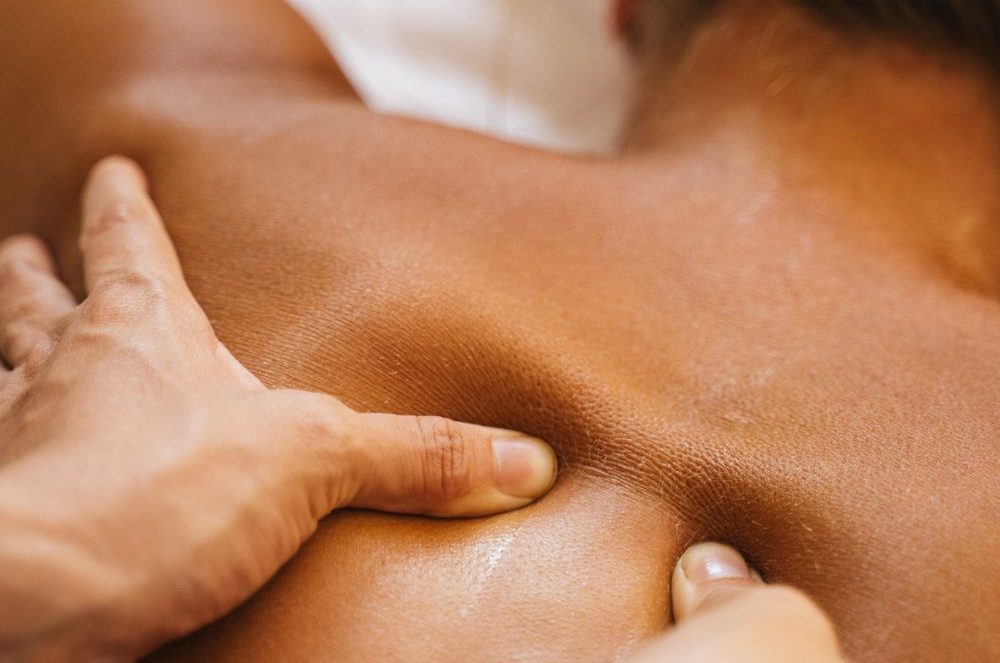
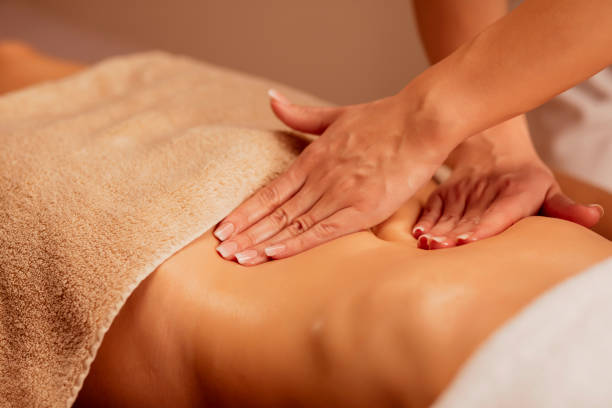
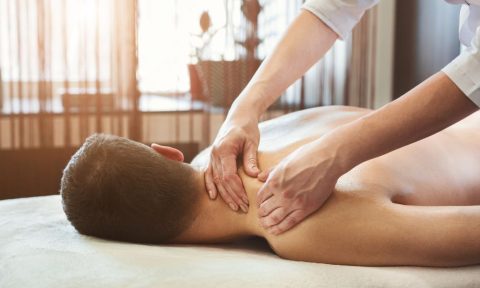
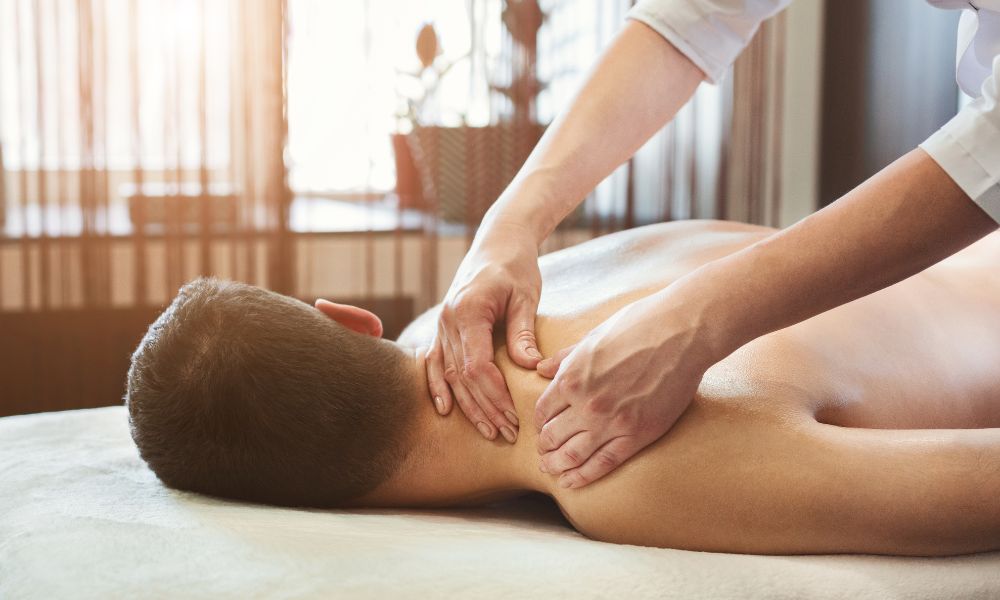
If you’re new to Traditional Chinese Medicine (TCM), you may wonder what to expect during a Tuina session. Tuina (pronounced twee-nah) is a therapeutic Chinese medical massage that combines acupressure, soft tissue manipulation, and meridian stimulation to balance Qi, relieve pain, and enhance internal wellness. Unlike spa massages focused on relaxation, Tuina therapy is a medical treatment designed to address root causes of discomfort, muscle tension, and energy imbalance. This guide explains step-by-step what happens before, during, and after Tuina therapy, so you feel fully prepared and confident before your session.

What to Expect During a Tuina Session: Before Treatment

Initial TCM Consultation

Your practitioner begins by understanding your:

  • Pain location & severity
  • Lifestyle, diet & sleeping habits
  • Emotional stress level
  • Medical history
  • Movement or injury background

This ensures a fully personalized treatment plan instead of a one-size-fits-all massage.

Traditional Diagnosis

TCM assessment tools may include:

  • Tongue diagnosis (checking color, coating, moisture)
  • Pulse reading (strength, rhythm, depth)
  • Posture & mobility check

These diagnostics help identify internal imbalances and energy blockages.

What to Expect During a Tuina Session: Treatment Process

Positioning

Depending on your condition, your session may be done:

  • Lying face-down (back & shoulders)
  • Lying face-up (leg, abdomen, head)
  • Seated (neck, upper back, arms)

Techniques Used

Tuina uses multiple TCM therapeutic methods:

Expect a firm, rhythmic style — therapeutic, not superficial.

Normal Sensations

During treatment, it is common to feel:

  • Deep pressure
  • Tingling warmth
  • Stretching
  • Tension relief
  • Temporary sensitivity in tight areas

Tuina should not feel overwhelmingly painful. If curious, read, is tuina painful.

What to Expect During a Tuina Session: Aftercare

Immediate Effects

You may feel:

  • Relaxed and lighter
  • Increased mobility
  • Deep calmness
  • Warmth and improved blood flow

Some mild soreness (like after stretching) can occur, this usually fades within 24–48 hours.

After-Session Advice

Your practitioner may recommend:

  • Drinking warm water
  • Avoiding cold drinks or wind exposure
  • Gentle stretching
  • Adequate rest

These habits help maintain the session’s benefits.

How Tuina Helps According to Research

Modern studies increasingly support the benefits of Tuina and related TCM manual therapies. Scientific research suggests that Tuina stimulates acupoints and meridians to regulate Qi (vital energy), improve blood circulation, and enhance neuromuscular coordination. These effects contribute to pain relief, stress reduction, and overall well-being.

Recent studies have demonstrated Tuina’s physiological impact, such as promoting endorphin release, reducing inflammation markers, and improving circulation through mechanical and neurological pathways. A 2021 study published in the Journal of Integrative Medicine found that Tuina therapy significantly reduced chronic neck and shoulder pain compared to standard physiotherapy. Similarly, research in the Complementary Therapies in Medicine journal highlighted Tuina’s effectiveness in lowering anxiety and improving sleep quality.

Techniques similar to Tuina, such as acupressure and therapeutic massage, have been shown to:

  • Reduce muscle and joint pain – Studies show Tuina effectively alleviates pain and stiffness by relaxing muscles, improving tissue elasticity, and modulating pain-related neurotransmitters (Li et al., Frontiers in Neurology, 2020).
  • Improve circulation and mobility – Tuina’s rhythmic pressure enhances microcirculation, supporting oxygen exchange and nutrient delivery to muscles and joints (Journal of Traditional Chinese Medical Sciences, 2022).
  • Decrease stress and anxiety – Regular sessions can reduce cortisol levels and activate the parasympathetic nervous system, promoting calmness and emotional balance (Wang et al., Complementary Therapies in Medicine, 2019).
  • Support overall relaxation and healing – Tuina restores homeostasis by integrating body-mind relaxation and physiological recovery, helping maintain long-term wellness.
what to expect during a tuina session

Conclusion: Why Try Tuina Therapy

Knowing what to expect during a Tuina session helps you step confidently into this powerful healing experience. From expert diagnosis to targeted manual therapy, Tuina helps restore natural energy flow, reduce pain, improve circulation, support stress relief, and rebalance overall wellness. Experience professional Tuina treatment in Singapore and feel the difference with TCM-centered healing. Explore more here, is tuina painful.

Ready to experience the benefits firsthand? Discover our professional Tuina therapy services designed to support pain relief, restore balance, and enhance your overall well-being. From personalized consultation to skilled TCM techniques, our practitioners are here to guide your healing journey. Explore our Tuina treatment services and book your session today to begin your path toward natural recovery and revitalized energy.

FAQs Section

How long is a Tuina session?

What should I wear?

How many sessions do I need?

Can I work out after Tuina?

Yes, but avoid heavy exercise immediately after treatment.

What should I wear for Tuina therapy?

Energy Flow Therapy: The Key to Restoring Balance and Natural Healing

What Is Energy Flow Therapy?

Energy Flow Therapy is a holistic healing system based on the principles of Traditional Chinese Medicine (TCM). It focuses on balancing the body’s vital energy, known as Qi (Chi), the invisible life force that flows through twelve major energy channels or meridians.

When Qi flows freely, the body functions harmoniously, maintaining good health, emotional stability, and mental clarity. However, if Qi becomes stagnant or blocked, it can lead to pain, stress, fatigue, and chronic illness.

Energy Flow Therapy aims to remove these blockages, stimulate energy circulation, and restore harmony between the body, mind, and spirit. The result is a more resilient, energized, and balanced state of well-being.

How Energy Flow Therapy Works

This therapy integrates ancient TCM knowledge with modern clinical methods to help the body heal itself.

Step-by-Step Process

  • Diagnosis of Energy Imbalance
    TCM physicians assess your pulse, tongue, posture, and symptoms to identify where Qi is blocked.
  • Energy Channel Activation
    Gentle acupuncture or Tuina massage stimulates the meridians, improving blood circulation and energy flow.
  • Qi Harmonization
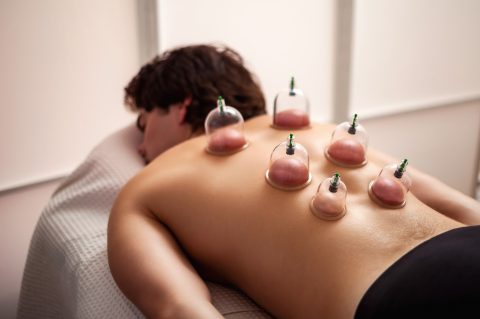
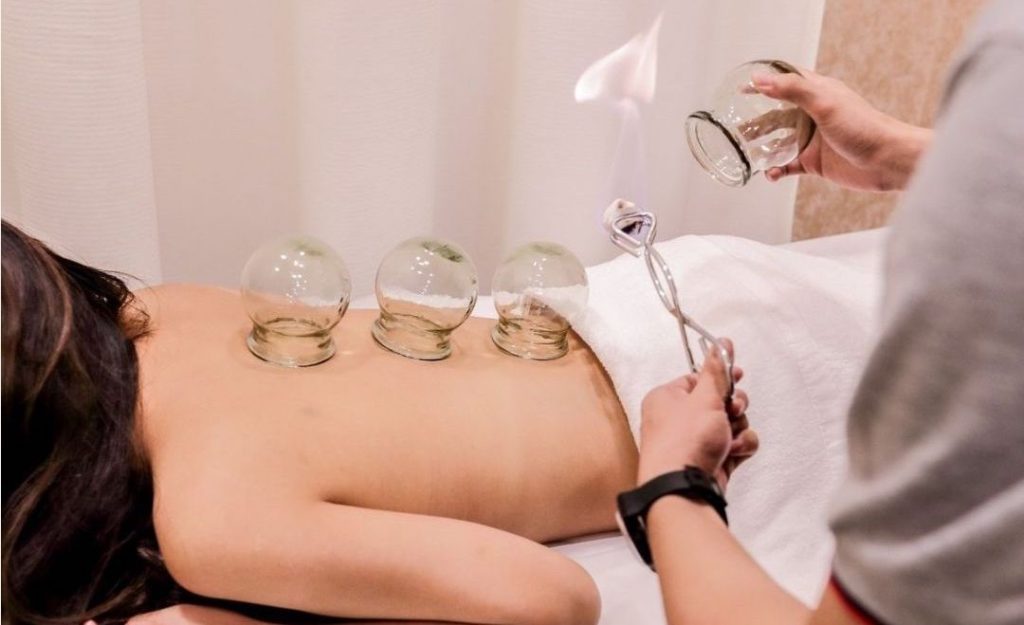
    Cupping, heat therapy, and herbal remedies are used to eliminate toxins and promote energy balance.
  • Rejuvenation Phase
    Once balance is restored, patients often experience better sleep, clearer thinking, and reduced tension.
  • Maintenance and Lifestyle Guidance
    Ongoing lifestyle adjustments, such as stress management, diet, and exercise, help preserve the results.

According to the World Health Organization (WHO), acupuncture and related energy therapies can effectively treat over 100 health conditions, including chronic pain, anxiety, and fatigue.
Source: WHO Traditional Medicine Strategy 2014–2023

Benefits of Energy Flow Therapy

Energy Flow Therapy is recognized for its comprehensive benefits that go beyond physical relief.

💡 A 2022 study in PubMed found that patients who received acupuncture and energy-based therapy reported a 58% reduction in chronic pain within six sessions.

Techniques Used in Energy Flow Therapy

Energy Flow Therapy combines several TCM techniques, each targeting different aspects of health restoration.

1. Acupuncture

Thin, sterile needles are inserted at key energy points to release blockages and restore flow.

2. Tuina Massage

A form of medical massage that uses rhythmic pressure and kneading to stimulate Qi and improve circulation.

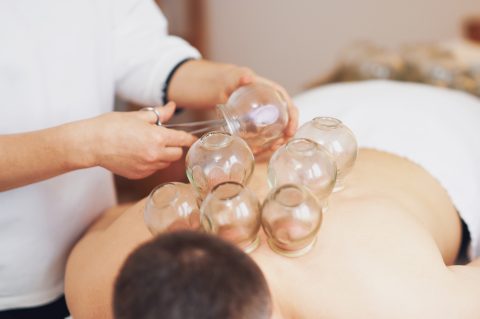
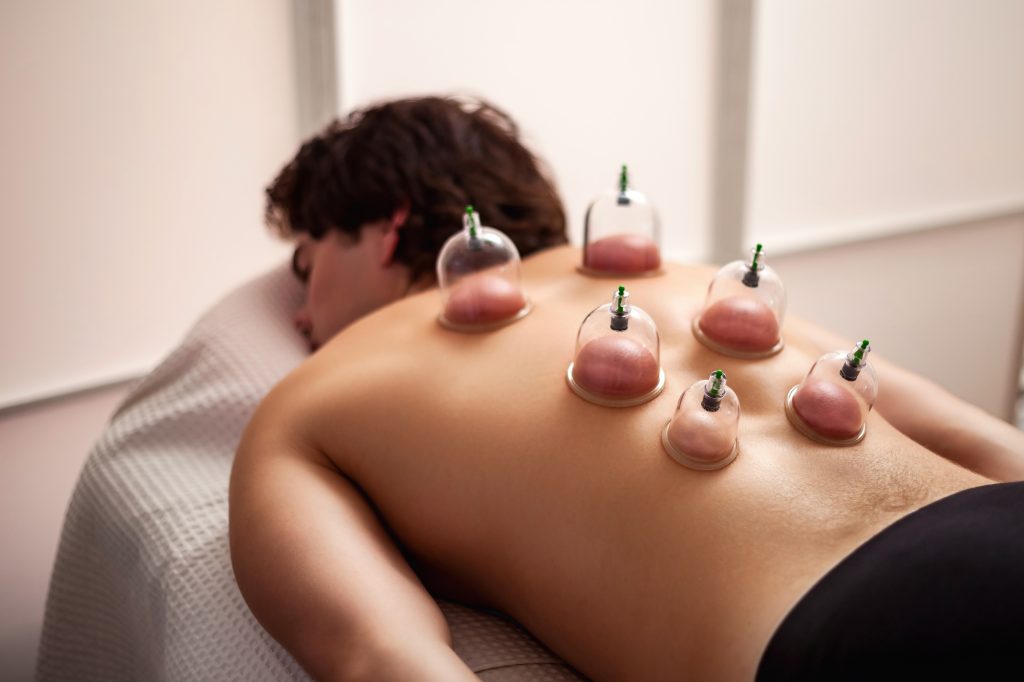
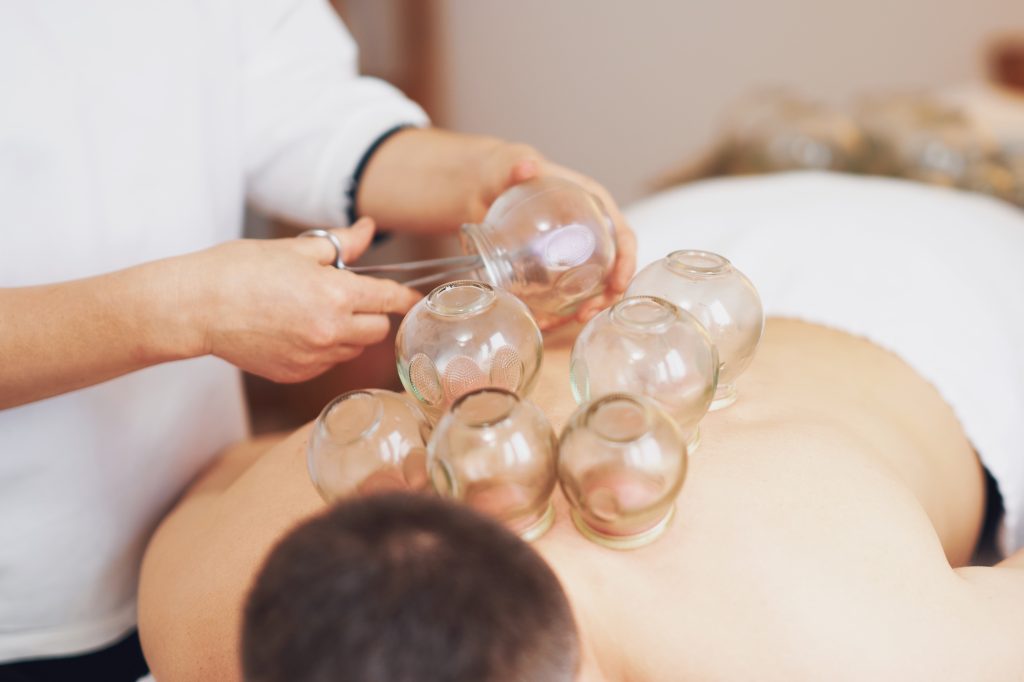
3. Cupping Therapy

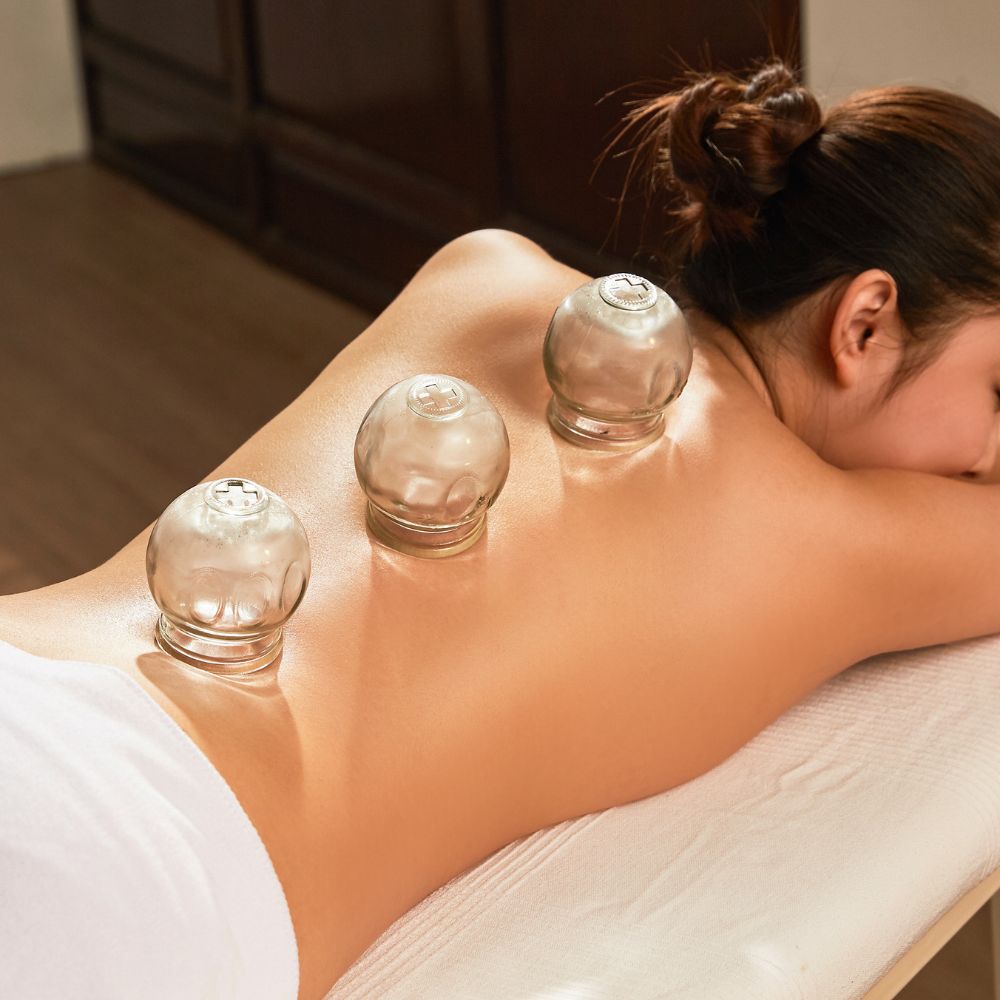
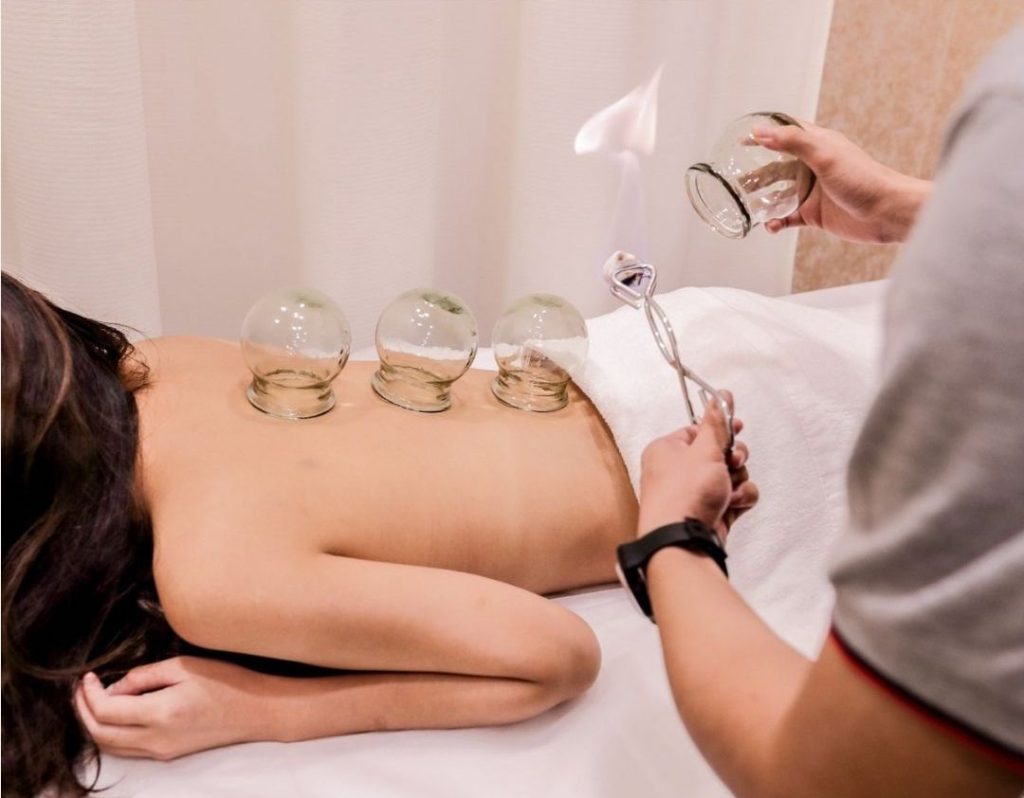
Glass or silicone cups create gentle suction on the skin to draw out toxins and ease muscle tension.

4. Moxibustion

Warming therapy using the herb Artemisia to invigorate Qi and relieve cold or damp conditions in the body.

5. Herbal Medicine

Customized TCM herbal prescriptions enhance energy flow, nourish organs, and prevent relapse.

If you’re suffering from joint or back pain, you can explore TCM treatment for chronic pain, a comprehensive solution that combines acupuncture, herbs, and energy balancing therapy for long-term relief.

Energy Flow and Emotional Health

Blocked energy doesn’t only affect the body, it influences mood and mental clarity too. In TCM, the liver governs the smooth flow of Qi. When liver Qi stagnates, symptoms like frustration, anxiety, or depression may appear.

Energy Flow Therapy helps:

  • Release emotional blockages stored in the body
  • Reduce stress-related tension in the chest or abdomen
  • Enhance emotional resilience and mental clarity

Patients often describe feeling lighter, calmer, and more grounded after treatment.

Lifestyle Tips to Support Energy Flow

To complement therapy and maintain energy balance, TCM experts recommend adopting the following habits:

Diet and Nutrition

  • Eat warm, nourishing foods such as soups and steamed vegetables.
  • Avoid excessive cold or raw food which can weaken digestion.
  • Drink herbal teas like chrysanthemum, ginseng, or goji berry infusions.

Movement and Mindfulness

  • Practice Tai Chi or Qigong to enhance Qi movement.
  • Incorporate deep breathing and meditation into daily routines.
  • Spend at least 10 minutes outdoors in sunlight each morning.

Rest and Recovery

  • Maintain regular sleep hours (preferably 10 p.m.–6 a.m.).
  • Reduce screen time before bed to protect your Qi rhythm.
  • Use gentle stretching before sleep to prevent energy stagnation.

Why Choose G&G TCM Medical Singapore?

At G&G TCM Medical, our specialists combine ancient healing wisdom with modern evidence-based care. Each treatment plan is customized based on your body constitution and health goals.

Our expertise includes:

  • Energy Flow Therapy & Acupuncture
  • Herbal Formulation & Detox Programs
  • Women’s Health & Fertility Support
  • Stress, Sleep & Pain Management
  • Postpartum Recovery & Wellness

Every session is conducted in a calm, private setting that promotes relaxation and holistic restoration.

energy flow therapy

Conclusion: Restore Your Energy, Reclaim Your Life

Energy Flow Therapy is more than a treatment, it’s a journey back to balance. By unblocking stagnant Qi, your body regains its natural rhythm of vitality, emotional harmony, and inner peace. Don’t let stress, fatigue, or chronic pain limit your life. Start your transformation today with G&G TCM Medical Singapore, your trusted destination for holistic wellness and energy flow restoration.

FAQs Section

How many sessions do I need?

Is Energy Flow Therapy painful?

Can it be combined with Western medicine?

Who should try Energy Flow Therapy?

Anyone experiencing fatigue, anxiety, muscle tension, sleep disorders, or chronic pain can benefit.

Is it scientifically supported?

Acupuncture for Insomnia Treatment: Restoring Deep Sleep Naturally

Acupuncture for insomnia treatment is one of the most effective natural methods to improve sleep quality, reduce stress, and restore balance to your body. Unlike sleeping pills, which only mask symptoms, acupuncture treats the root causes of insomnia through Traditional Chinese Medicine (TCM) principles.

What Is Acupuncture for Insomnia Treatment?

Acupuncture for insomnia treatment involves inserting very fine needles at specific acupoints to regulate energy flow, known as Qi. In TCM, insomnia happens when the balance between the heart, liver, and kidney systems is disrupted. Restoring this balance promotes relaxation, calms the mind, and supports deeper, more consistent sleep.

According to the World Health Organization, over 30% of adults globally experience insomnia. In Singapore, nearly 1 in 3 adults suffer from poor sleep quality. With rising work stress and digital exposure, many people now turn to natural, drug-free therapies like acupuncture for insomnia treatment.

How Acupuncture for Insomnia Treatment Works

Step 1: Consultation and Diagnosis

Your TCM physician identifies your sleep imbalance pattern through tongue, pulse, and lifestyle analysis.

Step 2: Selecting Acupoints

Common points used in acupuncture for insomnia treatment include:

  • HT7 (Shenmen): Calms the spirit
  • SP6 (Sanyinjiao): Nourishes Yin and blood
  • GV20 (Baihui): Clears the mind and reduces anxiety
  • Anmian: Promotes peaceful sleep

Step 3: Treatment Process

Needles remain for 20–30 minutes while the body’s parasympathetic system activates. Patients often describe the feeling as “deep calm” or “light floating.”

Step 4: Complementary Therapies

For maximum results, your physician may combine acupuncture with:

  • Cupping therapy to release muscle tension
  • Moxibustion to warm the body and enhance Qi
  • Herbal prescriptions for nourishing internal organs

Why Choose Acupuncture for Insomnia Treatment

Clinical studies published in Sleep Medicine Reviews (2020) show acupuncture improved sleep efficiency by up to 85% compared to no treatment. For a holistic approach, G&G TCM Medical Singapore integrates acupuncture, herbal therapy, and Tuina massage to enhance results.

Common TCM Patterns Causing Insomnia

Lifestyle Tips to Enhance Acupuncture Results

To maximize your acupuncture for insomnia treatment, try these healthy habits:

  • Maintain consistent bedtime routines.
  • Avoid caffeine after 3 p.m.
  • Reduce screen exposure before sleep.
  • Practice meditation or slow breathing exercises.
  • Enjoy TCM herbal teas such as chrysanthemum or longan for relaxation.

For natural sleep-supporting herbs, explore G&G TCM’s product range.

acupuncture for insomnia treatment
Patient receiving acupuncture

Expert Insight: G&G TCM Medical Singapore

Located in Chinatown, Singapore, G&G TCM Medical is a trusted clinic specializing in acupuncture for insomnia treatment, pain management, and holistic wellness. With over 10 years of experience, their certified physicians offer bilingual care (English & Chinese) tailored to each patient’s needs. Visit G&G TCM Medical Singapore or book your consultation here to start your path toward restorative, natural sleep.

FAQs Section

Is acupuncture for insomnia treatment safe?

How many sessions are needed?

Does it hurt?

Can I combine acupuncture with Western medicine?

Yes, but inform your doctor to ensure compatibility.

How long do results last?

TCM Herbs for Liver Health: Ancient Wisdom for Modern Wellness

In Traditional Chinese Medicine (TCM), the liver is one of the most vital organs, responsible not only for detoxifying the body but also for ensuring the smooth flow of Qi (energy) and blood throughout the system. When the liver becomes imbalanced, often due to stress, poor diet, or emotional tension, it can lead to symptoms like fatigue, irritability, headaches, poor digestion, and even anxiety. To restore harmony and vitality, practitioners often recommend TCM herbs for liver health, which help regulate Qi flow, nourish blood, and support natural detoxification processes.

Unlike Western medicine, which focuses primarily on biochemical liver functions, TCM approaches liver health holistically, addressing both physical and emotional imbalances to achieve overall well-being through the use of TCM herbs for liver health and lifestyle adjustments.

The Role of the Liver in TCM Theory

According to TCM, the liver governs:

  • Smooth flow of Qi and emotions
  • Storage of blood and regulation of menstruation
  • Detoxification and energy distribution
  • Connection to the eyes and tendons

A liver Qi stagnation or liver heat imbalance can manifest as:

  • Mood swings or irritability
  • Distended abdomen or chest
  • Headaches or dizziness
  • Red eyes or poor vision
  • Irregular menstruation

Balancing the liver with herbal remedies and lifestyle practices is key to achieving optimal vitality and emotional stability.

Common TCM Herbs for Liver Health

Below is a table summarizing some of the most recognized herbs used in TCM for liver support:

These herbs are often combined into customized formulas by certified TCM practitioners to match the individual’s constitution and health condition.

How TCM Herbal Therapy Supports Liver Health

  • Detoxification – Herbs like Dandelion Root and Schisandra help remove toxins from the liver and improve overall liver function.
  • Qi Regulation – Bupleurum helps regulate Qi flow, reducing emotional stagnation and stress.
  • Blood Nourishment – Peony root and Goji berries nourish blood and support menstrual health.
  • Anti-inflammatory Effects – Many herbs have cooling properties that reduce liver “heat” associated with acne, irritability, and headaches.
  • Emotional Balance – A healthy liver promotes stable emotions and improved mental clarity.

Additional Practices for Liver Support in TCM

To enhance herbal therapy, TCM recommends integrating lifestyle and diet changes:

  • Eat green foods (spinach, kale, celery) to support the liver element (Wood).
  • Reduce alcohol and greasy foods to minimize liver heat.
  • Regular exercise and stretching to improve Qi flow.
  • Get sufficient rest, especially between 11 PM and 3 AM, liver’s peak regeneration time.

Scientific Research Supporting TCM Liver Herbs

Modern studies validate the traditional use of these herbs:

  • Schisandra has been shown to protect liver cells from toxins and improve enzyme levels (Journal of Ethnopharmacology, 2018).
  • Bupleurum demonstrated anti-inflammatory and liver-protective effects in clinical trials.
  • Goji berries contain antioxidants that promote liver regeneration and reduce oxidative stress.

These findings highlight the synergy between ancient wisdom and modern science, confirming the efficacy of TCM herbal therapy for liver wellness.

Actionable Steps: How to Start a TCM Liver Health Program

  • Schedule a professional consultation with a licensed TCM physician.
  • Get a personalized diagnosis to identify liver Qi stagnation, heat, or deficiency.
  • Follow a tailored herbal formula using combinations like Chai Hu, Bai Shao, and Wu Wei Zi.
  • Adopt supportive habits, balanced diet, exercise, and emotional regulation.
  • Monitor progress regularly with your TCM provider for optimal results.

You can also combine herbal therapy with acupuncture, tuina massage, or cupping therapy to improve circulation and enhance detoxification.

TCM herbs for liver health

Conclusion: Restore Balance with TCM Herbs for Liver Wellness

Your liver plays a central role in maintaining physical vitality and emotional harmony. TCM herbs for liver health, such as Bupleurum, Peony Root, and Schisandra, offer a natural, time-tested approach to cleansing, nourishing, and balancing your body. These traditional remedies help regulate Qi flow, support detoxification, and strengthen overall liver function for long-term wellness.

At G&G TCM Medical, our experienced physicians provide customized herbal prescriptions and holistic treatment plans designed to restore liver function and overall well-being. Whether you’re seeking detoxification, stress relief, or improved vitality, our team can guide you toward a balanced lifestyle. Ready to support your liver naturally? Visit our clinic to explore personalized TCM solutions and comprehensive wellness services. Learn more about how we integrate herbal medicine, acupuncture, and mind-body therapies to help you achieve lasting health.

FAQs Section

How long does it take for TCM herbs to improve liver health?

Can I combine TCM herbs with Western medications?

Are TCM herbs safe for long-term use?

When prescribed by a certified physician, TCM herbs are safe for long-term balance and maintenance.

What symptoms indicate liver imbalance in TCM?

Can TCM help with liver detox and emotional stress?

TCM Treatment for Chronic Pain: A Holistic Guide to Long-Term Relief

What is TCM Treatment for Chronic Pain?

Traditional Chinese Medicine (TCM) has been practiced for thousands of years and remains one of the most trusted holistic approaches for managing chronic pain. Instead of only suppressing symptoms, TCM focuses on restoring the balance of Qi (vital energy) and harmonizing the body’s internal systems. Chronic pain, such as back pain, arthritis, migraines, or nerve disorders, is often seen as a sign of energy blockages, poor circulation, or organ imbalance.

At G&G TCM Medical in Singapore, experienced physicians combine classical diagnostic methods with modern medical understanding to provide effective, personalized treatment plans.

How TCM Approaches Chronic Pain

1. Root Cause Diagnosis

Unlike conventional medicine that often treats pain at the surface level, TCM looks at the body holistically. Practitioners analyze:

  • Tongue and pulse condition
  • Lifestyle factors (diet, sleep, stress)

2. Core TCM Therapies for Chronic Pain

3. Complementary Therapies

  • Scraping (Gua Sha): Stimulates microcirculation and breaks down scar tissue.
  • Pelvic and Bone Alignment: Corrects posture-related pain.
  • Detox therapy in Singapore: Supports natural toxin removal, reducing inflammation and improving pain resilience.

Step-by-Step: What to Expect in a TCM Pain Relief Session

1. Initial Consultation & Diagnosis

The first step in your TCM pain relief journey is a comprehensive consultation and diagnosis at our TCM clinic in Singapore. The physician conducts a tongue inspection to assess internal organ health, a pulse reading to evaluate energy flow (Qi) and body balance, and a lifestyle assessment covering diet, sleep, and stress levels. This holistic evaluation allows the practitioner to identify the root cause of chronic pain, ensuring a truly Traditional Chinese Medicine for chronic pain approach that treats both the symptoms and underlying imbalance.

2. Customized Treatment Plan

Based on the diagnosis, the TCM physician will design a personalized treatment plan tailored to your unique needs. This plan may include a combination of acupuncture, tuina massage, herbal medicine, cupping therapy, or moxibustion. Both short-term goals (such as immediate pain relief) and long-term goals (such as restoring body balance and preventing recurrence) are established to ensure sustainable results.

3. Therapy Sessions

Each therapy session typically lasts between 30 and 60 minutes, depending on the type of treatment. Some sessions may involve multiple therapies in one visit, such as acupuncture followed by tuina massage or cupping therapy. Combining these methods enhances overall effectiveness and speeds up recovery.

4. Progress Monitoring

After several sessions, usually around three to five treatments, progress is carefully reviewed. The physician will assess your response to the therapies and make any necessary adjustments to the treatment plan, ensuring it remains effective and aligned with your evolving condition.

5. Lifestyle Guidance

In addition to in-clinic treatments, patients receive personalized lifestyle guidance to support healing and maintain balance. This includes dietary recommendations, gentle exercise routines, and stress management techniques such as meditation or breathing practices. These lifestyle adjustments help reinforce treatment outcomes and promote long-term wellness.

Real-World Evidence: How Effective is TCM for Chronic Pain?

  • A 2019 meta-analysis published in The Journal of Pain found acupuncture significantly reduced chronic musculoskeletal pain with lasting results.
  • In Singapore, 70% of patients seeking TCM report pain relief as their primary goal (Singapore TCM Practitioners Board data).
  • Case studies at G&G TCM Medical have shown improved mobility and reduced medication dependence in patients with chronic back pain after a 6-week acupuncture and tuina program.

Actionable Lifestyle Tips for Pain Management

  • Maintain Regular Movement: Gentle stretching or tai chi helps keep energy flowing.
  • Anti-Inflammatory Diet: Incorporate ginger, turmeric, and green tea.
  • Adequate Rest: Sleep is crucial for tissue repair.
  • Detox Practices: Consider periodic detox therapy in Singapore to support natural healing.
  • Stress Reduction: Mind-body practices like meditation enhance therapy results.
TCM treatment for chronic pain

Conclusion: Finding Relief with TCM in Singapore

Chronic pain can significantly impact daily life, but you don’t have to rely solely on medication. TCM treatments such as acupuncture, tuina, cupping, and herbal medicine offer safe, holistic, and effective solutions. At G&G TCM Medical, our team of experienced physicians combines ancient wisdom with modern healthcare practices to help patients achieve lasting relief. Whether you are struggling with arthritis, back pain, migraines, or post-injury recovery, we provide personalized care to restore your balance and vitality.

Ready to take the first step toward natural pain relief? Visit us at G&G TCM Medical in Singapore and explore our wide range of TCM services, including acupuncture, tuina, and specialized detox therapy in Singapore..

FAQs Section

How long does it take for TCM to relieve chronic pain?

Is acupuncture painful?

Can TCM help with arthritis and joint pain?

Yes. Acupuncture and herbal remedies are particularly effective in reducing inflammation and stiffness in arthritis patients.

Is TCM safe alongside Western medicine?

Can I use TCM if I have a history of surgery or injuries?

Cosmetic Acupuncture Singapore: Natural Facial Rejuvenation Through TCM

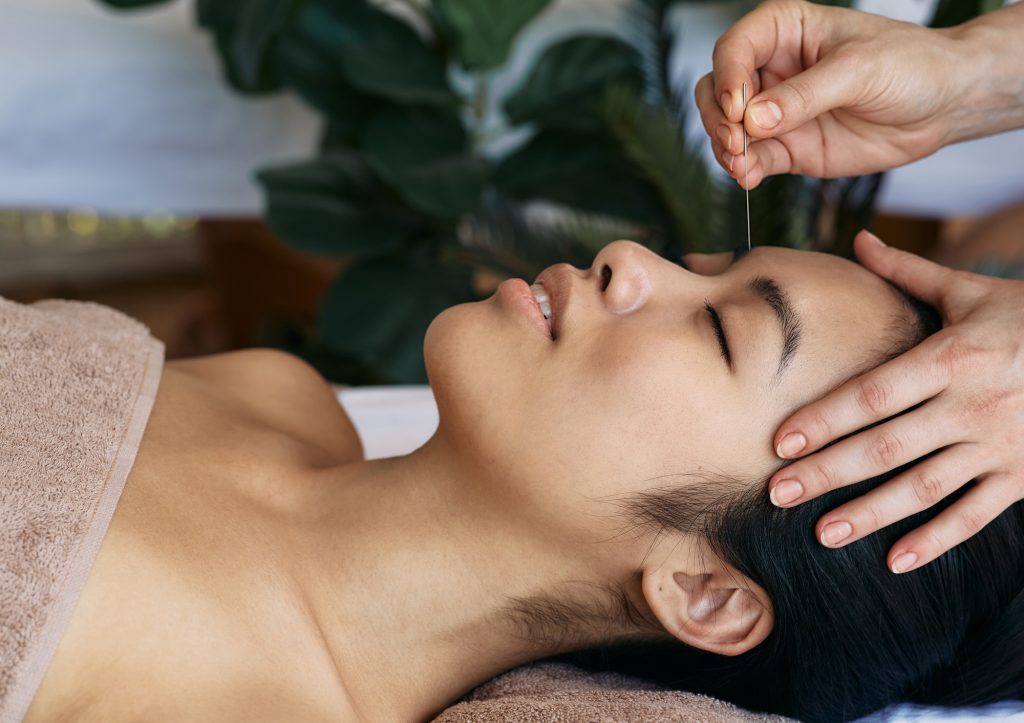
Cosmetic acupuncture Singapore is a natural, non-surgical facial rejuvenation therapy based on Traditional Chinese Medicine (TCM). It uses ultra-fine needles to stimulate collagen, improve circulation, and restore balance, helping you achieve firmer, brighter, and more youthful skin without chemicals or invasive procedures.

At G&G TCM Singapore, licensed physicians combine ancient TCM wisdom with modern techniques to not only enhance appearance but also promote inner harmony for lasting skin health.

What Is Cosmetic Acupuncture?

Cosmetic acupuncture is a natural therapy that uses ultra-fine needles on the face and body to rejuvenate the skin from within. It works by stimulating collagen and elastin production, improving blood circulation, and enhancing the skin’s natural glow to reduce fine lines and wrinkles. At the same time, it balances internal organs like the Liver, Spleen, and Kidney to improve digestion, circulation, and hormonal harmony, addressing the root causes of dull or aging skin. Unlike Botox or fillers, this treatment rejuvenates naturally, promoting both radiant skin and overall vitality.

How Cosmetic Acupuncture Works

The therapy is rooted in the TCM principle that the face reflects internal health. When Qi (energy) and blood flow smoothly, the skin appears bright, firm, and youthful. Blockages or deficiencies, however, may manifest as wrinkles, puffiness, or dullness.

During treatment, very fine, sterile needles are inserted into:

  • Facial points to lift and tone
  • Body points to support internal balance
  • Meridian pathways to improve Qi circulation

This stimulates the body’s natural healing mechanisms, increasing oxygen and nutrient supply to facial tissues. Over time, patients notice improved texture, tone, and elasticity.

Key Benefits of Cosmetic Acupunctur

Cosmetic acupuncture provides a holistic alternative to conventional beauty treatments.

Main benefits include:

  • Reduction of fine lines and wrinkles
  • Firmer, more lifted facial contours
  • Brighter complexion and even skin tone
  • Improved blood and lymph circulation
  • Reduced puffiness and under-eye bags
  • Relief from tension, stress, and jaw tightness
  • Long-term improvement in skin health

Because it treats both internal balance and external beauty, results are natural, sustainable, and safe for all skin types.

Cosmetic Acupuncture vs. Conventional Treatments

What to Expect During a Session

  • Initial Consultation: TCM diagnosis through pulse and tongue reading
  • Preparation: Gentle facial cleansing
  • Treatment: Insertion of facial and body needles (30–40 minutes)
  • Relaxation: Rest period with calming music
  • Aftercare: Personalized herbal or skincare recommendations

Most patients notice subtle improvement after the first session, with visible lifting and glow after 5–8 sessions.

Ideal Candidates

Cosmetic acupuncture is suitable for:

  • Adults seeking natural anti-aging solutions
  • Individuals with fine lines, dullness, or puffiness
  • People with sensitive skin or allergies to chemical treatments
  • Those wanting a holistic approach that supports internal wellness

It’s also beneficial for individuals managing conditions like acne, rosacea, or dry skin when combined with therapies such as TCM for acne and skin health.

How Many Sessions Are Needed?

A standard treatment plan includes:

  • 6–10 sessions (1–2 times weekly) for best results
  • Maintenance sessions every 4–6 weeks
  • Customized adjustments based on age, skin type, and health goals

Results are cumulative, and improvements continue even after the treatment period ends.

Additional Supportive Therapies

At G&G TCM Singapore, cosmetic acupuncture is often paired with:

  • Herbal medicine to nourish blood and Qi
  • Gua Sha and facial cupping for lymphatic drainage
  • Dietary guidance to promote radiant skin
  • Stress management through acupuncture and lifestyle balance

This integrated approach ensures both beauty and wellness.

Case Study: Natural Glow in 8 Weeks

A 35-year-old female with dull skin and early fine lines completed 8 sessions at G&G TCM Singapore. Results included:

  • Brighter complexion
  • Reduced crow’s feet
  • Improved sleep and digestion
  • Enhanced energy levels

This demonstrates how cosmetic acupuncture supports not just appearance but whole-body health.

cosmetic acupuncture Singapore

Conclusion: Your Path to Radiant, Ageless Skin

Cosmetic acupuncture in Singapore offers a safe, natural, and holistic way to rejuvenate your face and revitalize your energy. Unlike temporary cosmetic fixes, this TCM-based therapy enhances your body’s healing power, revealing true radiance from within.

If you’re ready to experience a non-invasive, time-tested beauty solution, book your consultation at G&G TCM Singapore and start your journey to glowing, youthful skin today.

FAQs Section

Is cosmetic acupuncture painful?

How long do results last?

Can it replace Botox?

Yes, for those seeking natural rejuvenation without chemicals. Cosmetic acupuncture lifts and tones gradually but safely.

Are there any side effects?

Does it also improve skin conditions like acne?

TCM for Acne and Skin Health: A Holistic Guide to Clearer, Radiant Skin

Traditional Chinese Medicine (TCM) for acne and skin health views skin issues as signs of internal imbalance, not just surface problems. Instead of focusing only on topical treatments, TCM uses a holistic approach with herbal medicine, acupuncture, and lifestyle adjustments to heal the root causes of acne and promote naturally glowing skin.

At G&G TCM Singapore, experienced practitioners create personalized plans to clear breakouts, balance internal systems, and support long-term skin wellness.ps while improving overall wellness.

How TCM Understands Acne and Skin Problems

According to TCM theory, the skin is a reflection of internal health. Acne and other skin conditions often occur when the body’s internal systems, especially the Lungs, Stomach, Liver, and Kidneys, are not functioning in balance.

For example, heat in the Lung and Stomach can rise to the face and cause red, inflamed pimples. Damp-heat accumulation from consuming oily or spicy food can lead to pustules and cystic acne. Qi and blood stagnation caused by stress or poor circulation may create painful acne and dark marks, while Kidney deficiency can result in hormonal acne, especially around the chin and jawline.

In TCM, restoring balance to these systems helps the body detoxify naturally and maintain clear, healthy skin. This internal harmony supports better digestion, stable hormones, and stronger emotional well-being, all of which contribute to clearer skin.

Core TCM Treatments for Acne and Skin Health

1. Herbal Medicine

Herbal prescriptions are the foundation of acne treatment in TCM. Each formula is carefully tailored to the individual’s body type and the underlying imbalance. Herbs are selected to perform specific functions such as:

  • Clearing internal heat and inflammation
  • Detoxifying the blood and skin
  • Regulating hormones and menstrual cycles
  • Improving circulation and supporting digestion

For example, herbs like Huang Qin help clear heat, Zi Cao aids detoxification, and Dang Gui promotes healthy blood flow. Over time, herbal therapy not only reduces breakouts but also improves skin texture and resilience.

2. Acupuncture

Acupuncture complements herbal treatment by regulating energy flow (Qi) and restoring balance across organ systems. Very fine needles are inserted into specific points to:

  • Reduce excess heat and inflammation
  • Stimulate blood circulation to nourish the skin
  • Calm the mind and lower stress, which is a common acne trigger
  • Improve digestion and detoxification

Many patients describe acupuncture as relaxing, and studies have shown it can significantly reduce acne severity within several weeks of consistent sessions. At G&G TCM, facial acupuncture may also be included to support collagen production, smooth scarring, and enhance skin glow.

3. Detoxifying Therapies

Supporting the body’s natural cleansing process is key in TCM. Therapies such as cupping and gua sha are often used to remove toxins, relieve stagnation, and improve lymphatic drainage. By improving circulation, these treatments help the skin recover faster and become less prone to inflammation.

4. Diet and Lifestyle Guidance

Because diet and lifestyle strongly influence internal balance, G&G TCM practitioners guide patients on daily habits that promote clear skin. Some common recommendations include:

  • Avoiding spicy, greasy, and sugary foods that generate heat and dampness
  • Eating cooling and cleansing foods like cucumber, bitter melon, and green tea
  • Getting enough rest and maintaining a calm emotional state
  • Practicing moderate exercise and mindfulness to support Qi flow

These lifestyle changes strengthen the results of TCM therapy and support long-term skin health.

5. Facial Rejuvenation with TCM

Modern TCM integrates natural beauty care with healing principles. Facial acupuncture, herbal masks, and gentle facial massage are often added to acne treatments to help:

  • Reduce redness and swelling
  • Improve skin elasticity and brightness
  • Fade acne scars and pigmentation

This holistic facial care aligns with the TCM philosophy of treating both the inner and outer body for complete wellness.

What to Expect at G&G TCM Singapore

When visiting G&G TCM Singapore for acne treatment, patients begin with a detailed consultation. The practitioner will examine the tongue, take the pulse, and review lifestyle factors to identify the exact imbalance.

From there, a personalized plan is created, usually including herbal formulas, acupuncture sessions, and diet advice. Treatments are typically scheduled weekly over a period of four to six weeks. Progress is reviewed regularly, and adjustments are made as the skin and body improve.

Many patients notice:

  • Fewer new breakouts
  • Smoother skin texture
  • Reduced inflammation
  • Improved sleep, digestion, and stress levels

Achieving Radiant Skin with Herbal Support

Beyond treating acne, TCM helps maintain long-term skin health. Herbs that support detoxification, circulation, and hydration are often used to create a glowing complexion. You can explore more about these herbal options in our article Chinese Herbs for Glowing Skin.

TCM for acne and skin health

Conclusion

Acne reflects internal imbalance, and true healing requires restoring harmony within the body. Through a combination of personalized herbal medicine, acupuncture, detoxifying therapies, and lifestyle adjustments, G&G TCM Singapore helps patients achieve clear, balanced, and radiant skin naturally.

If you’re struggling with persistent acne and want a natural, root-cause solution, schedule a consultation at G&G TCM Singapore. Our licensed TCM physicians will guide you with a personalized plan for lasting skin health.

FAQs Section

Can TCM completely cure acne?

How long does it take to see improvement?

Is acupuncture painful?

No. The needles are extremely thin. Most patients experience only mild sensations like warmth or tingling.

Does TCM help with hormonal acne?

Are there side effects?