

Tui na for neck shoulder pain is a therapeutic massage technique rooted in Traditional Chinese Medicine (TCM) that focuses on relieving muscle tension, improving circulation, and restoring the smooth flow of Qi (energy) in the neck and shoulder area. Unlike relaxation massage, tui na is a clinical therapy that targets specific meridians, acupoints, and muscle groups associated with pain and stiffness.
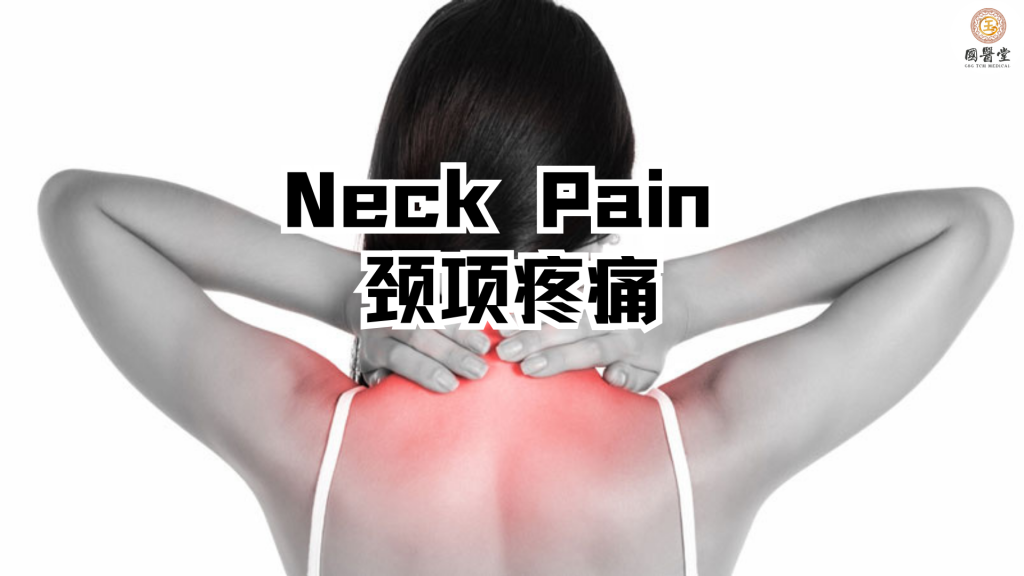
Neck and shoulder discomfort has become increasingly common due to prolonged screen time, poor posture, stress, and sedentary work habits. Tui na for neck shoulder pain addresses these issues not only at the muscular level but also by correcting internal imbalances that contribute to recurring discomfort.
To understand how this therapy fits into a holistic TCM approach, many patients start by learning about the clinical philosophy practiced at G&G TCM Medical, where manual therapy is combined with diagnostic assessment and long-term health planning.
Why Neck and Shoulder Pain Is So Common Today
Modern lifestyles place constant strain on the upper body. The neck and shoulders act as a bridge between the head and torso, making them particularly vulnerable to tension accumulation.
Common Causes of Neck and Shoulder Pain
- Prolonged computer or phone use
- Poor sitting posture
- Emotional stress and mental fatigue
- Lack of movement or stretching
- Inadequate sleep
Without proper intervention, these factors can lead to chronic stiffness, headaches, reduced mobility, and even nerve compression. This is where tui na for neck shoulder pain offers both immediate relief and preventive support.
How Tui Na for Neck Shoulder Pain Works
Tui na uses a combination of rhythmic pressure, kneading, rolling, and joint mobilization techniques. Each movement is designed to stimulate specific acupoints and meridians connected to the neck, shoulders, and upper back.
Core Mechanisms of Action
- Improves blood and Qi circulation
- Relaxes tight muscles and fascia
- Reduces inflammation and stagnation
- Enhances joint mobility
In Traditional Chinese Medicine theory, neck and shoulder pain often results from Qi stagnation or poor circulation. Tui na for neck shoulder pain helps restore balance by encouraging smooth energy flow.
Clinical Techniques Used in Tui Na for Neck Shoulder Pain
Different techniques are applied depending on the patient’s condition and pain pattern.
| Technique | Function | Target Area |
|---|---|---|
| Rolling (Gun Fa) | Relaxes deep muscles | Upper back, shoulders |
| Kneading (Rou Fa) | Improves circulation | Neck muscles |
| Pressing (An Fa) | Stimulates acupoints | Shoulder joints |
| Stretching | Restores mobility | Cervical spine |
For patients seeking structured and professional treatment, these techniques are commonly offered as part of personalized therapy plans available through G&G TCM Medical services, where tui na is integrated with acupuncture and lifestyle guidance.
Scientific and Clinical Evidence Supporting Tui Na Therapy
Modern research increasingly supports the effectiveness of manual therapies. According to information from the National Center for Complementary and Integrative Health (NCCIH), therapeutic massage techniques can help reduce muscle tension, improve circulation, and relieve chronic neck pain when applied correctly.
In clinical TCM practice, patients receiving tui na for neck shoulder pain often report:
- Reduced stiffness after 1–3 sessions
- Improved range of motion
- Less frequent tension headaches
- Better posture awareness
These outcomes highlight why tui na remains a trusted therapy for musculoskeletal discomfort.
When Tui Na for Neck Shoulder Pain Is Most Effective
Tui na therapy is especially effective when applied early, before pain becomes chronic.
Ideal Candidates
- Office workers with desk-related stiffness
- Individuals experiencing stress-related tension
- People recovering from poor posture habits
- Patients seeking non-invasive pain relief
Tui na for neck shoulder pain is also commonly combined with other TCM therapies for broader benefits. For example, during seasonal transitions or festive periods, tui na may complement preventive care approaches such as those discussed in benefits of tuina before chinese new year, where maintaining circulation and balance becomes even more important.
Pro Tip: Early treatment prevents tension from becoming chronic and reduces the need for more intensive interventions later.
A Simple Tui Na Treatment Flow for Neck and Shoulder Pain
Step-by-Step Session Overview:
- TCM consultation and posture assessment
- Identification of tension points and meridians
- Application of tui na techniques
- Gentle stretching and mobilization
- Post-treatment lifestyle advice
Most sessions last between 30–60 minutes, depending on severity.
How to Support Tui Na Results at Home
To extend the benefits of tui na for neck shoulder pain, small daily habits make a big difference.
Simple Home Care Tips
- Take posture breaks every 30–60 minutes
- Stretch neck and shoulders gently
- Avoid prolonged phone bending
- Maintain consistent sleep routines
Pro Tip: Combining tui na therapy with daily posture awareness significantly improves long-term results.
Conclusion: Is Tui Na for Neck Shoulder Pain Worth Trying?
Neck and shoulder pain may feel like a normal part of modern life, but it does not have to be permanent. Tui na for neck shoulder pain offers a natural, non-invasive, and clinically grounded way to relieve tension, restore mobility, and prevent recurring discomfort.
By addressing both muscular tension and internal imbalance, tui na supports long-term relief rather than temporary fixes. When guided by professional assessment and combined with healthy daily habits, it becomes a powerful tool for sustainable pain management.
Pro Tip: Consistency matters more than intensity, regular tui na sessions deliver better results than one-time treatments.
To begin your journey toward lasting relief, explore professional Traditional Chinese Medicine care at G&G TCM Medical, where tui na therapy is tailored to your body’s needs and lifestyle demands
FAQs Section
Is tui na for neck shoulder pain painful?
It may feel firm or intense, but it should not be painful. Pressure is adjusted based on tolerance.
How many sessions are usually needed?
Mild cases may improve in 1–3 sessions, while chronic conditions may require ongoing care.
Is tui na safe for elderly patients?
Yes. Techniques are modified based on age and physical condition.
Can tui na replace medication?
It may reduce reliance on painkillers, but medical advice should always be followed.
Can tui na help posture-related pain?
Yes. Tui na addresses muscle imbalance and supports posture correction.