

Overview of the Therapeutic Effects of TCM Massage
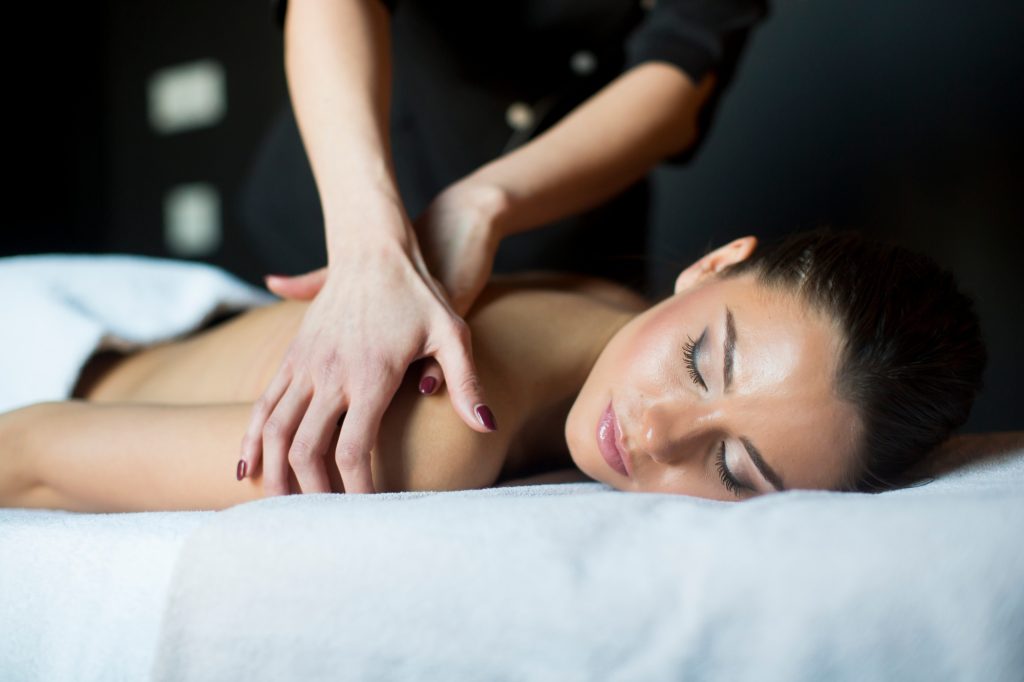
The therapeutic effects of TCM massage, commonly known as Tui Na, refer to the healing outcomes produced by manipulating meridians, acupoints, soft tissues, and joints to restore balance within the body. Unlike conventional massage, TCM massage is rooted in Traditional Chinese Medicine principles, focusing on Qi flow, meridian pathways, organ harmony, and the release of stagnation.
TCM massage is widely used for pain relief, stress reduction, musculoskeletal alignment, digestive health, and overall wellness. It combines techniques such as rolling, pressing, kneading, stretching, and acupoint stimulation. These techniques not only relax the muscles but also influence internal functions, making TCM massage a powerful therapeutic tool. For individuals seeking a deeper understanding of holistic therapy, you may also explore related resources such as our guide on What to Expect in a TCM Consultation.
How TCM Massage Works
TCM massage works by stimulating the body’s natural healing mechanisms through physical manipulation of meridians and acupoints. In TCM theory, pain and illness arise when Qi and blood do not flow smoothly. By restoring movement, the body can rebalance itself.
Key mechanisms include:
1. Improving Qi and Blood Circulation
Techniques such as pressing, rolling, and kneading help promote circulation. Better flow means the tissues receive more oxygen and nutrients, allowing faster healing and reduced inflammation.
2. Releasing Muscle Tension and Stiffness
Manual pressure reduces knots, relaxes soft tissues, and eases muscle spasms. This is especially helpful for neck pain, shoulder tension, and lower back discomfort.
3. Regulating the Nervous System
TCM massage stimulates the parasympathetic nervous system, helping the body shift into a state of rest and recovery. Many patients report better sleep and reduced anxiety after sessions.
4. Enhancing Organ Function
By stimulating meridians connected to internal organs, TCM massage may support digestion, improve respiratory function, and regulate hormonal balance.
5. Reducing Pain Naturally
TCM massage activates endorphin release, the body’s natural painkillers, providing drug-free relief for chronic and acute pain conditions.
Therapeutic Benefits of TCM Massage
TCM massage provides a wide range of clinically supported benefits that go beyond simple relaxation. Rooted in the principles of Traditional Chinese Medicine, it works on meridians, acupoints, muscles, and connective tissues to restore balance throughout the body. Here are the key benefits with deeper explanations:
Pain Relief
TCM massage helps relieve a variety of musculoskeletal issues by improving circulation, reducing inflammation, and releasing muscular tension.
Effective for:
- Lower back pain: Enhances lumbar mobility and reduces deep muscle stiffness.
- Neck and shoulder tension: Targets trapped qi and knots caused by stress, posture, or screen time.
- Joint pain: Improves joint lubrication and reduces stiffness by promoting qi and blood flow.
- Sciatica: Helps reduce radiating pain by relaxing the piriformis, glutes, and lower back muscles.
- Muscle strain: Speeds up recovery by improving oxygen supply to injured tissues.
Stress Reduction
TCM massage helps reduce stress by calming the nervous system through gentle, rhythmic pressure along the meridian pathways. This relaxation response lowers cortisol levels, loosens emotional tension, and promotes mental clarity. Many patients describe feeling lighter, calmer, and more emotionally balanced after a session, making it especially effective for individuals who experience chronic stress, anxiety, or mental fatigue.
Improved Mobility and Flexibility
By incorporating stretching, soft-tissue manipulation, and joint mobilization, TCM massage helps improve overall mobility and flexibility. These techniques loosen tight muscles, realign tense areas, and increase the range of motion in major joints. It is particularly beneficial for people who sit for long hours, experience repetitive strain, or feel stiffness in the hips, shoulders, or lower back.
Boosted Immunity
TCM massage enhances immunity by strengthening the body’s wei qi, or defensive energy. The improved circulation and lymphatic flow help the body clear toxins more efficiently and respond better to external pathogens. Regular sessions can make individuals less prone to colds, fatigue, and environmental stressors, contributing to long-term wellness.
Digestive and Detoxification Support
Through targeted stimulation of abdominal meridians, TCM massage supports healthy digestion and natural detoxification. This approach helps regulate bowel movements, relieve bloating, reduce gastric tension, and enhance metabolic efficiency. Individuals who struggle with sluggish digestion or stress-related digestive discomfort often experience noticeable improvements.
Better Sleep Quality
TCM massage promotes deeper, more restorative sleep by calming the mind and relaxing the body. The treatment reduces nervous system hyperactivity, eases muscle tension, and improves overall energy flow—factors that often disrupt sleep patterns. Many patients report falling asleep more easily and waking up feeling more refreshed after incorporating TCM massage into their routine.
Who Can Benefit from TCM Massage?
TCM massage is safe for most individuals and is particularly beneficial for those experiencing:
- Chronic pain
- Muscle stiffness
- Workplace stress
- Poor posture
- Sports injuries
- Fatigue or burnout
- Digestive issues
- Women’s health concerns such as menstrual pain
Elderly individuals and those with weak constitution may also benefit from gentle Tui Na techniques designed to restore vitality and circulation.
What to Expect During a TCM Massage Session
A brief health consultation to understand your symptoms and lifestyle, followed by targeted manual techniques such as acupressure, kneading, rolling, and stretching along specific meridian pathways. The therapist may also combine additional methods like cupping or gentle heat therapy depending on your condition. Each session is customized to address the root cause of discomfort, ensuring both immediate relief and long-term balance.
Initial Discussion
Your therapist will ask about:
- Symptoms
- Lifestyle
- Sleep quality
- Emotional state
- Previous injuries
Assessment
Some practitioners may check:
- Muscle tension patterns
- Posture
- Tender points
- Range of motion
Therapeutic Techniques
Depending on your condition, techniques such as kneading, rolling, acupressure, stretching, or tapping may be used to target muscle tension, improve circulation, and restore smooth Qi flow along the meridians. Each method is selected based on your specific symptoms—such as stiffness, pain, or fatigue—to ensure the treatment is both therapeutic and comfortable. These techniques work synergistically to relax tight tissues, release blockages, and promote deeper healing in the affected areas.
Aftercare Advice
Patients often receive guidance such as:
- Drinking warm water
- Avoiding cold exposure
- Gentle stretching
- Resting the affected area
Case Study: Shoulder and Neck Pain Relief
A 38-year-old professional experiencing chronic neck stiffness and shoulder pain sought TCM massage after long hours of computer work. After four weekly sessions of targeted Tui Na combined with acupoint stimulation, the patient reported:
- 70% reduction in pain
- Noticeable improvement in posture
- Better sleep and reduced headaches
This case highlights the effectiveness of TCM massage for modern lifestyle-related tension.
Conclusion – Begin Your Healing with TCM Massage
TCM massage offers powerful therapeutic effects by targeting both the root causes and symptoms of pain, tension, and imbalance. Through techniques such as acupressure, kneading, rolling, and stretching, it enhances circulation, reduces inflammation, improves flexibility, and supports emotional well-being. If you’re experiencing ongoing pain, stress, or discomfort, our experienced team is ready to support your healing journey safely and naturally. To learn more, schedule a session, or speak with us directly, please visit our website and reach out through our contact page.
FAQs Section
Is TCM massage painful?
It may feel intense if there is deep stagnation, but it should never feel unbearable. Most patients find it highly relieving.
How long does each session last?
Typically 30–60 minutes depending on the condition being treated.
Is TCM massage safe for elderly patients?
Yes, gentle techniques can be customized for their comfort and safety.
Does TCM massage help with stress and anxiety?
Yes. It activates the parasympathetic system, promoting deep relaxation and emotional balance.
How many sessions are needed to see improvement?
Many patients notice relief after 1–3 sessions, while chronic issues may require weekly treatments for several weeks.