

The healing power behind TCM (Traditional Chinese Medicine) refers to a holistic healthcare approach that focuses on restoring balance within the body rather than only treating symptoms. Rooted in thousands of years of medical observation and philosophy, TCM integrates herbal therapy, acupuncture, cupping, Tui Na massage, and lifestyle guidance to support natural healing processes. Instead of isolating a single issue, practitioners evaluate the body as an interconnected system of energy, organs, and emotional states.
Today, more people are exploring the healing power behind TCM as a complementary pathway toward preventive care, stress management, pain relief, and long-term vitality. Its growing global recognition comes from both cultural heritage and modern clinical interest in integrative medicine.
What Is the Healing Power Behind TCM?
The healing power behind TCM lies in its principle that the body possesses an inherent ability to repair itself when energy flow, known as Qi (Chi), is balanced. TCM does not merely aim to remove discomfort; it seeks to correct internal disharmony that may be causing recurring health issues.
Core concepts include:
- Qi (Vital Energy): The life force circulating through meridians.
- Yin and Yang: Opposing yet complementary forces that must remain balanced.
- Five Elements Theory: Wood, Fire, Earth, Metal, and Water represent interconnected organ systems.
- Holistic Diagnosis: Physical, emotional, and environmental factors are evaluated together.
Rather than instant fixes, TCM promotes gradual, sustainable improvement, an approach that appeals to individuals seeking natural and preventive healthcare strategies.
Core Principles That Strengthen Natural Healing
1. Balance Over Suppression
In Traditional Chinese Medicine (TCM), health is viewed as the result of balanced internal energy (Qi), smooth blood circulation, and harmony between physical organs and emotional well-being. This philosophy differs from approaches that focus solely on relieving symptoms temporarily.
Rather than suppressing pain or discomfort, TCM seeks to identify and correct the root cause. For example, recurring headaches may not only be seen as muscle tension or fatigue, but could also be associated with liver energy stagnation, emotional stress, or disrupted sleep patterns.
Through methods such as acupuncture, herbal therapy, and Tui Na massage, the body is encouraged to return to its natural rhythm. This is where the healing power behind TCM becomes evident, healing is not forced from the outside, but gently activated from within to support stronger natural wellness.
2. Prevention as Priority
One of TCM’s greatest strengths lies in its preventive philosophy. In the context of natural wellness, this means maintaining internal balance before minor imbalances evolve into serious health concerns.
Preventive consultations often include assessments of diet, sleep quality, stress levels, and overall energy flow. Many individuals seek TCM not because they are ill, but to sustain vitality, enhance immunity, and maintain mental clarity.
This proactive mindset reflects the belief that true health is more than the absence of disease, it is a stable, energetic, and sustainable state of well-being. Such an outlook highlights why the healing power behind TCM resonates strongly with those aiming for long-term resilience rather than short-term fixes.
3. Individualised Treatment Plans
TCM does not follow a one-size-fits-all model. Each person is seen as unique, with distinct physical conditions, emotional patterns, lifestyles, and environmental influences.
In practice, two individuals with the same complaint, such as insomnia, may receive entirely different treatments. One might be advised calming herbal formulas, while another could benefit more from acupuncture focused on improving energy circulation. Factors like nutrition, daily routines, sleep habits, and emotional pressures all shape the recommended approach.
This personalised method reinforces the idea that TCM’s healing strength is holistic and adaptive, enabling deeper and more sustainable natural wellness rather than temporary relief alone.
Pro Tip: For the best results, consistency matters more than intensity. Short but regular therapy sessions often produce longer-lasting benefits than occasional treatments.
How the Healing Power Behind TCM Works in Practice
| TCM Element | Purpose | Common Methods | Expected Benefit |
|---|---|---|---|
| Qi Flow Regulation | Improve energy circulation | Acupuncture, Herbal Therapy | Increased stamina & reduced fatigue |
| Yin–Yang Balance | Restore internal harmony | Diet Therapy, Lifestyle Adjustment | Better sleep & emotional balance |
| Organ System Alignment | Support whole-body coordination | Tui Na Massage, Herbal Formulas | Improved digestion & immunity |
| Preventive Care | Detect imbalance early | Routine Consultation | Long-term wellness stability |
| Emotional Harmony | Reduce stress & tension | Breathing Techniques, Acupuncture | Mental clarity & relaxation |
This structured approach is why many individuals perceive the healing power behind TCM as both therapeutic and educational, it empowers patients to understand their own health patterns.
Popular Therapies That Reflect the Healing Power Behind TCM
Acupuncture
Acupuncture is one of the most recognised TCM therapies, involving the insertion of fine, sterile needles into specific meridian points across the body. These points are believed to regulate the flow of Qi and restore energetic balance.
Commonly used for pain management, migraines, stress relief, and even sleep disturbances, acupuncture illustrates the healing power behind TCM by encouraging the body to respond naturally rather than relying solely on external medication. Many patients report not only physical relief but also improved mental clarity and emotional calm after consistent sessions.
Herbal Medicine
Herbal medicine in TCM focuses on customised plant-based formulations rather than generic remedies. Each blend is carefully tailored to an individual’s constitution, symptoms, and lifestyle patterns.
These herbal combinations are often used to address digestive imbalances, fatigue, hormonal irregularities, and immune support. What makes this approach unique is its adaptability, formulas can evolve as the patient’s condition changes. This dynamic adjustment highlights the healing power behind TCM, where treatment grows with the individual instead of remaining static.
Tui Na Massage
Tui Na is a therapeutic massage technique that integrates rhythmic pressure, stretching, and joint manipulation to stimulate circulation and release muscular tension. Unlike conventional relaxation massages, Tui Na is structured around meridian pathways and energy points.
It is frequently recommended for musculoskeletal discomfort, stiffness, and mobility issues, while also supporting overall relaxation. By aligning physical touch with energetic balance, this therapy reinforces the holistic nature of TCM healing.
Cupping Therapy
Cupping therapy uses gentle suction cups placed on the skin to promote blood flow, reduce muscle tightness, and assist in detoxification processes. The circular marks sometimes left behind are temporary and considered a normal response to increased circulation.
This therapy is often chosen by individuals experiencing chronic tension, sports fatigue, or respiratory discomfort. Its growing global popularity reflects how traditional methods continue to find relevance in modern wellness routines.
For readers seeking a deeper seasonal and philosophical perspective, exploring auspicious health practices within TCM traditions can reveal how timing, environment, and daily lifestyle choices influence the body’s natural wellness cycles. These insights extend beyond therapy sessions, offering guidance on how to align habits with nature’s rhythms for more sustainable well-being.
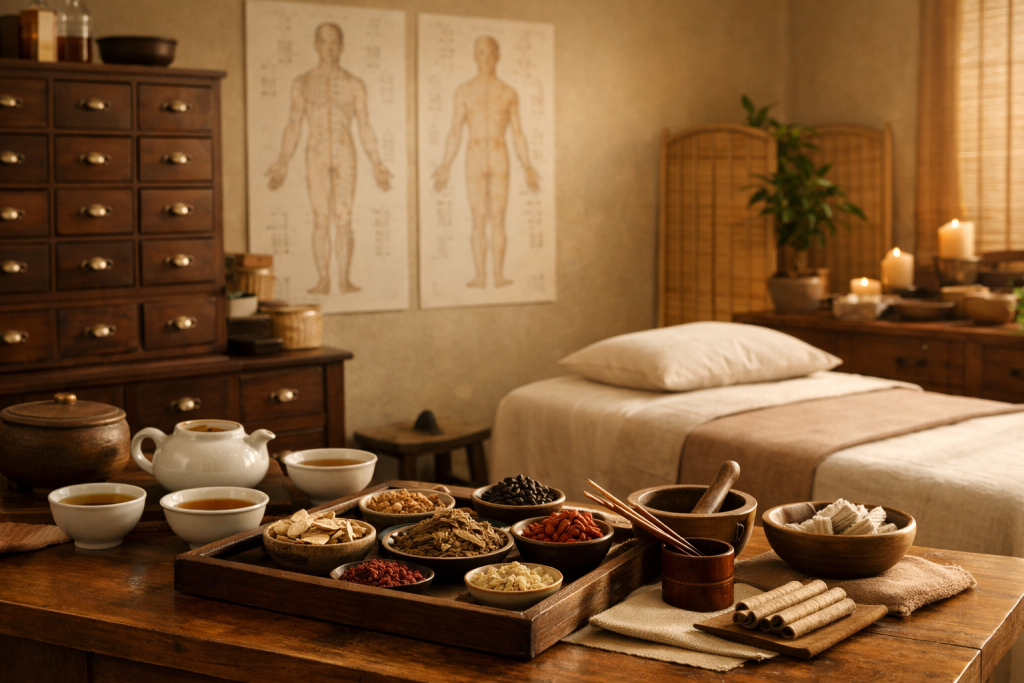
Why Modern Audiences Are Turning to TCM
The resurgence of TCM is driven by several factors:
- Growing interest in natural alternatives
- Increased awareness of stress-related conditions
- Desire for preventive healthcare
- Complementary use alongside Western medicine
- Cultural appreciation of traditional healing knowledge
According to global integrative health studies, a significant percentage of adults now combine conventional treatments with complementary therapies, highlighting the expanding acceptance of holistic medicine.
Understanding Safety and Evidence in Traditional Medicine
While TCM is deeply rooted in tradition, modern research continues to explore its clinical relevance. Institutions such as the World Health Organization (WHO) acknowledge the historical and cultural importance of traditional medicine systems worldwide, encouraging safe integration and practitioner certification standards.
Safety considerations include:
- Consulting qualified practitioners
- Informing doctors about ongoing treatments
- Avoiding self-prescribed herbal formulas
- Monitoring allergies or sensitivities
Pro Tip: Always choose licensed TCM practitioners who provide clear explanations and transparent treatment plans.
Step-by-Step Guide to Experiencing TCM for the First Time
- Initial Consultation – Discuss health history, lifestyle, and concerns.
- Holistic Assessment – Pulse reading, tongue analysis, and symptom review.
- Custom Therapy Plan – May include acupuncture, herbs, or massage, and in certain cases may also involve personalised TCM prescription therapy tailored to individual body constitution and seasonal needs.
- Lifestyle Guidance – Diet, sleep, and stress management suggestions.
- Follow-Up Sessions – Monitor progress and adjust therapy.
This structured journey allows individuals to gradually understand how the healing power behind TCM influences both physical and emotional wellbeing, especially when treatment plans integrate diagnostic evaluation with carefully formulated herbal support.
The Healing Power Behind TCM in Everyday Life
TCM is not limited to clinic visits. Daily habits such as mindful breathing, balanced nutrition, adequate hydration, and consistent sleep schedules reflect the same philosophy of internal harmony. Even small lifestyle adjustments can reinforce the body’s natural resilience.
Many people begin their journey by learning more about holistic services and consultation pathways through reputable TCM centres, where professional guidance ensures treatments align with personal health goals.
Conclusion – Embracing Natural Balance Through TCM
The healing power behind TCM represents more than ancient medical tradition; it embodies a sustainable philosophy of balance, prevention, and self-awareness. By combining therapeutic techniques with lifestyle education, TCM encourages individuals to participate actively in their own wellbeing rather than relying solely on reactive care.
For those seeking structured, personalised guidance, exploring professional consultations and holistic services can provide clarity, direction, and confidence in adopting natural wellness strategies, a principle consistently reflected in the treatment philosophy practised at GNG TCM, where holistic balance and long-term wellness remain central themes rather than short-term symptom relief.
FAQs Section
Is TCM scientifically proven?
Research is ongoing. While not all therapies have identical levels of clinical evidence, many practices show promising results in pain management and stress reduction.
How long before results appear?
Some individuals notice changes within a few sessions, while others experience gradual improvements over weeks.
Can TCM be combined with Western medicine?
Yes, many practitioners support integrative approaches, provided medical professionals are informed.
Is acupuncture painful?
Most patients describe the sensation as mild tingling or pressure rather than pain.
Who should avoid TCM?
Individuals with specific medical conditions, pregnancy, or allergies should always consult healthcare providers first.