

What Is The Healing Art of Tuina? A Complete Overview
The healing art of Tuina is a traditional Chinese medical massage that focuses on restoring the body’s natural balance through acupressure, manual manipulation, meridian stimulation, and soft tissue techniques. Unlike standard massage, Tuina works on qi flow, meridians, and internal organ pathways, making it a powerful treatment for chronic pain, stress, injuries, and digestive or emotional imbalances. As a foundational therapy in Traditional Chinese Medicine (TCM), Tuina has been practiced for over 2,000 years and remains widely used today in hospitals, wellness centers, and TCM clinics due to its reliable results and drug-free approach.
How The Healing Art of Tuina Works
TCM practitioners use the healing art of Tuina to move stagnated qi, open meridians, and harmonize the body’s internal systems. This approach blends both physical and energetic techniques to:
- Release muscle and fascia tension
- Improve blood and lymphatic circulation
- Stimulate neurological pathways
- Reduce inflammation
- Strengthen organ function
- Support emotional regulation
Because Tuina treats both the root cause and the presenting symptoms, it provides deeper, longer-lasting healing compared to conventional massage.
The Healing Art of Tuina: Key Benefits
1. Effective Pain Relief & Muscle Recovery
One of the main reasons people seek the healing art of Tuina is for natural pain management. Tuina is proven to reduce:
- Back and neck pain
- Shoulder stiffness
- Joint discomfort
- Sciatica
- Sports injuries
- Muscle tension
Clinical studies show Tuina can reduce musculoskeletal pain by 40–60%, especially when combined with acupuncture or cupping.
2. Restores Qi Flow & Body Balance
In TCM, pain and illness often develop when qi becomes blocked. Tuina techniques, such as pressing, kneading, grasping, and rolling, work to unblock stagnation and restore smooth energy flow. This leads to:
- Better vitality
- Improved organ harmony
- Enhanced emotional stability
- A stronger immune response
3. Improves Circulation & Flexibility
Tuina boosts microcirculation, allowing nutrients and oxygen to reach tissues faster. Benefits include:
- Faster healing
- Reduced swelling
- Improved joint mobility
- Enhanced athletic performance
This makes the healing art of Tuina ideal for individuals with poor circulation, sedentary lifestyles, or chronic stiffness.
4. Natural Stress Relief & Emotional Balance
Tuina regulates the autonomic nervous system, helping the body shift into a calmer parasympathetic state. Benefits include:
- Less anxiety
- Better sleep
- Reduced irritability
- Sharper mental clarity
Emotional wellness is considered a core part of healing in TCM, making Tuina a powerful therapy for modern stress.
5. Supports Internal Organ Function
Because Tuina works on meridians connected to organ systems, it can help regulate:
- Digestion
- Menstrual health
- Respiratory function
- Fatigue and low immunity
For example, abdominal Tuina can improve digestion and relieve bloating by stimulating spleen and stomach meridians.
6. Personalized for Your Body Constitution
Unlike standard massage, the healing art of Tuina is fully customized. TCM practitioners evaluate your:
- Body constitution
- Emotional state
- Symptoms
- Lifestyle
- Sleep patterns
This personalized approach means two patients with similar symptoms may receive completely different Tuina treatments.For parents seeking safe therapy for children, explore our dedicated guide on tuina for children.
7. A Natural, Drug-Free Healing Method
Tuina is suitable for individuals seeking gentle yet effective treatment without medication or invasive procedures. It is safe for:
- Elderly individuals
- Office workers
- Athletes
- Children
- Those with medication sensitivities
Common Techniques Used in The Healing Art of Tuina
Soft Tissue Techniques
- Kneading (揉法)
- Rolling (滚法)
- Pushing (推法)
- Grasping (拿法)
Joint Mobilization
- Stretching
- Rotation
- Traction
Acupressure Stimulation
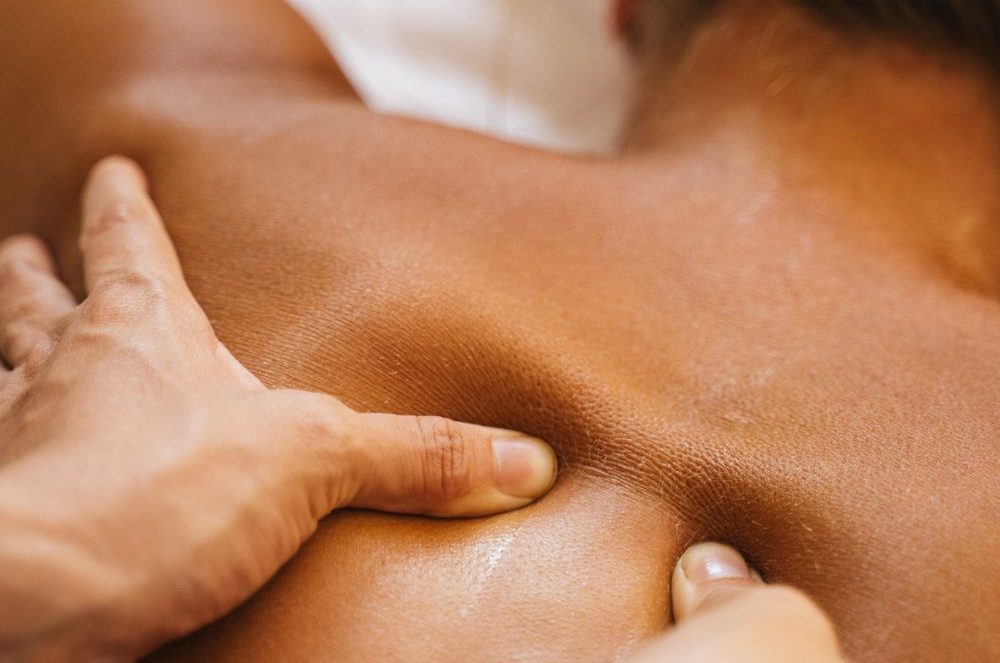
Acupressure stimulation involves applying gentle to firm pressure on specific meridian points to support the smooth flow of qi and blood throughout the body. This technique helps relieve pain, reduce tension, calm the nervous system, and restore natural balance without the use of needles. By activating these energy pathways, acupressure encourages the body’s self-healing mechanisms and supports overall wellness.
Myofascial Release
Myofascial release focuses on loosening tight fascia, the connective tissue that surrounds and supports muscles. When fascia becomes stiff or restricted, it can cause chronic pain, limited movement, and postural imbalances. This technique uses slow, sustained pressure to soften and lengthen the tissue, improve mobility, enhance circulation, and relieve long-term stiffness. It is especially beneficial for individuals with chronic pain, tension buildup, or repetitive strain.
What to Expect During a Tuina Session
- Consultation – Discussion of symptoms, lifestyle, and medical history
- Diagnostic Assessment – Including pulse and tongue reading
- Customized Tuina Treatment – Based on body constitution
- Post-treatment advice – Stretching, breathing exercises, or herbal recommendations
Sessions usually last 20–60 minutes depending on condition severity.
Tuina vs. Regular Massage
| Feature | Tuina (TCM Massage) | Regular Massage |
|---|---|---|
| Focus | Meridians + qi flow | Muscles only |
| Purpose | Healing + balance | Relaxation |
| Personalization | Highly customized | Standard |
| Techniques | Acupressure, manipulation | Pressure strokes |
Conclusion: Experience The Healing Art of Tuina at G&G TCM Medical
The healing art of Tuina is a powerful, time-tested therapy that offers natural healing for pain, stress, internal imbalances, and long-term wellness. By addressing both energy flow and physical tension, Tuina helps restore harmony throughout the entire body. At G&G TCM Medical, our trained practitioners provide professional Tuina therapy tailored to your unique needs, supported by acupuncture, herbal medicine, and holistic wellness programs for enhanced results. For appointments or inquiries, please contact us.
FAQs Section
What conditions respond best to Tuina?
Pain, stress, digestive issues, neck stiffness, fatigue, and sports injuries.
Does Tuina hurt?
No. Pressure is firm but therapeutic—not painful.
How many sessions do I need?
Acute conditions: 1–3 sessions.
Chronic conditions: 4–8 sessions for optimal results.
Is Tuina suitable for children?
Yes. Pediatric Tuina uses gentle techniques. Learn more in tuina for children.
Can Tuina replace physiotherapy?
Tuina complements physiotherapy and offers added energetic balance.