

TCM herbs for sore throat are Chinese herbal ingredients and traditional formulas used in Traditional Chinese Medicine (TCM) to address throat discomfort. Depending on the practitioner’s assessment, these remedies may be considered as part of a broader approach to managing symptoms such as throat irritation, dryness, and discomfort when swallowing. However, scientific evidence supporting specific Chinese herbal formulas for sore throat remains limited, and no particular formula can be confidently recommended based on current evidence.
A sore throat may develop because of a viral infection, allergies, environmental irritants, or other medical conditions. Although many mild cases improve within about a week, persistent or severe symptoms may require medical assessment. Understanding how TCM herbs are traditionally used, what research says, and how to use them safely can help you make informed decisions about your health.
What Are TCM Herbs for Sore Throat?
TCM herbs for sore throat are plant-based ingredients used in traditional Chinese herbal medicine to address throat-related symptoms. Practitioners may select individual herbs or combine several ingredients into a formula based on traditional diagnostic principles and the patient’s overall presentation. These traditional classifications are not the same as scientifically established diagnoses.
Herbs may be prepared as teas, decoctions, powders, granules, or other products. The ingredients and preparation methods can vary considerably, so products should not be treated as interchangeable.
It is important to distinguish traditional use from proven clinical effectiveness. A herb’s long history of use does not automatically establish that it treats the underlying cause of a sore throat or prevents complications.
Common Chinese Herbs Traditionally Used for Sore Throat
Several Chinese herbs appear in traditional formulations intended for throat discomfort. Their use depends on the particular preparation, the practitioner’s assessment, and the individual’s health circumstances. Evidence supporting these herbs as standalone treatments for sore throat is limited.
1. Honeysuckle Flower (Jin Yin Hua)
Honeysuckle flower, known in TCM as Jin Yin Hua, is traditionally used in formulas associated with symptoms interpreted as heat-related conditions. It appears in some Chinese herbal preparations intended for inflammatory or respiratory complaints.
However, traditional indications do not prove that honeysuckle flower can cure a throat infection. Its safety may also depend on the preparation, product quality, and the person’s health status. Do not assume that drinking honeysuckle tea will eliminate the cause of a sore throat.
2. Chrysanthemum Flower (Ju Hua)
Chrysanthemum flower, or Ju Hua, is commonly used in traditional preparations and teas. Some people consume chrysanthemum tea as a soothing warm beverage, particularly when experiencing mild throat dryness or general discomfort.
A warm drink may feel comforting, but this does not establish a medicinal effect from chrysanthemum itself. People with known plant allergies should be cautious, and anyone experiencing persistent symptoms should seek appropriate medical advice.
3. Licorice Root (Gan Cao)
Licorice root, known as Gan Cao in TCM, is included in various traditional herbal formulas. It may serve different roles depending on the formula and the practitioner’s approach.
Licorice root is not risk-free. Certain preparations containing glycyrrhizin can cause serious side effects, including high blood pressure, low potassium levels, and heart rhythm problems, particularly with substantial or prolonged exposure. It may also interact with medicines or be unsuitable for people with certain medical conditions.
Do not use concentrated licorice products or medicinal herbal formulas without professional guidance.
4. Platycodon Root (Jie Geng)
Platycodon root, known as Jie Geng, is traditionally included in some formulas intended for throat and respiratory complaints. Its traditional role may differ according to the other ingredients used in a formula.
Evidence is insufficient to conclude that platycodon root alone reliably relieves a sore throat. Product quality, appropriate identification, preparation, and individual suitability are important considerations when using Chinese herbal products.
5. Chinese Herbal Formulas
TCM practitioners may combine herbs rather than recommend a single ingredient. A formula may contain several plants selected according to the practitioner’s traditional assessment.
This individualized approach is a feature of TCM practice, but it does not guarantee effectiveness or safety. The evidence for one formulation cannot automatically be applied to another, even when both are marketed for sore throat relief.
Before taking a formula, ask for its complete ingredient list, potential side effects, and possible interactions with your existing medicines.
What Does Scientific Research Say About TCM Herbs for Sore Throat?
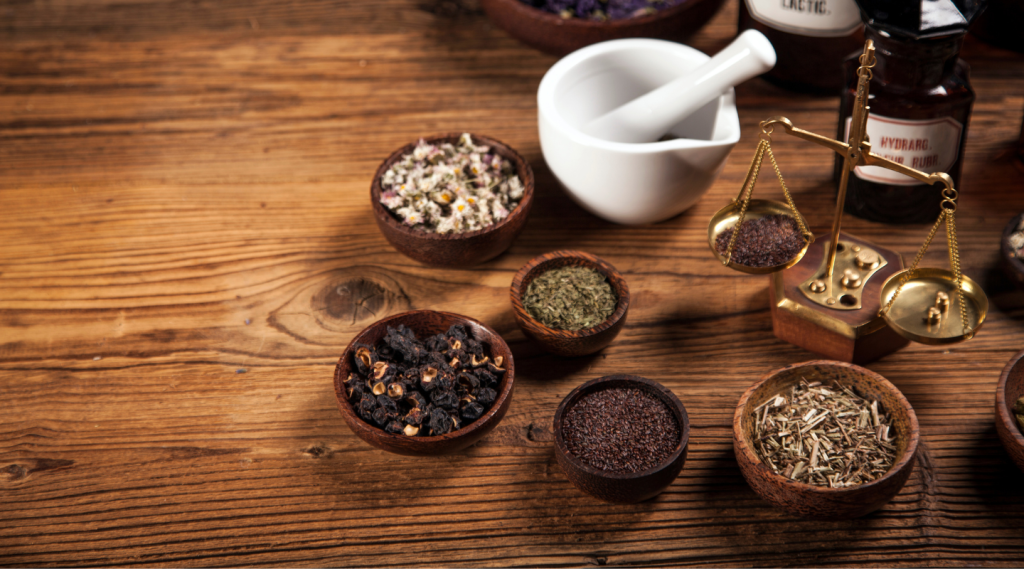
Research on Chinese herbal medicine for sore throat has reported some promising findings, but important limitations prevent firm conclusions. A Cochrane systematic review examined 12 studies involving 1,954 participants and found that several formulations appeared to improve symptoms or recovery in individual trials. However, most studies had poor methodological quality, and the review could not recommend a particular herbal preparation.
This distinction matters because positive findings from individual studies do not necessarily establish that a treatment works reliably. Better-designed clinical trials are needed to determine which preparations may be beneficial, which patients might benefit, and what risks they may carry.
| Approach | Traditional or practical purpose | Current evidence and limitations |
|---|---|---|
| Honeysuckle flower | Used in some traditional formulas for throat and respiratory complaints | Insufficient evidence to establish it as a standalone sore throat treatment |
| Chrysanthemum flower | Used in traditional teas and preparations | A warm drink may feel soothing, but the specific medicinal benefit is uncertain |
| Licorice root | Included in traditional formulas for various complaints | Safety concerns and medicine interactions require attention |
| Platycodon root | Traditionally used in throat and respiratory formulas | Strong clinical evidence for treating sore throat remains limited |
| Individualized herbal formulas | Combines ingredients according to TCM assessment | Research findings are mixed; no specific formula can be confidently recommended based on current evidence |
The key takeaway is that TCM herbs for sore throat may be of interest as complementary care, but they should not be presented as proven cures. The cause of the sore throat and the person’s overall health should guide treatment decisions.
How to Support Sore Throat Relief at Home
Simple self-care measures may help relieve mild throat discomfort while the body recovers. These measures do not replace medical treatment when an infection or another condition requires professional care.
Consider the following options:
- Drink enough fluids: Water and warm drinks can help keep the throat moist.
- Choose comfortable temperatures: Warm or cool drinks may be soothing, depending on personal preference.
- Gargle with salt water: Adults and older children who can gargle safely may try warm salt water and spit it out afterward.
- Avoid smoke and irritants: Tobacco smoke, dust, and other irritants can worsen throat discomfort.
- Rest adequately: Rest can support general recovery during an illness.
- Use medicines appropriately: Ask a pharmacist or healthcare professional about suitable symptom-relief options, particularly for children, pregnancy, or existing medical conditions.
These steps can help manage discomfort but do not identify the cause of the symptoms. Antibiotics, for example, are not useful for viral infections and should only be used when appropriately prescribed.
How to Use TCM Herbs for Sore Throat More Safely
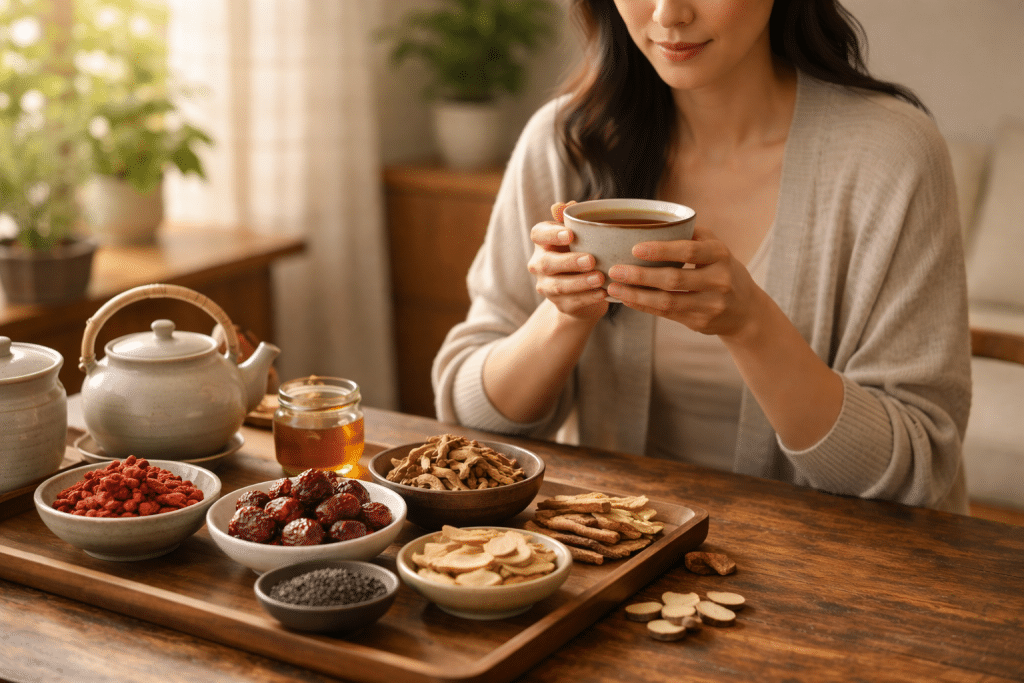
Anyone considering TCM herbs for sore throat should prioritize product quality, professional guidance, and awareness of possible interactions. A qualified practitioner can assess your symptoms and discuss whether herbal treatment is suitable for your condition. You can also explore G&G TCM’s TCM prescription services to learn more about personalized Chinese herbal medicine recommendations and consultation options.
Follow these precautions:
- Consult a qualified practitioner. Explain your symptoms, medical history, allergies, and any existing health conditions.
- Disclose your medicines. Include prescription medicines, over-the-counter products, vitamins, and other supplements.
- Check the ingredients. Avoid products with unclear labels, unknown sources, or unsupported cure claims.
- Avoid self-prescribing formulas. Different herbs and combinations may have different risks and appropriate uses.
- Take extra care with vulnerable groups. Children, pregnant or breastfeeding individuals, and people with chronic conditions should seek appropriate medical advice before using medicinal herbs.
- Monitor for adverse reactions. Stop using a suspected product and seek medical advice if you experience concerning side effects.
Do not delay conventional medical care in favour of herbal treatment, especially if your symptoms are worsening or you have difficulty swallowing.
When Should You See a Doctor for a Sore Throat?
Most uncomplicated sore throats improve on their own, but some symptoms require medical assessment. A healthcare professional can evaluate whether the cause may be viral, bacterial, allergic, or related to another condition.
Arrange a medical assessment if your sore throat is worsening, keeps returning, or does not begin to improve after several days. Seek advice promptly if you have a high fever, signs of dehydration, a rash, or significant difficulty eating and drinking.
Seek emergency medical attention if you have difficulty breathing, cannot swallow, develop swelling inside the mouth or throat, or experience rapidly worsening severe symptoms. These may indicate a serious condition that needs urgent treatment.
A TCM consultation may be considered as complementary support when appropriate, but it should not replace an examination when warning signs are present.
Pro Tips for Choosing Chinese Herbal Support
- Ask about the evidence: Find out what is known about the specific formula rather than relying only on traditional claims.
- Prioritize product quality: Choose products with clear ingredient information and a reputable source.
- Check for interactions: Some herbs can affect blood pressure, electrolyte levels, or the action of prescribed medicines.
- Avoid guaranteed-cure claims: No herbal product should be assumed to eliminate every cause of sore throat.
- Track your symptoms: Note when symptoms began, whether they are improving, and any reactions after using a product.
- Coordinate your care: Inform your doctor and TCM practitioner about all treatments you are using.
Conclusion: Make Informed Choices About TCM Herbs for Sore Throat
TCM herbs for sore throat have a long history of traditional use, and some clinical studies have reported potential benefits from particular Chinese herbal formulations. However, the overall evidence remains insufficient to establish a specific formula as a reliably effective treatment. Herbal products can also cause side effects or interact with medicines, making professional guidance important.
If you are considering Chinese herbal medicine, discuss your symptoms and treatment options with a qualified practitioner and seek conventional medical assessment when necessary. At G&G TCM, informed decisions about complementary care should go hand in hand with attention to safety and appropriate medical treatment.
For further guidance on choosing between different types of healthcare providers, read our guide to chinese medicine clinic vs general practitioner. Understanding the role of each provider can help you make a more informed decision about your health.
FAQs Section
What are TCM herbs for sore throat?
They are Chinese herbal ingredients or formulas traditionally used to address throat discomfort. Their effectiveness varies, and strong clinical evidence remains limited.
Which Chinese herbs are traditionally used for sore throat?
Honeysuckle flower, chrysanthemum flower, licorice root, and platycodon root appear in some traditional preparations. Their suitability and safety depend on the product and individual.
Are TCM herbs for sore throat safe?
Not always. Herbal products can cause side effects, interact with medicines, or contain contaminants. Consult a qualified healthcare professional before use.
Can Chinese herbal medicine cure a sore throat?
There is insufficient high-quality evidence to conclude that a particular Chinese herbal formula reliably cures a sore throat.
When should I seek medical care for a sore throat?
Seek medical advice if symptoms worsen, persist, or make eating and drinking difficult. Difficulty breathing or being unable to swallow requires emergency attention.