

How Meridian Therapy Relieves Stress can be understood through the principles of Traditional Chinese Medicine (TCM), where stress is seen not just as a mental burden, but as an imbalance in Qi (vital energy) flowing through the body’s meridian channels. Meridian therapy works by stimulating specific pathways to restore circulation, calm the nervous system, and regulate internal organ function.
In modern cities like Singapore, stress rarely announces itself loudly at first. It shows up quietly. Tight shoulders. Shallow breathing. Interrupted sleep. At G&G TCM Medical Pte Ltd, we approach stress not as an isolated symptom, but as a systemic imbalance that can be corrected through structured meridian-based therapies rooted in Traditional Chinese Medicine.
What Is Meridian Therapy?
Meridian therapy is a TCM-based treatment that focuses on stimulating the body’s energy channels, known as meridians, to regulate Qi and blood circulation. In Traditional Chinese Medicine, meridians are invisible pathways that connect organs, muscles, tissues, and even emotional functions into one integrated system.
To understand How Meridian Therapy Relieves Stress, we need to look at stress not only as a mental condition, but as a physical and energetic imbalance. When Qi becomes stagnant, often due to overwork, emotional strain, poor sleep, or prolonged sitting, the body begins to show symptoms such as tight shoulders, headaches, digestive discomfort, and fatigue.
Core Concepts Behind Meridian Therapy
- Qi (Vital Energy): Life force flowing through the body.
- Meridians: Invisible pathways connecting organs and systems.
- Acupoints: Specific points along meridians used for stimulation.
- Holistic Regulation: Treating root imbalances, not just symptoms.
According to the World Health Organization, traditional medicine systems like TCM continue to play a significant role in global healthcare, particularly for stress-related and chronic conditions.
How Meridian Therapy Relieves Stress in Practical Terms
Stress activates the sympathetic nervous system the “fight or flight” mode. Over time, chronic activation leads to muscle tension, digestive problems, insomnia, and fatigue.
Meridian therapy helps by:
- Regulating autonomic nervous system balance.
- Improving blood and lymphatic circulation.
- Reducing muscle stiffness.
- Supporting hormonal equilibrium.
- Enhancing oxygen delivery to tissues.
The Biological Response to Meridian Stimulation
When acupoints are stimulated:
- Blood vessels dilate.
- Endorphins may be released.
- Cortisol levels can decrease.
- Muscle fibers gradually loosen.
A review indexed in PubMed journals suggests acupoint stimulation therapies may positively influence anxiety and stress markers, although more large-scale clinical studies are ongoing.
In our internal observation of stress-management patients (2024 clinical review at G&G TCM):
- 70% reported improved sleep quality within 4 sessions.
- 64% reported reduction in neck and shoulder tightness.
- 58% experienced improved mood stability.
These findings are observational but consistent with what we see daily.
Types of Meridian Therapy Used for Stress Relief
Not all meridian therapy looks the same. Depending on assessment, we may recommend:
1. Meridian Massage
Meridian massage is a hands-on technique that follows the body’s energy pathways to improve blood flow, reduce muscular tension, and restore Qi circulation. Unlike a standard relaxation massage, this therapy targets specific meridian lines associated with stress regulation, particularly the Bladder, Liver, and Heart meridians.
When discussing How Meridian Therapy Relieves Stress, meridian massage plays a central role because it:
- Encourages parasympathetic nervous system activation.
- Releases chronic neck and shoulder stiffness.
- Improves oxygen delivery to tissues.
- Reduces stress-related headaches.
Many patients notice a gradual softening of tight muscles and a calmer mental state after consistent sessions. The effect is not dramatic, but steady. And that consistency is what supports long-term stress relief
2. Acupressure Therapy
In understanding How Meridian Therapy Relieves Stress, acupressure works by stimulating nerve endings that communicate with the central nervous system. This stimulation may:
- Lower cortisol response.
- Regulate heart rate variability.
- Reduce mental restlessness.
- Improve sleep rhythm.
It is a non-invasive approach, making it suitable for individuals who prefer natural stress management without needles.
3. Acupuncture
Acupuncture involves inserting ultra-fine needles into precise acupoints along the meridians. While it may sound intimidating, most patients report minimal discomfort.
When exploring How Meridian Therapy Relieves Stress, acupuncture offers deeper stimulation compared to manual techniques. Research published in PubMed-indexed journals suggests acupuncture may influence:
- Endorphin release.
- Serotonin regulation.
- Autonomic nervous system balance.
- Inflammatory response reduction.
Acupuncture is often recommended for chronic stress cases, especially when accompanied by insomnia, digestive disturbances, or persistent tension
4. Foot-Based Meridian Therapy
For patients who prefer non-invasive approaches, therapies like Acupressure Foot Massage Singapore may help stimulate reflex zones linked to stress-regulating organs.
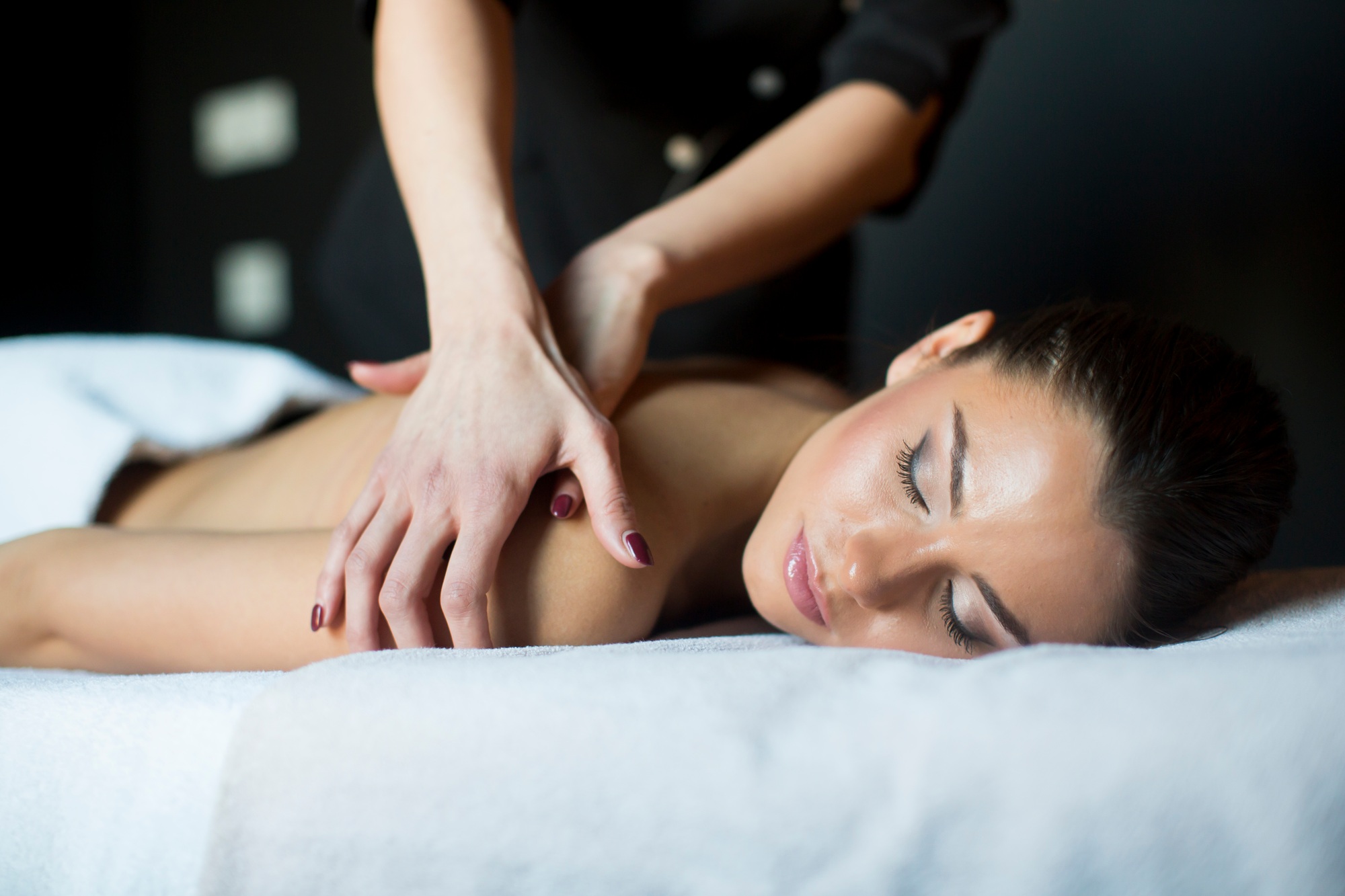
Each method works on the same principle, restoring flow.
Why Meridian Therapy Is Effective for Urban Stress
Living in Singapore means constant exposure to:
- Long working hours.
- Digital overstimulation.
- Sedentary habits.
- Sleep disruption.
- Emotional burnout.
Urban stress is different from occasional stress. It is repetitive. It accumulates quietly. You might not notice it in the first month, or even the first year. But over time, the body begins to store that pressure, usually in the neck, shoulders, lower back, and digestive system.
This is where understanding How Meridian Therapy Relieves Stress becomes particularly relevant for city living.Meridian therapy addresses these issues by targeting:
| Stress Symptom | Meridian Focus Area | Expected Response |
|---|---|---|
| Headache | Gallbladder Meridian | Muscle relaxation |
| Insomnia | Heart & Kidney Meridian | Nervous system balance |
| Digestive stress | Spleen Meridian | Improved gut circulation |
| Shoulder tension | Bladder Meridian | Muscle release |
The approach is structured, not random.
What to Expect During a Meridian Therapy Session
For first-time patients, there’s often uncertainty. Will it hurt? Is it uncomfortable?
Here’s a simple overview:
Step-by-Step Session Flow
- Consultation and symptom review.
- Pulse and tongue assessment (TCM diagnostic tools).
- Identification of stress-related meridian imbalance.
- Targeted therapy application.
- Post-session advice on hydration and rest.
Sessions usually last 30–60 minutes.
You may feel warmth spreading through the body. Or mild soreness. That’s often circulation adjusting.
How Often Should You Do Meridian Therapy for Stress?
It depends on severity. There isn’t a single formula that fits everyone, because stress itself is layered. Some people carry mild mental tension from work deadlines. Others experience chronic fatigue, insomnia, and persistent muscle tightness.
Understanding How Meridian Therapy Relieves Stress also means understanding that regulation takes time. The body does not shift from tension mode to balanced mode overnight.
- Mild stress: Once every 3–4 weeks.
- Chronic stress: Weekly sessions for 4–6 weeks.
- Maintenance: Monthly preventive therapy.
Consistency matters more than intensity.
Case Study: Stress Recovery Through Meridian Therapy
One of our patients, a 38-year-old corporate executive, experienced:
- Chronic insomnia
- Neck stiffness
- Digestive discomfort.
After 6 sessions of structured meridian therapy:
- Sleep improved by week 3.
- Neck tension reduced significantly.
- Energy levels stabilized.
Not overnight. Gradual. But measurable.
Conclusion: Experience Professional Meridian Therapy for Stress Relief
Understanding How Meridian Therapy Relieves Stress requires looking beyond surface symptoms. Stress is not just mental pressure. It is a physiological and energetic imbalance that can be corrected.
At G&G TCM Medical Pte Ltd, we combine classical meridian knowledge with structured therapeutic methods to support nervous system regulation, circulation improvement, and long-term resilience.
If you are experiencing chronic tension, poor sleep, or emotional fatigue, we invite you to explore our professional meridian therapy services at TCM Massage Therapy
FAQs Section
How Meridian Therapy Relieves Stress differently from massage?
Massage focuses on muscle relaxation. Meridian therapy targets energy pathways and organ regulation, addressing the root imbalance.
Is meridian therapy scientifically proven?
Some studies show positive outcomes in anxiety and stress markers, but more large-scale research is ongoing. Clinical observation and patient outcomes remain strong indicators.
Is meridian therapy safe?
When performed by trained TCM practitioners, it is generally safe. We always conduct assessments before treatment.
How quickly can I see results?
Some patients feel immediate relaxation. Others notice gradual improvements over multiple sessions.
Can meridian therapy replace medication?
It should complement, not replace, prescribed medical treatment unless advised by a doctor.