

The essence of traditional healing refers to a holistic approach to health that emphasizes balance, prevention, and the body’s innate ability to heal itself. Rooted in ancient medical systems such as Traditional Chinese Medicine (TCM), Ayurveda, and indigenous healing practices, traditional healing focuses on treating the whole person, body, mind, and environment, rather than isolated symptoms. In an era where modern healthcare often prioritizes rapid symptom relief, traditional healing offers a complementary perspective that values long-term wellness, individualized care, and harmony between physical, emotional, and energetic systems.
What Is the Essence of Traditional Healing?
The essence of traditional healing lies in understanding health as a dynamic balance rather than the absence of disease. Traditional systems view illness as a sign of imbalance within the body or between the individual and their surroundings.
Key characteristics include:
- Holistic diagnosis considering physical, emotional, and lifestyle factors
- Natural therapies that support the body’s self-regulation
- Preventive care and early intervention
- Personalized treatment based on individual constitution
This philosophy forms the foundation of many traditional medical systems practiced worldwide.
Core Principles Behind Traditional Healing Practices
Balance and Harmony
Traditional healing systems emphasize balance as the foundation of health. In Traditional Chinese Medicine (TCM), this balance is expressed through Yin and Yang, representing opposing yet complementary forces that must remain in harmony for the body to function optimally. Similarly, Ayurveda focuses on balancing the Doshas (Vata, Pitta, and Kapha), while many indigenous healing systems emphasize harmony between the body, nature, and spiritual elements. When balance is disrupted, due to stress, diet, emotional strain, or environmental factors, illness is believed to emerge. Restoring harmony helps the body activate its natural self-healing mechanisms.
Root-Cause Treatment
Rather than suppressing symptoms, traditional healing seeks to address underlying causes such as:
- Energy imbalance
- Chronic stress
- Poor lifestyle habits
- Environmental influences
Prevention Over Cure
Preventive care is a central principle in traditional healing, emphasizing the maintenance of health before illness develops. Practices such as dietary regulation, herbal tonics, lifestyle adjustments, seasonal therapies, and routine bodywork are used to strengthen resilience and maintain internal balance. In TCM philosophy, the highest level of medicine is preventing disease rather than treating it after onset. This proactive approach aligns closely with modern preventive healthcare models, supporting sustained wellness, early intervention, and improved quality of life over time.
Common Traditional Healing Modalities
Traditional healing encompasses a wide range of therapies used across cultures:
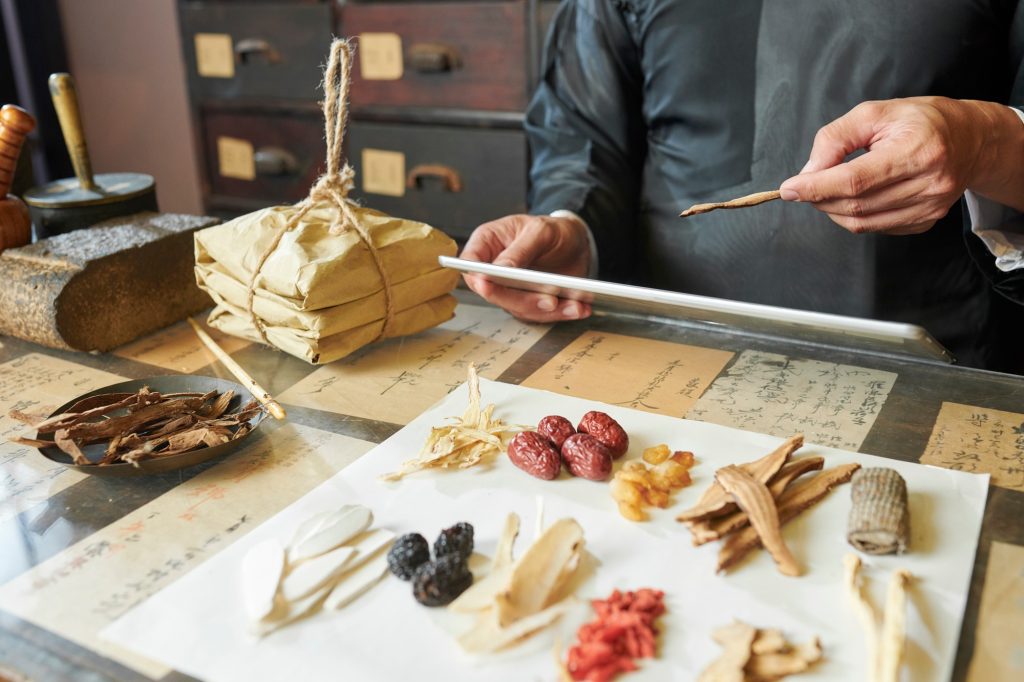
- Herbal medicine
- Acupuncture and acupressure
- Therapeutic massage (such as Tui Na)
- Cupping and moxibustion
- Dietary therapy and lifestyle guidance
These modalities are often combined to create a comprehensive and individualized treatment plan.
The Role of Traditional Healing in Modern Healthcare
As healthcare systems evolve, traditional healing is increasingly integrated with modern medicine to support:
- Chronic pain management
- Stress-related disorders
- Musculoskeletal conditions
- Digestive and metabolic health
Evidence and Growing Acceptance
Research in integrative medicine shows that patients who receive complementary traditional therapies alongside conventional care often report:
- Improved quality of life
- Reduced reliance on long-term medication
- Better symptom management
A 2021 review in integrative health studies reported that holistic therapies contributed to measurable improvements in patient satisfaction and functional outcomes.
Why Patients Are Returning to Traditional Healing
Modern lifestyles marked by high stress, prolonged sitting, irregular sleep, and poor work–life balance have led many people to experience chronic fatigue, pain, and stress-related conditions. Traditional healing approaches are gaining renewed interest because they focus on restoring balance, addressing root causes, and supporting long-term wellness rather than offering temporary symptom relief. This holistic and preventive approach aligns well with the needs of modern patients seeking natural, sustainable, and personalized healthcare solutions.
Patients are drawn to traditional healing because it:
- Treats the individual, not just the condition
- Encourages active participation in health management
- Aligns physical treatment with mental and emotional wellbeing
This shift reflects a broader global movement toward wellness-oriented healthcare.
Traditional Healing in Community-Based Clinics
Community-focused traditional clinics play a vital role in preserving and delivering authentic healing practices. These clinics combine cultural wisdom with professional standards to meet modern patient expectations. You can explore real-world applications and benefits of tcm clinics to better understand how traditional healing supports contemporary health needs.
In addition to providing clinical care, community-based traditional healing clinics serve as accessible health hubs that emphasize trust, continuity of care, and personalized treatment. Practitioners often take time to understand patients’ lifestyles, cultural backgrounds, and long-term health goals, allowing for more tailored and holistic care plans. By integrating traditional diagnostic methods with modern hygiene, safety protocols, and ethical standards, these clinics help bridge the gap between ancestral healing knowledge and the demands of today’s healthcare environment, ensuring traditional healing remains relevant, safe, and effective for modern communities.
How Traditional Healing Supports Long-Term Wellness
Step-by-Step Holistic Care Approach
- Comprehensive assessment of symptoms, lifestyle, and health history
- Identification of imbalance patterns
- Personalized therapy selection
- Lifestyle and dietary recommendations
- Ongoing monitoring and adjustment
Conclusion: Embracing the Essence of Traditional Healing
The essence of traditional healing lies in its holistic philosophy, addressing root causes, restoring balance, and supporting the body’s natural healing capacity. As modern healthcare increasingly values personalized and preventive approaches, traditional healing continues to play a vital role in promoting sustainable health and wellbeing.
At GNG TCM, we specialize in delivering authentic traditional healing practices that meet modern clinical standards. Our expertise spans acupuncture, herbal medicine, therapeutic massage, and personalized wellness care. If you are seeking a balanced and holistic path to better health, we invite you to learn more about our services and connect with our professional team through our official contact page.
FAQs Section
What makes traditional healing different from modern medicine?
Traditional healing focuses on holistic balance and prevention, while modern medicine often emphasizes diagnosis and symptom control.
Is traditional healing scientifically supported?
Many traditional therapies are supported by growing clinical and observational research, especially when used as complementary care.
Can traditional healing be combined with modern treatment?
Yes. Integrative care models combine both approaches safely under professional guidance.
How long does traditional healing take to show results?
Results vary by individual and condition, but many patients notice gradual and sustainable improvements.
Is traditional healing suitable for preventive care?
Yes. Prevention and long-term balance are core strengths of traditional healing systems.