

What Is Cupping for Muscle Recovery?
Cupping for muscle recovery is a Traditional Chinese Medicine (TCM) therapy that uses gentle suction to stimulate circulation, relax tight muscles, and support the body’s natural recovery process. Also known as Ba Guan, cupping is commonly used by athletes, active individuals, and people experiencing muscle stiffness after physical activity.
During treatment, cups are placed on targeted areas of the body to create suction. Depending on the treatment plan, cups may remain stationary or be moved across the skin. G&G TCM describes Ba Guan as a therapy commonly used for muscle tension, sports recovery, stiffness, and general wellness.
People may explore cupping to support:
- Muscle relaxation
- Post-exercise recovery
- Flexibility and mobility
- Healthy circulation
- Reduced feelings of muscle tightness
- Overall physical wellness
Rather than being limited to professional athletes, cupping can also be considered by people who experience muscle fatigue from exercise, repetitive activities, or prolonged sitting.
How Does Cupping Support Muscle Recovery?
Cupping creates negative pressure that gently lifts the skin and underlying tissues. This may increase local blood flow and encourage relaxation of tight muscle areas. TCM practitioners also view cupping through the concepts of Qi and Blood circulation.
1. Supports Local Circulation
The suction produced by the cups may increase circulation around the treated area, supporting the delivery of oxygen and nutrients to tissues.
2. Helps Relax Tight Muscles
Cupping can be used around areas affected by muscular tension, such as the:
- Shoulders
- Upper back
- Lower back
- Thighs
- Calves
- Hamstrings
3. Supports Mobility
When muscle tightness is reduced, some people may find movement more comfortable.
4. Encourages Relaxation
A cupping session may also provide a relaxing experience, particularly when muscle tension is associated with stress or physical fatigue.
Pro Tip: Cupping should complement—not replace—adequate rest, hydration, nutrition, stretching, and appropriate exercise recovery.
Cupping for Muscle Recovery After Exercise
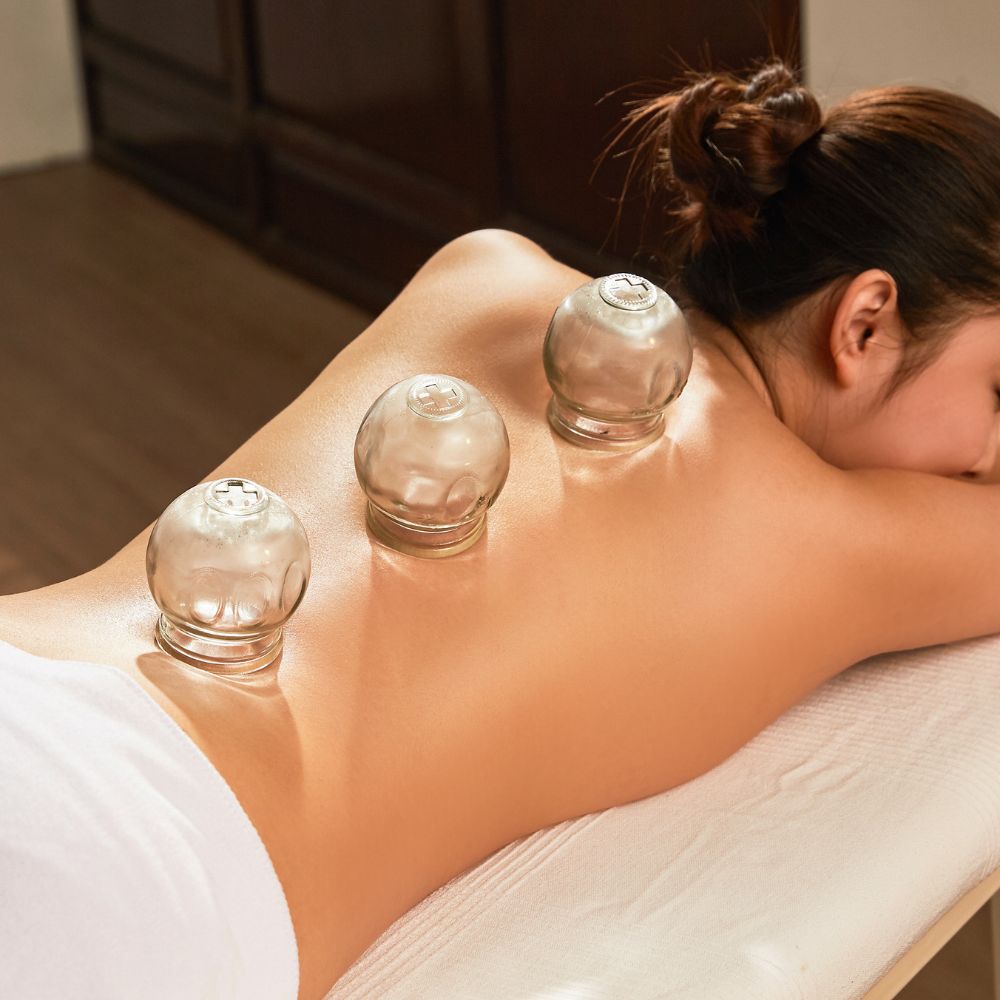
Intense workouts can temporarily leave muscles feeling tired, stiff, or sore. Recovery therefore becomes an important part of maintaining an active lifestyle.
Cupping may be incorporated into a recovery routine following:
- Strength training
- Running
- Cycling
- Swimming
- Martial arts
- Team sports
- High-intensity workouts
The goal is to support comfortable movement and recovery rather than simply treating soreness after it occurs.
What Happens During a Cupping Session?
If you are trying cupping for the first time, the process is relatively simple.
Step 1: Consultation
A TCM practitioner reviews your:
- Muscle concerns
- Exercise routine
- Recovery needs
- Lifestyle
- Existing health conditions
Step 2: Assessment
The practitioner identifies the areas that may benefit from treatment and determines the appropriate cupping technique.
Step 3: Cup Placement
Cups are gently placed on selected areas, creating controlled suction.
Step 4: Treatment
Depending on your needs, cups may remain stationary or be gently moved across the skin.
Step 5: Aftercare
You may receive recommendations regarding hydration, rest, exercise, and general recovery.v
G&G TCM states that a typical Ba Guan session can last around 15–30 minutes, depending on the treatment area and individual needs.
What Are the Benefits of Cupping for Muscle Recovery?
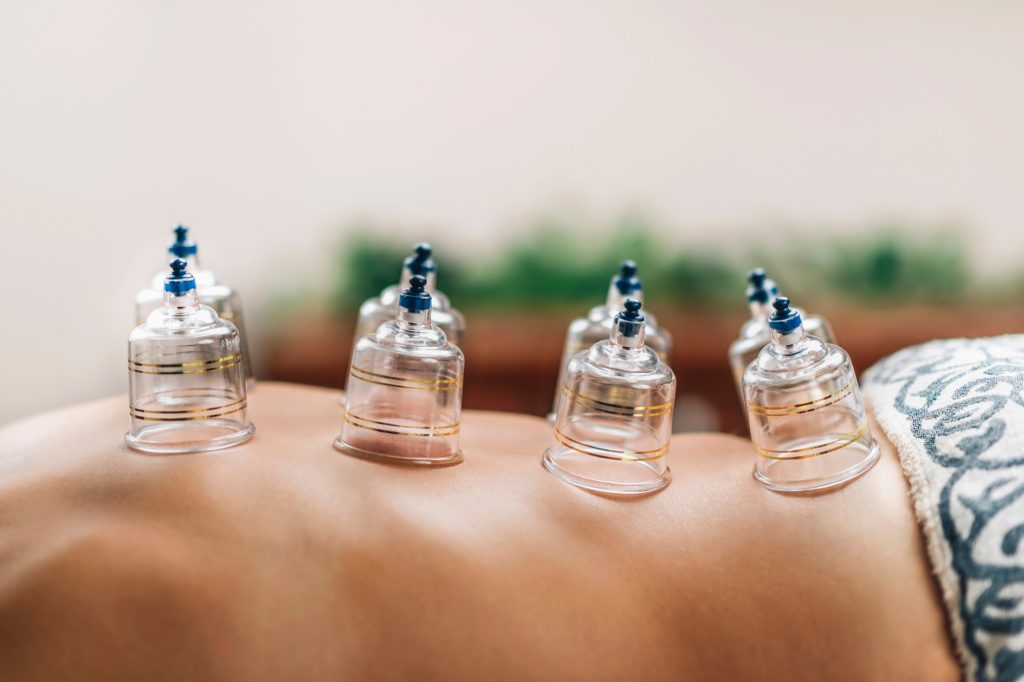
When appropriately administered, cupping may provide several complementary benefits for muscle wellness.
Potential Benefits
| Benefit | How It May Support Recovery |
|---|---|
| Muscle relaxation | Helps address feelings of tightness |
| Circulation support | Encourages local blood flow |
| Mobility | May make movement feel more comfortable |
| Recovery support | Can complement post-exercise routines |
| Relaxation | May reduce physical tension |
| Wellness | Fits into a holistic TCM care plan |
Individual responses vary, and cupping should be performed by a trained practitioner.
Cupping Marks: Are They Normal?
One of the most noticeable aspects of cupping is the temporary circular marks that can appear afterward.
These marks may range from light red to dark purple and generally fade over several days. G&G TCM notes that marks can typically last around 3–7 days, although this can vary depending on the individual and treatment intensity.
The marks do not necessarily mean that the treatment was more effective. Their appearance can vary based on suction strength, treatment area, and individual skin response.
Pro Tip: Do not be alarmed by temporary marks after dry cupping. However, contact your practitioner if you experience unusual or prolonged skin reactions.
How to Support Muscle Recovery After Cupping
Your habits after treatment can contribute to a comfortable recovery.
Stay Hydrated
Drink enough water throughout the day according to your individual needs.
Get Adequate Rest
Allow your body time to recover, particularly after intense physical activity.
Avoid Immediate Intense Exercise
G&G TCM recommends avoiding vigorous exercise immediately after treatment, particularly when the treated muscles feel sensitive.
Eat Nutritious Foods
Adequate protein, carbohydrates, healthy fats, vitamins, and minerals support normal recovery.
Practice Gentle Movement
Light stretching or walking may help maintain comfortable mobility when appropriate.
Cupping for Muscle Recovery vs Other TCM Therapies
Different TCM treatments serve different purposes.
| Treatment | Common Focus |
| Cupping / Ba Guan | Muscle tension and circulation support |
| Acupuncture | Acupuncture-point stimulation and broader wellness |
| Tuina | Manual muscle and soft-tissue techniques |
| Herbal Medicine | Personalized internal herbal support |
These therapies can sometimes be combined depending on the individual’s condition and treatment goals.
Who May Consider Cupping for Muscle Recovery?
Cupping may be considered by:
- Athletes
- Gym-goers
- Runners
- Active individuals
- Office workers with muscle tension
- People experiencing post-exercise stiffness
- Individuals seeking holistic recovery support
However, it is important to receive an assessment before treatment, particularly if you have an existing medical condition or take medication.
Who Should Seek Professional Advice First?
People with certain conditions, including bleeding disorders, significant skin problems, or those taking blood-thinning medication, should consult a healthcare professional or qualified TCM practitioner before receiving cupping. G&G TCM also advises pregnant individuals and people with specific health concerns to seek professional guidance before treatment.
Why Choose Professional Ba Guan Treatment?
Professional treatment allows the practitioner to adjust the suction strength, placement, and treatment duration according to your needs.
A personalized assessment can consider:
- Your muscle condition
- Exercise intensity
- Recovery goals
- Health history
- Skin sensitivity
- Overall body constitution
For readers interested in learning more about the traditional practice, ba guan in Singapore provides additional information about its benefits, treatment process, safety considerations, and what to expect during a professional session.
How to Build a Better Muscle Recovery Routine
Cupping works best as part of a complete recovery strategy.
Your Recovery Checklist
- Warm up before exercise.
- Cool down after training.
- Stay adequately hydrated.
- Eat balanced meals.
- Prioritize quality sleep.
- Include rest days.
- Use appropriate stretching and mobility work.
- Consider professional TCM care when appropriate.
Pro Tip: Do not use cupping as a substitute for proper injury assessment. If pain is severe, persistent, or associated with swelling, weakness, numbness, or significant loss of function, seek appropriate medical evaluation.
Why More Active People Are Exploring Cupping for Muscle Recovery
Recovery is just as important as training. Whether someone exercises competitively or simply stays active, muscle fatigue can affect performance and everyday comfort.
Cupping is attractive as a complementary therapy because it:
- Requires no medication
- Can be personalized
- Focuses on specific muscle areas
- Can be combined with other TCM therapies
- Fits into broader wellness routines
G&G TCM’s existing materials describe Ba Guan as a therapy used for sports recovery, muscle stiffness, and physical strain.
Conclusion: Experience Cupping for Muscle Recovery at G&G TCM
Cupping for muscle recovery offers a Traditional Chinese Medicine approach to supporting muscle relaxation, circulation, mobility, and post-exercise wellness. When combined with adequate rest, hydration, nutrition, and appropriate physical activity, it can become a useful complementary component of a balanced recovery routine.
At G&G TCM, experienced practitioners provide personalized Ba Guan treatments based on each individual’s condition, lifestyle, and wellness goals. Whether you are an athlete recovering after training or simply dealing with everyday muscle tension, a professional assessment can help determine whether cupping is appropriate for you.
Visit G&G TCM to learn more about professional TCM services and discover whether cupping for muscle recovery could support your wellness journey.
Final Pro Tip
The best recovery routine is a balanced one. Combine professional TCM guidance with good sleep, proper nutrition, hydration, mobility exercises, and sensible training to keep your muscles feeling their best.
FAQs Section
What is cupping for muscle recovery?
Cupping for muscle recovery is a TCM therapy that uses suction to support circulation, muscle relaxation, mobility, and post-exercise recovery.
Can cupping help after exercise?
Cupping may complement recovery after physical activity by supporting muscle relaxation and comfortable movement.
How long do cupping marks last?
Temporary circular marks commonly fade within several days, although the duration varies between individuals.
Is cupping painful?
Most people feel a pulling or tightening sensation rather than significant pain when appropriate suction is used.
Can cupping be combined with other TCM treatments?
Yes. Cupping may be combined with acupuncture, Tuina, or herbal medicine when recommended as part of a personalized treatment plan.