

Chinatown TCM remains a popular choice for people in Singapore who are interested in Traditional Chinese Medicine and personalised approaches to wellness. From acupuncture and herbal medicine to Tui Na and other traditional therapies, a Chinatown TCM consultation typically begins with an assessment of your symptoms, lifestyle, and overall health before treatment options are discussed.
For many people, Chinatown is closely associated with Chinese heritage and traditional healthcare practices, making it a natural place to explore TCM. However, choosing the right practitioner and understanding what each treatment involves are important steps before starting care.
What Is Chinatown TCM?
Chinatown TCM refers to Traditional Chinese Medicine services and clinics located in or associated with Singapore’s Chinatown area. These services may include acupuncture, Chinese herbal medicine, Tui Na, cupping, moxibustion, and other TCM-based approaches, depending on the clinic and the practitioner’s qualifications.
TCM is based on a traditional system of healthcare that considers patterns of symptoms and the relationship between different aspects of a person’s health. A consultation may involve discussing current concerns, lifestyle habits, sleep, digestion, and other relevant factors before a practitioner recommends an appropriate approach.
Beyond individual treatments, a professional TCM clinic can provide a range of services based on each patient’s needs and assessment. At G&G TCM, patients can explore suitable treatment options through a personalised consultation with a qualified practitioner.
Learn more about the available tcm clinic services, including professional TCM consultations and treatments designed to support different health and wellness needs. Before starting any treatment, the practitioner can explain the recommended approach, precautions, and what to expect during your care.
Why Do People Visit Chinatown TCM Clinics?
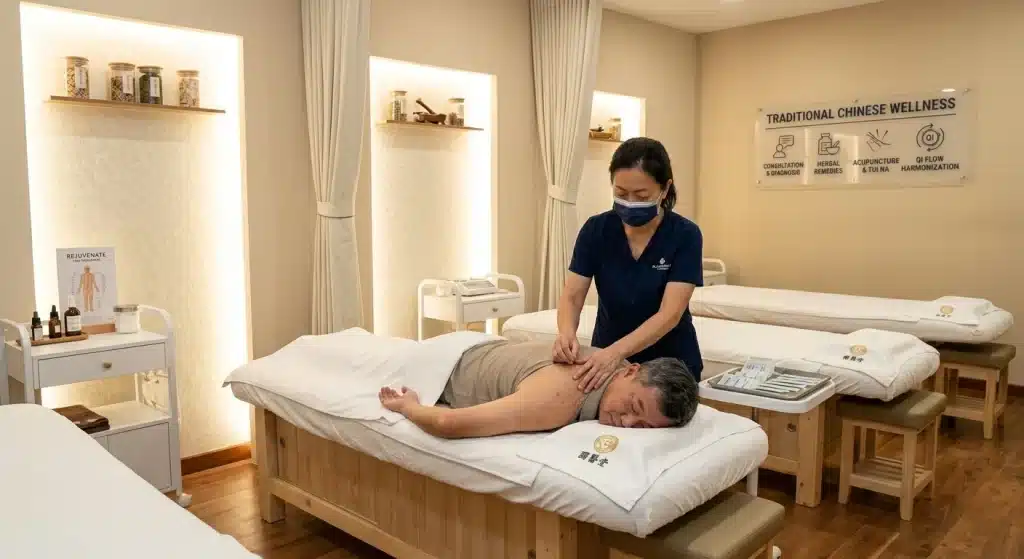
People visit Chinatown TCM clinics for different reasons, ranging from managing discomfort to seeking support for general wellbeing. The most appropriate treatment depends on the individual’s condition, health history, and assessment by a qualified practitioner.
Common reasons people explore Chinatown TCM include:
- Muscular aches and discomfort
- Neck, shoulder, or back tension
- General stress and fatigue
- Sleep-related concerns
- Digestive concerns
- Ongoing wellness support
- Interest in acupuncture or Chinese herbal medicine
- A preference for a personalised consultation
It is important to remember that TCM is not a replacement for emergency or necessary medical care. Severe, sudden, or worsening symptoms should be assessed by an appropriate medical professional, and patients should tell their healthcare providers about treatments or medicines they are using.
What Treatments May Be Available at a Chinatown TCM Clinic?
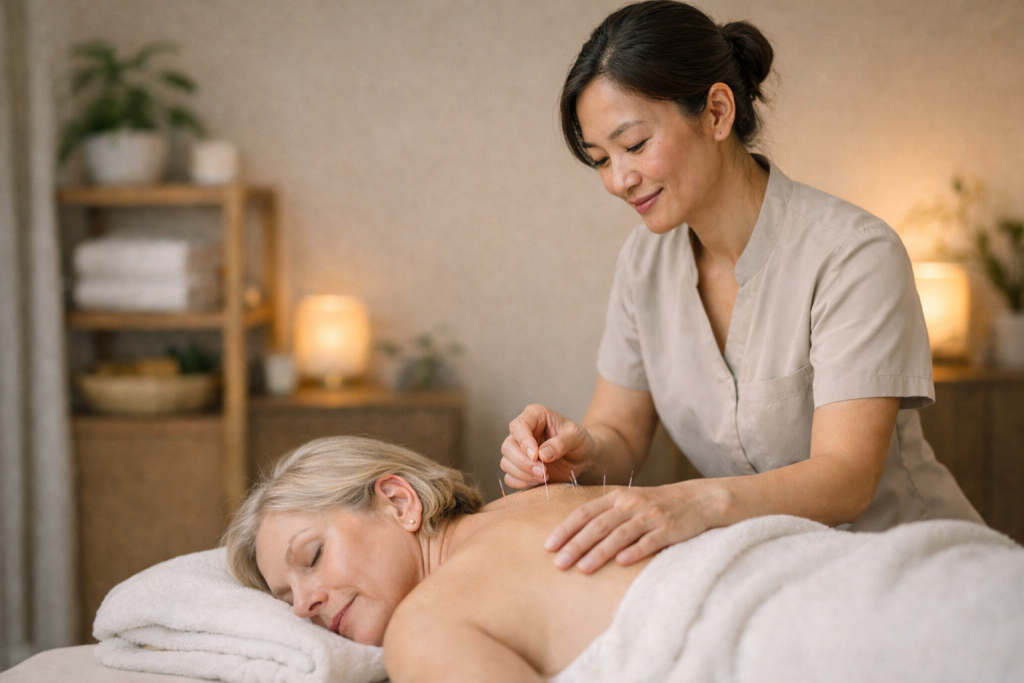
A Chinatown TCM clinic may offer several treatment methods rather than using a single approach for every patient. After an assessment, the practitioner can explain which options may be suitable and why.
Acupuncture
Acupuncture is one of the best-known TCM treatments. It involves the use of fine, sterile needles at selected points on the body and may be considered for certain health concerns, depending on a practitioner’s assessment.
The experience can vary from person to person. If you are considering acupuncture, ask about the treatment process, possible risks, expected sensations, and whether it is suitable for your specific circumstances.
Chinese Herbal Medicine
Chinese herbal medicine may involve formulas selected according to a practitioner’s assessment of an individual’s condition. The ingredients and dosage should be explained clearly, especially if you are taking prescription medicines or have existing health concerns.
Pro Tip: Always tell your TCM practitioner about medicines, supplements, allergies, and other treatments you are currently using. This gives them a more complete picture of your health and helps them make safer, better-informed recommendations.
Tui Na
Tui Na is a traditional Chinese therapeutic massage technique that uses different manual techniques and pressure. Depending on the clinic, it may be offered as part of a broader TCM treatment plan or as a standalone service.
Before treatment, let the practitioner know about recent injuries, pain, or conditions that may affect whether manual therapy is appropriate.
Cupping and Moxibustion
Some Chinatown TCM services may also include cupping or moxibustion. Cupping uses suction, while moxibustion uses heat associated with traditional therapeutic practices.
These treatments are not suitable for every person or every condition. A qualified practitioner should assess your needs and explain the potential benefits, limitations, and precautions before proceeding.
Chinatown TCM vs Conventional Medical Care
Chinatown TCM and conventional medical care should not always be viewed as direct competitors. They use different approaches, and the best choice can depend on the nature and urgency of the health concern.
| Aspect | Chinatown TCM | Conventional Medical Care |
|---|---|---|
| Main approach | Traditional diagnostic and treatment principles | Evidence-based diagnosis and medical treatment |
| Consultation | May consider symptoms, lifestyle, and broader health patterns | Often focuses on diagnosing and managing specific conditions |
| Common treatments | Acupuncture, herbal medicine, Tui Na, cupping, and moxibustion | Medication, diagnostic testing, procedures, rehabilitation, and other treatments |
| Personalisation | Treatment may be tailored according to the practitioner’s TCM assessment | Treatment is tailored according to clinical diagnosis and medical needs |
| Best for emergencies | Not a substitute for emergency care | Essential for emergencies and urgent medical conditions |
| Combining care | May complement other care when appropriately managed | Can coordinate with other healthcare providers where appropriate |
The right approach is not necessarily about choosing one system over the other. In some situations, patients may use different forms of healthcare as part of their overall care plan, provided all relevant practitioners are informed.
What Happens During Your First Chinatown TCM Consultation?
A first Chinatown TCM consultation generally starts with a conversation about your main concerns and health history. The practitioner may ask questions about symptoms, daily habits, sleep, digestion, previous treatments, and other factors relevant to the assessment.
Depending on the consultation, the practitioner may also use traditional assessment methods such as observing the tongue or checking the pulse. After this, they may explain their assessment and discuss suitable treatment options.
A typical first visit may involve:
- Discussing your main concern – Explain what you are experiencing and when it started.
- Reviewing your health history – Mention relevant conditions, medications, allergies, and previous treatments.
- Receiving an assessment – The practitioner may use consultation and TCM assessment methods to understand your situation.
- Discussing treatment options – Ask what treatment is recommended, what it involves, and what precautions apply.
- Planning follow-up care – If further sessions are recommended, clarify the purpose and expected review process.
At G&G TCM, clear communication can help patients make informed decisions and know what to expect before treatment begins.
How to Choose a Trusted Chinatown TCM Practitioner
Choosing a Chinatown TCM provider should involve more than selecting the closest clinic. Take time to check the practitioner’s credentials, ask about the services offered, and make sure you are comfortable discussing your concerns openly.
Consider the following before booking:
- Check that the practitioner has the appropriate qualifications and registration required in Singapore.
- Ask what treatment options are available for your concern.
- Find out what happens during the first consultation.
- Discuss possible risks, precautions, and side effects.
- Tell the practitioner about current medications and other healthcare treatments.
- Avoid providers who guarantee a cure or make unrealistic promises.
- Make sure you understand the treatment plan and costs before proceeding.
If you want to learn more about choosing professional TCM care and what modern clinics may offer, visit this tcm clinic guide.
Is Chinatown TCM Right for You?
Chinatown TCM may be worth exploring if you are interested in Traditional Chinese Medicine and want to discuss whether its available treatments are appropriate for your situation. The best starting point is a proper consultation rather than assuming that one treatment works the same way for everyone.
A qualified practitioner can consider your symptoms and health history before recommending an approach. This is particularly important if you have an existing medical condition, are taking medication, or are already receiving care from another healthcare provider.
G&G TCM encourages patients to ask questions, understand their treatment options, and share relevant health information. An informed conversation can help you decide whether a particular Chinatown TCM service is suitable for your needs.
How Can You Get the Most from Your Chinatown TCM Visit?
Preparing for your appointment can make the consultation more useful and help the practitioner understand your concerns. You do not need to know TCM terminology beforehand; simply provide accurate information and ask questions whenever something is unclear.
Before your visit, consider preparing:
- A short description of your main concern
- Information about when your symptoms began
- A list of medications or supplements you take
- Relevant medical history or previous diagnoses
- Details about other treatments you are receiving
- Questions about the recommended treatment and follow-up
It is also helpful to keep realistic expectations. Treatment response can vary based on the individual, the nature of the condition, and the type of care provided. If your symptoms change, worsen, or become urgent, seek appropriate medical attention.
Conclusion: Explore Chinatown TCM with the Right Information
Chinatown TCM offers an opportunity to explore Traditional Chinese Medicine through treatments such as acupuncture, herbal medicine, Tui Na, and other personalised approaches. The most important step is choosing qualified care, understanding what your treatment involves, and communicating openly about your health needs.
For patients interested in learning more about professional TCM services and personalised care, G&G TCM can be a useful starting point. If you would also like to explore practical solutions for creating more space and managing belongings in Singapore, visit The Storage Place to discover its storage solutions and services.ation, suitable hygiene and safety practices, and transparent information about treatment. Be cautious of guaranteed cures or claims that sound too good to be true.
FAQs Section
What is Chinatown TCM?
Chinatown TCM refers to Traditional Chinese Medicine services and clinics associated with Singapore’s Chinatown area. Services may include acupuncture, herbal medicine, Tui Na, cupping, and other TCM treatments.
Do I need a medical referral before visiting a Chinatown TCM clinic?
Requirements can vary, but many TCM consultations can be booked directly. However, if you have an existing medical condition or are receiving other treatment, sharing this information with your healthcare providers is important.
Is acupuncture the only treatment offered at Chinatown TCM clinics?
No. Depending on the clinic and practitioner, services may also include Chinese herbal medicine, Tui Na, cupping, or moxibustion. The available treatment should be based on your individual assessment.
What should I bring to my first TCM appointment?
What should I bring to my first TCM appointment?
How do I choose a Chinatown TCM clinic?
Look for an appropriately qualified practitioner, clear communication, suitable hygiene and safety practices, and transparent information about treatment. Be cautious of guaranteed cures or claims that sound too good to be true.