

Bone setting in Traditional Chinese Medicine (TCM) is a specialized manual therapy, often referred to as Die Da or Zheng Gu, that focuses on correcting joint misalignment, improving mobility, and restoring the smooth flow of Qi (vital energy) and blood. Unlike modern chiropractic or orthopedic approaches that rely heavily on imaging and mechanical adjustments, bone setting in TCM is rooted in centuries-old medical theory, meridian pathways, and holistic diagnosis.
Bone setting in TCM is commonly used to treat musculoskeletal injuries, chronic pain, postural imbalance, and sports-related trauma, making it highly relevant for modern lifestyles that involve prolonged sitting, repetitive movements, and physical stress.
What Is Bone Setting in TCM (Traditional Chinese Medicine)?
Bone setting in TCM is a hands-on therapeutic technique that combines:
- Manual joint realignment
- Soft tissue manipulation
- Meridian and acupoint stimulation
- Functional assessment of movement
The goal is not only structural correction but also systemic balance, addressing pain, stiffness, and dysfunction at their root cause rather than just symptoms.
Key Principles Behind TCM Bone Setting
- Qi and Blood Circulation: Pain is seen as stagnation; proper alignment restores flow.
- Meridian Connectivity: Bones, muscles, and organs are interconnected through meridians.
- Holistic Diagnosis: Posture, lifestyle, emotional stress, and internal organ health are evaluated.
Conditions Treated with Bone Setting in TCM
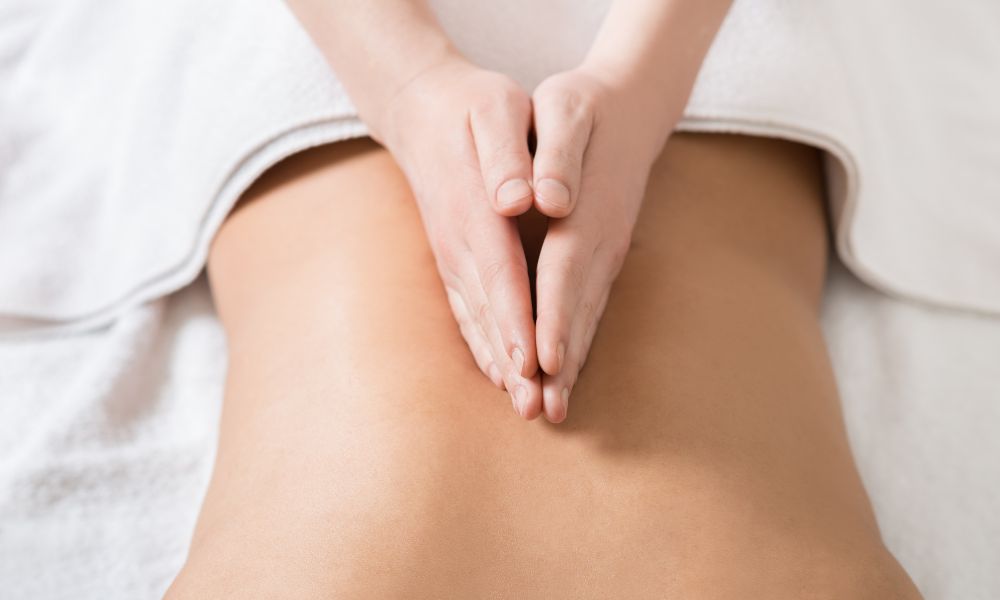
Bone setting in Traditional Chinese Medicine (TCM) is widely used to treat both acute and chronic musculoskeletal conditions by addressing joint alignment, soft tissue tension, and Qi–blood stagnation. This therapy focuses on restoring functional balance in the body, making it effective for pain caused by injury, poor posture, repetitive strain, or age-related degeneration rather than structural damage alone. TCM bone setting is particularly suitable for conditions where stiffness, limited mobility, or recurring discomfort persists despite rest or conventional treatments.
Musculoskeletal Issues
- Neck and shoulder stiffness
- Lower back pain and sciatica
- Knee and ankle instability
- Frozen shoulder
- Joint degeneration due to aging
Injury & Trauma Recovery
- Sports injuries
- Falls and minor fractures (non-surgical cases)
- Repetitive strain injuries
Postural & Functional Problems
- Spinal misalignment
- Poor posture from prolonged sitting
- Limited range of motion
According to clinical observations in integrative medicine clinics, over 65–75% of chronic musculoskeletal pain cases show functional improvement when manual therapy is combined with traditional modalities such as TCM bone setting.
How Bone Setting in TCM Works: Step-by-Step Treatment Process
1. TCM Diagnosis
The practitioner assesses:
- Posture and gait
- Range of motion
- Palpation of joints and muscles
- Pulse and tongue (if needed)
2. Soft Tissue Preparation
Before any adjustment, muscles and tendons are relaxed using:
- Tui Na massage
- Acupressure
- Gentle stretching
This stage is closely related to the Therapeutic Effects of TCM Massage, which enhances circulation and prepares the body for alignment.
3. Manual Bone Adjustment
Using controlled, precise movements, the practitioner realigns joints while respecting the patient’s physical limits. In bone setting in Traditional Chinese Medicine (TCM), these adjustments are performed gradually and intentionally, based on the patient’s posture, muscle condition, and joint mobility rather than forceful manipulation. The practitioner applies targeted hand techniques to guide misaligned joints back to their natural position while simultaneously releasing surrounding muscle tension and restoring the flow of Qi and blood along the meridians. This approach helps reduce pain, improve range of motion, and prevent further strain or compensation in other parts of the body. Each adjustment is customized to the individual, ensuring the treatment remains safe, effective, and aligned with the body’s natural healing response.
4. Post-Treatment Stabilization
- Herbal liniments or wraps
- Movement guidance
- Lifestyle and posture advice
Bone Setting in TCM vs Chiropractic vs Physiotherapy
| Aspect | TCM Bone Setting | Chiropractic | Physiotherapy |
|---|---|---|---|
| Philosophy | Holistic, Qi-based | Structural | Functional rehab |
| Technique | Manual, meridian-based | Mechanical adjustments | Exercises & modalities |
| Diagnosis | Whole-body | Spine-focused | Muscle-focused |
| Aftercare | Herbs, lifestyle | Minimal | Exercise plans |
TCM bone setting stands out by integrating manual therapy with internal balance, not just mechanical correction.
Is Bone Setting in TCM Safe? Benefits and Risk Considerations
When performed by a licensed and experienced TCM practitioner, bone setting is generally safe and well-tolerated.
Safety Guidelines
- Not recommended for severe fractures or advanced osteoporosis
- Always preceded by proper assessment
- Adjustments are gentle and patient-specific
Clinical case reviews in TCM clinics across Asia show high patient satisfaction rates, particularly for chronic pain conditions where conventional approaches provided limited relief.
The Role of TCM Massage in Enhancing Bone Setting in TCM Results
Bone setting is rarely done alone. It is commonly combined with Tui Na to:
- Relax tight muscles
- Reduce inflammation
- Improve circulation
- Prevent recurrence
You can learn more about this complementary approach here: Therapeutic Effects of TCM Massage
When Should You Consider Bone Setting in Traditional Chinese Medicine?
Consider bone setting if you:
- Experience recurring joint pain
- Feel stiffness despite exercise
- Have limited mobility after injury
- Want a natural, non-surgical approach
Simple Self-Check
If pain worsens with poor posture or improves temporarily with massage, bone setting may be beneficial. This pattern often indicates functional misalignment or muscle–joint imbalance rather than structural damage, which is a key area where bone setting in Traditional Chinese Medicine (TCM) is most effective. When discomfort increases after prolonged sitting, standing, or repetitive movement, but feels relieved after stretching or massage, it suggests that joint positioning and Qi–blood circulation may be restricted. TCM bone setting aims to correct these imbalances at the source, helping the body maintain proper alignment and reducing the likelihood of recurring pain. If these signs are present, a professional TCM assessment can help determine whether bone setting is the appropriate treatment approach.
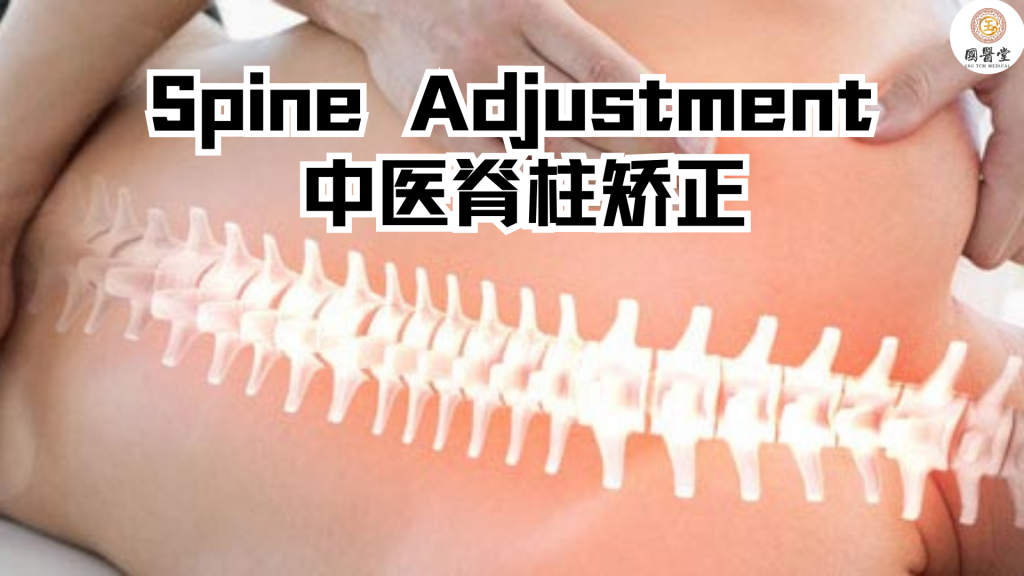
Conclusion: Why Choose Bone Setting in TCM for Long-Term Pain Relief
Bone setting in Traditional Chinese Medicine (TCM) offers a time-tested, holistic solution for joint pain, mobility issues, and structural imbalance. By addressing both physical alignment and internal energy flow, it provides sustainable relief rather than temporary symptom control. At GNG TCM, our expertise lies in integrative manual therapies, including bone setting, Tui Na massage, and personalized TCM care plans tailored to modern lifestyles. If you are ready to restore balance, reduce pain, and move freely again, we invite you to explore our services and speak directly with our professional team through our official contact page.
FAQs Section
Does TCM bone setting hurt?
Most patients feel pressure or mild discomfort, but not sharp pain. Relief is often felt immediately or within a few sessions.
How many sessions are needed?
Acute issues: 1–3 sessions
Chronic conditions: 4–8 sessions depending on severity
Is bone setting suitable for elderly patients?
Yes, when done gently and combined with massage and herbal support.
Can bone setting fix posture problems?
Yes. Postural imbalance is one of the most common reasons people seek TCM bone setting.
Is bone setting the same as Tui Na?
No. Bone setting focuses on joint alignment, while Tui Na focuses on soft tissue and Qi flow—often used together.