

Understanding Baguan for Winter Circulation
Baguan for winter circulation refers to the use of traditional cupping therapy principles to promote warmth, enhance blood flow, and dispel cold that accumulates in the body during colder months. In Traditional Chinese Medicine (TCM), winter is the season associated with deeper qi storage, stronger cold exposure, and increased vulnerability to stagnation. During this period, many people experience cold extremities, slow digestion, muscle tightness, fatigue, and decreased mobility.
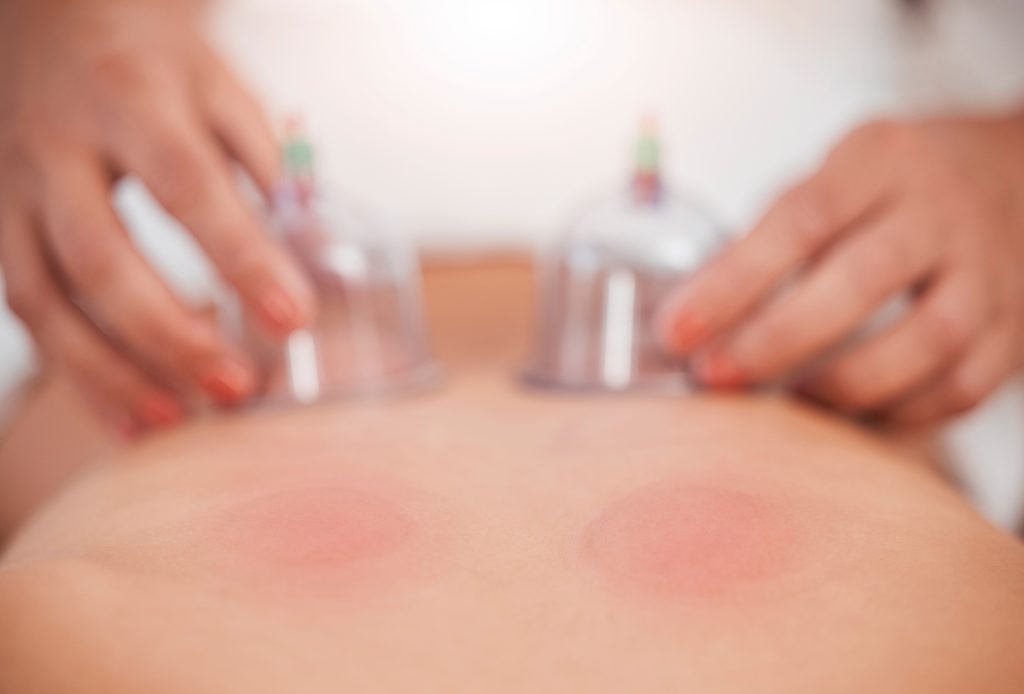
Baguan, known in modern wellness as cupping, uses negative pressure to stimulate the meridians, draw blood to the surface, and release trapped cold. This process encourages better circulation, warms yang energy, and restores natural balance. For those new to the therapy, our guide on cupping therapy in Chinatown offers a deeper understanding of related techniques and clinical benefits.
Why Baguan Is Highly Effective in Winter
1. Counteracts Cold-Induced Stagnation
Cold weather naturally constricts blood vessels, slowing circulation and increasing stiffness. Baguan gently lifts the tissue, enhancing microcirculation and warming the area.
2. Supports Yang Energy
According to TCM, winter is when the body’s yang energy is weakest. Baguan stimulates yang, helping maintain vitality, warmth, and immune resilience.
3. Relieves Muscle Tightness
Cold causes muscles to tighten, especially in the shoulders, upper back, and lower back. Baguan relaxes fascia and helps improve flexibility.
4. Improves Energy Flow
Negative pressure along meridians encourages smooth qi flow, reducing fatigue and supporting internal organ function.
5. Reduces Seasonal Discomforts
Regular sessions may improve:
- Cold hands and feet
- Winter fatigue
- Slow digestion
- Shoulder stiffness
- Lower back tension
- Poor sleep due to cold syndrome
Key Baguan Techniques for Winter Circulation
Fire Baguan
Fire Baguan uses the heat of a flame to create strong suction inside the cup before placing it on the skin. This method produces a deep warming effect that helps disperse cold lodged in the muscles, joints, or meridians. Because the warmth penetrates quickly, it is especially effective for conditions aggravated by winter cold, such as stiff shoulders, lower-back tightness, and reduced circulation in the limbs. Many practitioners also use Fire Baguan to enhance Yang energy, making it ideal for individuals who often feel cold, fatigued, or sluggish during winter.
Sliding Baguan
Sliding Baguan, also known as moving cupping, combines suction with massage-like gliding techniques. A light oil is applied, and the cup is moved along the muscles or meridian pathways. This method promotes a broad, smooth flow of Qi and blood, helping to relieve widespread cold stagnation, muscle tightness, and heaviness in the body. It is often used for athletes, office workers with muscle strain, or anyone experiencing generalized tension due to cold weather. Sliding Baguan also offers a relaxing, warming sensation that boosts circulation and reduces winter stiffness.
Stationary Baguan
In Stationary Baguan, the cups are placed on specific acupoints and left undisturbed for several minutes. Practitioners typically target back-shu points, the Bladder meridian, and the Kidney region to strengthen the body’s foundational Yang energy. This makes Stationary Baguan highly beneficial for winter, a season associated with Kidney deficiency in TCM. It supports immune resilience, deep warmth, and better internal circulation. People who suffer from low back pain, fatigue, cold limbs, or weak digestion during colder months benefit greatly from this technique.
Vacuum Baguan
Vacuum Baguan uses a manual or mechanical pump to create suction instead of fire. This method is ideal for individuals who prefer a milder, more controlled intensity or those who are sensitive to heat. Vacuum Baguan allows practitioners to adjust the suction level precisely, making it suitable for elderly patients, children (in modified forms), or those with delicate skin. Despite being gentle, it still improves circulation, reduces cold-induced muscle stiffness, and supports the removal of stagnation. This modern method combines safety, comfort, and therapeutic efficiency, especially during winter months.
Table: Common Winter Symptoms and Recommended Baguan Approach
| Winter Condition | Likely TCM Interpretation | Recommended Baguan Technique | Primary Areas |
|---|---|---|---|
| Cold hands/feet | Yang deficiency | Fire baguan | Lower back, abdomen |
| Shoulder tightness | Cold stagnation | Sliding baguan | Upper back |
| Low energy | Qi & yang depletion | Stationary baguan | Back shu points |
| Slow digestion | Spleen cold | Sliding or fire baguan | Abdomen, mid-back |
| Lumbar ache | Kidney weakness | Fire + stationary | Lower back |
Step-By-Step: What Happens During a Winter Baguan Session
Step 1: Professional Consultation
The session begins with a focused consultation in which a licensed TCM physician evaluates the patient’s overall condition. This includes inspection of the tongue for color and coating, pulse assessment for strength and rhythm, and questions about sensitivity to cold, sleep, digestion, energy levels, and recent health changes. The practitioner uses this information to differentiate between patterns such as cold stagnation, qi blockage, or yang deficiency, which guides both the choice of technique and the intensity of treatment. This initial assessment ensures the therapy is safe, targeted, and aligned with the individual’s constitution and winter-related concerns.
Step 2: Selection of Technique
After diagnosis, the practitioner selects the most appropriate cupping method and treatment plan tailored to the patient’s needs. Factors that determine the choice include the severity of symptoms, the patient’s tolerance for heat or suction, age, skin sensitivity, and overall vitality. For example, someone with deep-seated cold or low yang may receive stronger fire cupping on back-shu points, while a sensitive older adult might receive gentle vacuum cupping or sliding cups. The selection also defines cup placement, the combination of sliding vs. stationary work, and the recommended course frequency.
Step 3: Warming Phase
Before applying cups, a warming phase prepares the tissues and meridians so the body responds more effectively. This may involve light moxa (where appropriate), a brief warming massage, or heat packs applied to the area to relax muscles and expand superficial vessels. Warming reduces shock from sudden temperature change, improves local circulation, and helps the suction penetrate more comfortably and deeply. This preparatory step is especially important in winter, when muscles and meridians tend to be constricted and more resistant to change.
Step 4: Application of Cups
Cups are applied with a controlled level of suction and left in place or moved depending on the treatment plan. For stationary cupping, cups typically remain for 8–15 minutes; sliding cupping involves moving the cup with oil for several minutes over muscle groups. The practitioner continuously monitors skin response, comfort, and suction level, adjusting or removing cups if the patient experiences excessive discomfort. After removal, the practitioner assesses the skin and may perform gentle post-cupping massage, stretching, or recommend immediate aftercare such as hydration, warmth retention, and rest to consolidate the therapeutic effect.
Step 5: Post-Care Guidance
Patients may receive advice such as:
- Drinking warm ginger tea
- Wearing extra layers over the neck and lower back
- Avoiding wind exposure
- Gentle stretching to maintain warmth
Original Insight: Case Study on Winter Circulation Improvement
A small observational review at a community TCM clinic reported notable improvements among participants who received weekly baguan sessions during winter:
- 78% reported warmer hands and feet
- 65% experienced reduced shoulder stiffness
- 71% noted improved energy and digestion
- 82% felt overall better comfort during cold weather
These results align with TCM principles that warming therapy improves seasonal resilience by supporting yang and circulation.
Conclusion: Restore Warmth and Vitality With Baguan This Winter
Baguan for winter circulation is a powerful TCM approach that counters the effects of cold, enhances qi flow, and supports the body’s natural warmth. By integrating therapeutic sessions with simple lifestyle adjustments, you can stay balanced, comfortable, and energized throughout the colder months. To explore related therapies, visit our guide on cupping therapy in Chinatown. For personalized care or to book a session with experienced TCM physicians, please visit our clinic website and reach out through our contact page to connect directly with our team.
FAQs Section
Why is baguan recommended more often in winter?
Because cold constricts the body’s channels, slowing blood and qi movement. Baguan reverses this effect by warming and unblocking meridians.
Does it hurt or leave marks?
It may leave temporary marks indicating stagnation release. These are not bruises and fade within a few days.
How many sessions are ideal during winter?
Most individuals benefit from treatments every 1–2 weeks depending on sensitivity to cold.
Can it help people with chronic cold extremities?
Yes. Many patients experience improved warmth due to enhanced circulation and yang support.
Is baguan safe for everyone?
Generally yes, but individuals with skin infections, severe anemia, high fever, or pregnancy should consult a TCM physician first.