

Ba Guan for poor circulation refers to the use of Traditional Chinese Medicine (TCM) cupping therapy as a supportive approach for people who experience sensations such as cold hands or feet, muscle tightness, heaviness, or discomfort that they associate with poor circulation. Ba Guan, also known as cupping therapy or 拔罐, uses cups placed on selected areas of the body to create controlled suction.
In TCM, circulation is closely connected with the movement of Qi and blood. When this movement is considered stagnant, practitioners may use Ba Guan as part of a broader treatment plan to encourage circulation and relieve local tension. Modern explanations focus more on the temporary effects of suction on local blood flow and soft tissues.
It is important to distinguish this traditional wellness approach from medical treatment for an underlying circulatory disorder. Persistent or severe circulation symptoms should be assessed by a qualified healthcare professional rather than treated with cupping alone.
What Is Ba Guan for Poor Circulation?
Ba Guan is a traditional cupping method used in TCM. During treatment, cups are positioned on selected areas of the body and a vacuum or suction effect is created. Depending on the technique, practitioners may use glass, bamboo, or modern plastic cups.
For people searching for ba guan for poor circulation, the main interest is usually whether cupping can help the body feel warmer, less tense, or more comfortable.
From a TCM perspective, poor circulation may be discussed in relation to Qi and blood stagnation. A practitioner considers the person’s overall condition rather than treating one symptom in isolation.
A Simple Way to Understand It
Think of circulation as movement.
When muscles remain tense for long periods, such as after sitting at a desk all day, the affected area may feel stiff or uncomfortable. Ba Guan applies controlled suction to selected areas, which can create a temporary increase in local blood flow and a sensation of warmth.
The TCM interpretation goes further by considering:
- Qi movement
- Blood circulation
- Meridian pathways
- Muscle tension
- Body constitution
- Areas of discomfort
- Overall balance
This is why TCM treatment is generally personalised rather than applying the same cupping pattern to everyone.
How Does Ba Guan Work for Circulation?
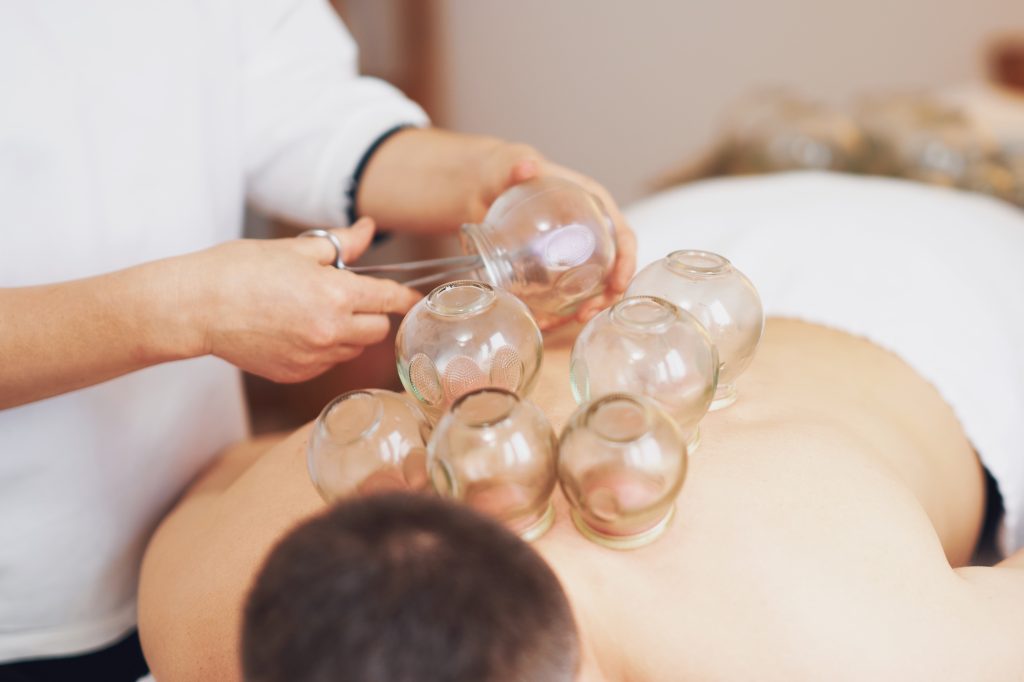
Ba Guan works through suction rather than directly pushing blood through the entire circulatory system. The cups lift the skin and superficial tissues, creating a local response.
1. Localised Blood Flow
Cupping can cause temporary changes in blood flow around the treated area. This is one reason the skin may become red or darker after treatment.
The visible marks should not automatically be interpreted as proof that “toxins” have been removed. They are primarily a local skin response to the suction.
2. Muscle Relaxation
Tight muscles can contribute to discomfort and a feeling of stiffness. By stimulating the skin and superficial tissues, cupping may help some people feel more relaxed after treatment.
This can be particularly relevant for people who spend many hours sitting, exercising, or maintaining repetitive postures.
3. TCM Qi and Blood Perspective
In TCM theory, smooth movement of Qi and blood is considered important for maintaining balance. Practitioners may describe stagnation as a contributing factor to discomfort, stiffness, or a heavy sensation.
This traditional explanation is different from the way modern medicine diagnoses circulatory disease. Ba Guan should therefore be viewed as a TCM treatment modality rather than a substitute for medical diagnosis.
What Symptoms May Lead Someone to Consider Ba Guan?
People often explore cupping because they notice recurring physical sensations rather than because they have a medically diagnosed circulation disorder.
Common reasons may include:
- Cold-feeling hands or feet
- Muscle tightness
- General body heaviness
- Stiff shoulders or back
- Post-exercise muscle discomfort
- Tension associated with prolonged sitting
- A feeling of sluggishness or reduced physical comfort
However, these symptoms can have many possible causes.
For example, persistently cold feet may be related to environmental temperature, circulation problems, nerve issues, hormonal conditions, medication effects, or other health concerns. This is why persistent symptoms should not automatically be attributed to “poor circulation.”
Ba Guan and Poor Circulation: TCM vs Modern Perspective
Understanding the difference between TCM theory and modern medical terminology makes this topic much clearer.
| Aspect | TCM Perspective | Modern Perspective |
|---|---|---|
| Circulation | Related to Qi and blood movement | Refers to blood flow through the cardiovascular system |
| Stagnation | May describe impaired movement of Qi and blood | Requires medical assessment to identify an underlying cause |
| Cupping | Used to stimulate and regulate local areas | Produces a local suction and skin/tissue response |
| Treatment goal | Restore balance and improve flow | Not a replacement for treatment of vascular disease |
| Assessment | TCM consultation and pattern differentiation | Medical history, examination, and diagnostic tests when appropriate |
The two perspectives can coexist, but they should not be treated as identical.
What Happens During a Ba Guan Session?
If you have never experienced cupping before, the process may seem unfamiliar. In a professional TCM setting, the treatment generally begins with an assessment before the cups are placed.
Step 1: Consultation
The practitioner discusses your concerns, symptoms, lifestyle, and relevant health information.
This helps determine whether Ba Guan is appropriate and which areas may be considered.
Step 2: Treatment Area Selection
The practitioner selects areas based on the individual’s condition and TCM assessment.
Cupping is not necessarily performed directly on the area where someone feels coldness or discomfort.
Step 3: Cup Placement
The cups are placed on selected areas and controlled suction is created.
Depending on the method, different types of cups and techniques may be used.
Step 4: Short Treatment Period
The cups remain in position for a limited period determined by the practitioner.
During treatment, people may experience pulling, tightness, warmth, or pressure.
Step 5: Removal and Aftercare
The cups are carefully removed. Temporary circular marks may remain on the skin.
These marks usually fade gradually, but the duration can vary between individuals.
What Do Ba Guan Marks Mean?
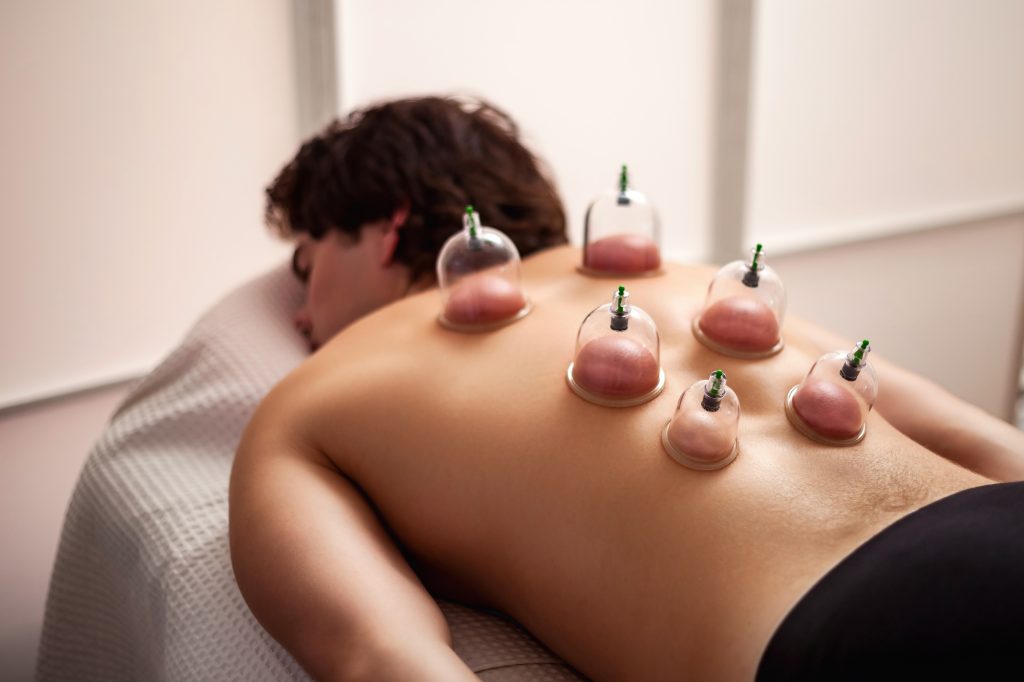
One of the most common questions about cupping is why circular red, purple, or darker marks appear.
These marks are caused by the suction effect and local changes in the superficial tissues. Their appearance can vary depending on factors such as suction strength, treatment location, skin characteristics, and individual response.
A common TCM explanation describes these changes in terms of Qi and blood stagnation. However, the colour of a cupping mark should not be used as a medical measurement of circulation or “toxins.”
If you experience significant pain, blistering, burns, or unusual skin reactions after treatment, speak with the practitioner or seek appropriate medical care.
Can Ba Guan Improve Poor Circulation?
The most accurate answer is: Ba Guan may support local circulation and relaxation, but it should not be considered a proven treatment for an underlying circulatory disease.
Research on cupping has explored areas such as pain, muscle symptoms, and other conditions, but evidence varies depending on the condition and study quality. Claims that cupping can universally “detox” the body or correct all forms of poor circulation are stronger than the available evidence supports.
For someone interested in TCM, Ba Guan may be considered as one component of a personalised wellness or treatment plan.
At G&G TCM, Ba Guan is listed as a TCM health recuperation service, alongside other modalities such as Tui Na, moxibustion, acupuncture, and TCM prescriptions.
When Should You See a Doctor Instead?
Not every circulation-related symptom should be treated with cupping.
Seek medical evaluation if you experience symptoms such as:
- Sudden numbness or weakness
- Severe or unexplained pain
- A limb becoming unusually pale, blue, or cold
- Significant swelling
- Chest pain
- Shortness of breath
- Sudden changes affecting one side of the body
- Symptoms that are persistent or getting worse
These symptoms can potentially indicate a medical condition requiring prompt assessment.
Ba Guan can be discussed with a healthcare professional or qualified TCM practitioner as a complementary option, but it should not delay appropriate medical care.
How Can Ba Guan Fit Into a Broader TCM Approach?
TCM often takes a whole-person approach rather than focusing on one isolated symptom.
For someone experiencing muscle tension and a sensation of poor circulation, a practitioner may consider different treatment options based on the person’s condition.
A treatment plan may potentially include:
- TCM consultation to understand the individual’s condition.
- Ba Guan to provide local cupping therapy.
- Tui Na to address muscular tension and promote relaxation.
- Acupuncture where appropriate.
- Moxibustion when warming and circulation support are considered relevant from a TCM perspective.
- TCM prescription or herbal support when clinically appropriate.
- Lifestyle guidance such as movement, rest, hydration, and healthy daily habits.
This integrated approach is more consistent with personalised TCM practice than treating “poor circulation” as a single condition.
For readers interested in understanding the role of baguan in tcm, G&G TCM provides additional information about how Ba Guan fits into the broader principles of Traditional Chinese Medicine.
Ba Guan vs Other TCM Options
Ba Guan is only one treatment modality. The most suitable approach depends on the individual’s symptoms and practitioner assessment.
| TCM Approach | Common Focus |
|---|---|
| Ba Guan | Cupping and local stimulation |
| Tui Na | Muscular tension, relaxation, and meridian-based manual therapy |
| Acupuncture | Stimulation of selected acupoints |
| Moxibustion | Warming and traditional TCM heat therapy |
| TCM Prescription | Individualised herbal support |
| TCM Consultation | Assessment and treatment planning |
G&G TCM service page includes these and other TCM treatment options, allowing treatment to be considered according to individual needs.
Pro Tips for People Considering Ba Guan
A few simple habits can make the experience more comfortable:
- Tell your practitioner about existing health conditions and medications.
- Do not assume darker cupping marks mean a stronger or better treatment.
- Ask what technique will be used before treatment.
- Keep expectations realistic.
- Follow professional aftercare advice.
- Avoid using cupping as a substitute for medical assessment when symptoms are persistent or severe.
- Choose a professional clinic that follows appropriate hygiene procedures.
Most importantly, more suction does not automatically mean better results. Cupping should be appropriately controlled and tailored to the individual.
Conclusion: Is Ba Guan Worth Considering for Poor Circulation?
Ba Guan can be an interesting TCM option for people who experience muscle tension, heaviness, or circulation-related discomfort and want to explore a traditional complementary approach. Its suction-based technique may create temporary local changes in blood flow and relaxation, while TCM practitioners interpret the treatment through concepts such as Qi, blood, meridians, and balance.
However, ba guan for poor circulation should not be presented as a cure for medical circulatory disorders. The most appropriate approach is to understand the cause of the symptoms first and then consider whether TCM treatment is suitable.
If you would like to explore Ba Guan and other personalised Traditional Chinese Medicine options, visit G&G TCM Service to learn more about available treatments and consultation options.
FAQs Section
What is Ba Guan for poor circulation?
Ba Guan for poor circulation refers to using TCM cupping as a supportive therapy for circulation-related sensations such as local tightness, heaviness, or cold-feeling areas. It should not be considered a replacement for medical treatment of circulatory disease.
Can Ba Guan increase blood flow?
Cupping can produce temporary local changes in blood flow and tissue response around the treated area. However, this does not mean it can treat every cause of poor circulation.
How long do Ba Guan marks last?
Cupping marks can remain visible for several days and gradually fade. Their duration depends on the individual, treatment technique, suction, and treated area.
Is Ba Guan painful?
Most people describe cupping as a pulling or tight sensation rather than sharp pain. If the treatment becomes painful or uncomfortable, tell the practitioner so the technique can be adjusted.
Can Ba Guan replace medical treatment for poor circulation?
No. Ba Guan should not replace medical evaluation when poor circulation is persistent, severe, sudden, or associated with symptoms such as significant pain, swelling, numbness, colour changes, chest pain, or breathing difficulties.