

What Is Acupuncture for Stress Relief?
Acupuncture for stress relief is a Traditional Chinese Medicine (TCM) approach that uses fine, sterile needles at specific acupuncture points to support relaxation, balance, and overall well-being. Instead of focusing only on stress symptoms, TCM practitioners assess the individual’s overall condition, lifestyle, sleep, and body constitution before creating a personalized treatment plan.
Stress can affect many aspects of daily life. Ongoing pressure from work, relationships, poor sleep, and busy routines may contribute to muscle tension, headaches, fatigue, irritability, and difficulty relaxing.
Acupuncture is commonly explored as a complementary wellness therapy to help support:
- Relaxation and stress management
- Emotional balance
- Better sleep
- Muscle relaxation
- Healthy circulation
- Overall wellness
The goal is not simply to provide temporary relaxation but to support better balance between the body and mind.
How Does Traditional Chinese Medicine View Stress?
Traditional Chinese Medicine considers emotional well-being closely connected with the flow of Qi (vital energy) and Blood throughout the body.
When Qi becomes stagnant or the body’s internal balance is disrupted, a person may experience physical and emotional discomfort.
Common TCM Patterns Associated With Stress
Liver Qi Stagnation
This is commonly associated in TCM with emotional tension and restricted Qi flow.
Possible signs include:
- Irritability
- Muscle tension
- Headaches
- Mood changes
- Feeling emotionally overwhelmed
Heart Shen Disturbance
The Heart is traditionally associated with the Shen, or mind and spirit.
Possible signs include:
- Restlessness
- Difficulty relaxing
- Poor sleep
- Racing thoughts
Qi Deficiency
Long periods of stress may be accompanied by fatigue and low energy.
Pro Tip: Recognizing stress early and developing healthy coping habits can help prevent it from becoming a persistent part of daily life.
How Does Acupuncture for Stress Relief Work?

During acupuncture, a TCM practitioner selects specific points based on your individual symptoms and TCM diagnosis.
Typical Treatment Process
- Initial consultation
- Discussion of stress and lifestyle factors
- Pulse and tongue assessment
- Identification of TCM patterns
- Personalized acupuncture treatment
- Lifestyle and aftercare recommendations
Potential Benefits of Acupuncture for Stress Relief
Many people choose acupuncture as part of a broader strategy for managing stress and supporting their well-being.
Commonly Reported Benefits
- Encourages relaxation
- Supports emotional balance
- Helps reduce muscle tension
- Promotes healthy sleep
- Supports circulation
- Encourages mental calmness
- Complements stress-management routines
- Supports overall wellness
Individual experiences can vary, and acupuncture should be viewed as part of a comprehensive approach to health.
What Happens During an Acupuncture Session?
If you have never experienced acupuncture before, the process is generally straightforward.
Consultation
Your practitioner may ask about:
- Stress levels
- Sleep patterns
- Energy levels
- Diet
- Work and lifestyle
- Existing health concerns
TCM Assessment
Traditional diagnostic methods may include pulse diagnosis and tongue observation.
Needle Placement
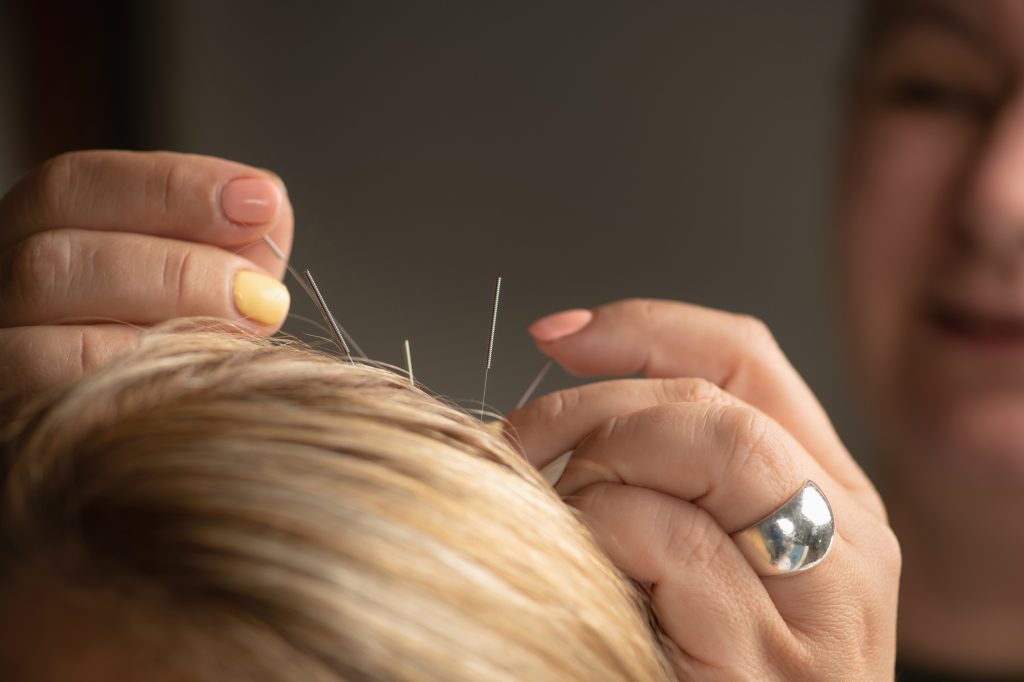
Very thin, sterile needles are gently inserted into selected acupuncture points. Most people experience little discomfort during insertion.
Relaxation Period
You normally rest while the needles remain in place for a period determined by your practitioner.
Aftercare
Your practitioner may recommend hydration, adequate rest, stress-management techniques, or follow-up treatments.
Pro Tip: Wear comfortable clothing and allow yourself enough time to relax before and after your appointment.
Acupuncture for Stress Relief and Better Sleep
Stress and sleep are closely connected. When the mind remains active at night, falling asleep or staying asleep may become more difficult.
Acupuncture may be incorporated into a holistic wellness plan focused on relaxation and healthy sleep patterns.
Supporting better sleep may also involve:
- Maintaining a consistent bedtime
- Limiting screen time before sleep
- Exercising regularly
- Reducing caffeine late in the day
- Practicing breathing exercises
- Creating a relaxing bedroom environment
A combination of professional care and healthy sleep habits can provide a more comprehensive approach to wellness.
Lifestyle Habits That Complement Acupuncture
Acupuncture works best alongside healthy everyday habits.
Exercise Regularly
Physical activity can support mood, circulation, and overall health.
Practice Mindful Breathing
Slow breathing may help create a calmer state of mind.
Eat Balanced Meals
Nutritious foods provide energy and support normal body functions.
Prioritize Sleep
Adequate rest allows the body and mind to recover.
Take Regular Breaks
Short breaks during a busy workday can help prevent accumulated tension.
Pro Tip: You do not need to completely change your lifestyle overnight. Start with one healthy habit and build from there.
Acupuncture for Stress Relief vs Other Stress Management Approaches
| Factor | Acupuncture | Relaxation Techniques | Medication |
|---|---|---|---|
| Professional Assessment | Yes | Usually No | Yes |
| Personalized Approach | Yes | Limited | Yes |
| Drug-Free | Yes | Yes | Not Always |
| Relaxation Focus | Yes | Yes | Varies |
| Lifestyle Support | Often Included | Yes | Varies |
| TCM-Based | Yes | No | No |
Acupuncture may complement other stress-management strategies rather than replacing appropriate medical care.
Who May Benefit From Acupuncture for Stress Relief?
Acupuncture may be considered by individuals who:
- Experience everyday stress
- Have difficulty relaxing
- Experience stress-related muscle tension
- Have occasional sleep difficulties
- Want a holistic wellness approach
- Prefer complementary therapies
A qualified TCM physician can assess whether acupuncture is appropriate for your individual needs.
Pro Tip: If stress is persistent, severe, or interfering significantly with your daily life, seek appropriate medical or mental health support in addition to complementary therapies.
Why Choose Traditional Chinese Acupuncture?
Traditional Chinese Medicine has developed a comprehensive system of acupuncture points, meridians, and diagnostic methods over centuries.
A personalized approach means that treatment is not necessarily identical for everyone experiencing stress.
Different people may have different symptoms, such as:
- Headaches
- Shoulder tension
- Fatigue
- Poor sleep
- Digestive discomfort
- Irritability
For readers who want to understand the broader principles behind acupuncture, traditional chinese acupuncture treatment provides a useful introduction to how TCM acupuncture is personalized according to individual health patterns.
How to Maximize the Benefits of Acupuncture for Stress Relief
To support your wellness journey:
- Follow your practitioner’s recommendations.
- Maintain regular appointments when appropriate.
- Get sufficient sleep.
- Exercise consistently.
- Eat nutritious foods.
- Stay hydrated.
- Practice relaxation techniques.
- Communicate changes in your symptoms.
Pro Tip: Consistency matters. Combining acupuncture with healthy lifestyle habits can create a stronger foundation for long-term stress management.
Why More People Are Exploring Acupuncture for Stress Relief
Modern lifestyles can make stress difficult to avoid. As people become more interested in holistic and preventive healthcare, acupuncture is increasingly considered as a complementary approach to wellness.
People may choose acupuncture because it offers:
- Personalized care
- A holistic treatment philosophy
- A drug-free approach
- Relaxation support
- Whole-body wellness
- Integration with healthy lifestyle habits
Rather than treating every person in exactly the same way, TCM practitioners consider each patient’s individual condition.
Conclusion: Discover Acupuncture for Stress Relief at G&G TCM
Acupuncture for stress relief offers a personalized Traditional Chinese Medicine approach that focuses on relaxation, internal balance, and overall wellness. By combining professional acupuncture with healthy sleep, regular exercise, balanced nutrition, and effective stress-management habits, individuals can take a more comprehensive approach to their well-being.
At G&G TCM, experienced TCM physicians assess each patient’s individual condition before developing a personalized treatment approach. Whether you are looking to manage everyday stress, support better sleep, or promote overall relaxation, professional TCM care can be incorporated into your wellness routine.
Visit G&G TCM today to learn more about acupuncture and other Traditional Chinese Medicine services and discover how personalized care can support your journey toward better health.
Final Pro Tip
Stress management is a long-term process. Small, consistent habits combined with professional guidance can help you build a healthier and more balanced daily routine.
FAQs Section
What is acupuncture for stress relief?
It is a TCM therapy that uses fine needles at specific acupuncture points to support relaxation, balance, and overall wellness.
Can acupuncture help with stress?
Acupuncture may help support relaxation and manage stress-related symptoms as part of a comprehensive wellness plan.
Is acupuncture painful?
Most people experience minimal discomfort because acupuncture needles are very thin and carefully inserted.
How long is an acupuncture session?
A typical appointment may take around 30–60 minutes, depending on the consultation and treatment plan.
How often should I receive acupuncture for stress relief?
Treatment frequency depends on your individual condition and wellness goals. A TCM practitioner can recommend an appropriate schedule.