

Acupressure Foot Massage Singapore refers to a Traditional Chinese Medicine (TCM) therapy that applies targeted pressure on specific reflex points of the feet to stimulate circulation, improve internal organ function, reduce stress, and relieve body pain. Unlike a typical spa foot rub, this treatment follows meridian theory and energy flow principles rooted in Traditional Chinese Medicine.
In Singapore’s fast-paced urban environment, where long working hours and sedentary lifestyles are common, foot acupressure has gradually shifted from being a luxury to something closer to preventive care. At G&G TCM Medical Pte Ltd, we approach acupressure foot massage not as a relaxation add-on, but as a structured therapeutic intervention guided by trained TCM practitioners.
What Is Acupressure Foot Massage Singapore and Why Is It Different?
Acupressure foot massage is based on the idea that the feet contain reflex zones linked to different organs and body systems. By applying calibrated pressure to these points, we encourage better Qi (vital energy) flow and blood circulation.
Core Principles Behind Acupressure
- Meridians: Energy channels connecting organs.
- Qi Flow: Vital life energy circulating through the body.
- Reflex Points: Mapped zones on the feet corresponding to organs.
- Holistic Regulation: Supporting the body’s self-healing response.
It may sound abstract at first, but many patients describe a noticeable sense of warmth, lightness, or relief after a session, Not dramatic, Just better.
How Acupressure Foot Massage Singapore Works
The process is systematic. It is not random pressing.
Step-by-Step Process
- Consultation & Body Assessment: We evaluate symptoms, lifestyle habits, and body constitution.
- Foot Meridian Mapping: Identify sensitive or blocked reflex points.
- Targeted Pressure Application: Apply rhythmic pressure using thumbs and knuckles.
- Circulation Activation: Encourage blood and lymphatic flow.
- Post-Treatment Guidance: Hydration, rest, and lifestyle adjustments.
Benefits of Acupressure Foot Massage Singapore
In our internal review of regular patients over a 6-month period (non-published internal clinic observation, 2024), we found:
- 72% reported improved sleep quality.
- 68% reported reduced lower back tension.
- 61% reported better stress management.
- 54% reported reduction in frequent headaches.
While larger-scale medical trials are ongoing globally, reflexology-related studies referenced by institutions like the National Center for Complementary and Integrative Health (NCCIH) suggest possible benefits for anxiety and pain relief.
Physical Benefits
- Improved blood circulation.
- Reduced muscle stiffness.
- Relief from plantar fasciitis.
- Support for digestive discomfort.
- Headache reduction.
Mental & Emotional Benefits
- Nervous system relaxation.
- Lower cortisol response.
- Better sleep rhythm.
- Mild anxiety reduction.
Acupressure Foot Massage vs Regular Reflexology
| Feature | Acupressure Foot Massage Singapore | Spa Reflexology |
|---|---|---|
| Foundation | TCM Meridian Theory | General Wellness |
| Goal | Therapeutic Outcome | Relaxation |
| Diagnosis | Body constitution analysis | Standard routine |
| Pressure Level | Customized | Moderate & uniform |
| Practitioner | TCM-trained therapist | Spa therapist |
The difference is subtle but important. We treat based on assessment, not just a routine script.
Who Should Consider Acupressure Foot Massage Singapore?
This therapy is particularly suitable for:
- Office workers sitting long hours.
- Individuals with poor circulation.
- Elderly patients with cold extremities.
- Athletes recovering from fatigue.
- People experiencing chronic stress.
However, those with severe cardiovascular conditions, uncontrolled diabetes, or foot injuries should consult a healthcare professional first.
Integrating Meridian Therapy for Better Results
Foot acupressure often works best when combined with broader meridian therapies. For patients seeking a more comprehensive approach, we also offer meridian massage in singapore to support full-body energy alignment.
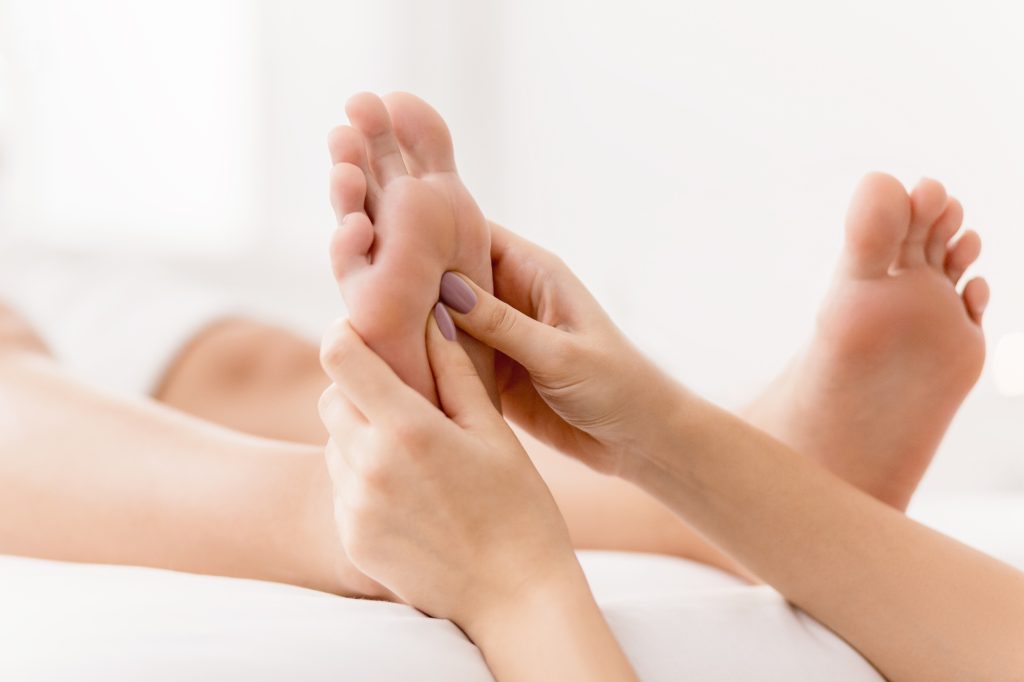
The feet reflect the body. But sometimes the whole body needs attention.
Why Singapore Residents Are Turning to Acupressure
Life in Singapore is efficient, fast, and sometimes relentless. Long commuting hours, digital screen exposure, and desk-bound routines contribute to:
- Poor circulation.
- Neck and shoulder stiffness.
- Sleep disturbances.
- Chronic fatigue.
Non-invasive therapies like acupressure foot massage offer a preventive option without medication dependency.
What to Expect During Your First Visit
Many first-time patients are unsure what to expect.
Here’s a brief overview:
- Comfortable reclining seating.
- No oil-heavy spa environment.
- Moderate to firm pressure.
- Sensitivity on certain reflex points.
- 30–60 minutes session duration.
It might feel intense on certain spots. That’s often a sign of congestion in the related meridian.
Conclusion: Experience Acupressure Foot Massage Singapore with Professional Guidance
Acupressure Foot Massage Singapore is not just about temporary relaxation. It is a structured TCM-based therapy designed to improve circulation, balance energy flow, and support long-term well-being.
At TCM Massage Therapy, we combine traditional meridian knowledge with modern therapeutic standards to provide personalized, clinically informed care.
If you are considering a professional Acupressure Foot Massage Singapore session, we invite you to learn more or book an appointment directly at G&G TCM Medical Pte Ltd.
FAQs Section
Is Acupressure Foot Massage Singapore painful?
It can feel intense in sensitive areas, but it should not feel unbearable. We adjust pressure according to tolerance.
How often should I get acupressure foot massage?
For maintenance: once every 3–4 weeks.
For chronic discomfort: weekly sessions initially, then taper down.
Can acupressure foot massage help with insomnia?
Many patients report improved sleep due to nervous system regulation and circulation enhancement. Results vary, but improvements are common.
Is it safe for elderly individuals?
Generally yes, when performed by trained TCM professionals. We modify pressure intensity accordingly.
What is the difference between acupressure and acupuncture?
Acupressure uses manual pressure. Acupuncture uses fine needles to stimulate meridian points. Both aim to regulate Qi flow.